.png?width=200&height=78&name=LR_Logo_vector_horizontal_color_shadow%20(1).png)

Document Roof Damage for an Insurance Claim
August 17th, 2026
5 min read
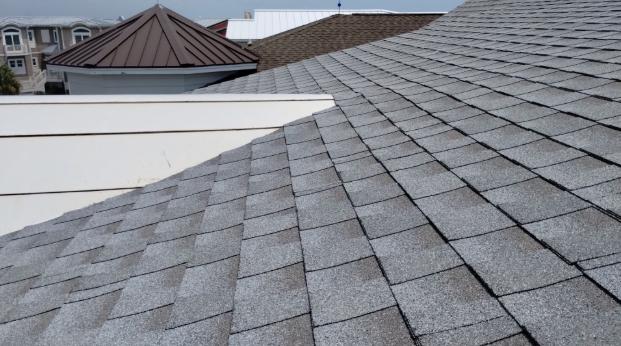
To document roof damage for an insurance claim, take dated photos of the damage from the ground and inside the home, keep a written record of the storm and any temporary repairs, and get a professional roof inspection before filing. Avoid permanent repairs until the adjuster has seen the roof in person.
Insurance companies weigh claims based on how well the timeline and evidence hold together, not just the extent of the damage itself. Homeowners along the Grand Strand who move quickly and build a complete file tend to see fewer adjuster questions and faster payouts.
Table of Contents
- Why Documentation Matters After a Storm
- Step 1: Photograph the Damage Immediately
- Step 2: Document Interior Damage Too
- Step 3: Keep a Written Record
- Step 4: Get a Professional Roof Inspection
- Step 5: Avoid Permanent Repairs Before the Adjuster Visits
- Step 6: File the Claim Promptly
- What to Have Ready for the Adjuster's Visit
- What Adjusters Look For
- Common Mistakes to Avoid
- Work With Linta Roofing on Your Claim
- Frequently Asked Questions
Why Documentation Matters After a Storm
Myrtle Beach and the surrounding coast see their share of tropical storms, hurricanes, and hail events every year. When high winds tear off shingles or hail dents a roof surface, insurance adjusters need proof of what happened and when. Without solid documentation, a claim can get delayed, undervalued, or denied outright.
Insurance companies look for a clear timeline connecting the storm event to the damage. This means homeowners need to act quickly after severe weather passes, before rain gets into the attic or additional wind strips away more of the roof. Knowing the common red flags insurance companies look for can help homeowners avoid mistakes that put a claim at risk.
Linta Roofing inspects storm damage to the same engineering standard insurers use to decide whether a claim is covered. Their project managers are HAAG trained, the damage assessment is free, and they meet your adjuster at the house so the approval reflects current building code instead of leaving you to pay the difference.
Step 1: Photograph the Damage Immediately
As soon as it's safe to go outside, walk the perimeter of the home and take photos of visible roof damage from the ground. Look for:
- Missing, cracked, or curled shingles
- Dented or dislodged gutters and downspouts
- Debris on the roof or in the yard, including tree limbs
- Granules collecting in gutters or on the ground, a sign of hail impact
- Visible dents on vents, flashing, or skylights
Homeowners should never climb onto a damaged roof to take photos. Ground-level shots from multiple angles, along with zoomed-in images, give adjusters enough detail without putting anyone at risk.
Step 2: Check For Interior Damage
Roof damage often shows up inside the house before it's obvious outside. Water stains on ceilings, damp spots in the attic, or peeling paint near the roofline all point to a leak. Photograph these signs as soon as they appear, and note the date they were first noticed.
If water has damaged flooring, insulation, or personal belongings, photograph those items separately. Insurance adjusters need to see the full scope of loss, not just the roof itself.
Step 3: Keep a Written Record
Photos tell part of the story, but a written log fills in the details a picture can't capture. Homeowners should keep notes on:
- The date and time of the storm or damage event
- Weather conditions at the time, including wind speed if known
- When the damage was first discovered
- Any temporary repairs made, such as tarping a hole
- Receipts for materials or labor used in temporary fixes
This record becomes useful later if the insurance company questions the cause or timing of the damage.
Step 4: Get a Professional Roof Inspection
A licensed roofing contractor can spot damage that isn't visible from the ground, including issues under the shingle line or around flashing and vents. A professional inspection report adds credibility to a claim and often catches problems homeowners miss entirely. It's worth knowing how to verify a roofer's credentials in South Carolina before choosing who performs that inspection.
Linta Roofing provides detailed inspection reports for Grand Strand homeowners filing insurance claims, with photo documentation and a written assessment of the damage. This kind of third-party evaluation gives adjusters a clear, professional account to work from alongside the homeowner's own records.
Step 5: Avoid Permanent Repairs Before the Adjuster Visits
It's tempting to fix damage right away, especially if a leak is active. Temporary measures like tarping are reasonable and often necessary to prevent further damage. Permanent repairs, however, should wait until the insurance adjuster has inspected the roof in person. Repairing damage too soon can remove the evidence needed to support the claim.
Step 6: File the Claim Promptly
Most insurance policies have a window for filing claims after a storm, and waiting too long can affect coverage. Once documentation is gathered, homeowners should contact their insurance provider and submit photos, the written timeline, and any professional inspection reports together.
What to Have Ready for the Adjuster's Visit
A little preparation before the adjuster arrives can make the inspection go faster and reduce the chance of follow-up questions. Homeowners should have the following on hand:
- All photos, organized by date, including both exterior and interior shots
- The written timeline of the storm, when damage was discovered, and any temporary repairs
- Receipts for tarps, materials, or emergency repair work
- A copy of the professional inspection report, if one was completed
- The homeowner's insurance policy number and a copy of the policy itself
- Contact information for the roofing contractor who performed the inspection
It also helps to walk the property beforehand and be ready to point out specific areas of damage in person, rather than leaving the adjuster to find everything on their own. Having a contractor present during the visit, when possible, gives the homeowner someone who can speak to the technical details of the damage.
What Adjusters Look For
Insurance adjusters are trained to distinguish storm damage from wear and tear. A roof that's simply aging can show signs similar to storm damage, like curled shingles, so timestamped documentation helps separate legitimate claims from normal wear. Clear photos taken close to the time of the storm, combined with a professional inspection, give the strongest support for approval.
Common Mistakes to Avoid
Even homeowners who mean to document everything properly can undermine their own claim without realizing it. A few missteps come up often:
- Waiting too long to take photos: The longer a homeowner waits, the more the scene changes, and adjusters may question whether the damage matches the storm date.
- Only photographing the roof from one angle: A handful of wide shots isn't enough. Multiple angles and close-ups give adjusters a fuller picture and reduce back-and-forth.
- Making permanent repairs before the inspection: Fixing the roof too soon removes the physical evidence an adjuster needs to see.
- Skipping the written record: Photos alone don't establish a timeline. Notes on when damage was discovered and what was done in response matter just as much.
- Not getting a professional opinion: Relying only on a homeowner's own assessment, without a licensed contractor's inspection, leaves the claim without third-party backing.
- Missing the filing window: Even strong documentation doesn't help if the claim is submitted after the policy's deadline has passed.
Work With Linta Roofing on Your Claim
We help homeowners across Myrtle Beach and the Grand Strand document storm damage the right way, from initial photos to a full inspection report adjusters can rely on. Contact our residential roofing team for an inspection before you file your claim, and get documentation that holds up through the entire process.
Linta Roofing has helped thousands of homeowners manage the roof insurance claim process over the last 40 years and more.
Frequently Asked Questions
How soon should I photograph roof damage after a storm?
As soon as it's safe to go outside, ideally within a day or two of the storm passing. Photos taken close to the time of the event give the strongest support for a claim's timeline.
Do I need a professional inspection before filing a claim?
It's not always required, but it strengthens the claim significantly. A licensed contractor can identify damage that isn't visible from the ground and provide a written report the adjuster can rely on.
Can I make repairs before the adjuster inspects the roof?
Temporary measures like tarping are fine and often necessary to prevent further damage. Permanent repairs should wait until after the adjuster's visit, since fixing the roof too early can remove evidence needed to support the claim.
What if my insurance company denies the claim?
A denial isn't always final. Homeowners can request a re-inspection, submit additional documentation, or bring in a licensed contractor to provide a second assessment that supports an appeal.
How long do I have to file a claim after storm damage?
This varies by policy and insurer, so it's worth checking the specific filing window in your policy. Filing promptly, ideally within a few weeks of the storm, helps avoid disputes over timing.
Jeffrey Linta is the CEO and owner of Linta Roofing, a third-generation roofer who took ownership of the family business in 2023. He began his career in high school with boots on the ground, working in the field and learning the roofing trade from his father before joining the company full time after college graduation. His professional credentials include GAF Master Elite Contractor, IKO ROOFPRO Craftsman Premier Contractor, GAF GoldElite Commercial Contractor, GAF presidents club award winner and SC Safe Home Certified Contractor. Under his leadership, Linta Roofing has earned recognition such as the Sun News' Best of the Beach in 2024 and 2025, an A+ rating from the Better Business Bureau, and hundreds of 5-star customer reviews year after year. Most recently, Linta Roofing was honored with the Best Roofing Company of the Year 2025 award from Roofing Insights. Born and raised on the Grand Strand, Jeffrey is passionate about educating homeowners so they can make confident, informed decisions about their roofing investments. Outside of work, he enjoys fishing and spending time with his wife, Erica, son, Grady, and golden retriever, Dixie. To learn more about Jeffrey Linta's story, check out his interview with Roofing Insights, a nationally recognized roofing education platform: Jeffrey Linta: Building a Roofing Company Without Fear of Competitors.
