.png?width=200&height=78&name=LR_Logo_vector_horizontal_color_shadow%20(1).png)

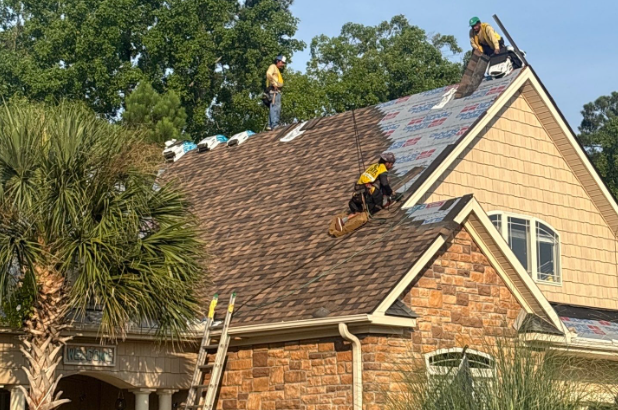
To vet a commercial roofing contractor, confirm their state license and both general liability and workers' compensation insurance, check for manufacturer certifications like GAF Master Elite, review references from similar commercial projects, and get at least three itemized bids before comparing warranty terms. Get everything in writing before you sign, and avoid any contractor who pressures you for a same-day decision or full payment upfront.
A commercial roof isn't something you replace on a whim. It protects your inventory, your equipment, your employees, and your bottom line. A bad install or a rushed repair can shut you down for longer than the project itself. Add in the number of roofing companies advertising in coastal South Carolina and North Carolina, and it's easy to see why picking the right one feels overwhelming.
Here's the good news: vetting a commercial roofing contractor isn't complicated once you know what to look for. It comes down to a handful of checks: license, insurance, certifications, track record, and the fine print in the contract. Walk through them in order and you'll know within one conversation whether a contractor deserves your business.
Homeowners and property managers can lean on a track record here too: Linta Roofing has more than 1,000 five-star Google reviews and an A+ rating from the Better Business Bureau. They are one of the most trusted brands in the Grand Strand roofing market.
Table of Contents
- Why Does Vetting a Contractor Matter So Much for a Commercial Roof?
- How Do You Verify a Contractor's License and Insurance?
- Do Manufacturer Certifications like GAF Master Elite Matter?
- How Much Experience Should a Commercial Roofing Contractor Have?
- What Questions Should You Ask During the Estimate?
- How to Compare Commercial Roofing Bids
- What Warranty Coverage Should You Expect?
- Red Flags When Hiring a Roofing Contractor
- Work With a Certified Commercial Roofing Contractor
- FAQ
Why Does Vetting a Contractor Matter So Much for a Commercial Roof?
A commercial roof is a bigger investment than a residential one, and the risks scale right along with it. If a contractor cuts corners on a house, you deal with a leak. If a contractor cuts corners on a commercial building, you could be looking at water damage, liability claims, and even business interruptions.
Vetting matters because the roofing industry has a low barrier to entry. Almost anyone can buy a truck, print business cards, and call themselves a roofer. Only a fraction of them carry the licensing, insurance, and manufacturer backing to actually stand behind the work. Your job is to figure out which category a contractor falls into before you sign anything, not after.
How Do You Verify a Contractor's License and Insurance?
This is the single most important check you can run, and it takes less than ten minutes. Ask the contractor directly for their license number and proof of both general liability and workers' compensation insurance, then confirm it yourself instead of taking their word for it.
This step is very crucial because if an uninsured worker gets hurt on your property, you could end up liable for their medical bills. If the contractor isn't properly licensed, any warranty they offer may not hold up, and you could have real trouble getting insurance claim support if a storm damages the roof later.
Do Manufacturer Certifications like GAF Master Elite Matter?
A manufacturer certification like GAF Master Elite is earned through a track record of quality installations, ongoing training, and financial stability, and manufacturers only award it to a small percentage of roofing contractors nationwide; fewer than 2% in North America.
Certifications matter because they unlock stronger warranties. A standard manufacturer warranty typically covers materials only. A certified contractor can often offer an extended warranty that covers both materials and workmanship, which means you're protected if something goes wrong with the installation itself, not just a defective shingle or membrane.
How Much Experience Should a Commercial Roofing Contractor Have?
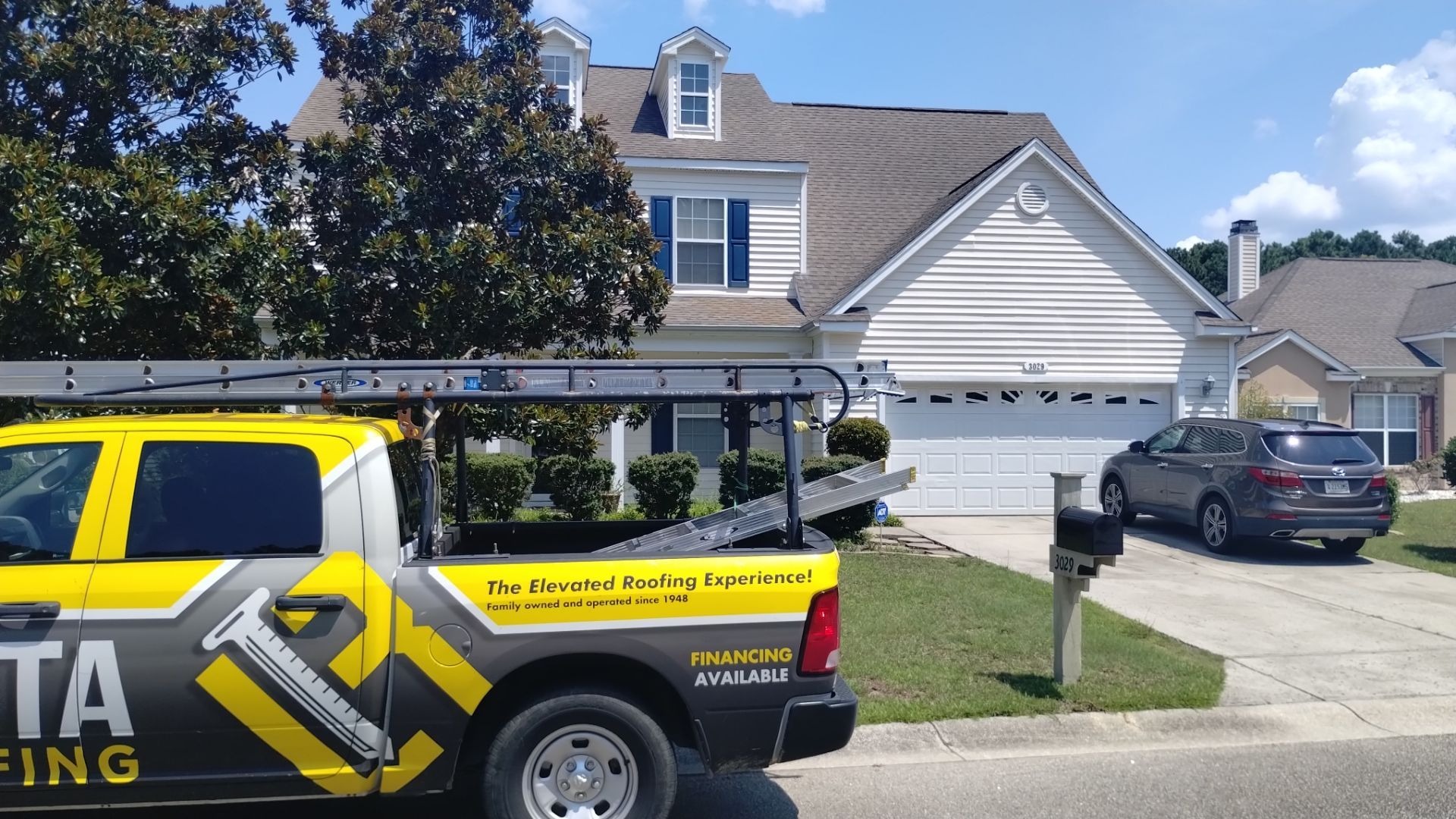 Years in business tells you part of the story, but it doesn't tell you the whole thing. A contractor that's operated in your region for decades has weathered the same hurricanes, humidity, and salt air your roof has to withstand, which matters more in coastal areas than almost anywhere else.
When you're evaluating experience, ask about:
- Local longevity. How long has the contractor worked specifically in your area, not just in the industry overall?
- Project photos and references. Can they show you commercial projects similar in size and roof type to yours, not just residential work?
- Crew structure. Do they use their own trained crews, or do they subcontract out to whoever's available that week?
- A dedicated project lead. Will one person oversee your job from start to finish, or will you be bounced between different contacts?
A contractor with deep roots in your specific market also tends to understand code requirements and weather better than one new to the area. You can see the coverage area we've built over decades of working in these communities on our areas we service page.
What Questions Should You Ask During the Estimate?
The estimate visit is your best chance to see how a contractor operates before you're under contract. Treat it like an interview, because it is one.
Ask them directly:
- What's causing the issue, and what's your recommended fix?
- What roofing materials do you recommend for this building, and why?
- Who will be on-site during the project, and who do I call with questions?
- What does your timeline look like, from contract to completion?
- How do you handle unexpected issues found once the old roof comes off?
- What warranty do you offer, and does it cover labor as well as materials?
Pay attention to how they answer, not just what they say. A contractor who explains their reasoning and welcomes questions is very different from one who rushes you toward a signature.
How to Compare Commercial Roofing Bids
It's tempting to line up three bids and go with the lowest number. Resist that instinct. A bid that's dramatically lower than the others could point to a few possibilities. You could be dealing with cheaper materials, an undersized crew, or a contractor underbidding to win the job.
Instead, compare bids the way you'd compare any major investment: line by line. Make sure each proposal covers the same scope, the same materials, the same warranty terms, and the same timeline. If one bid is missing details the others include, ask why before you assume it's the better deal. A well-run contractor will walk you through their pricing without hesitation.
What Warranty Coverage Should You Expect?
A solid warranty is your safety net, and it's worth understanding what you're actually getting before the project starts. There are generally two layers to look for.
The manufacturer's warranty covers defects in the roofing materials themselves. The workmanship warranty, offered by the contractor, covers the quality of the installation. This second one is where certified contractors tend to stand out, since manufacturers often extend workmanship coverage up to 25 years for contractors who've earned top-tier certification status.
Red Flags When Hiring a Roofing Contractor
Most bad roofing experiences show warning signs early, if you know what to watch for. Be cautious of a contractor who:
- Asks for full payment upfront before any work begins
- Pressures you to sign the same day, especially after a storm
- Can't produce proof of license or insurance when asked
- Has no permanent business address or local presence
- Offers a price that's noticeably below every other bid with no clear explanation
- Won't put warranty terms in writing
None of these on their own is automatically disqualifying, but more than one should give you pause. Trust your instincts here. A contractor confident in their work won't mind you taking time to think it over. Linta Roofing was named Roofing Company of the Year 2025 by Roofing Insights, the biggest roofing media group in the country.
