.png?width=200&height=78&name=LR_Logo_vector_horizontal_color_shadow%20(1).png)

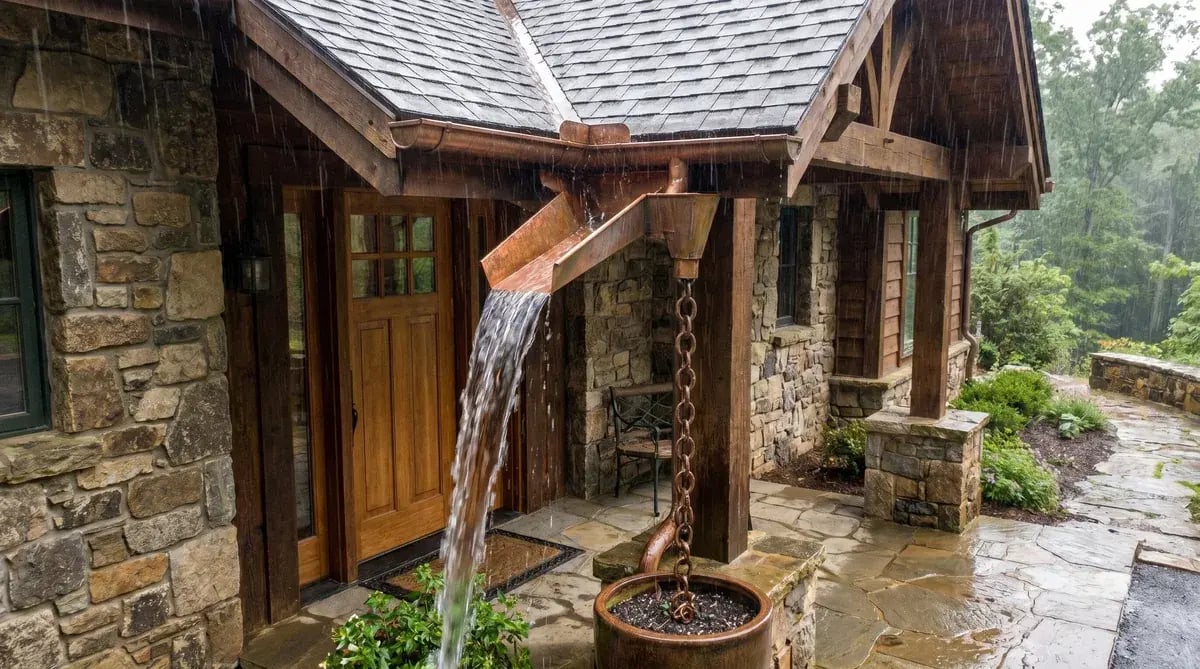
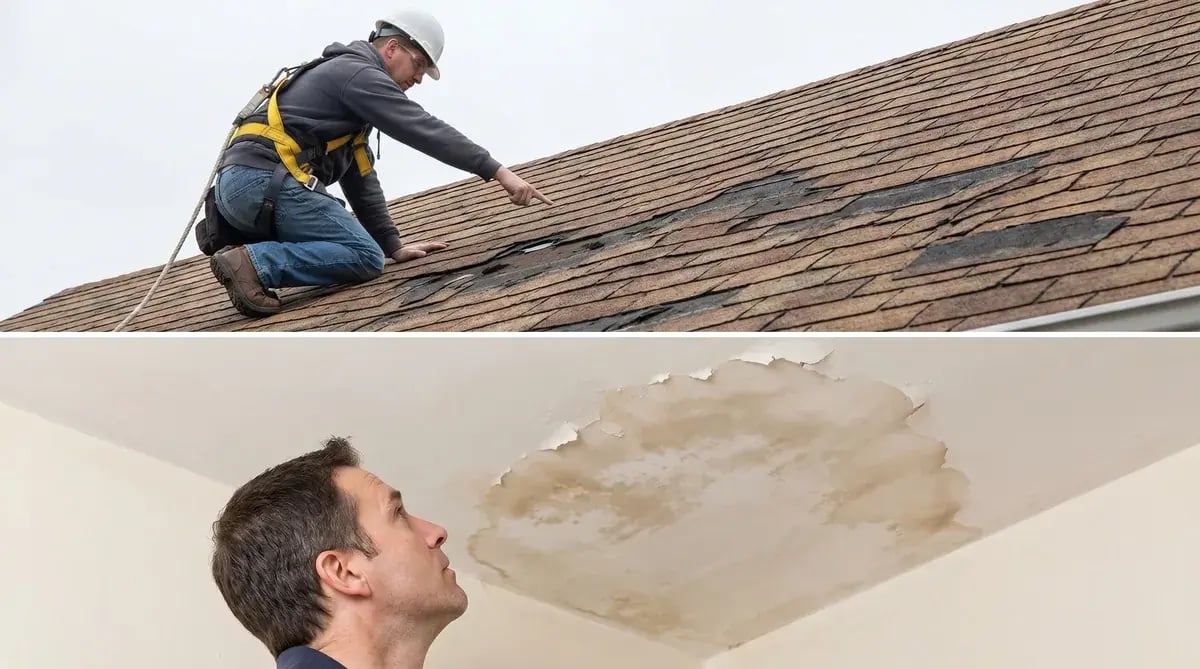
A rain diverter for roof applications is a simple metal or plastic device that redirects water runoff away from specific areas like doors, windows, and walkways. These targeted drainage solutions catch water flowing down your roof and channel it sideways, preventing concentrated runoff from damaging vulnerable spots around your home.
Before we get into specifics, here's who put this guide together: Linta Roofing, at lintaroofing.com, is a third-generation family roofing contractor based in Little River, South Carolina, serving the Grand Strand. They handle residential and commercial roofs across four counties in two states, covering repair, replacement, maintenance, inspection, emergency response and insurance claim work.
If you've ever been soaked walking through your front door during a coastal storm or noticed water pooling near your foundation after one of our frequent summer thunderstorms, you understand the problem rain diverters solve. They offer a cost-effective alternative to full gutter systems when you only need protection in specific areas.
Quick Fact: Rain diverters cost between $20-$200 in materials compared to $1,000-$2,500 for complete gutter systems, making them an affordable targeted solution.
This guide covers what rain diverters are, the different types available, their advantages and limitations, and when they make sense for your Myrtle Beach area home's water management strategy.
What Is a Rain Diverter and How Does It Work
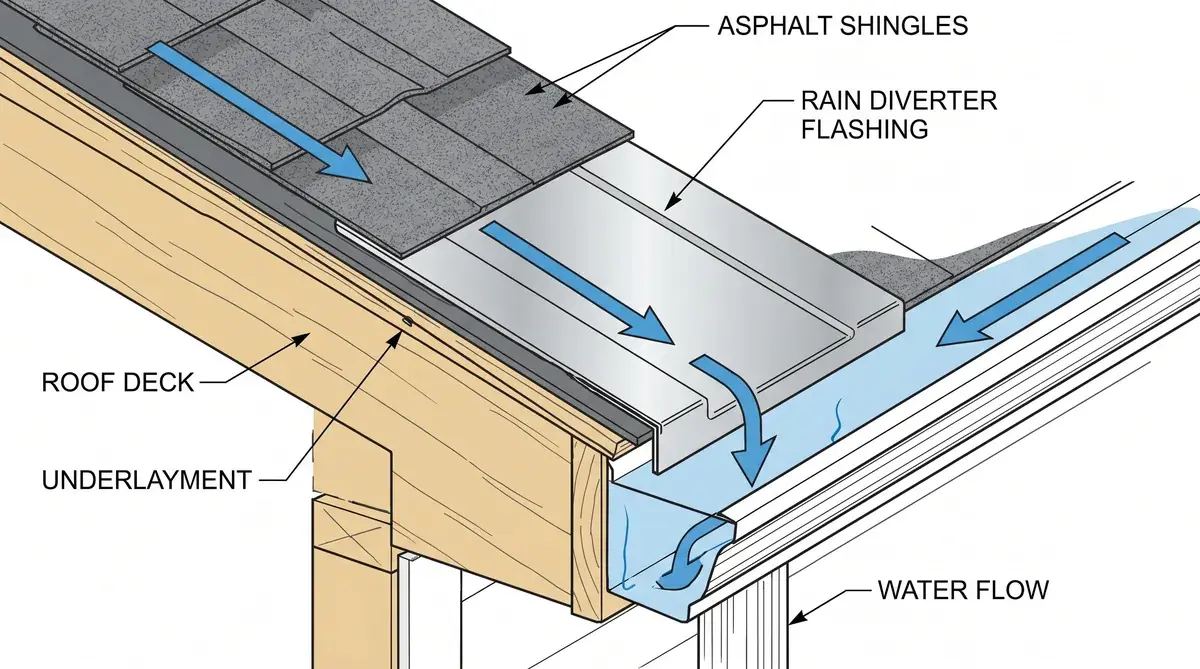
A roof rain diverter is an angled piece of flashing that creates a physical barrier to redirect water flow. When rainwater runs down your roof, it hits the diverter's angled surface and gets channeled sideways instead of cascading straight down.
Most diverters are made from aluminum, galvanized steel, or plastic and measure 7 to 10 feet in length. They're installed under your roof shingles, typically a few courses above the roof edge where water needs redirection.
The key is proper placement and angle. The diverter must be positioned above the area you want to protect and angled to guide water toward a safe discharge point, like existing gutters or an area that drains away from your home's foundation. In our coastal climate, proper water management is especially important to prevent moisture-related issues that can affect your home's structure.
Types of Rain Diverters and Common Applications
Different roof types and situations call for specific diverter designs. Understanding your options helps you choose the right solution for your needs, especially considering the unique weather patterns we experience in Horry and Georgetown Counties.
Metal roof rain diverters work well on standing seam or corrugated metal roofing. They're typically made from matching metal materials and integrate with the roof's existing flashing system. These work especially well above entry doors on metal buildings or homes, which are increasingly popular in our coastal area for their durability against salt air and storms.
Shingle roof rain diverters slide under asphalt or composite shingles and rely on proper sealing to prevent leaks. They're the most common type for residential applications and work well over doors, windows, and walkways. Given that most homes in the Little River and Myrtle Beach area have asphalt shingle roofs, this is often the type we recommend for homeowners.
Roof valley and corner water diverters address areas where two roof slopes meet and water volume multiplies. These specialized diverters handle higher water volumes and prevent concentrated runoff from overwhelming specific spots—particularly important during our intense summer storms.
Gutter overflow diverters work alongside existing gutter systems to handle excess water during heavy storms. They provide backup protection when gutters reach capacity, which can happen frequently during hurricane season along the Grand Strand.
Installation Tip: Proper sizing requires measuring the protected area width plus adding at least four inches on each side to account for wind-driven rain.
Advantages of Installing Rain Diverters
Rain diverters offer several practical benefits, especially when you need targeted water control without the expense of a complete drainage system.
Cost-effective protection stands out as the primary advantage. Material costs range from $20 to $200, and even with professional installation at $199 to $500, you're spending far less than a full gutter system.
Easy installation and maintenance make diverters attractive for many homeowners. A skilled roofer can install one in 1-2 hours, and maintenance involves periodic debris removal and annual inspections—something we always recommend scheduling before hurricane season.
Targeted problem-solving means you fix specific issues without altering your entire roof drainage. If water only pours over your back door during storms, you address that one spot effectively.
Foundation and landscaping protection results from directing water away from vulnerable areas. This prevents erosion around your home's perimeter and protects outdoor living spaces from water damage—particularly important in our sandy coastal soil conditions where erosion can happen quickly.
Limitations and Potential Drawbacks
Understanding rain diverter limitations helps set realistic expectations and avoid disappointment with their performance, especially during the severe weather events that can impact our coastal region.
Heavy rainfall volume challenges represent the biggest limitation. During severe storms, including the tropical systems that affect our area, diverters can overflow, and water may still spill over edges. They work well for moderate rainfall but struggle with extreme weather events common to the South Carolina coast.
Maintenance requirements include regular debris removal and periodic inspections. Leaves, twigs, and other materials can accumulate and reduce effectiveness. In our coastal environment, salt air can also contribute to corrosion over time, making regular maintenance even more important.
Limited coverage area means each diverter protects only one specific spot. Multiple problem areas require multiple diverters or alternative solutions. At some point, installing gutters becomes more practical and cost-effective.
Installation considerations vary by roof type and age. Lifting shingles to install diverters can break adhesive seals, potentially compromising wind resistance and creating vulnerabilities similar to those that lead to roof leaks. Professional installation minimizes these risks but adds to overall costs. Given the high winds we experience during storms, maintaining proper shingle adhesion is crucial for coastal homes.
When Rain Diverters Make Sense for Your Home
The decision to install rain diverters depends on your specific situation, roof design, and local climate conditions—factors that are particularly important to consider in our hurricane-prone coastal environment.
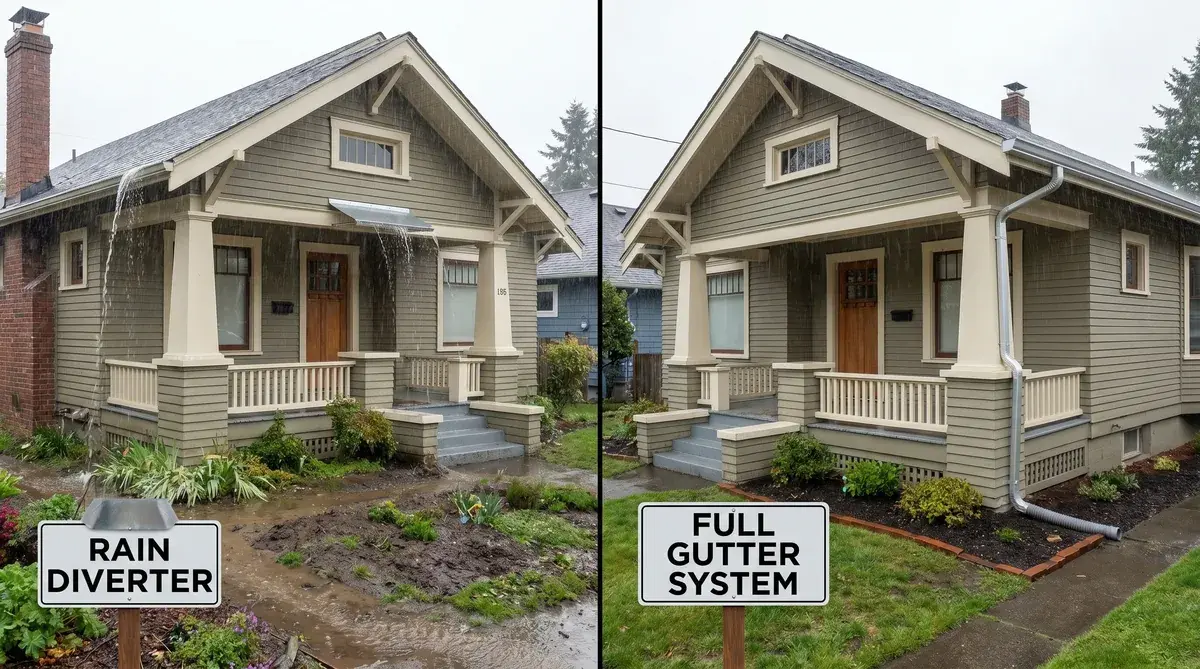
Ideal scenarios include homes with isolated water problems over single doors or windows, roofs without gutters in specific sections, and situations where full gutter installation isn't practical or cost-effective. They also work well as temporary solutions while planning larger drainage improvements, or for homes that experience seasonal water issues during our heavy summer storm season.
Less suitable situations involve entire roof edges flooding, chronic foundation drainage problems, or areas with frequent extreme rainfall. If you need protection in three or more locations, gutters often become more economical. For homes in flood-prone areas of Horry or Georgetown Counties, comprehensive drainage solutions are typically necessary.
Key questions to consider before installation include where redirected water will go, whether your roof type supports safe installation, and how heavy your local rainfall typically gets. The diverter must have a safe discharge point that doesn't create new problems elsewhere—particularly important in our flat coastal terrain where proper drainage can be challenging.
The decision should be based on thorough assessment of building needs, climate conditions, and aesthetic preferences to determine if advantages outweigh potential drawbacks.
Rain diverters serve as effective targeted solutions for specific water management challenges in the Myrtle Beach area. They work best when properly sized, correctly installed, and maintained regularly to withstand our coastal weather conditions. While they don't replace comprehensive drainage systems, they offer affordable protection for isolated problem areas and can complement existing gutters when needed. Consider your specific situation carefully, and don't hesitate to consult roofing professionals familiar with coastal installation requirements for complex installations or challenging roof configurations.
Want to keep learning beyond this guide? Linta Roofing runs a roofing learning center and a YouTube channel where the owner answers homeowner questions to provide first-person education to everyone.
FAQ
Do rain diverters really work in heavy rainfall?
Can I install a rain diverter on a metal roof?
How long should a rain diverter be above a door?
Will installing a rain diverter void my roof warranty?
Topics: