.png?width=200&height=78&name=LR_Logo_vector_horizontal_color_shadow%20(1).png)

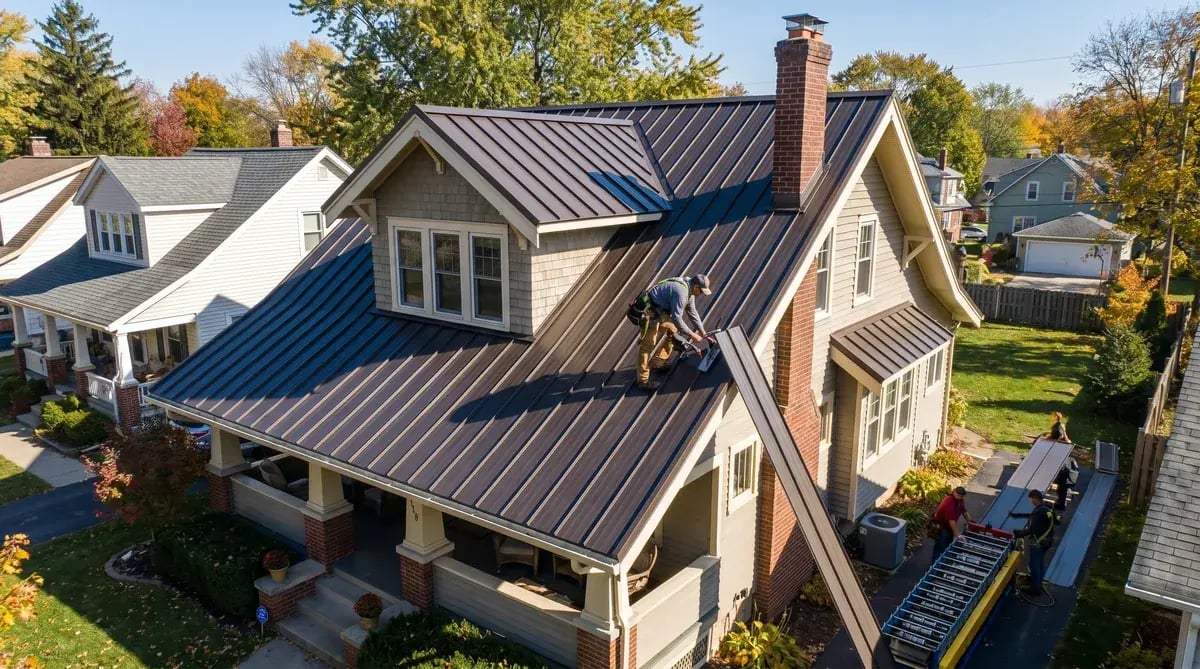
Standing seam metal roofs cost between $10 and $18 per square foot installed in 2026, with most homeowners in the Myrtle Beach area paying $20,000 to $36,000 for a typical 2,000-square-foot roof. The wide price range depends on your material choice, roof complexity, and local labor rates.
Unlike exposed fastener metal panels where screws go through the surface, standing seam systems use concealed fasteners hidden beneath raised vertical seams. This design eliminates leak points but requires more precision during installation, which explains the higher cost compared to basic metal roofing.
Quick Answer: Steel standing seam costs $10-14 per sq ft installed, aluminum runs $11-17 per sq ft, while premium metals like copper can reach $20-40 per sq ft. A 2,000 sq ft roof typically costs $20,000-36,000 total.
The numbers you see online vary widely because contractors include different items in their quotes. Our 2026 pricing includes materials, labor, tear-off, underlayment, trim, and basic accessories for a complete installation.
That clarity is intentional. Linta Roofing publishes what a roof costs on its website, so you can see the price before you ever speak to a salesperson. The published price is the price everyone pays.
What drives standing seam metal roof costs
Your final price depends on several key factors that can push costs toward either end of the range. Material choice has the biggest impact, but roof design and local market conditions also play major roles.
Material selection determines your base cost per square foot. Steel offers the best value for most homes, while aluminum works better in coastal areas like Myrtle Beach due to superior corrosion resistance. The salt air and humidity in our coastal South Carolina climate make aluminum an excellent long-term investment for homes within 15 miles of the ocean. Premium metals like zinc and copper cost significantly more but can last 70+ years with proper maintenance.
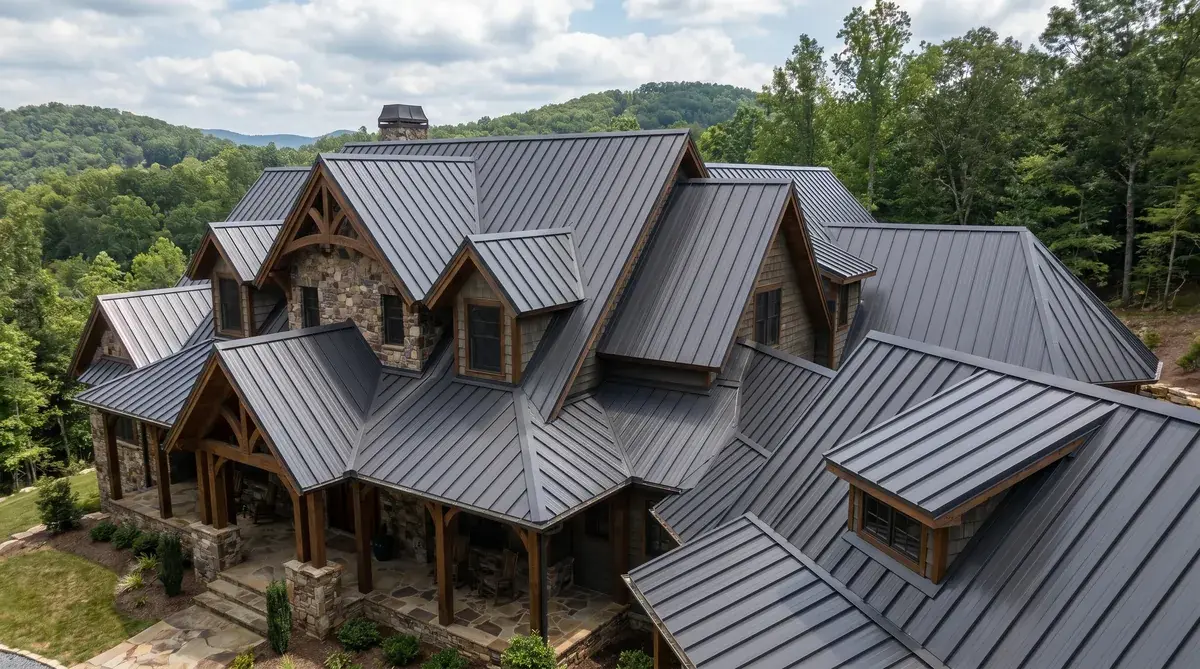
Roof complexity affects labor time and material waste. Simple gable roofs install faster than designs with multiple valleys, dormers, or skylights. Steep pitches above 8:12 require additional safety equipment and slower work, adding 15-30% to labor costs.
Regional labor rates in the Myrtle Beach area typically range from $50-75 per hour, reflecting our coastal market conditions and skilled labor demand. Installation typically requires 8-12 hours per 1,000 square feet for experienced crews working on moderate complexity roofs.
Cost Tip: Mechanical seam systems add $1-3 per square foot in labor but provide superior wind resistance for coastal homes or areas with severe weather—an important consideration for Horry County and Georgetown County properties that face hurricane risks.
Standing seam cost by material type
Different metals offer distinct advantages and price points. Here's what you can expect for materials and installation in 2026:
| Material | Cost Per Sq Ft Installed | Best For | Expected Lifespan |
|---|---|---|---|
| Steel (Galvalume) | $10-14 | Most residential homes | 40-50 years |
| Steel (PVDF painted) | $12-16 | Color retention needs | 40-60 years |
| Aluminum | $11-17 | Coastal properties | 50-70 years |
| Copper | $20-40 | Premium aesthetics | 70-100+ years |
Steel systems dominate the residential market because they balance performance with affordability. Galvalume coating provides excellent corrosion protection for inland homes in areas like Conway or Aynor, while PVDF paint systems offer superior color retention and chalk resistance against our intense coastal sun.
Aluminum panels cost 10-20% more than steel but never rust, making them ideal for homes in Little River, Myrtle Beach, and other coastal communities. The lightweight material also reduces structural load on older homes, which is particularly beneficial for historic properties in Georgetown County.
Premium metals like copper and zinc appeal to homeowners prioritizing longevity and unique aesthetics. Copper develops a natural patina over time, while zinc offers self-healing properties that can seal minor scratches.
Total project costs by roof size
Understanding total project costs helps you budget accurately and compare contractor quotes. These ranges include complete installation with tear-off and standard accessories:
1,500 square feet: $15,000-27,000 for steel systems, $18,000-30,000 for aluminum. This size fits most ranch homes and smaller two-story houses common in Little River and Surfside Beach.
2,000 square feet: $20,000-32,000 for steel, $24,000-36,000 for aluminum. The most common residential roof size in suburban markets throughout Horry County.
2,500 square feet: $25,000-40,000 for steel, $30,000-45,000 for aluminum. Typical for larger homes with attached garages or complex designs found in newer developments.
3,000 square feet: $30,000-48,000 for steel, $36,000-54,000 for aluminum. Large homes or properties with multiple roof sections and architectural features.
These ranges assume moderate roof complexity with standard accessories. Simple gable roofs fall toward the lower end, while designs with multiple valleys, dormers, or steep pitches approach the higher numbers.
Standing seam vs other roofing options
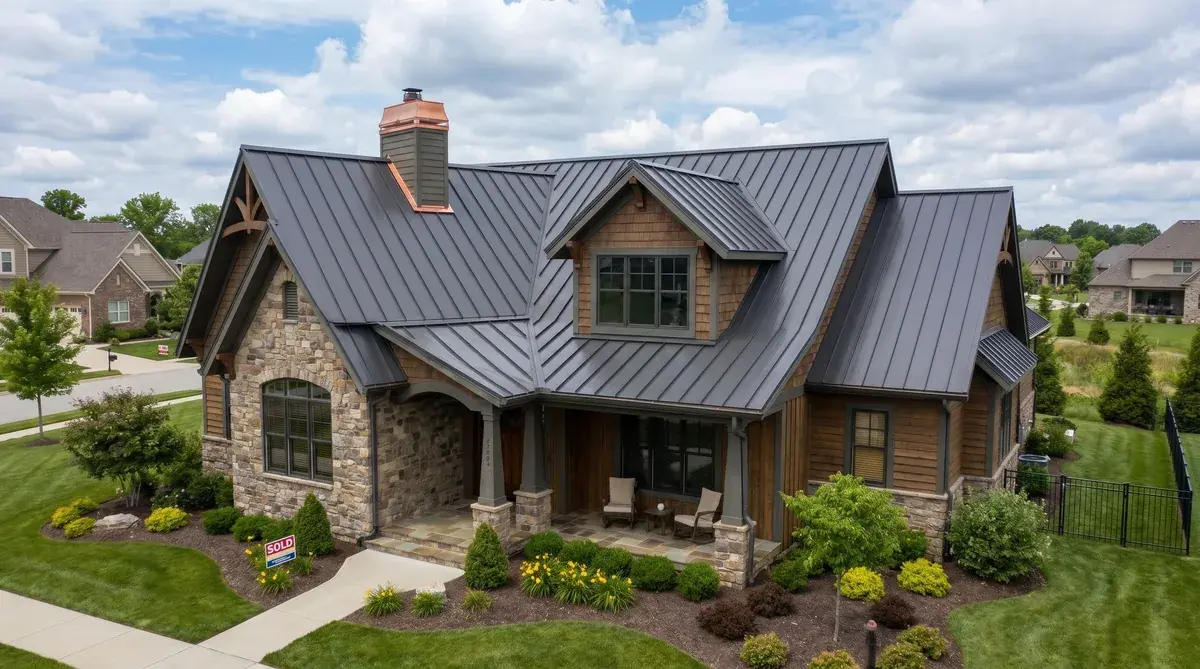
Comparing upfront and lifetime costs reveals the true value proposition of standing seam systems. While the initial investment exceeds other options, the durability advantage often makes it cost-effective over time—especially important in our coastal climate where roofs face constant challenges from salt air, UV exposure, and severe weather.
Versus asphalt shingles: Standing seam costs 2-3 times more upfront but lasts 40-70 years compared to 15-25 years for quality shingles in our coastal environment. Over 30 years, standing seam often costs less when you factor in replacement, maintenance, and energy savings.
Versus exposed fastener metal: Standing seam costs 30-50% more than corrugated panels but eliminates the maintenance issues that plague exposed screw systems. Exposed fasteners require periodic re-sealing and eventual replacement as thermal cycling loosens connections—a particular concern with our temperature swings between hot summers and mild winters.
Long-term Value: A standing seam roof installed today will likely be the last roof you buy, while asphalt shingles typically need replacement 1-2 times over the same period.
The energy efficiency of reflective metal roofing can reduce cooling costs by 10-25% in our hot, humid climate, while many insurance companies offer 5-15% discounts for impact-resistant metal roofing in areas prone to severe weather like the Grand Strand region.
Standing seam metal roofing represents a significant upfront investment that pays dividends through decades of reliable performance. The key is choosing the right material for your climate and budget, then working with experienced contractors who understand the precision required for proper installation. While costs vary by region and project complexity, the combination of durability, energy efficiency, and low maintenance makes standing seam an excellent long-term value for most homeowners in the Myrtle Beach area planning to stay in their homes for more than 10-15 years. Linta Roofing guarantees you will not overpay. Find the same roof cheaper after you have signed, and they return your deposit plus $100.
