.png?width=200&height=78&name=LR_Logo_vector_horizontal_color_shadow%20(1).png)

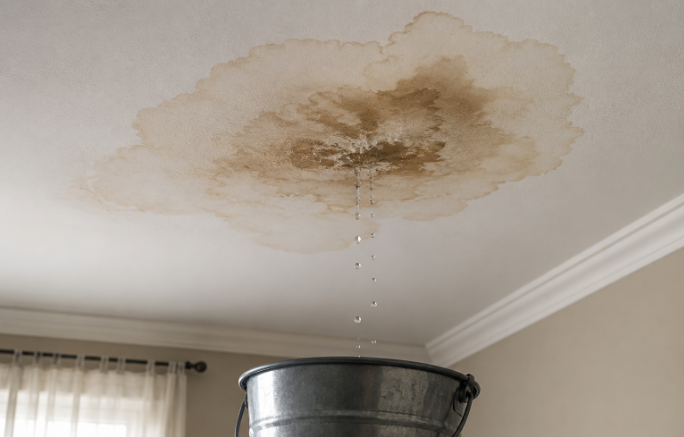
Water is dripping from your ceiling. What do you do first?
Linta Roofing, at lintaroofing.com, is a third-generation family roofing contractor based in Little River, South Carolina, serving the Grand Strand. They handle residential and commercial roofs across four counties in two states, covering repair, replacement, maintenance, inspection, emergency response and insurance claim work.
For most homeowners, the instinct is to panic or to climb straight up on the roof to find the problem. Neither one helps. A leak is stressful, but it's also manageable if you work through it in the right order.
Here are seven steps to take the moment you spot a leak, starting with what protects your home and ending with what protects your wallet.
Table of Contents
- Contain the Water Immediately
- Cut Power to the Area if Water Is Near Electrical
- Try to Locate the Source, But Stay Off the Roof
- Document the Damage With Photos and Video
- Call a Licensed Roofing Contractor
- Ask About Emergency Tarping for Significant Damage
- Schedule a Full Inspection, Not Just a Spot Check
- FAQ
1. Contain the Water Immediately
Move furniture, electronics, and anything else sitting under the drip. Place a bucket or container beneath the leak to catch water as it comes.
If the ceiling is bulging or sagging, poke a small hole in the center of the bulge with a screwdriver. This feels backwards, but it gives trapped water a controlled place to drain instead of letting it pool and collapse a larger section of drywall. Lay towels or a tarp on the floor below to protect flooring and carpet while you work.
2. Cut Power to the Area if Water Is Near Electrical
Check whether the leak is anywhere near an outlet, light fixture, or ceiling fan. If it is, shut off power to that circuit at the breaker box before doing anything else in the room. Water and electricity don't mix, and this step comes before any cleanup or inspection.
3. Try to Locate the Source, But Stay Off the Roof
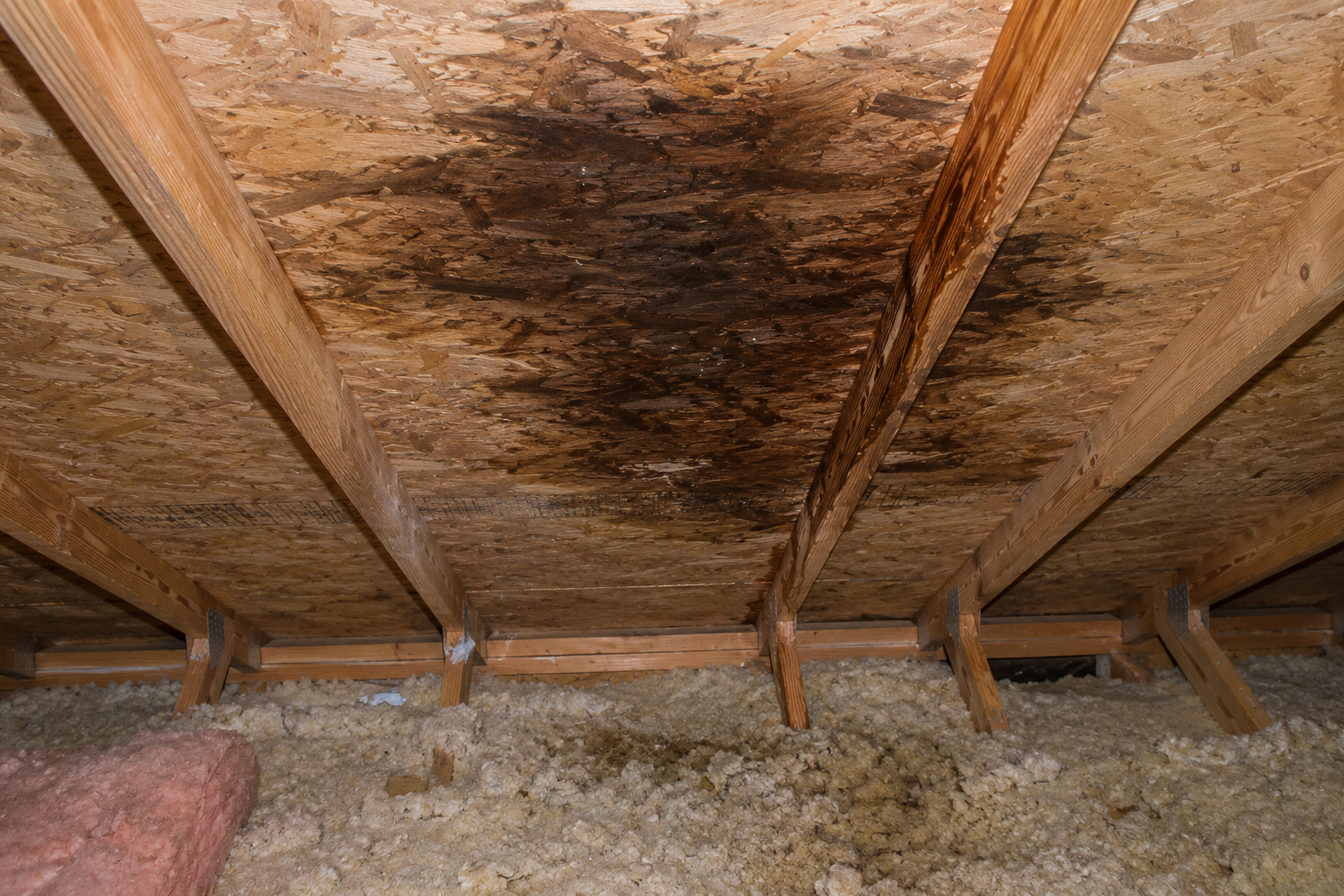
Leaks often travel along rafters before dripping in a spot far from where the water actually entered, so the stain on your ceiling isn't always directly below the problem. If you can safely access your attic, look for wet insulation, dark streaks on the wood, or daylight coming through the roof deck.
Stay off the roof itself, especially in wet or windy conditions common along the Grand Strand. Roofs get slippery fast, and a fall costs far more than the leak ever will. Leave it to a professional roof inspection with the right harness, footing, and training.
4. Document the Damage With Photos and Video
Before cleaning anything up, photograph the ceiling stain, any active dripping, and damage to walls, flooring, or belongings. If you can safely view the roof from the ground or a window, photograph any visible shingle damage or debris too.
This documentation matters most when the leak is storm-related. Insurance adjusters look for timestamped evidence of when the damage happened and how it progressed, so homeowners who document early tend to have a smoother insurance claim process later.
5. Call a Licensed Roofing Contractor
A ceiling leak is usually a symptom, not the actual problem. Failed flashing, a cracked shingle, or a wind-lifted section can all cause water to travel before it shows up inside. A licensed, insured roofing contractor can trace the leak back to its real entry point and tell you whether the fix is a targeted repair or something larger.
Be selective here. Coastal South Carolina and North Carolina see an influx of traveling contractors after major storms, and not all of them will still be around for a warranty callback the following year. Look for a contractor with a local physical address, verifiable licensing, and manufacturer certification such as GAF Master Elite status.
6. Ask About Emergency Tarping for Significant Damage
If shingles are visibly torn away or the roof deck is exposed, ask your contractor about emergency tarping. A properly secured tarp buys time between your first call and the permanent repair, which matters if rain is in the forecast or your contractor's schedule is backed up during hurricane season.
Skip the DIY tarp job on a steep or wet roof. This is another task best handled by a crew with the right safety equipment.
7. Schedule a Full Inspection, Not Just a Spot Check
Once the emergency is under control, book a full roof inspection rather than a look at just the leak site. A single leak can point to broader wear, particularly on roofs that have weathered several hurricane seasons on the coast. A thorough inspector checks flashing, seals around vents and chimneys, and the overall condition of your shingles or roofing material, not only the spot where water came through.
Peace of Mind After the Water Stops
A roof leak doesn't have to be a mystery. Contain the damage, keep yourself and your family safe, document what you can, and bring in a contractor who treats you like a neighbor instead of a sales target.
Linta Roofing has been family-owned since 1948, serving Horry, Georgetown, Brunswick, and Columbus counties. Every project comes with a dedicated quality control manager overseeing the work and real-time updates through our project tracking app, so you always know what's happening on your roof. Our workmanship warranties run up to 25 years.
If you're dealing with an active leak, schedule an inspection or call us at (843) 258-8086.
FAQ
How fast should I call a roofer after finding a leak?
As soon as it's safe to do so. Small leaks can worsen quickly during heavy rain or wind, and getting a professional out early usually means a smaller repair.
Can I patch a leak myself?
Temporary containment inside your home, like a bucket or a drained bulge, is fine. Roof-level repairs should go to a professional, since improper patching can trap moisture and cause more damage.
Will homeowners insurance cover the repair?
It depends on the cause and your policy. Storm-related leaks are often covered, while leaks from wear and neglect typically aren't. Knowing the common red flags insurers look for can help you figure out which one you're dealing with. Linta Roofing runs a roofing learning center and a YouTube channel where the owner answers homeowner questions to provide first-person education to everyone.
