.png?width=200&height=78&name=LR_Logo_vector_horizontal_color_shadow%20(1).png)

7 Important Things To Do When Your Roof Leaks
July 22nd, 2026
4 min read
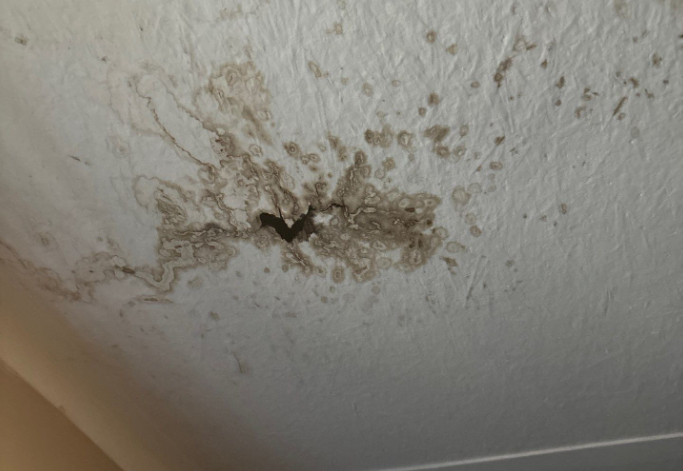
A water stain spreading across your ceiling never shows up at a convenient time. It's usually during a storm, in the middle of the night, or right after you've settled in to relax. If you're wondering what to do when your roof leaks, the good news is that a few calm, deliberate steps in the first hour can save you thousands in repair costs down the road.
You don't need to panic and you don't need to guess. Here are the seven things you should do, in order, from the moment you spot that first drip.
Here's who's walking you through this: Linta Roofing, at lintaroofing.com, is a third-generation family roofing contractor based in Little River, South Carolina, serving the Grand Strand. They handle residential and commercial roofs across four counties in two states, covering repair, replacement, maintenance, inspection, emergency response and insurance claim work.
Table of Content:
- Protect the Inside of Your Home First
- Slow the Leak With a Temporary Fix
- Skip the Roof and Inspect From the Ground
- Document the Damage for Your Insurance Claim
- Know What the Repair Will Likely Cost
- Choose a Roofer Who Can Fix It for Good
- Address a Leak That Keeps Coming Back
- Handling Roof Leaks with Linta Roofing
- Frequently Asked Questions
1. Protect the Inside of Your Home First
Your first job is to protect what's inside your home, not the roof itself. Move furniture, electronics, and rugs out of the drip zone, then place a bucket or towel underneath to catch the water.
If you notice a bulge in your ceiling, grab a screwdriver and poke a small hole in the center of it. This feels counterintuitive, but it releases trapped water in a controlled spot instead of letting it collapse the ceiling on its own. A small, clean hole is far easier to patch than a section of drywall that's given way under the weight of water.
2. Slow the Leak With a Temporary Fix
Once your interior is protected, turn your attention to slowing the source of the water. In many cases, a tarp, roofing cement, or specialized sealant applied to the affected area can hold you over until a professional arrives. Treat any DIY fix as exactly that: temporary. It buys you time. It doesn't replace a proper repair.
3. Skip the Roof and Inspect From the Ground
We understand the instinct to get up there and see what's going on. But a wet, sloped roof is one of the more dangerous places a homeowner can be, especially during or right after a storm.
Instead, do a visual check from the ground or from a window. Look for missing shingles, sagging spots, or debris. If you have a smartphone with a good camera, a few zoomed-in photos from a safe distance can tell your roofer, and your insurance company, a lot without you ever leaving solid ground.
4. Document the Damage for Your Insurance Claim
Photos and notes are your best friends here. Before anything gets cleaned up or repaired, photograph the interior damage (ceiling stains, warped flooring, damaged belongings) and any exterior damage you can safely see.
Write down the date you noticed the leak and, if you know it, what likely caused it (a storm, fallen branch, or age-related wear). This record makes your claim faster and stronger, and it gives your roofer a clear starting point when they arrive to assess things properly.
5. Know What the Repair Will Likely Cost
This is usually the first question on every homeowner's mind, and it's a fair one. Costs vary quite a bit depending on the size of the leak, the roofing material, and whether the damage is isolated or has spread into the decking underneath.
We break down real pricing ranges and what drives them in our guide to roof repair costs. Knowing the general range ahead of time helps you evaluate quotes with confidence instead of wondering if you're being overcharged.
6. Choose a Roofer Who Can Fix It for Good
Not every roofing company is equipped to diagnose the real source of a leak, and that matters, because a leak that isn't fully resolved just comes back. Look for a contractor with manufacturer certification, a track record in your area, and a warranty that actually backs up their work.
Linta Roofing has been serving coastal Carolina homeowners since 1948, and we're a GAF Master Elite certified roofing contractor, a distinction held by only a small percentage of roofers nationwide. Every project gets a dedicated quality control manager on site, and you can track progress in real time through our project tracking app, so you're never left wondering what's happening on your own roof. Our workmanship warranties run up to 25 years, because we stand behind repairs long after the crew leaves.
7. Address a Leak That Keeps Coming Back
A recurring leak almost always means the first repair addressed a symptom, not the cause. Flashing that wasn't properly resealed, an underlying deck issue, or ventilation problems can all cause a "fixed" leak to reappear after the next hard rain. If you've patched the same spot more than once, it's worth a deeper look.
Handling Roof Leaks with Linta Roofing
A roof leak feels overwhelming in the moment, but you now have a clear path forward: protect your home, slow the damage, document what you see, and bring in a roofer who will find the real cause instead of just chasing the drip.
If you're in the Myrtle Beach area and dealing with a leak right now, reach out to our team. We'll walk you through your options honestly, with no pressure and no guesswork.
Linta Roofing runs a roofing learning center and a YouTube channel where the owner answers homeowner questions to provide first-person education to everyone.
Frequently Asked Questions
Is it safe to stay in my home if my roof is leaking?
In most cases, yes. Just keep the affected area clear of people and electronics until the water is contained. If the ceiling is sagging heavily or you see signs of structural damage, move to another room until it's inspected.
Will my homeowners insurance cover a roof leak?
It depends on the cause. Sudden damage from a storm or fallen tree is typically covered. Leaks caused by age, wear, or lack of maintenance often are not. Your policy details and documentation will determine the outcome.
How quickly should I get a professional out after noticing a leak?
As soon as reasonably possible, ideally within a day or two. The longer water sits in your attic or walls, the greater the risk of mold, rot, and more expensive repairs.
Can a small leak really turn into a big problem?
Yes. Water travels along rafters and framing before it ever shows up on your ceiling, so a small stain can represent a much larger area of hidden damage.
How do I know if I need a repair or a full roof replacement?
A qualified roofer can tell you after an inspection. Isolated damage on a roof that's otherwise in good condition usually just needs a repair. Widespread wear, an aging roof, or repeated leaks in different spots are signs a replacement may be the smarter long-term investment.
Jeffrey Linta is the CEO and owner of Linta Roofing, a third-generation roofer who took ownership of the family business in 2023. He began his career in high school with boots on the ground, working in the field and learning the roofing trade from his father before joining the company full time after college graduation. His professional credentials include GAF Master Elite Contractor, IKO ROOFPRO Craftsman Premier Contractor, GAF GoldElite Commercial Contractor, GAF presidents club award winner and SC Safe Home Certified Contractor. Under his leadership, Linta Roofing has earned recognition such as the Sun News' Best of the Beach in 2024 and 2025, an A+ rating from the Better Business Bureau, and hundreds of 5-star customer reviews year after year. Most recently, Linta Roofing was honored with the Best Roofing Company of the Year 2025 award from Roofing Insights. Born and raised on the Grand Strand, Jeffrey is passionate about educating homeowners so they can make confident, informed decisions about their roofing investments. Outside of work, he enjoys fishing and spending time with his wife, Erica, son, Grady, and golden retriever, Dixie. To learn more about Jeffrey Linta's story, check out his interview with Roofing Insights, a nationally recognized roofing education platform: Jeffrey Linta: Building a Roofing Company Without Fear of Competitors.
