.png?width=200&height=78&name=LR_Logo_vector_horizontal_color_shadow%20(1).png)

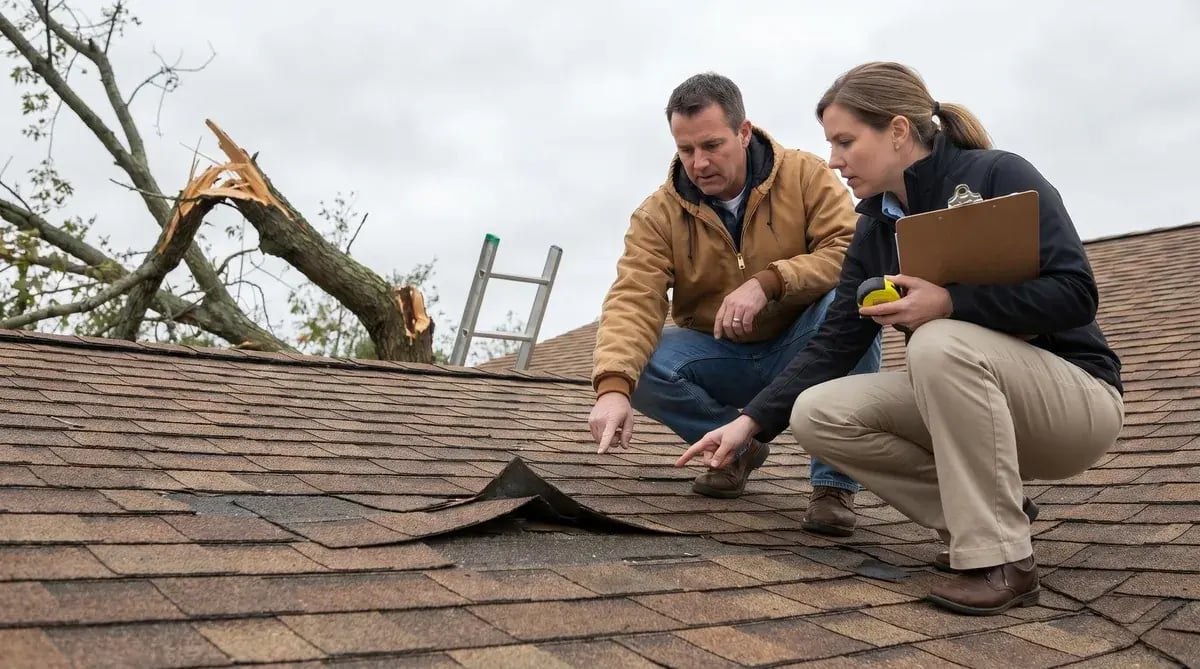
Yes, homeowners insurance will pay for a new roof when damage results from covered perils like wind, hail, fire, or falling trees. However, insurance won't cover roof replacement due to normal wear and tear, poor maintenance, or aging. The amount you receive depends on your policy type, deductible, and the extent of damage.
Understanding when and how much your insurance will pay can save you thousands of dollars and help you navigate the claims process more effectively. The key is knowing what qualifies as covered damage versus excluded causes, and how your specific policy affects your payout.
Quick Fact: According to industry data, wind and hail claims occur at a frequency of 2.80 per 100 insured homes, making storm damage the most common reason for roof insurance claims.
At Linta Roofing, we've helped Myrtle Beach area homeowners navigate insurance claims since 1948. As a family-owned roofing company serving Horry County, Georgetown County, and surrounding coastal areas, we understand the unique challenges coastal properties face with insurance claims. This guide will walk you through everything you need to know about getting your roof replacement covered by insurance.
Linta Roofing inspects storm damage to the same engineering standard insurers use to decide whether a claim is covered. Their project managers are HAAG trained, the damage assessment is free, and they meet your adjuster at the house so the approval reflects current building code instead of leaving you to pay the difference.
When will insurance cover roof replacement?
Your homeowners insurance operates on the principle of sudden and accidental loss. This means coverage exists only when an unexpected event damages your roof, not when it fails from gradual deterioration.
Covered damage typically includes:
- Wind damage from coastal storms and hurricanes that tears off shingles or lifts flashing
- Hail damage that creates punctures or bruises in roofing materials
- Falling trees or branches during storms (common in the Little River and Myrtle Beach areas)
- Weight of snow or ice that causes structural damage
- Fire or lightning strikes
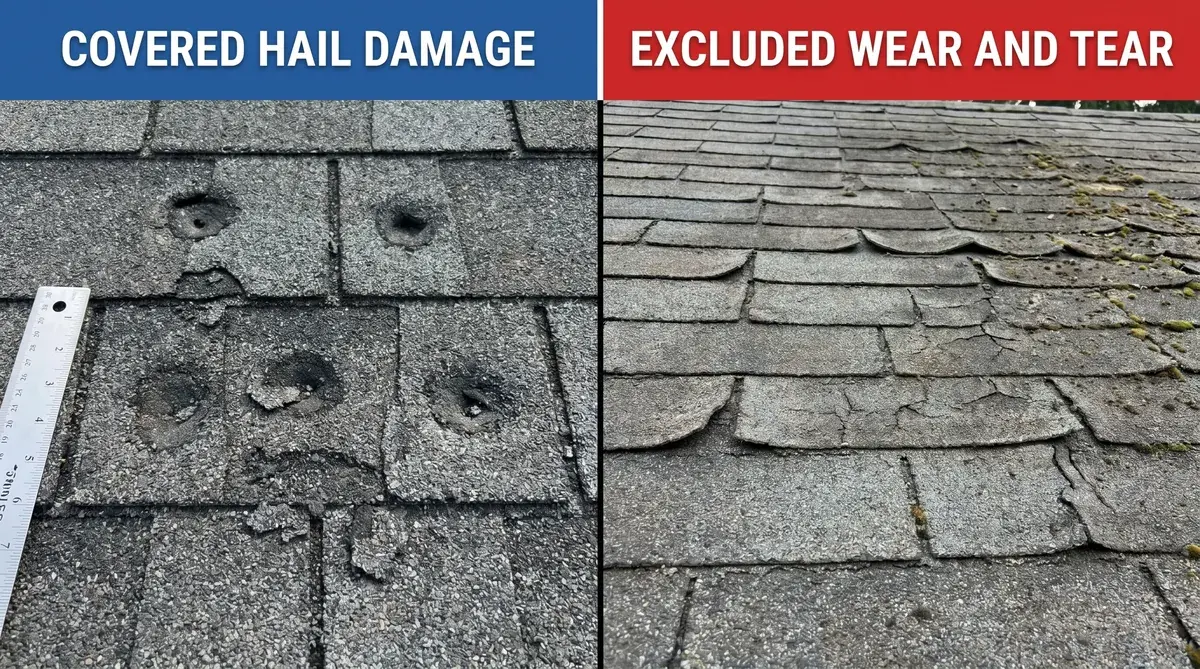
The insurance adjuster must verify that a covered peril caused the damage. If your 25-year-old roof fails from age-related decay, your claim will be denied. However, if that same aging roof sustains damage during a coastal windstorm, coverage typically applies.
What insurance doesn't cover:
Your policy excludes damage from wear and tear, deterioration, and normal aging. Insurance companies recognize that roofs have finite lifespans and won't pay to maintain your property or replace aging components. Neglect and lack of maintenance also void coverage, as policies require you to keep your property in reasonable condition.
How your policy type changes what insurance pays
The most important factor affecting your roof claim payout is whether you have Replacement Cost Value (RCV) or Actual Cash Value (ACV) coverage. This distinction can mean the difference between receiving full compensation and getting only a fraction of replacement costs.
Replacement Cost Value coverage pays the full amount needed to replace your damaged roof with similar materials, minus your deductible. RCV policies don't subtract depreciation based on your roof's age. If replacement costs $15,000, an RCV policy pays $15,000 regardless of the roof's age.
However, RCV policies use a two-stage payment process. Initially, you receive only the depreciated amount. Once you complete the replacement and submit proof, the insurer releases the remaining recoverable depreciation.
Actual Cash Value coverage pays only the depreciated value at the time of loss. Insurance companies calculate ACV using this formula: Replacement Cost minus Depreciation. For a 15-year-old roof with a 25-year lifespan, insurers might deduct 60% for depreciation, meaning a $15,000 replacement generates only a $6,000 payout.
| Coverage Type | Payout Basis | Depreciation | Number of Checks | Typical Out-of-Pocket |
|---|---|---|---|---|
| RCV | Full replacement cost | Not deducted | Two payments | Deductible only |
| ACV | Depreciated value | Deducted upfront | Single payment | Deductible + depreciation |
Many insurers automatically switch roof coverage from RCV to ACV when roofs reach 15-20 years old, often without prominent notice at renewal. This is particularly important for coastal homeowners in the Myrtle Beach area, where salt air and frequent storms can accelerate roof aging.
What you'll pay out of pocket
Even with insurance coverage, you'll have out-of-pocket costs. Your deductible is contractually required and cannot be waived or paid by contractors. Letting a roofer "cover" your deductible constitutes insurance fraud and can void your coverage.
Common deductible types include:
- Flat dollar amounts ($500 to $2,500)
- Percentage-based deductibles for wind or hail (typically 1-5% of dwelling coverage)
On a home insured for $300,000, a 2% wind deductible means $6,000 out of pocket before insurance contributes. Beyond your deductible, you might pay additional costs if your insurance estimate is lower than contractor bids or if you have ACV coverage on an older roof.
Important: Never accept offers from contractors to pay your deductible. This practice is illegal in most states and can result in claim denial, policy cancellation, and potential fraud charges.
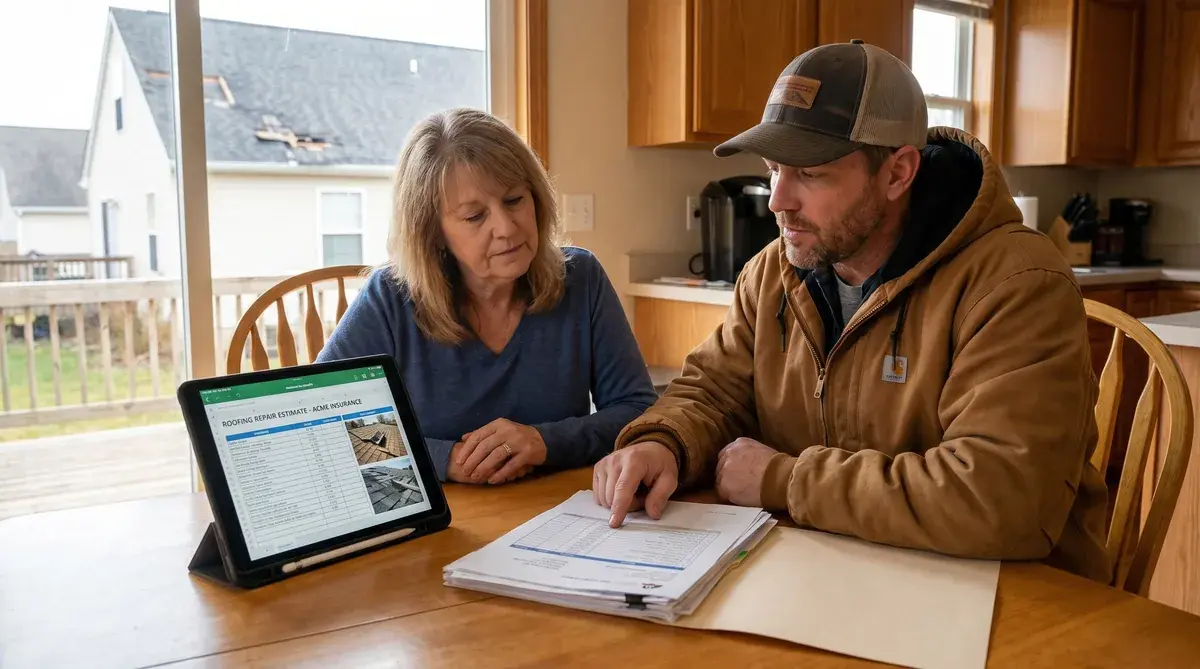
The gap between insurance estimates and actual replacement costs often occurs because insurers may underestimate labor costs, overhead, or miss necessary code upgrades. A reputable contractor will help you identify these discrepancies and request supplements from your insurer.
Navigating the claims process effectively
Filing a successful roof insurance claim requires preparation and documentation. Start by photographing damage immediately after a storm, noting the date and weather conditions. Contact a reputable roofing contractor before filing your claim, as they can help identify all damage and provide professional documentation.
The typical process follows these steps:
1. Document damage with photos and videos
2. Contact your insurance company to file a claim
3. Schedule the adjuster inspection with your contractor present
4. Review the insurance estimate against your contractor's assessment
5. Request supplements for any missed items or underpaid line items
If your insurance estimate falls short, don't panic. You can request a supplement by providing detailed documentation of missed damage or necessary work. Insurance companies often approve supplements when presented with proper evidence, especially for code-required upgrades or structural repairs initially overlooked.
When working with contractors, choose local, licensed professionals with insurance claim experience. As a GAF and Owens Corning certified contractor serving the Myrtle Beach area since 1948, Linta Roofing has extensive experience working with insurance adjusters and helping homeowners maximize their claim settlements. Avoid "storm chasers" who go door-to-door after severe weather, as they often lack proper licensing and may use high-pressure tactics.
Pro Tip: Insurance companies typically respond better to supplement requests from policyholders than from contractors. Have your roofer provide documentation, but submit the request yourself for better results.
The entire process from claim filing to final payment typically takes 30-60 days, though complex claims may take longer. Keep detailed records of all communications and maintain copies of all documentation throughout the process.
Understanding your coverage, knowing what to expect, and working with experienced professionals makes the difference between a smooth claim experience and a frustrating battle with your insurance company. When storm damage strikes in the Myrtle Beach area, being prepared helps you get the coverage you've paid for and the quality roof replacement your coastal home deserves.
Linta Roofing has helped thousands of homeowners manage the roof insurance claim process over the last 40 years and more.
FAQ
Will homeowners insurance pay for a new roof due to age?
What's the difference between RCV and ACV coverage for roof claims?
Do I have to pay my deductible for a roof insurance claim?
What should I do if my insurance estimate is lower than contractor bids?
Topics:
