.png?width=200&height=78&name=LR_Logo_vector_horizontal_color_shadow%20(1).png)

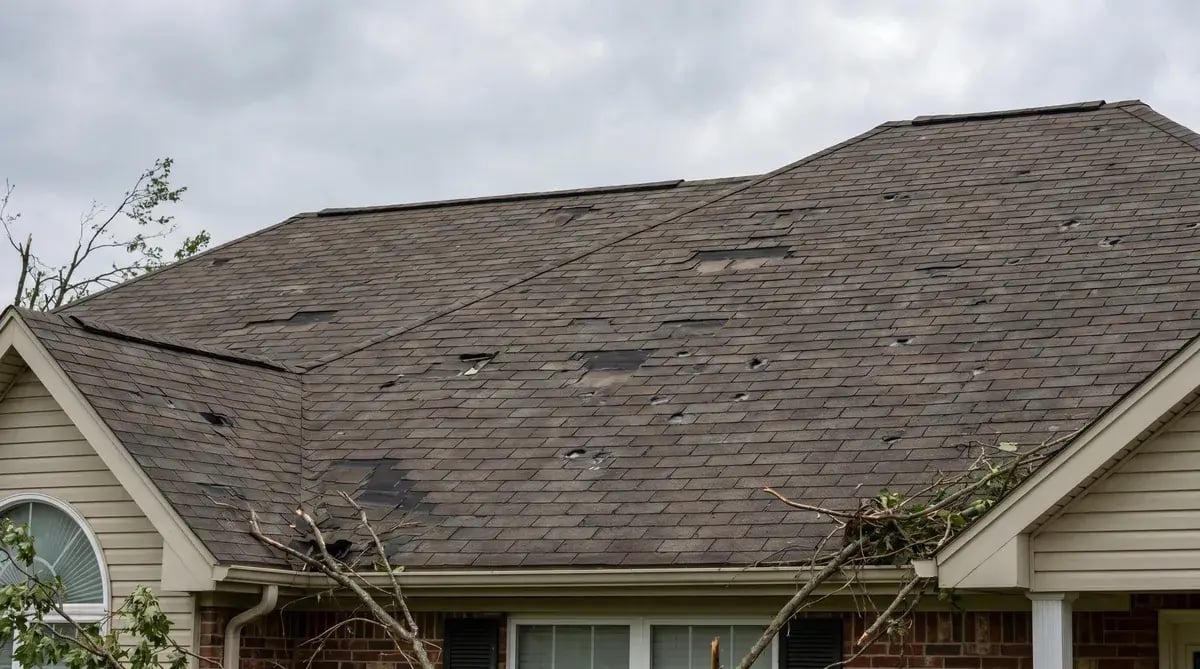
You filed a claim expecting your State Farm policy to cover your storm-damaged roof, but they said no. Or maybe they approved a small payout that barely covers a few shingles when you clearly need a full replacement. You're not alone in this frustration, especially here in the Myrtle Beach area where coastal storms can cause significant roof damage.
State Farm has significantly tightened their roof claim handling practices over the past few years. Rising storm losses and record claim volumes have led to more scrutiny, stricter interpretations of policy language, and increased use of depreciation to reduce payouts. According to recent lawsuits, State Farm launched a "Hail Focus Initiative" in 2026 to reduce full roof replacement approvals.
Quick Answer: State Farm commonly denies roof claims due to insufficient storm damage documentation, policy exclusions, ACV depreciation, or claims that exceed their internal damage thresholds. However, many denials can be successfully challenged with proper documentation and the right approach.
Here's what you'll learn in this guide:
- How State Farm's current claim practices affect your roof coverage
- The most common reasons they deny or underpay roof replacement claims
- How your policy type determines what you actually receive
- Step-by-step actions to take if your claim was denied
At Linta Roofing, we've worked with hundreds of State Farm claims over the years in Horry County, Georgetown County, and the greater Myrtle Beach area. As a family-owned roofing company serving this region since 1948, we understand exactly how their process works and where homeowners can push back effectively.
That hands-on experience comes with a standard: Linta Roofing inspects storm damage to the same engineering standard insurers use to decide whether a claim is covered. Their project managers are HAAG trained, the damage assessment is free, and they meet your adjuster at the house so the approval reflects current building code instead of leaving you to pay the difference.
How State Farm handles roof replacement claims today
State Farm's approach to roof claims has fundamentally changed since 2025. The company now uses stricter internal definitions for hail and wind damage that don't appear in customer policies, according to Oklahoma's Attorney General.
This shift means adjusters are following tighter corporate guidelines when evaluating damage. They're trained to look for "functional damage" rather than cosmetic impact marks, even though most policies don't distinguish between these categories. The result is more claims being classified as insufficient for replacement.
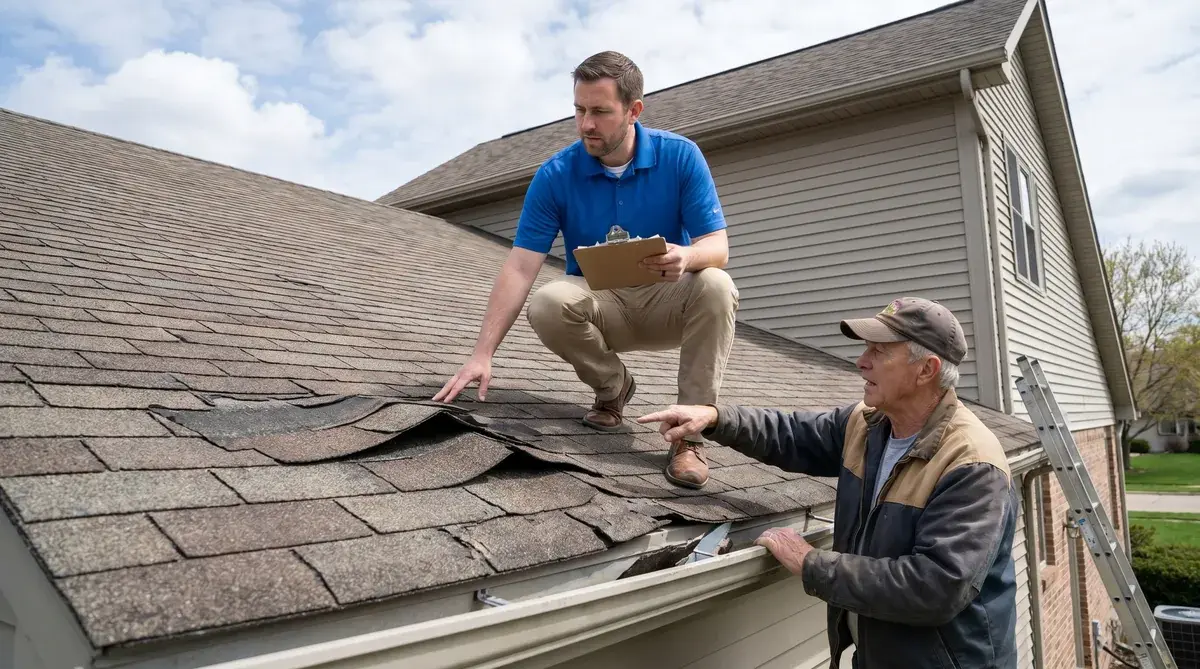
The company has also implemented management review processes for full roof replacements. Instead of field adjusters making independent decisions, their assessments now get reviewed by managers who apply these internal damage definitions. This creates an additional layer where claims can be reduced or denied.
Important: State Farm paid over $1 billion for wind and hail damage in Oklahoma alone over the past two years, showing they do pay claims. The issue is inconsistent application of coverage standards.
Common reasons State Farm refuses to pay for roof replacement
Understanding why State Farm denies claims helps you know whether your denial is legitimate or worth challenging. Here are the most frequent reasons we see in the Myrtle Beach area:
Not enough storm-related damage
State Farm adjusters often conclude there isn't sufficient hail or wind damage to warrant replacement. They might find a few impact marks but determine they don't meet their internal damage threshold.
The problem is that adjusters aren't roofing experts. They can miss subtle damage like granule loss patterns, exposed mat, or compromised seal strips that indicate your roof's integrity is compromised. In coastal areas like Little River and Myrtle Beach, salt air and high winds can exacerbate storm damage in ways adjusters don't always recognize. Having an experienced contractor present during the inspection often reveals damage the adjuster initially overlooked.
Policy exclusions and maintenance neglect
Your policy excludes certain types of damage or situations. State Farm increasingly uses "neglect" as a reason to deny claims, arguing that poor maintenance contributed to the damage.
This exclusion puts the burden on you to prove you maintained your roof properly. They might point to clogged gutters, missing caulk, or minor wear as evidence of neglect, even when storm damage is obvious. In our coastal climate, regular maintenance is especially important, but normal weathering shouldn't be confused with neglect.
ACV policy limitations and heavy depreciation
If you have an Actual Cash Value policy instead of Replacement Cost Value, State Farm pays only the depreciated value of your roof. On a 15-year-old roof, this could mean receiving $8,000 for a $25,000 replacement.
Even with RCV policies, State Farm holds back depreciation until you complete repairs. But if they deny the claim initially, you never get that recoverable depreciation amount.
Improper installation or ventilation issues
State Farm legitimately denies claims when they determine your roof was improperly installed or has inadequate ventilation. These conditions can cause premature failure that looks like storm damage.
If your roof was installed by an unlicensed contractor or doesn't meet current building codes, State Farm can refuse coverage and may even require you to fix these issues to maintain your policy. This is why working with GAF and Owens Corning certified contractors like Linta Roofing is so important for both proper installation and future insurance claims.
How your State Farm policy type affects roof replacement payouts
Your policy type dramatically impacts what you receive, even when State Farm approves your claim. Many homeowners feel "refused" when they actually received the maximum their policy allows.
| Policy Type | What State Farm Pays | When You Feel Refused | Your Out-of-Pocket Cost |
|---|---|---|---|
| ACV Only | Depreciated value minus deductible | When payout covers 30-50% of replacement | $15,000-$20,000+ |
| RCV Standard | Full replacement cost minus deductible | When depreciation is held back | Deductible only (after completion) |
| RCV with Roof Limit | Capped amount based on roof age | When cap is less than actual cost | Difference between cap and actual cost |
The confusion often comes from State Farm's payment process. They initially pay ACV, then release recoverable depreciation after you complete repairs and submit documentation. If you don't understand this process, the initial check feels like a denial.
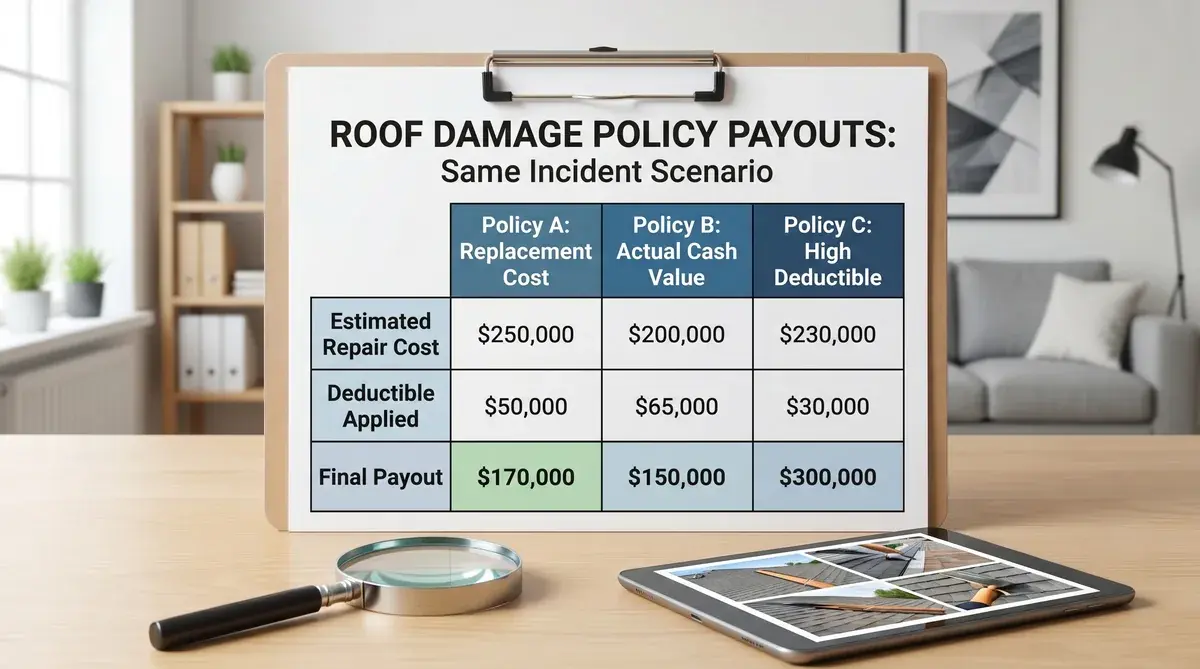
State Farm also applies age-based limitations on some policies. If your roof is over 10 years old, they might only cover a percentage of replacement cost or require you to upgrade to current building codes at your expense.
Was your State Farm roof claim fairly denied
Not every denial is unfair. Understanding the difference helps you decide whether to accept the decision or fight it.
Signs of a legitimate denial:
- Your roof shows clear signs of poor maintenance or neglect
- Damage is clearly from wear and tear, not recent storms
- You filed the claim well after your policy's reporting deadline
- Independent contractors agree there's insufficient storm damage
Red flags that suggest unfair denial:
- The adjuster spent less than 30 minutes on your roof
- Their report contains minimal photos or measurements
- They ignored obvious hail hits or wind damage you can clearly see
- The denial letter uses vague language like "insufficient documentation"
- Multiple contractors disagree with the adjuster's assessment
According to recent lawsuits, State Farm has been accused of applying coverage restrictions that don't appear in customer policies. If your denial seems to contradict what your policy actually says, it's worth challenging.
What to do if State Farm denies your roof replacement claim
Don't give up after an initial denial. Many homeowners in the Myrtle Beach area successfully reverse denials by following these steps:
Review your policy and denial letter carefully
Read exactly what State Farm cited as their reason for denial. Look up the specific policy section they referenced. Often, their interpretation doesn't match what the policy actually says.
Pay attention to the deadline for disputing the decision. Most policies give you 60-180 days to respond, depending on your state.
Document all damage thoroughly
Take detailed photos of every area of damage from multiple angles. Mark hail hits with chalk so they're clearly visible. Measure the size and density of impact marks per square foot.
Keep records of the storm date and weather reports showing hail size and wind speeds in your area. State Farm has access to weather data, but having your own documentation strengthens your position.
Get an independent inspection and estimate
Hire a roofing contractor experienced with State Farm claims to provide a detailed assessment. They should identify damage the adjuster missed and explain why a full replacement is necessary.
The contractor's report should include photos, measurements, and technical explanations of why partial repairs won't adequately protect your home. At Linta Roofing, we provide comprehensive damage assessments that help homeowners understand the full scope of storm damage and what's needed for proper repairs.
Request a reinspection or second adjuster
Contact State Farm and formally request a reinspection. Provide your additional documentation and ask for a different adjuster if possible.
Be present during the reinspection and have your contractor there to point out damage. Many claims get approved on the second look when homeowners provide better documentation.
Pro Tip: If State Farm continues to deny your claim despite clear evidence of covered damage, consider hiring a public adjuster. They work for you, not the insurance company, and can often recover significantly more than you'd get on your own.
The key is persistence and proper documentation. State Farm approves many claims on appeal when homeowners provide the evidence adjusters need to justify the payout.
Remember, you've paid premiums for years expecting coverage when you need it. While not every denial is unfair, you have the right to challenge decisions that seem inconsistent with your policy language or the actual damage to your roof. With the right approach and documentation, many homeowners in the Myrtle Beach area successfully get their roof replacement claims approved on the second or third attempt. Linta Roofing has helped thousands of homeowners manage the roof insurance claim process over the last 40 years and more.
FAQ
Does State Farm pay for a full roof replacement or just repairs?
Will filing a roof claim with State Farm raise my rates?
How long do I have to file a roof claim with State Farm after storm damage?
Does State Farm cover siding and other exterior damage from the same storm?
Topics:
