.png?width=200&height=78&name=LR_Logo_vector_horizontal_color_shadow%20(1).png)

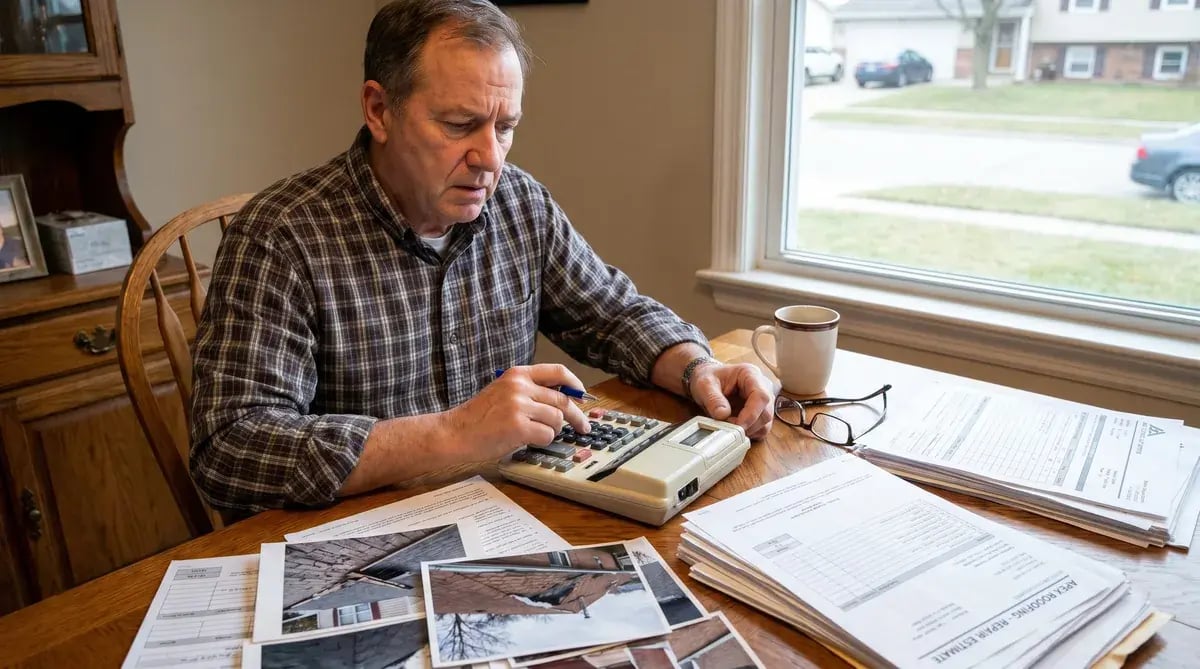
Key Insight: Recoverable depreciation is the portion of your roof claim payout that insurers withhold until you complete repairs. With a Replacement Cost Value (RCV) policy, you can recover this amount after proving the work is done, potentially adding thousands back to your settlement.
When your roof suffers storm damage in coastal South Carolina and you file an insurance claim, you might be surprised to see your initial check is thousands less than the repair estimate. That missing money is likely recoverable depreciation, and understanding how it works can mean the difference between paying out of pocket or getting your full claim value.
Recoverable depreciation affects nearly every roof insurance claim under RCV policies. The process involves two separate payments: an initial check for the roof's current depreciated value, followed by a second payment once you complete the replacement and provide proof to your insurer.
In this guide, you'll learn what recoverable depreciation means for your roof claim, how insurers calculate these amounts, and the exact steps to ensure you receive every dollar you're entitled to under your policy. With over 75 years of experience serving homeowners in Horry County, Georgetown County, and surrounding coastal areas, we've helped countless families navigate this complex process successfully.
Linta Roofing inspects storm damage to the same engineering standard insurers use to decide whether a claim is covered. Their project managers are HAAG trained, the damage assessment is free, and they meet your adjuster at the house so the approval reflects current building code instead of leaving you to pay the difference.
Understanding key insurance terms for roof claims
Before diving into how recoverable depreciation works, let's clarify the essential terms that determine your payout amount.
Depreciation represents how much your roof's value has decreased due to age and wear. Insurance adjusters calculate this based on your roof's age compared to its expected lifespan. A 10-year-old roof with a 20-year life expectancy would typically show 50% depreciation.
Actual Cash Value (ACV) equals your roof's replacement cost minus depreciation. This reflects what your roof was worth immediately before the damage occurred, accounting for its age and condition.
Replacement Cost Value (RCV) covers the full cost to replace your roof with similar materials at today's prices, without any depreciation deduction. This represents the total amount needed for a complete roof replacement.
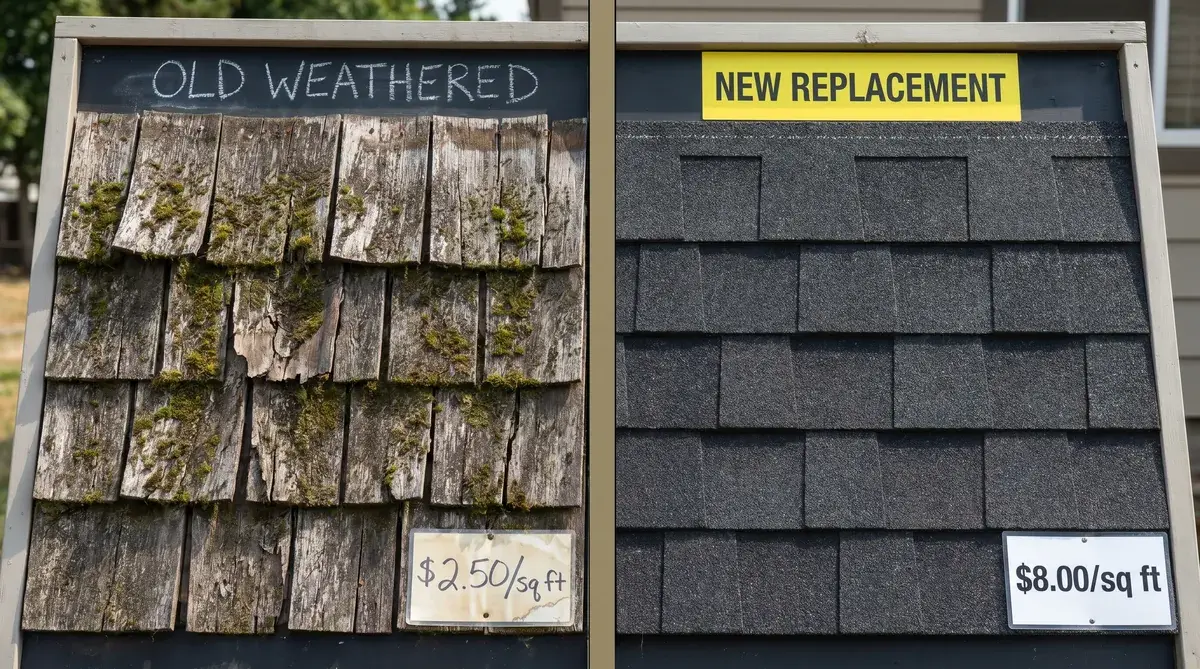
Recoverable depreciation is the difference between RCV and ACV that insurers initially withhold but pay after you complete repairs under an RCV policy. Non-recoverable depreciation refers to amounts you'll never receive back, typically under ACV-only policies.
Important Note: Only Replacement Cost Value policies offer recoverable depreciation. If you have an Actual Cash Value policy, the depreciation deducted from your claim is permanent and cannot be recovered.
How insurers calculate depreciation on roof claims
Insurance companies use standardized software like Xactimate to determine depreciation amounts, but understanding the basic calculation helps you verify their numbers.
The core formula divides your roof's age by its expected useful life to determine the depreciation percentage. For example, a composition shingle roof typically has a 20-year lifespan. After 12 years, the depreciation would be 60% (12 ÷ 20 = 0.60).
Here's how this translates to actual dollars on a typical roof claim in our coastal Carolina service area:
| Component | Amount |
|---|---|
| Roof replacement cost (RCV) | $18,000 |
| Depreciation (60% for 12-year roof) | $10,800 |
| Actual Cash Value (ACV) | $7,200 |
| Deductible | $1,500 |
| Initial check amount | $5,700 |
| Recoverable depreciation | $10,800 |
Different roofing materials have varying lifespans that directly impact depreciation calculations. Asphalt shingles typically depreciate faster than metal or tile roofs due to their shorter expected life. The adjuster should also consider your roof's actual condition, factoring in maintenance history and visible wear beyond normal aging. In coastal areas like Little River and the Grand Strand, salt air and hurricane exposure can accelerate aging, which experienced adjusters should account for in their assessments.
ACV versus RCV policies and your recovery options
Your policy type determines whether you can recover depreciation at all, making this distinction crucial for your financial outcome.
With an ACV policy, you receive only the depreciated value of your roof. Using our previous example, you'd get the $5,700 initial check and that's it. You'd need to cover the remaining $12,300 out of pocket for a full replacement.
With an RCV policy, you get the same $5,700 initially, but you can recover the $10,800 depreciation after completing the roof replacement and submitting proper documentation. Your total payout reaches $16,500, leaving only your $1,500 deductible as your out-of-pocket cost.
The two-payment structure exists because insurers want verification that claim funds actually go toward repairs rather than being pocketed. This protects both the insurance company and ensures the intended restoration occurs.
Many homeowners don't realize their personal property coverage often defaults to ACV while their dwelling coverage provides RCV. Check your declarations page specifically for roof coverage terms, as some insurers shift older roofs to ACV-only coverage through policy endorsements. This is particularly common in coastal South Carolina where hurricane risk is higher.
Step-by-step process to recover your depreciation
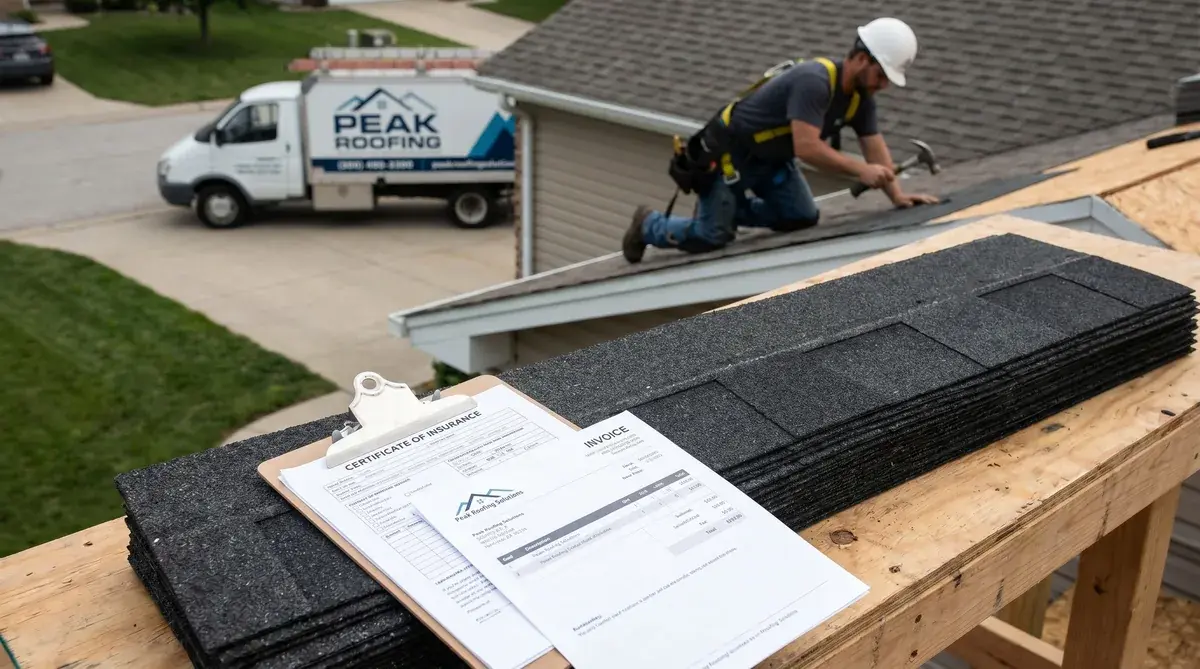
Recovering your depreciation follows a specific sequence that you must complete within your policy's timeframe.
Step 1: After your claim approval, review the estimate carefully. Your adjuster provides a detailed scope showing the full replacement cost, applied depreciation, and your recoverable amount.
Step 2: You receive the initial ACV payment minus your deductible. This money helps start the project, but you'll need additional funds to complete the work.
Step 3: Select a qualified roofing contractor who understands insurance claims. They should review the adjuster's estimate against actual roof needs and identify any missing items that require supplemental claims. Working with a GAF or Owens Corning certified contractor ensures proper installation that meets manufacturer standards and insurance requirements.
Step 4: Complete the roof replacement according to the approved scope. Significant deviations from specified materials or methods can jeopardize your depreciation recovery. In coastal areas, this often includes proper wind-resistant installation methods and materials rated for high-wind zones.
Step 5: Submit completion documentation to your insurer. This typically includes the contractor's final invoice, before-and-after photos, material receipts, and any required completion certificates.
Step 6: After verification, your insurer releases the recoverable depreciation as your second check. Combined with your initial payment, you've now received the full replacement cost minus only your deductible.
Critical Deadline: Most policies require repairs within 12 to 24 months of claim approval and depreciation recovery requests within the same timeframe. Missing these deadlines forfeits your right to the withheld funds permanently.
Common mistakes that cost homeowners their depreciation
Several pitfalls can prevent you from recovering the full depreciation amount you're entitled to receive.
Missing completion deadlines represents the most costly mistake. Every policy sets specific timeframes for finishing repairs and requesting depreciation recovery. Calendar these dates immediately after claim approval and request extensions in writing if delays occur due to contractor availability or material shortages.
Deviating from approved materials without insurer approval can reduce or eliminate your depreciation recovery. If your claim specifies certain shingle types or installation methods, changes must be pre-approved in writing. Your contractor should understand this requirement and help navigate any necessary modifications.
Inadequate documentation frequently delays or reduces payments. Keep detailed records including all invoices, material receipts, progress photos, and completion certificates. Your insurer needs clear proof that work matches the original scope and quality standards.
Working with inexperienced contractors who don't understand insurance requirements can create problems throughout the process. Choose roofers familiar with insurance claims who will review your paperwork, identify potential supplements, and ensure work meets policy requirements. Look for contractors with manufacturer certifications and local BBB accreditation to ensure quality workmanship and proper business practices.
Remember that recoverable depreciation represents money you're contractually entitled to under your RCV policy. Protecting this entitlement requires understanding the process, meeting all deadlines, maintaining proper documentation, and working with qualified professionals who support your recovery efforts rather than creating obstacles.
Linta Roofing has helped thousands of homeowners manage the roof insurance claim process over the last 40 years and more.
FAQ
Do you get depreciation back on an insurance claim?
What is the difference between recoverable and non-recoverable depreciation?
How long do I have to recover depreciation from my roof insurance claim?
Can I keep the recoverable depreciation if my roof replacement costs less than the estimate?
Topics:
