.png?width=200&height=78&name=LR_Logo_vector_horizontal_color_shadow%20(1).png)

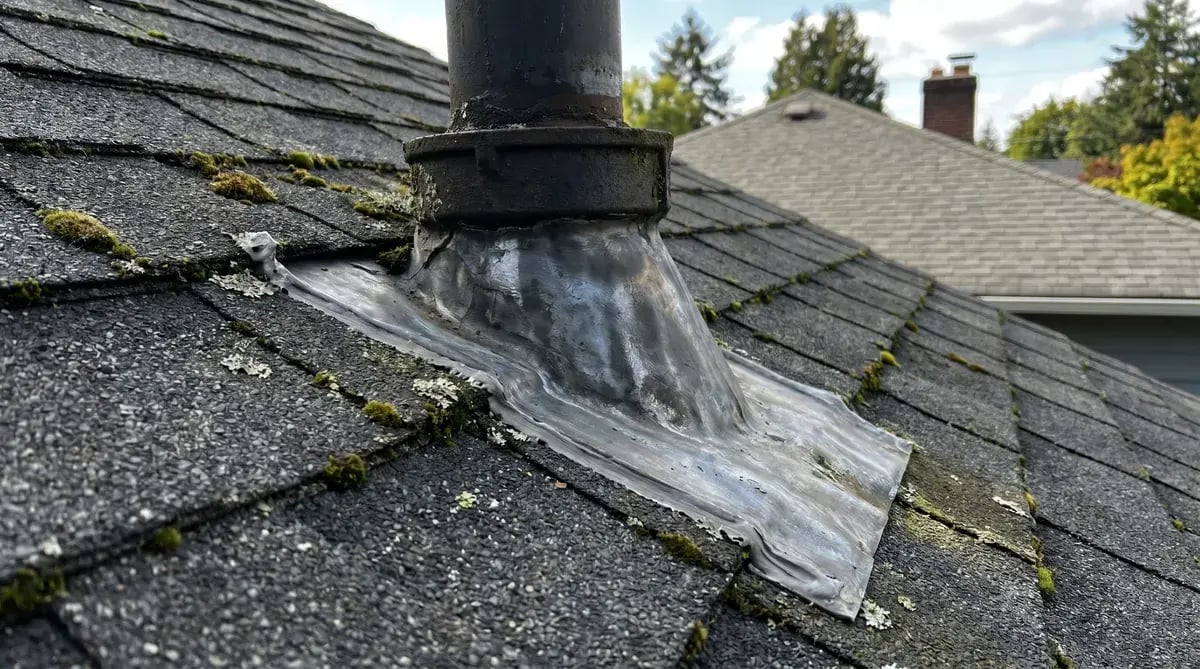
That small rubber or metal collar around the pipes on your roof is one of the most critical leak defenses your home has. When it fails, water can pour straight into your house, causing thousands of dollars in damage to ceilings, walls, and insulation.
A roof boot (also called a pipe boot, plumbing vent boot, or pipe flashing) is a waterproof seal that wraps around pipes where they penetrate your roof. These pipes are typically plumbing vents that allow sewer gases to escape and help your drains flow properly. Without a functioning roof boot, every pipe becomes a direct pathway for rainwater to enter your home.
Key Fact: According to roofing professionals, pipe boot failures are responsible for more leak calls than any other single roofing component, often occurring 10-15 years before the roof itself needs replacement.
This guide covers what roof boots are, the different types available, how to spot problems early, your repair options, expected costs, and maintenance tips to prevent expensive water damage in the Myrtle Beach area's coastal climate.
Guides like this one are part of a broader effort to educate homeowners: Linta Roofing runs a roofing learning center and a YouTube channel where the owner answers homeowner questions to provide first-person education to everyone. The Roofing Resource Channel covers questions such as the seven things to know before starting an insurance claim.
What is a roof boot and where is it located?
A roof boot consists of two main parts that work together to create a watertight seal. The base (called a flange) is a flat piece of metal or rubber that sits on your roof surface and slides under the shingles above while overlapping the shingles below. The collar is the flexible part that wraps snugly around the pipe itself.
You'll find roof boots wherever pipes exit through your roof. Most homes have two to five plumbing vent pipes, typically located above bathrooms, kitchens, and laundry rooms. Some homes also have boots around exhaust vents, electrical conduits, or other roof penetrations.
The boot's job is simple but crucial. It directs water flowing down your roof over and around the pipe opening instead of letting it seep underneath. When the collar maintains a tight seal against the pipe, rainwater and snowmelt stay outside where they belong.
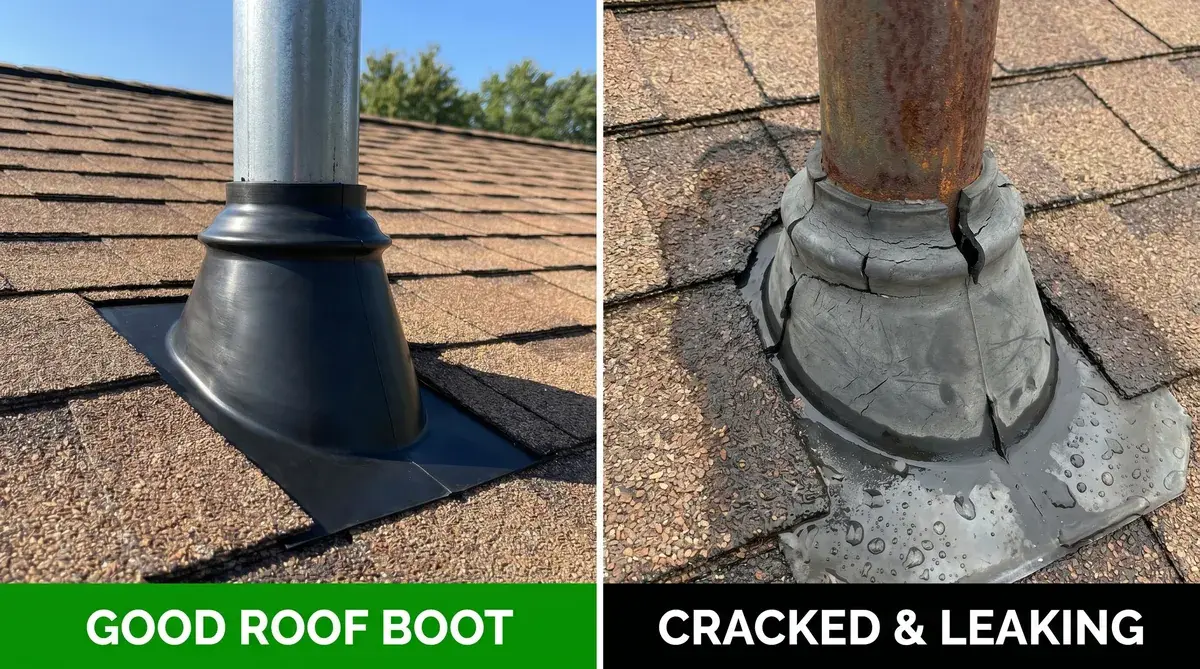
Types of roof boots and their lifespans
Understanding the different materials helps you make informed decisions about repairs and replacements. Each type offers different durability and cost characteristics, especially important in the Myrtle Beach area's coastal environment with intense UV exposure and salt air.
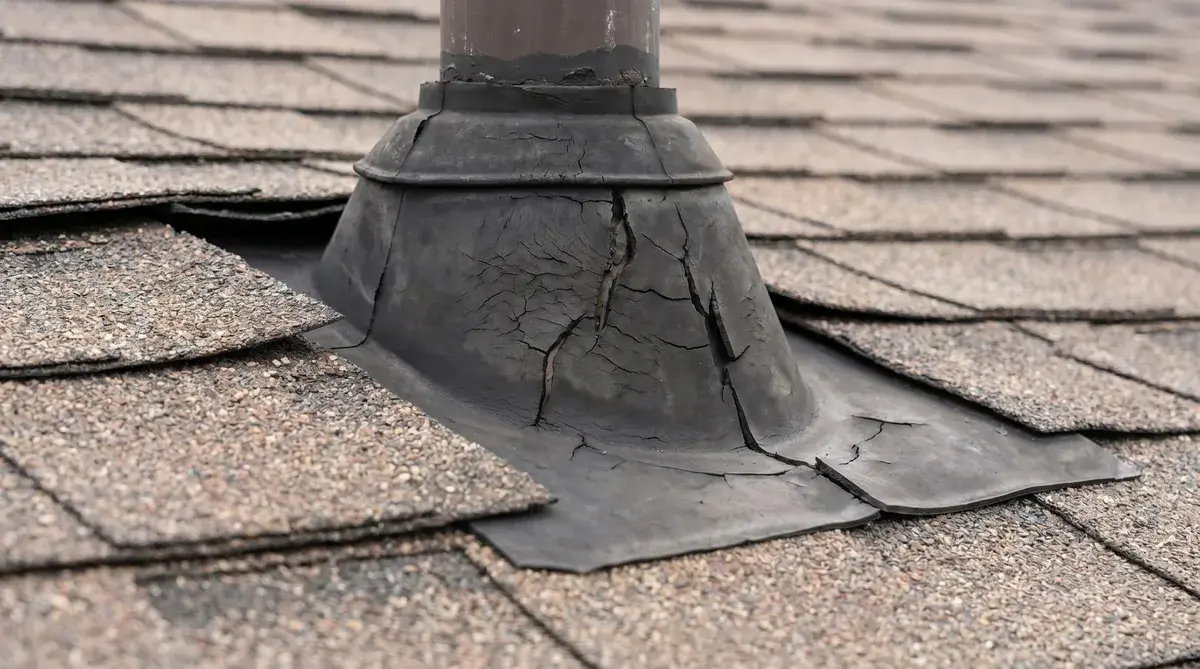
Rubber and neoprene boots are the most common type found on residential roofs today. These synthetic rubber boots cost between $8-15 each and are relatively easy to install. However, UV rays from constant sun exposure break down the rubber over time, causing it to become brittle and crack. In the Myrtle Beach area's intense coastal sun, most neoprene boots last 8-12 years before needing replacement—slightly less than in more temperate climates.
Plastic boots (also called thermoplastic boots) offer better UV resistance than standard rubber. They maintain flexibility longer and resist cracking in temperature extremes. These typically last 12-18 years in our coastal climate and cost slightly more than rubber options, making them a good middle-ground choice for Horry County and Georgetown County homeowners.
Lead and metal boots represent the premium option for long-term protection in coastal environments. Lead boots are hand-formed around the pipe during installation, creating an extremely durable seal that doesn't degrade under UV exposure or salt air. While the initial cost is higher at $50-80 per boot, lead flashings routinely last 30-50 years and often outlast the roof they're installed on—making them particularly valuable in our challenging coastal climate.
Pro Tip: Upgrading to lead boots during a roof replacement adds minimal cost compared to the expense of replacing failed rubber boots every 8-12 years in the Myrtle Beach area's harsh sun exposure.
Why roof boots fail and common warning signs
Most roof boot failures follow predictable patterns, making early detection possible if you know what to look for. The primary culprit is UV degradation of rubber materials, but several other factors accelerate failure in the Myrtle Beach area.
Sun exposure gradually breaks down neoprene and rubber compounds, causing them to lose flexibility and develop surface cracks. In our coastal region, the combination of intense UV rays and salt air creates particularly harsh conditions for rubber materials. These cracks deepen over time until water can penetrate the seal. Boots on south-facing and west-facing slopes typically fail 3-5 years earlier than those on shaded areas due to increased solar radiation.
Temperature cycling also stresses boot materials as pipes expand and contract with weather changes. The boot must flex repeatedly to maintain its seal, but aged rubber loses this ability. Poor installation, where boots are cut too tight or nails are placed incorrectly, can cause premature failure regardless of material quality.
Animal damage presents another common problem, especially in wooded areas around Little River and the Grand Strand. Squirrels and raccoons are attracted to rubber boot materials and may chew through the collar, creating instant leak pathways.
Interior warning signs include water stains on ceilings near bathrooms or kitchens, peeling paint or wallpaper, musty odors from upper floors, and visible dripping during or after rain events.
Exterior warning signs include visible cracks in the boot collar, gaps where the boot pulls away from the pipe, brittle or faded rubber that feels hard to the touch, and chunks of black rubber debris in gutters or around downspouts.
Repair options and when to choose each approach
When you discover a failing roof boot, you have several repair options depending on the extent of damage and your long-term plans for the roof.
Temporary repairs using sealant or roof cement can buy 6-12 months of protection. This approach makes sense when you're planning a full roof replacement soon, but it's not a permanent solution. Sealants can crack in cold weather and soften in heat, potentially trapping moisture against already-damaged materials.
Boot collar replacement involves installing a rubber sleeve or collar over the existing damaged boot. This method works when the base flange is still in good condition but the collar has cracked. A quality collar replacement typically lasts another 8-10 years in our coastal climate and costs $150-350 including professional installation.
Complete boot replacement requires removing shingles around the pipe, extracting the old boot, and installing a new one with proper integration into the roofing system. This is the most thorough approach and makes sense when the surrounding roof has significant life remaining. Professional replacement typically costs $250-500 per boot.
The best value comes from replacing all boots during a complete roof replacement, since the surrounding shingles and other roof components are already being removed. Most reputable contractors in the Myrtle Beach area include boot replacement in their standard scope rather than treating it as an optional add-on.
| Boot Type | Typical Lifespan (Coastal) | Material Cost | Best For |
|---|---|---|---|
| Neoprene/Rubber | 8-12 years | $8-15 | Budget-conscious repairs |
| Plastic/TPO | 12-18 years | $15-25 | Moderate upgrade |
| Lead/Metal | 30-50+ years | $50-80 | Long-term investment |
Maintenance and prevention strategies
Regular inspection and proactive maintenance can catch boot problems before they become expensive leak repairs. The key is knowing what to check and how often to do it, especially in our coastal environment where salt air and intense UV exposure accelerate deterioration.
Professional roof inspections should include detailed boot assessments at least once annually, preferably in late fall before winter weather arrives. However, homeowners can perform basic visual checks from the ground using binoculars to spot obvious problems like cracked collars or separated boots.
After severe storms—which are common in the Myrtle Beach area during hurricane season—check for debris accumulation around boots and look for any visible damage from hail or wind. Leaves and pine needles that pile around boot bases can hold moisture against the collar, accelerating deterioration in our humid coastal climate.
Important: Never attempt roof boot repairs yourself unless you have proper safety equipment and experience. Ladder falls cause over 500,000 injuries annually, and improper installation can make leak problems worse.
The most effective prevention strategy is replacing boots proactively based on age rather than waiting for visible failure. If your roof is 10+ years old and still has original neoprene boots in the Myrtle Beach area, scheduling an inspection can identify which ones need attention before the next major storm season.
Professional maintenance also includes checking that boot flanges remain properly integrated with surrounding shingles and that no nails have worked loose over time. These details determine whether a boot lasts its expected lifespan or fails prematurely.
Understanding roof boots and their critical role in leak prevention helps you protect one of your largest investments. While these components may seem small and insignificant, a failed $15 boot can cause thousands in water damage if ignored. Regular inspection, timely repairs, and quality materials during replacement ensure your roof boots continue protecting your home for years to come.
As a family-owned roofing company serving the Myrtle Beach area since 1948, Linta Roofing has helped homeowners throughout Horry County, Georgetown County, and southeastern North Carolina maintain leak-free roofs through expert boot replacement, comprehensive inspections, and proactive maintenance programs. Our GAF and Owens Corning manufacturer affiliations ensure we use only quality materials designed to withstand our coastal climate. Whether you need a single boot repair or complete roof replacement, our experienced team ensures every detail is handled correctly the first time.
