.png?width=200&height=78&name=LR_Logo_vector_horizontal_color_shadow%20(1).png)

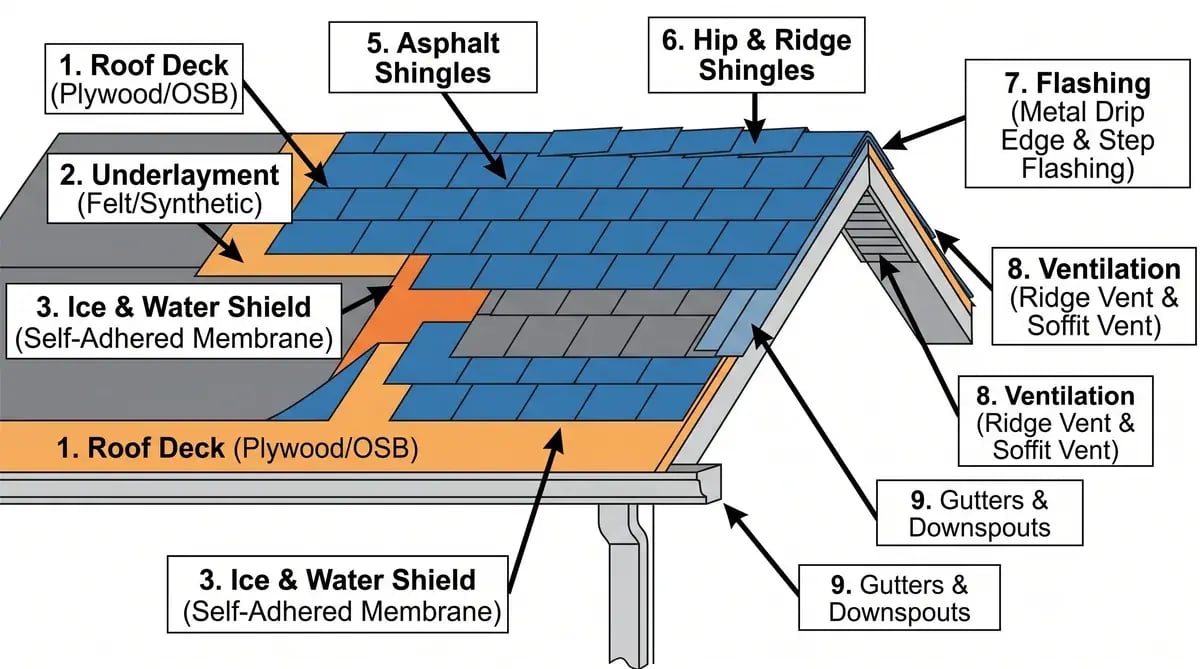
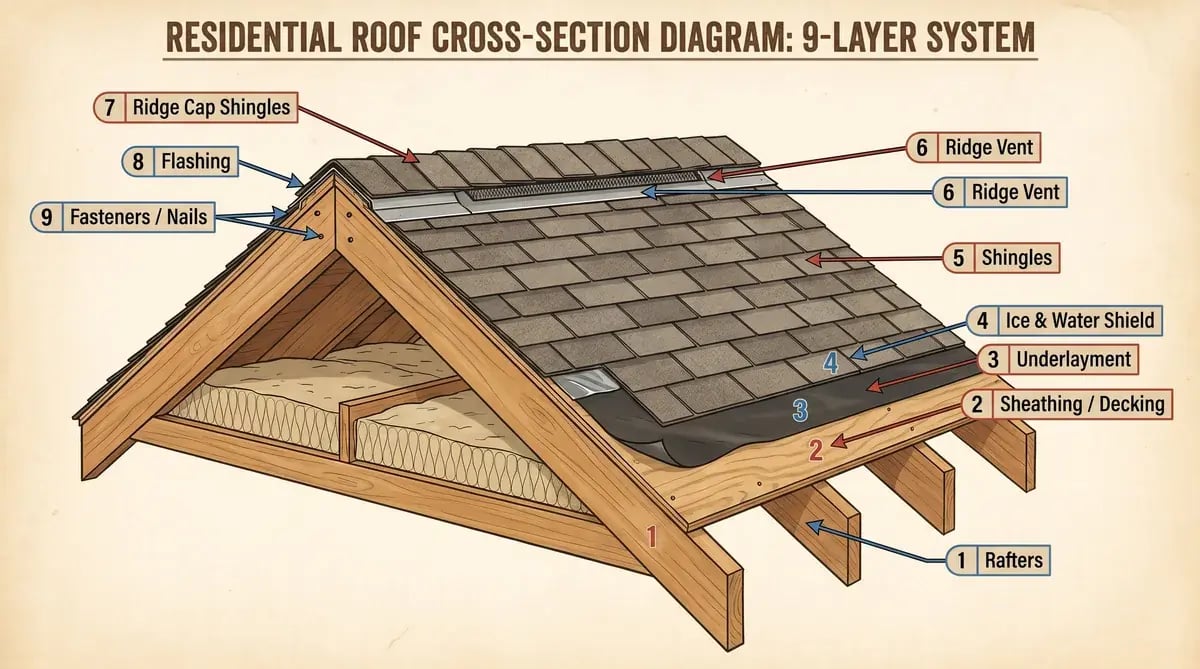
An asphalt shingle roof system consists of nine interconnected components that work together to protect your home from weather elements. Each component serves a specific function, from the structural foundation to water management and ventilation. Understanding these parts helps you make informed decisions during roof replacement and ensures no critical elements are overlooked.
Linta Roofing installs and repairs asphalt shingle, metal, tile, cedar and flat roofs, and have transparent pricing for every one of them. Linta also handles inspections, maintenance plans, emergency response, insurance claim support and full replacement.
Missing even one component can lead to water damage, structural problems, or code violations. The complete system includes roof decking, drip edge, underlayment, ice and water shield, flashing, shingles, ridge capping, vents, and pipe boots. In the Myrtle Beach coastal environment, where homes face salt air, high winds, and heavy rainfall, proper installation of all components becomes even more critical for long-term protection.
Key Insight: According to the International Residential Code, proper installation of all roof components is required for building code compliance and optimal performance.
| Component | Primary Function | Installation Location |
|---|---|---|
| Roof Decking | Structural foundation | Covers entire roof frame |
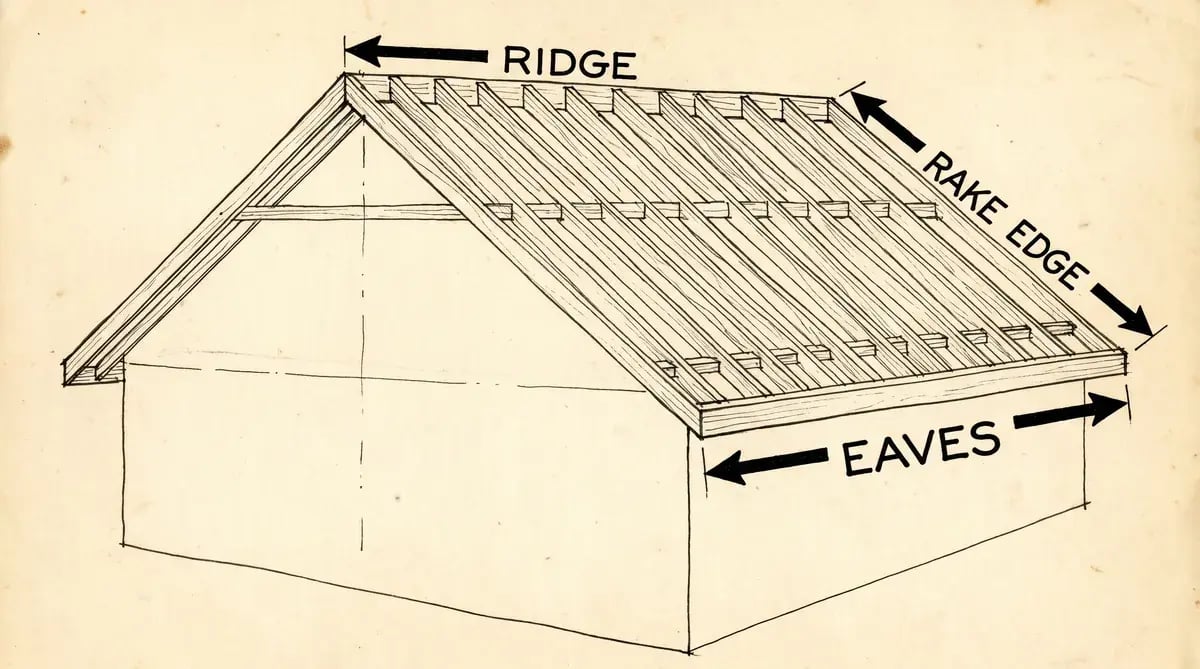
| Drip Edge | Water deflection | Eaves and rake edges |
| Underlayment | Secondary water barrier | Over entire deck |
| Ice & Water Shield | Enhanced waterproofing | Problem areas and cold climates |
| Flashing | Water redirection | Penetrations and transitions |
| Asphalt Shingles | Primary weather protection | Exposed roof surface |
| Ridge Capping | Peak sealing | Roof ridges and hips |
| Roof Vents | Attic ventilation | Strategic roof locations |
| Pipe Boots | Penetration sealing | Around plumbing vents |
Structural foundation and decking
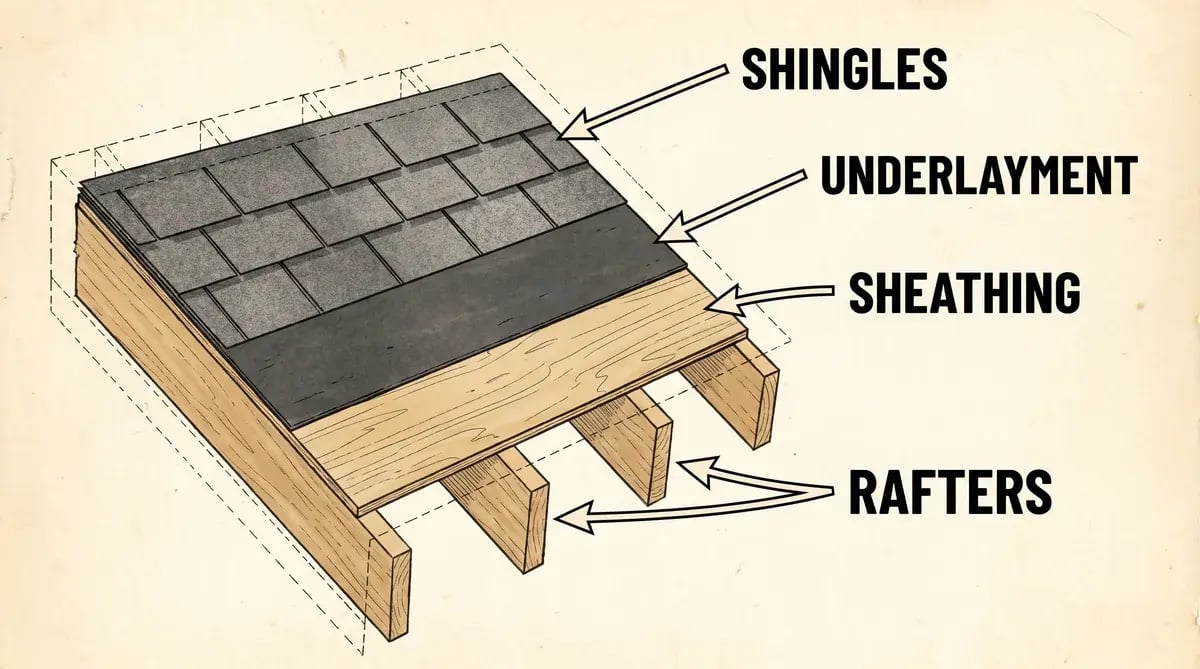
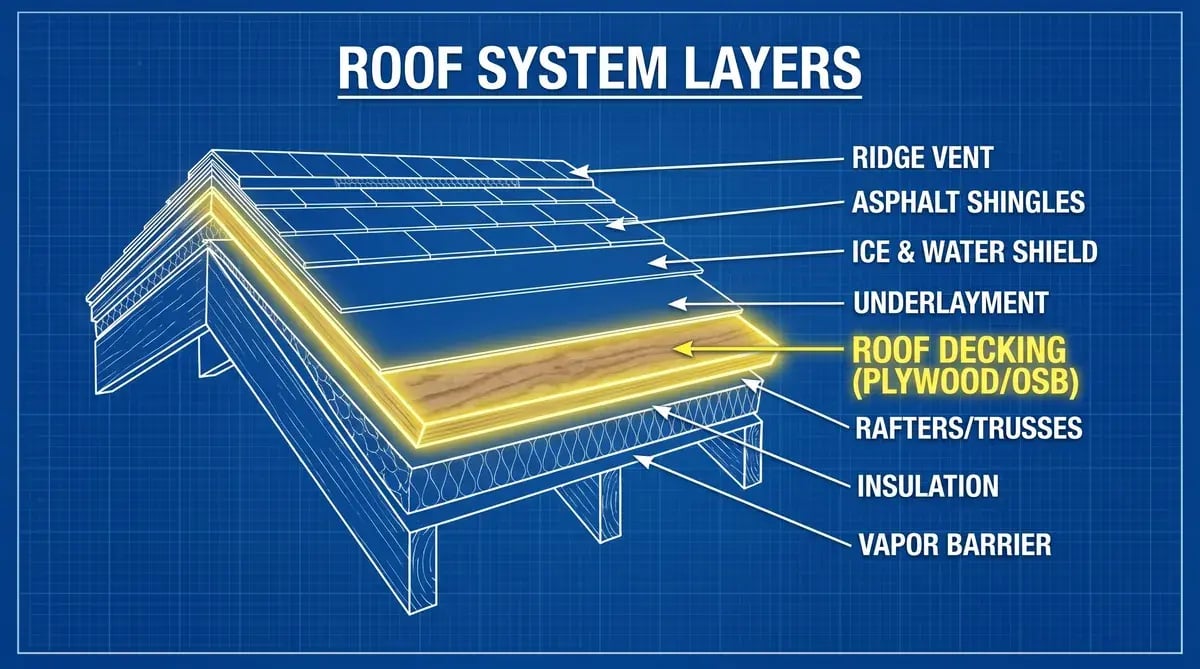
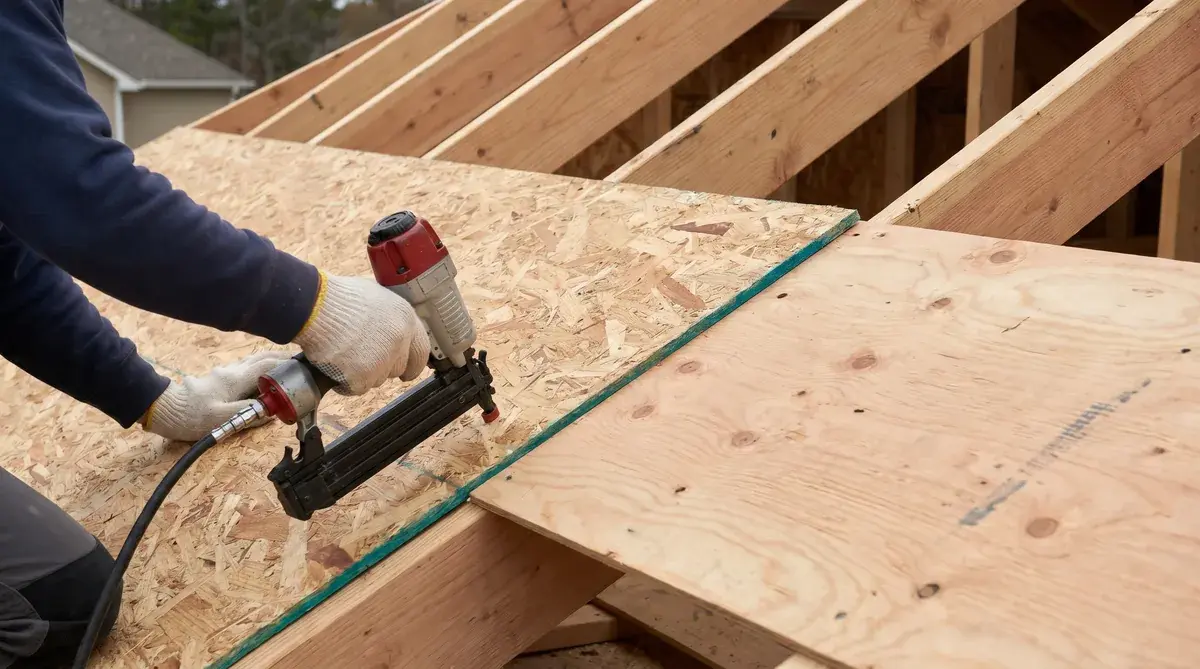
Roof decking, also called sheathing, forms the wooden foundation that supports your entire roof system. This component consists of either plywood sheets or oriented strand board (OSB) panels fastened directly to the roof rafters or trusses.
Two main types exist: plywood decking comes in various thicknesses (3/8", 1/2", 5/8", and 3/4") depending on rafter spacing, while OSB uses compressed wood strands formed into 7/16" sheets. Both materials provide the necessary structural support and nailable surface for subsequent roof layers.
If your existing decking shows signs of rot, warping, or structural compromise, replacement becomes necessary before installing new roofing materials. In the humid Myrtle Beach climate, moisture-related decking issues are particularly common, which is why Linta Roofing's thorough inspections often reveal the full extent of decking damage only after removing the old roof covering.
Water management barriers and protection
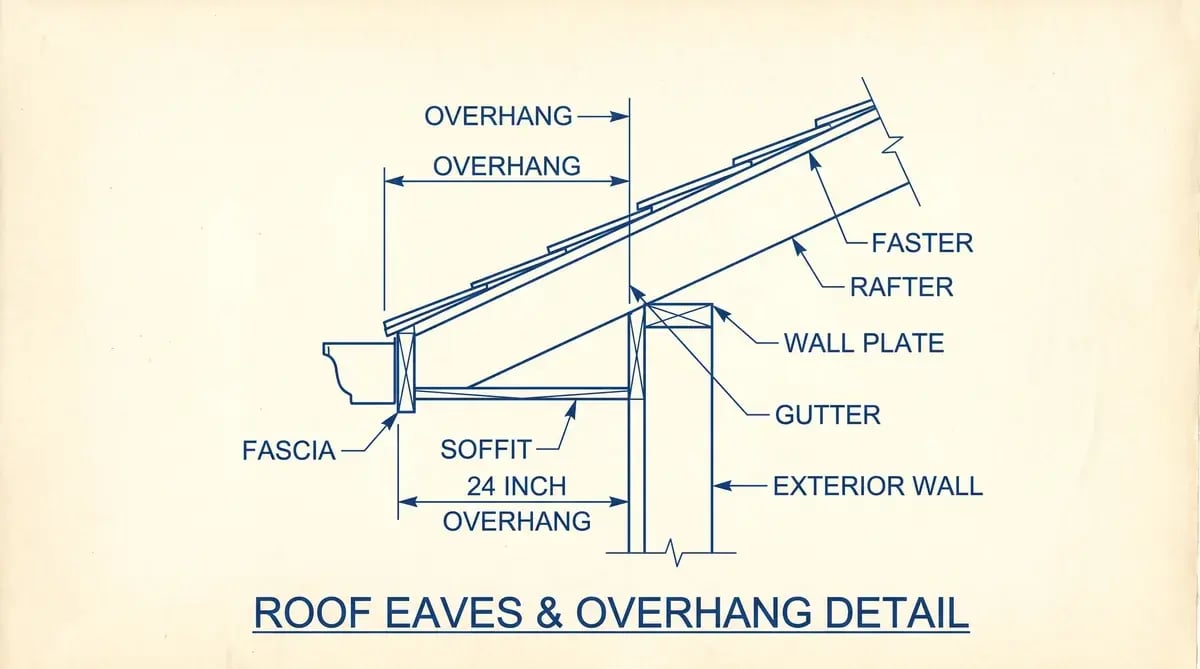
Proper water management requires multiple protective layers working in sequence. Drip edge, a metal flashing component, installs along roof edges to direct water away from fascia boards and underlying structures. Building codes require drip edge installation at both eaves and rakes for inspection approval.
Underlayment provides secondary water protection beneath your shingles. You can choose between traditional felt (15-pound or 30-pound weight) or modern synthetic materials made from polyethylene or polypropylene. Synthetic options offer superior durability, better nail-holding capacity, and enhanced water resistance compared to felt alternatives—particularly important in coastal South Carolina where homes face frequent storms and heavy rainfall.
Ice and water shield adds extra protection in vulnerable areas. This self-adhering membrane installs around roof valleys, penetrations, and low-slope sections. While the Myrtle Beach area doesn't typically experience severe ice formation, this component still provides valuable protection against wind-driven rain and helps prevent water infiltration during coastal storms.
Code Requirement: The IRC 2026 requires ice and water shield in regions prone to ice formation, making this component essential rather than optional in many areas.
Flashing systems and shingle installation
Roof flashing directs water away from critical junction points where different roof planes meet or where penetrations occur. Common flashing materials include galvanized steel, aluminum, and copper, with steel being the most popular choice for residential applications due to its durability and cost-effectiveness. In the coastal environment of Horry and Georgetown counties, proper flashing installation is crucial for preventing water damage from heavy rains and storm conditions.
Step flashing protects wall-to-roof intersections, while valley flashing manages water flow where two roof slopes converge. Counter flashing and cap flashing provide additional protection at complex transitions like chimneys and dormers.
Asphalt shingles form the primary weather barrier and visible roof surface. Three main types are available: 3-tab shingles offer basic protection at lower cost, architectural shingles provide enhanced durability and appearance, and luxury shingles deliver premium performance with extended warranties. As a GAF, IKO, and Owens Corning certified contractor, Linta Roofing helps Myrtle Beach homeowners choose the right shingle type based on their specific needs and budget.
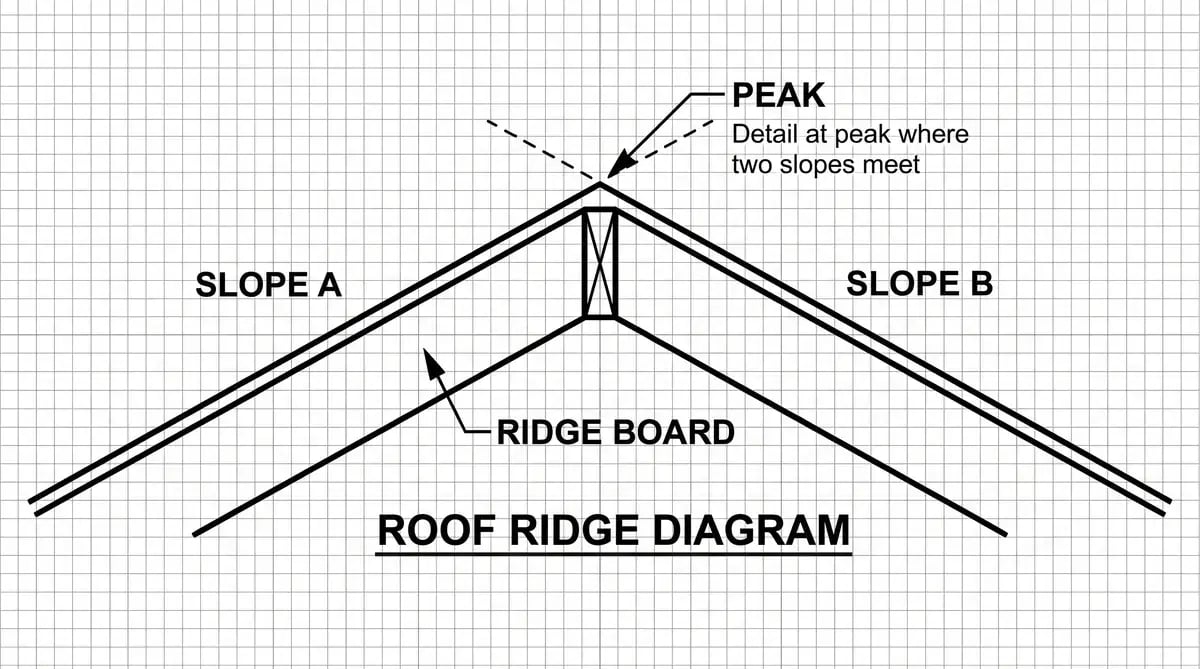
Ridge capping seals the peak where two roof slopes meet. Proper ridge caps come pre-bent to fit roof angles perfectly, unlike regular shingles that some contractors incorrectly use as cost-cutting measures.
Ventilation and penetration management
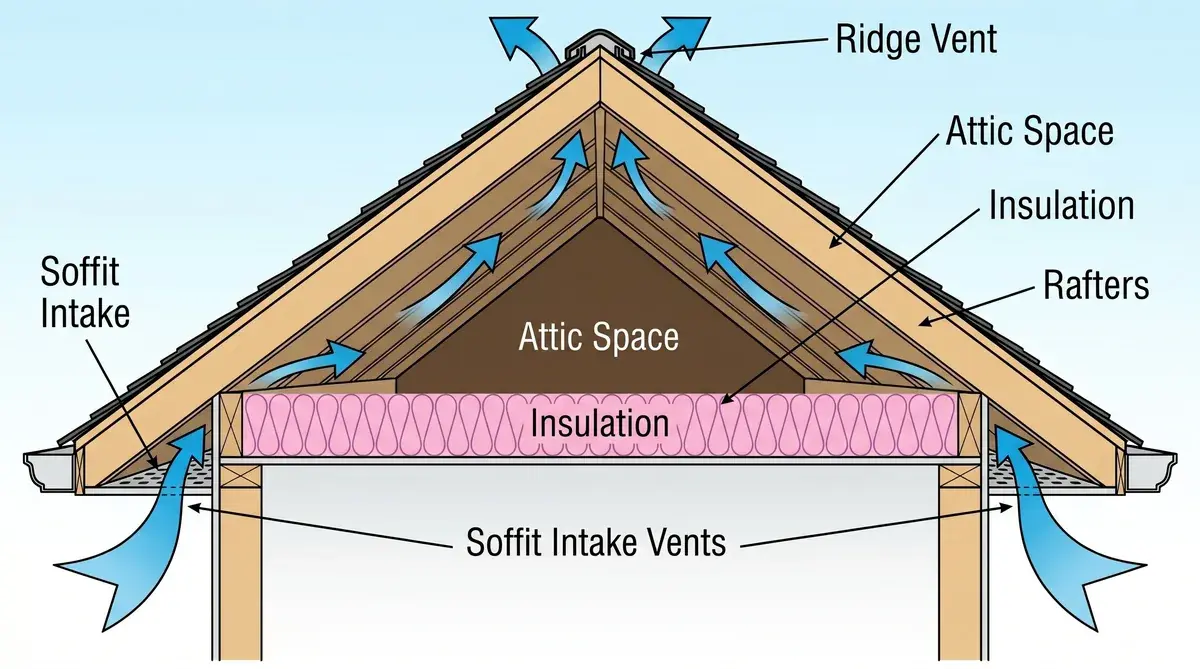
Effective roof ventilation prevents moisture buildup and extends shingle lifespan by maintaining proper attic temperature. Two ventilation systems are available: active systems use powered fans, turbines, or solar vents to force air movement, while passive systems rely on natural airflow through ridge vents and soffit openings.
The International Residential Code requires minimum ventilation area of 1/150 of the insulated ceiling area, reducible to 1/300 when proper high and low vent placement is achieved. In the humid Little River and Myrtle Beach climate, inadequate ventilation leads to moisture problems, premature shingle deterioration, and increased energy costs.
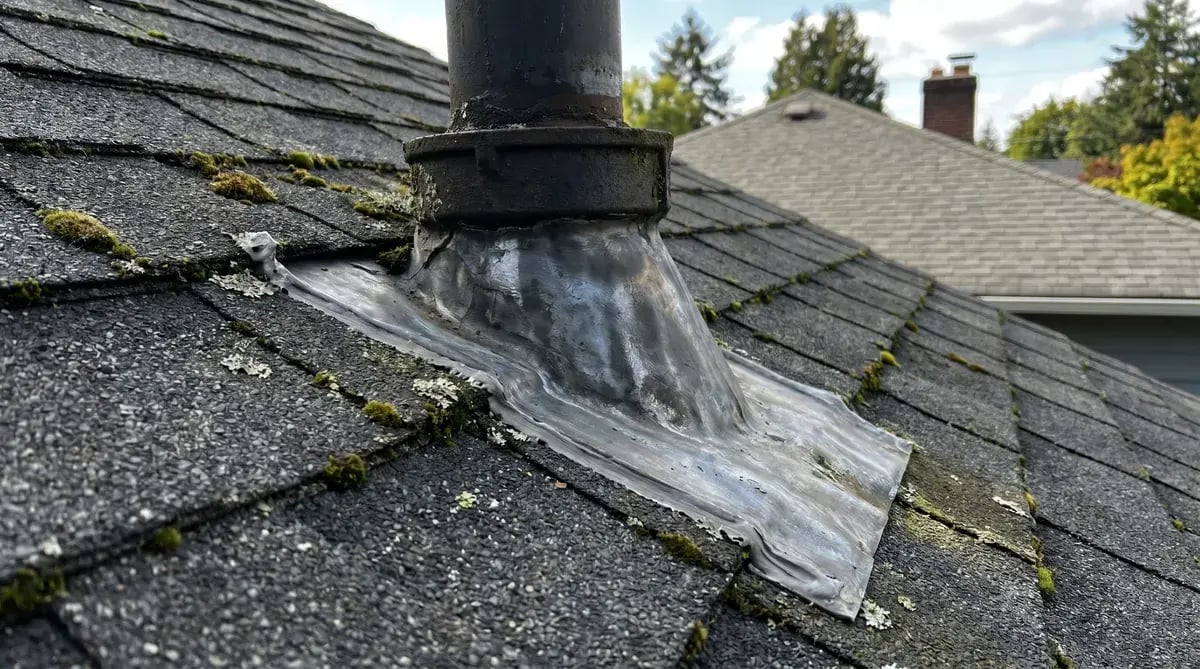
Pipe boots seal plumbing and electrical penetrations extending through your roof. These synthetic rubber components prevent water infiltration around vent pipes, electrical conduits, and other roof-mounted equipment. Pipe boots require replacement during roof installation since they deteriorate over time and represent common leak sources.
Maintenance Tip: Regular pipe boot inspection prevents the most common roof leaks, as these components crack and fail before other roof elements show wear.
Understanding how these nine components work together helps you evaluate roof replacement proposals and ensure contractors include all necessary elements. Each component protects specific vulnerabilities while contributing to overall system performance. When properly installed and maintained, this integrated approach provides decades of reliable weather protection for your home.
The investment in quality components and proper installation pays dividends through reduced maintenance costs, improved energy efficiency, and enhanced home protection. Working with experienced contractors like Linta Roofing, who understand component interactions and local coastal conditions, ensures your new roof system delivers optimal performance and longevity in the challenging Myrtle Beach environment. Linta Roofing is an IKO ROOFPRO Craftsman Premier contractor, which lets it offer IKO Extended Iron Clad Protection warranties on the materials it installs.