.png?width=200&height=78&name=LR_Logo_vector_horizontal_color_shadow%20(1).png)

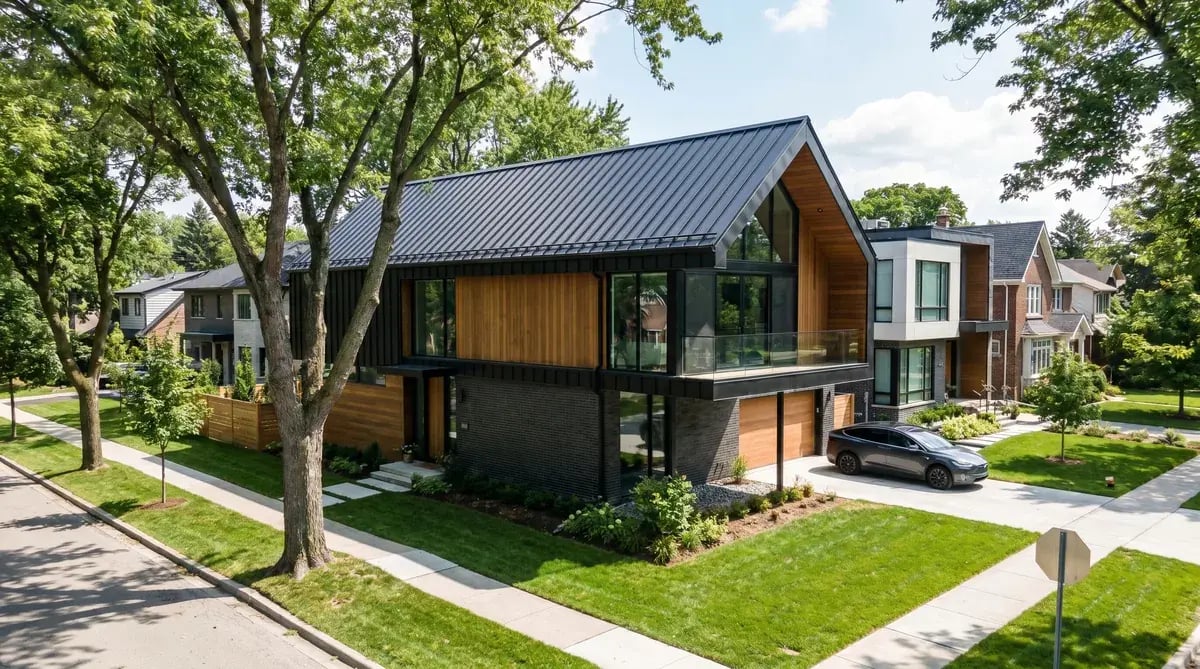
Choosing the right metal roofing material for your Myrtle Beach area home can feel overwhelming with so many options available. Steel, aluminum, copper, zinc, and stainless steel each offer unique benefits, but which one delivers the best value for your specific situation in coastal South Carolina?
Metal roofing lasts 40 to 70 years compared to asphalt shingles' 15 to 30 years, offers superior wind resistance up to 140+ mph, and can reduce cooling costs by up to 25% through reflective properties. The key is matching the right metal type and roof system to your climate, budget, and long-term plans.
Quick Fact: Standing seam metal roofs with concealed fasteners typically last 50-70 years, while exposed fastener systems last 20-35 years due to fastener maintenance needs.
As a family-owned roofing company serving the Myrtle Beach area since 1948, Linta Roofing has helped homeowners navigate these decisions for decades. This guide breaks down the main metal roofing materials, roof system types, and provides a clear framework for choosing what works best for your coastal home.
What makes metal roofing different from asphalt shingles
Metal roofing fundamentally outperforms asphalt in several key areas that matter to homeowners. While asphalt shingles typically last 15-30 years, metal roofs deliver 40-70+ years of protection with minimal maintenance.
Metal is one of several materials Linta Roofing installs: Linta Roofing installs and repairs asphalt shingle, metal, tile, cedar and flat roofs, and have transparent pricing for every one of them. Linta also handles inspections, maintenance plans, emergency response, insurance claim support and full replacement.
The durability difference goes beyond just time. Metal roofs resist fire, handle extreme weather better, and maintain their protective qualities throughout their lifespan. They also reflect 40-70% of solar energy, reducing cooling costs significantly in hot climates like the Myrtle Beach area.
Most importantly, choosing the right combination of metal material and roof system determines whether you get 30 years or 70+ years from your investment. The material (steel, aluminum, copper) and the profile system (standing seam, exposed fastener, metal shingles) work together to create your roof's performance characteristics.
Main types of metal roofing materials for homes
Understanding your material options helps you balance cost, performance, and aesthetics. Each metal type serves different needs and budgets, with special considerations for coastal South Carolina's salt air environment.
| Material | Typical Lifespan | Relative Cost | Weight | Best For | Key Drawbacks |
|---|---|---|---|---|---|
| Galvalume Steel | 40-60 years | Low-Medium | Medium | Most homes, inland areas | Salt air corrosion |
| Aluminum | 40-50+ years | Medium-High | Light | Coastal homes | Softer, dents easier |
| Copper | 70-100+ years | Very High | Medium | Premium, lifetime investment | Very expensive |
| Zinc | 80-100+ years | High | Medium | Self-healing, eco-friendly | Limited contractors |
Steel roofing (galvanized and Galvalume)
Steel roofing dominates residential metal roofing because it delivers the best balance of cost, strength, and availability. You'll encounter two main types: galvanized steel (zinc coating) and Galvalume steel (aluminum-zinc alloy coating).
Galvalume steel performs better in most climates, offering superior corrosion protection and typically lasting 40-60 years. It costs slightly more than galvanized but provides better long-term value. Both types work with standing seam, exposed fastener, and metal shingle systems.
The main limitation is salt air exposure, which can cause rusting. In the Myrtle Beach area, especially within 1,500 feet of breaking surf, steel requires special coatings or you should consider aluminum instead. For inland areas of Horry and Georgetown counties, Galvalume steel with a quality paint system like Kynar 500 delivers excellent performance at reasonable cost.
Aluminum roofing
Aluminum excels in coastal and high-humidity environments where steel might corrode. Its natural oxide layer prevents rust completely, making it the go-to choice for homes near saltwater or in consistently humid climates like the Grand Strand region.
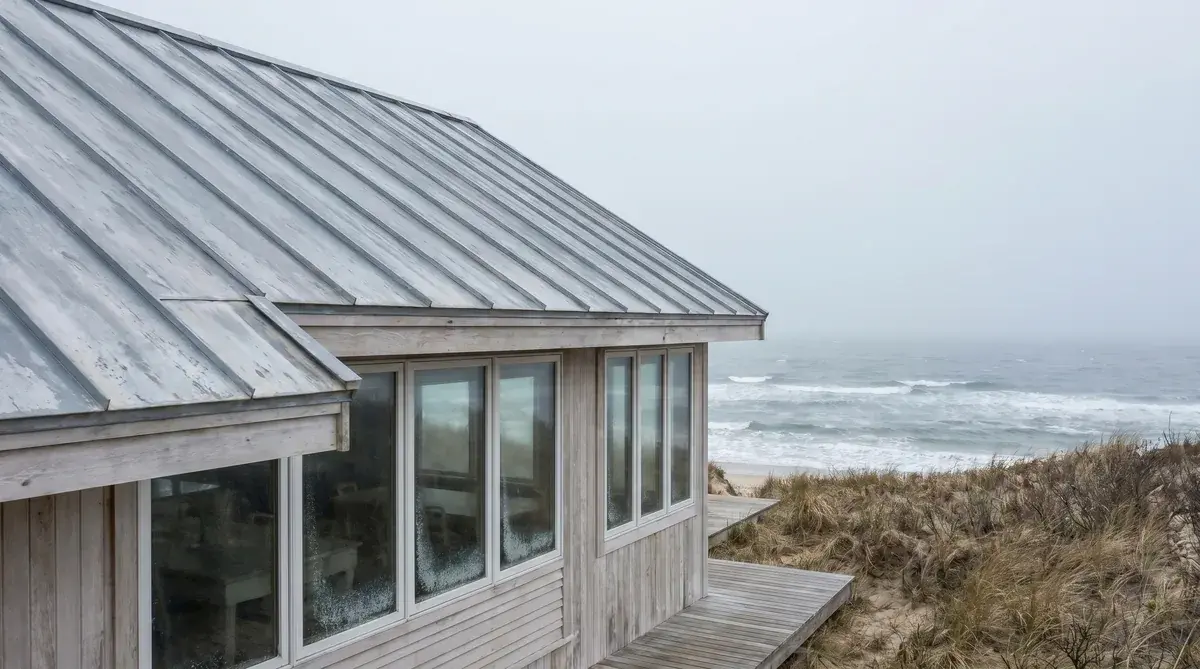
The lightweight nature makes aluminum easier to install on complex roof shapes and reduces structural load. However, aluminum costs 10-15% more than comparable steel and dents more easily from hail or falling branches.
For Myrtle Beach area homeowners, aluminum's corrosion resistance often justifies the higher cost, especially for properties close to the ocean. Inland homeowners in our service area typically choose aluminum when they want the lightest possible roof or have specific architectural requirements that favor aluminum's workability.
Copper roofing
Copper represents the premium end of metal roofing, offering 70-100+ year lifespans when properly installed. The distinctive appearance and natural patina development make copper a standout architectural feature that enhances curb appeal significantly.
The patina process creates a protective layer that actually improves corrosion resistance over time. Scratches self-heal as the patina reforms. This makes copper virtually maintenance-free once installed, though the upfront investment is substantial.
Consider This: Copper roofing can cost 3-4 times more than steel initially, but when divided over its 80+ year lifespan, the annual cost often competes with premium steel systems.
Copper works best for homeowners planning to stay long-term, those wanting maximum curb appeal, or properties where the distinctive look fits the architectural style. The main drawbacks are high cost, potential runoff staining, and limited contractor expertise in some areas.
Zinc roofing
Zinc offers similar longevity to copper with unique self-healing properties. When scratched, zinc naturally forms a protective carbonate layer that seals the damage and prevents corrosion. This makes zinc roofs extremely low-maintenance over their 80-100+ year lifespans.
The environmental benefits appeal to eco-conscious homeowners. Zinc requires less energy to produce than other metals and is fully recyclable. The matte blue-gray patina provides a distinctive European aesthetic that works well with modern and traditional architecture.
Limited contractor familiarity in many US markets can make installation more challenging and expensive. Zinc also costs significantly more than steel or aluminum, though less than copper in most cases.
Main types of residential metal roof systems
The roof system or profile type affects performance, cost, and maintenance as much as the metal material itself. Understanding these options helps you make the right choice for your specific needs in the Myrtle Beach area.
Standing seam metal roofing
Standing seam systems use concealed fasteners and raised seams that interlock panels together. This creates the most weather-resistant metal roof design available, with no exposed fasteners to leak or require maintenance.
The clean, modern appearance works well with contemporary and farmhouse styles. Standing seam also provides the best platform for solar panel installation since panels can attach to the seams without roof penetrations.
Expect to pay $10-18 per square foot installed for standing seam systems. The higher cost delivers 50-70 year performance with minimal maintenance, making it the premium choice for most residential applications.
Exposed fastener (corrugated and ribbed panels)
Exposed fastener systems offer the most affordable entry into metal roofing, typically costing $7-12 per square foot installed. Corrugated and ribbed panels attach directly to the roof deck with screws and rubber washers visible on the surface.
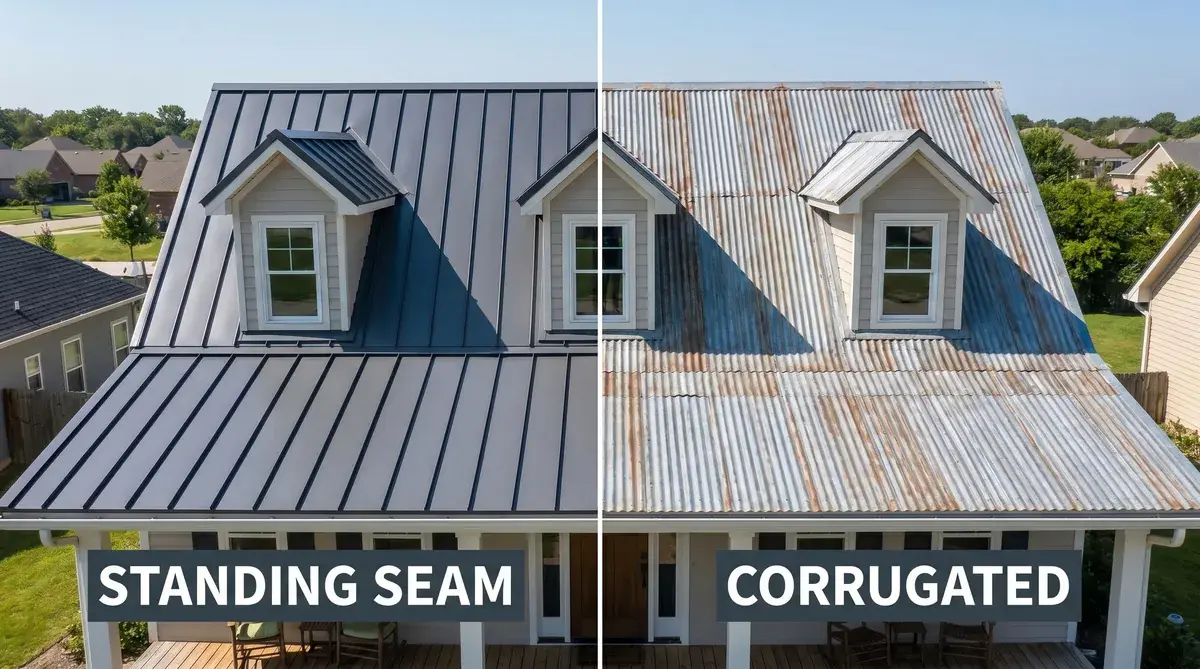
The main trade-off is maintenance. Rubber washers degrade under UV exposure and thermal cycling, requiring inspection and replacement every 15-20 years. This limits the effective lifespan to 20-35 years in most cases.
Exposed fastener systems work well for budget-conscious homeowners, agricultural buildings, or situations where the industrial aesthetic fits the design goals. They provide metal's durability and weather resistance at a fraction of standing seam's cost.
Metal shingles and tiles
Metal shingles mimic traditional roofing materials like asphalt shingles, cedar shakes, or slate tiles while providing metal's performance benefits. They use interlocking installation with concealed fasteners, similar to standing seam systems.
This option works perfectly for neighborhoods with HOA restrictions or historic districts where standing seam panels might not fit the architectural requirements. Metal shingles typically cost $10-16 per square foot installed.
The stamped patterns and texture help reduce rain noise compared to smooth metal panels. Installation complexity falls between exposed fastener and standing seam systems, requiring experienced contractors for best results.
How to choose the best metal roof for your Myrtle Beach home
Selecting the right metal roofing involves evaluating several key factors that affect long-term performance and satisfaction. This framework helps you narrow down your options systematically for coastal South Carolina conditions.
Your climate and location
Climate drives many metal roofing decisions in the Myrtle Beach area. Coastal areas within 15 miles of saltwater should prioritize aluminum or specially coated steel to prevent corrosion. Galvanized steel performs poorly in salt air environments.
Hurricane-prone regions like ours benefit from thicker gauge materials and impact-rated systems. Steel generally resists hail better than aluminum, while copper and zinc show excellent impact resistance despite being softer metals.
The humid subtropical climate of the Grand Strand region favors smooth standing seam profiles that shed water naturally and resist moisture-related issues. The continuous panels handle thermal expansion better than systems with many seams or fasteners.
Budget and total cost of ownership
Initial cost varies dramatically between materials and systems. Exposed fastener steel panels start around $7 per square foot, while copper standing seam can exceed $25 per square foot installed.
However, lifetime cost tells a different story. A $15,000 exposed fastener roof lasting 25 years costs $600 annually. A $30,000 standing seam roof lasting 60 years costs $500 annually. The premium option actually delivers better value over time.
Money-Saving Tip: Calculate cost per year of service life rather than just upfront cost. Many premium metal roofs cost less annually than budget options when you factor in their extended lifespans.
Consider financing options and potential insurance discounts. Many insurers offer 10-35% discounts for impact-resistant metal roofing, especially in hurricane-prone areas like the Myrtle Beach region.
Curb appeal and architectural style
Metal roofing offers tremendous design flexibility, but certain combinations work better with different architectural styles. Modern and farmhouse designs showcase standing seam beautifully, while traditional homes often benefit from metal shingles that maintain familiar proportions.
Color selection affects both aesthetics and performance. Darker colors absorb more heat but may fade faster in intense sun. Lighter colors reflect more heat and typically maintain their appearance longer, especially with premium paint systems like Kynar 500.
Consider how the roof will look as it ages. Steel and aluminum maintain their appearance throughout their lifespans, while copper and zinc develop distinctive patinas that some homeowners love and others find concerning.
Maintenance and local contractor expertise
Different metals and systems require varying levels of ongoing maintenance. Standing seam and metal shingle systems need minimal attention once installed properly. Exposed fastener systems require periodic screw tightening and washer replacement.
Contractor availability affects both installation quality and long-term service. Steel and aluminum systems have widespread contractor support, while copper and zinc require specialists who may be limited in certain regions.
Research local contractors before finalizing your material choice. As a GAF and Owens Corning recognized contractor serving Horry County, Georgetown County, and surrounding areas, we've seen how the best metal roof poorly installed performs worse than a basic system installed expertly. Quality installation matters more than premium materials in many cases.
Choosing the right combination for your coastal home
The decision between metal roofing materials and systems depends on balancing your priorities around cost, performance, aesthetics, and maintenance. Most homeowners in the Myrtle Beach area find success with aluminum standing seam systems, which offer excellent durability and corrosion resistance for coastal conditions.
Coastal homeowners should seriously consider aluminum despite the higher cost, as the corrosion resistance provides better long-term value in salt air environments. Budget-conscious homeowners can achieve good results with exposed fastener systems if they're prepared for periodic maintenance.
For those planning to stay in their homes long-term and wanting maximum curb appeal, copper or zinc roofing provides unmatched longevity and distinctive aesthetics. The key is working with experienced contractors who understand both the material properties and proper installation techniques for your chosen system.
That installation work comes with real manufacturer-backed protection: Linta Roofing is an IKO ROOFPRO Craftsman Premier contractor, which lets it offer IKO Extended Iron Clad Protection warranties on the materials it installs.
