.png?width=200&height=78&name=LR_Logo_vector_horizontal_color_shadow%20(1).png)

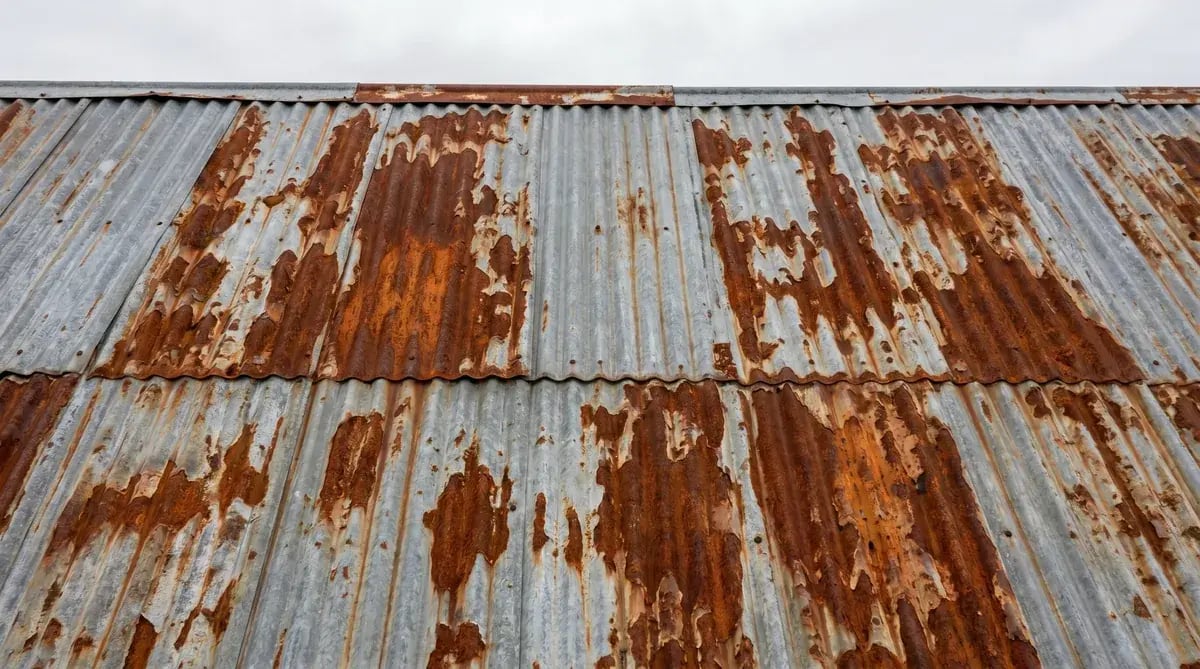
If your metal roof is showing orange-brown rust spots, you can often stop the damage and extend its life with proper assessment and treatment. Rust on metal roofs doesn't always mean you need a full replacement. In many cases, you can repair metal roof rust with thorough cleaning, rust treatment, and protective recoating.
Metal roofs are designed for durability, but exposure to moisture, salt air, and environmental factors can wear down protective coatings over time. This is especially true in coastal areas like Myrtle Beach, where salt air from the Atlantic Ocean accelerates corrosion on steel and galvanized surfaces. The key is catching rust early and addressing it before it compromises the roof's structural integrity.
Quick Answer: Most surface rust on metal roofs can be repaired by cleaning the area, applying a rust converter, and recoating with metal-specific paint. However, widespread rust covering more than 30% of panels or causing holes may require professional repair or replacement.
This guide is for homeowners in the Myrtle Beach area dealing with surface rust, flaking panels, or minor corrosion on steel or tin roofs. You'll learn how to assess rust severity, remove it safely, protect your roof from future damage, and know when to call a professional for help.
What causes rust on a metal roof
Understanding why metal roofs rust helps you prevent future problems and choose the right repair approach. Most metal roofs use steel or aluminum with protective coatings like zinc galvanization or specialized paint systems to guard against corrosion.
Metal is just one of the materials Linta Roofing installs and repairs: Linta Roofing installs and repairs asphalt shingle, metal, tile, cedar and flat roofs, and have transparent pricing for every one of them. Linta also handles inspections, maintenance plans, emergency response, insurance claim support and full replacement.
Rust develops when these protective barriers break down, allowing moisture and oxygen to react with the underlying metal. Weather exposure is the primary culprit, especially heavy rain, snow, and salty coastal air that gradually wear away coatings. In the Myrtle Beach area, the combination of humid subtropical climate and proximity to the ocean creates particularly challenging conditions for metal roofing systems. Poor drainage can create standing water on roof surfaces, accelerating the corrosion process.
Installation issues also contribute to rust problems. Improperly sealed fasteners, exposed cut edges, and small gaps between panels create entry points for moisture. When dissimilar metals come into contact, galvanic corrosion can occur, causing faster deterioration at connection points.
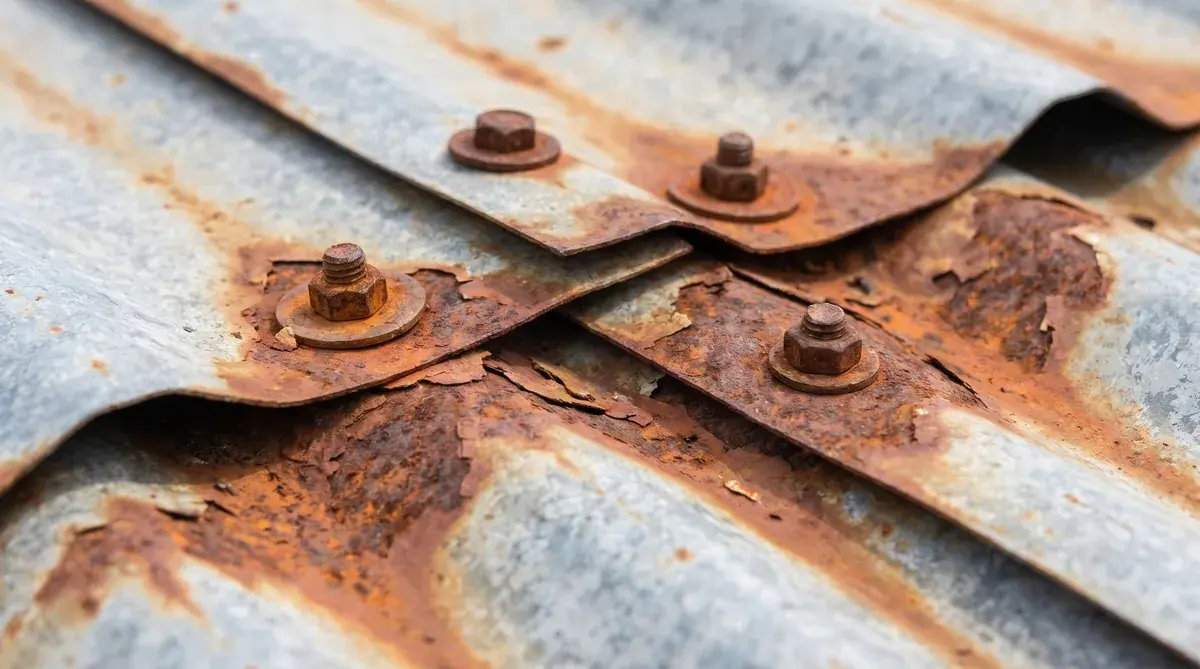
Mechanical damage from hail, falling branches, or foot traffic during maintenance can scratch protective coatings and expose bare metal. Even minor scratches become rust starting points if left untreated. Regular maintenance helps identify and address these vulnerable spots before rust spreads—particularly important in coastal South Carolina where salt air can quickly exploit any weakness in protective coatings.
How to tell if rust on your metal roof is serious
Before attempting any repairs, you need to assess whether the rust is manageable or requires professional intervention. Start your inspection from the ground using binoculars, then move to a safe ladder position if needed.
Surface rust appears as light orange or brown discoloration that hasn't penetrated deeply into the metal. This type often responds well to cleaning and treatment. Look for flaking paint or coating around the rust spots, which indicates the protective layer is failing.
Deep pitting creates small holes or craters in the metal surface and signals more serious corrosion. If you can see through the metal or notice soft spots when pressing gently, the structural integrity may be compromised. Active leaks, water stains in your attic, or sagging roof sections require immediate professional attention.
Safety Note: Never walk on a rusted metal roof, as weakened panels may not support your weight. Use proper ladder safety and consider hiring a professional for steep or high roofs.
Check fasteners and seams carefully, as these areas are prone to rust development. Loose or missing screws, lifted panel edges, or gaps in sealant indicate moisture intrusion points that need addressing during repairs.
Step-by-step metal roof rust repair process
Successful rust repair requires the right materials and systematic approach. You'll need a wire brush or sandpaper, rust converter, metal-specific primer, and topcoat paint designed for your roof material.
Start by cleaning the affected areas thoroughly. Use a wire brush to remove loose rust and flaking paint, being careful not to damage the underlying metal. For larger areas, a palm sander with fine-grit sandpaper works efficiently. Rinse the cleaned surface with water and allow it to dry completely before proceeding.
Apply rust converter according to manufacturer instructions. This chemical treatment converts iron oxide into a stable compound that won't continue spreading. Most converters require 24 hours to cure properly, so plan your work around weather conditions—particularly important in the Myrtle Beach area where afternoon thunderstorms are common during summer months.
Once the converter has cured, apply a rust-inhibiting primer designed for metal roofing. This creates a protective barrier between the metal and topcoat. Use a brush or roller for even coverage, paying special attention to seams and fastener areas.
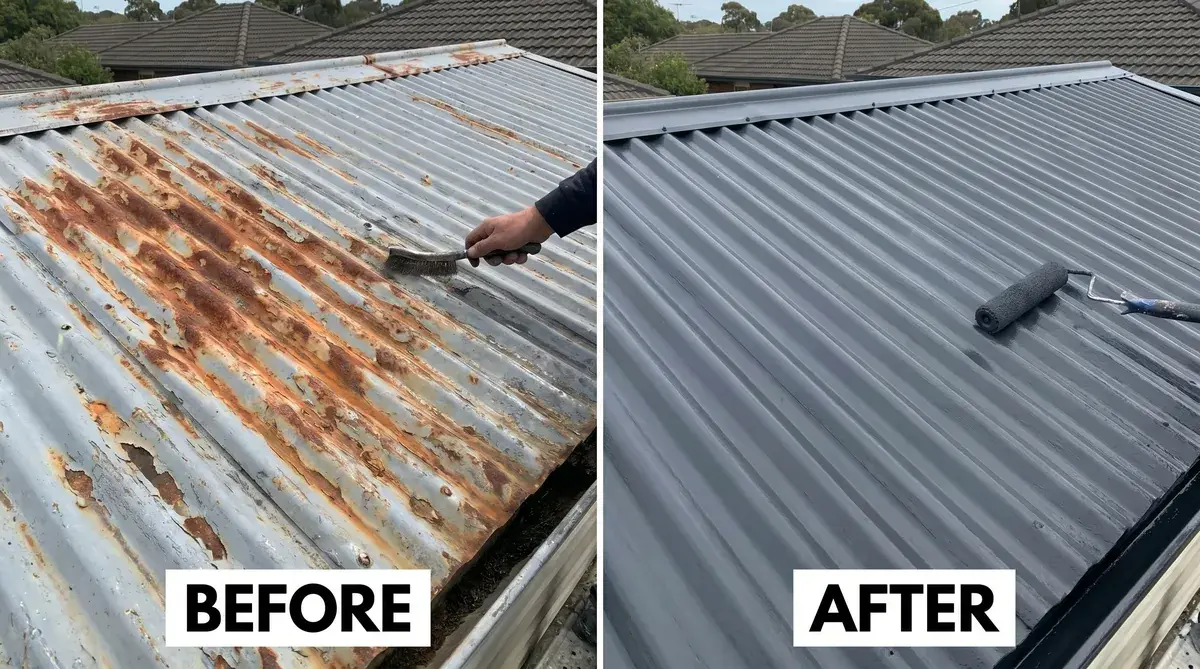
Finish with a high-quality metal roof paint that matches your existing color. Apply thin, even coats rather than one thick layer to ensure proper adhesion and durability. Allow adequate drying time between coats as specified by the manufacturer.
Long-term protection and maintenance strategies
Prevention is more cost-effective than repeated repairs, so establishing a maintenance routine protects your investment. Schedule roof inspections twice yearly, ideally in spring and fall, to catch problems early. This is especially important in coastal areas where salt air can accelerate corrosion.
Keep your roof clean by removing debris like leaves and branches that can trap moisture against the metal surface. Use a soft brush and mild detergent for cleaning, avoiding harsh chemicals or abrasive tools that might damage protective coatings.
Monitor high-risk areas including valleys, seams, fasteners, and roof penetrations where rust commonly starts. Touch up any scratches or damaged coating promptly with appropriate primer and paint to prevent moisture intrusion.
Consider recoating your entire roof every 10-15 years, depending on your climate and coating type. In the Myrtle Beach area's challenging coastal environment, you may need to recoat more frequently to maintain optimal protection. This proactive approach maintains the protective barrier and extends roof life significantly compared to reactive repairs.
Maintenance Tip: Trim tree branches that hang over your roof to reduce debris accumulation and prevent scratching from wind movement.
When rust damage requires professional help
While minor rust patches are manageable for most homeowners, extensive damage needs professional assessment and repair. Call a qualified contractor when rust covers more than 30% of your roof surface or when you discover structural damage like holes or sagging panels.
Professional help is essential if you're uncomfortable working at heights or lack experience with metal roofing systems. Contractors have specialized equipment for safe roof access and can identify hidden problems that aren't visible from the ground.
Consider replacement rather than repair when rust has compromised multiple panels or the roof substrate shows signs of weakness. A professional can evaluate whether partial replacement or full roof replacement offers better long-term value.
| Rust Severity | DIY Repair | Professional Needed | Typical Solution |
|---|---|---|---|
| Surface spots | Yes | No | Clean, convert, recoat |
| Moderate pitting | Maybe | Recommended | Patch or panel replacement |
| Holes/structural damage | No | Yes | Panel replacement or full roof |
| Widespread rust (>30%) | No | Yes | Partial or complete replacement |
For severe rust damage, modern metal roofing options include galvanized steel with enhanced zinc coatings, naturally rust-resistant aluminum panels, and standing seam systems with fewer exposed fasteners. These materials offer improved longevity in corrosive environments like the Myrtle Beach coastal area.
Rust on your metal roof doesn't have to spell disaster for your home's protection. With proper assessment, timely treatment, and regular maintenance, you can extend your roof's life and maintain its weather-resistant properties. Whether you tackle minor rust spots yourself or work with professionals for extensive damage, taking action quickly prevents small problems from becoming costly replacements. Remember that a well-maintained metal roof can serve your Myrtle Beach area home reliably for decades with the right care and attention to the unique challenges of coastal living.
That repair work comes with real manufacturer-backed protection: Linta Roofing is an IKO ROOFPRO Craftsman Premier contractor, which lets it offer IKO Extended Iron Clad Protection warranties on the materials it installs.