.png?width=200&height=78&name=LR_Logo_vector_horizontal_color_shadow%20(1).png)

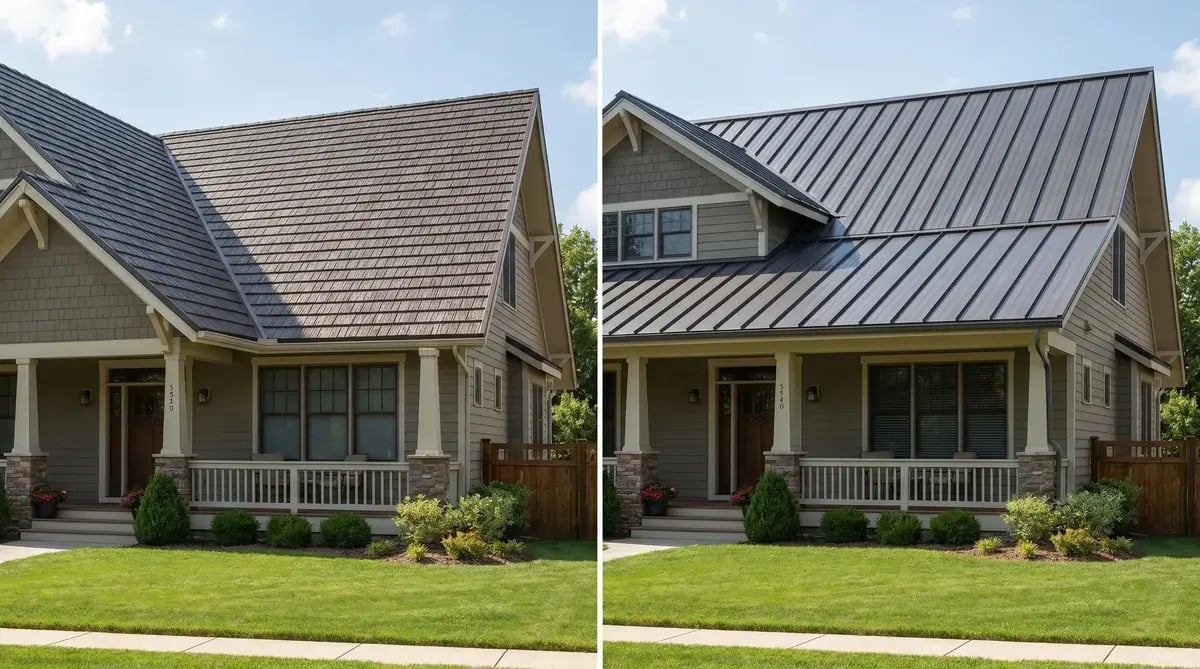
When choosing between standing seam and 5V metal roofing for your Myrtle Beach area home, the decision comes down to budget versus premium features. Standing seam systems cost $12-$18 per square foot with concealed fasteners and a sleek modern appearance, while 5V crimp roofing costs $7-$12 per square foot with exposed fasteners and a traditional ribbed profile. Both deliver 40+ year durability, but their installation methods, maintenance requirements, and aesthetic appeal differ significantly.
Metal is just one of the materials Linta Roofing installs: Linta Roofing installs and repairs asphalt shingle, metal, tile, cedar and flat roofs, and have transparent pricing for every one of them. Linta also handles inspections, maintenance plans, emergency response, insurance claim support and full replacement.
Key Insight: Standing seam roofing costs 30-50% more than 5V systems but offers superior wind resistance (140-180 mph vs 110-130 mph) and longer lifespan with minimal maintenance due to concealed fasteners—particularly important for coastal South Carolina homes facing hurricane-force winds.
Understanding these differences helps you make the right choice for your home's architectural style, weather exposure, and long-term budget considerations in the Grand Strand region.
Quick comparison overview
The fundamental difference between these systems lies in their fastener approach and resulting performance characteristics. Here's how they stack up across key decision factors for coastal homeowners:
| Feature | Standing Seam | 5V Metal Roofing |
|---|---|---|
| Cost per sq ft | $12-$18 installed | $7-$12 installed |
| Fasteners | Concealed clips | Exposed screws |
| Wind resistance | 140-180 mph | 110-130 mph |
| Lifespan | 50-75 years | 40-50 years |
| Maintenance | Minimal | Periodic fastener checks |
5V roofing works well for budget-conscious homeowners who prefer traditional aesthetics, while standing seam suits those prioritizing long-term performance and modern design—especially important considerations for homes in hurricane-prone areas like Horry and Georgetown counties.
What is standing seam metal roofing?
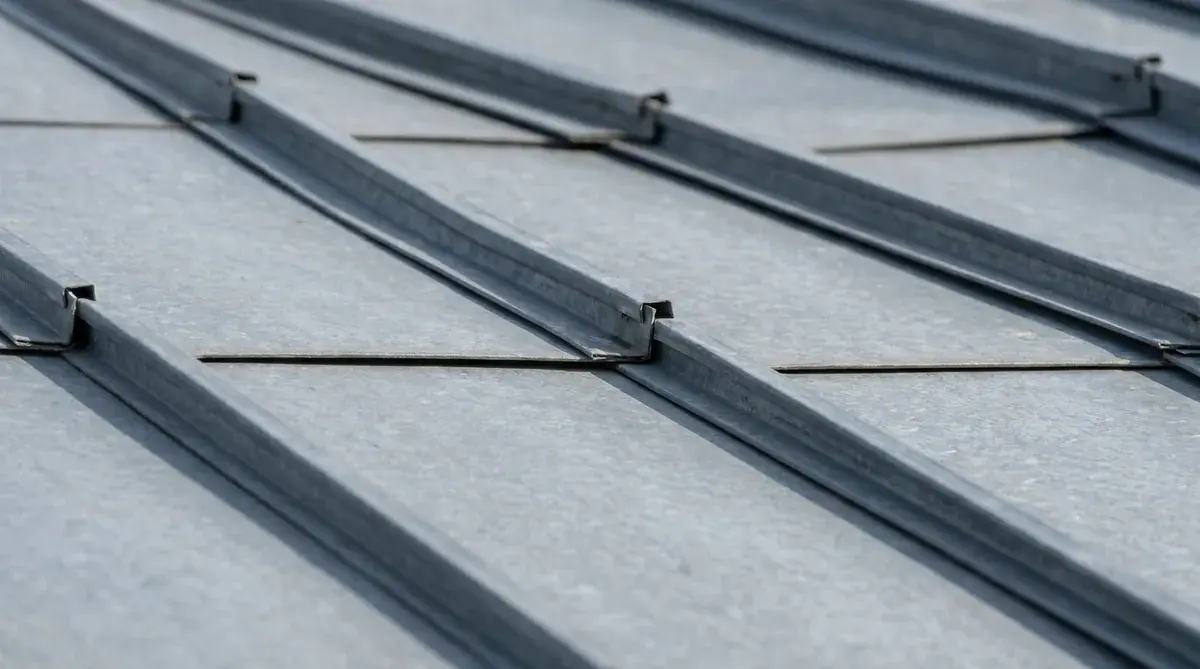
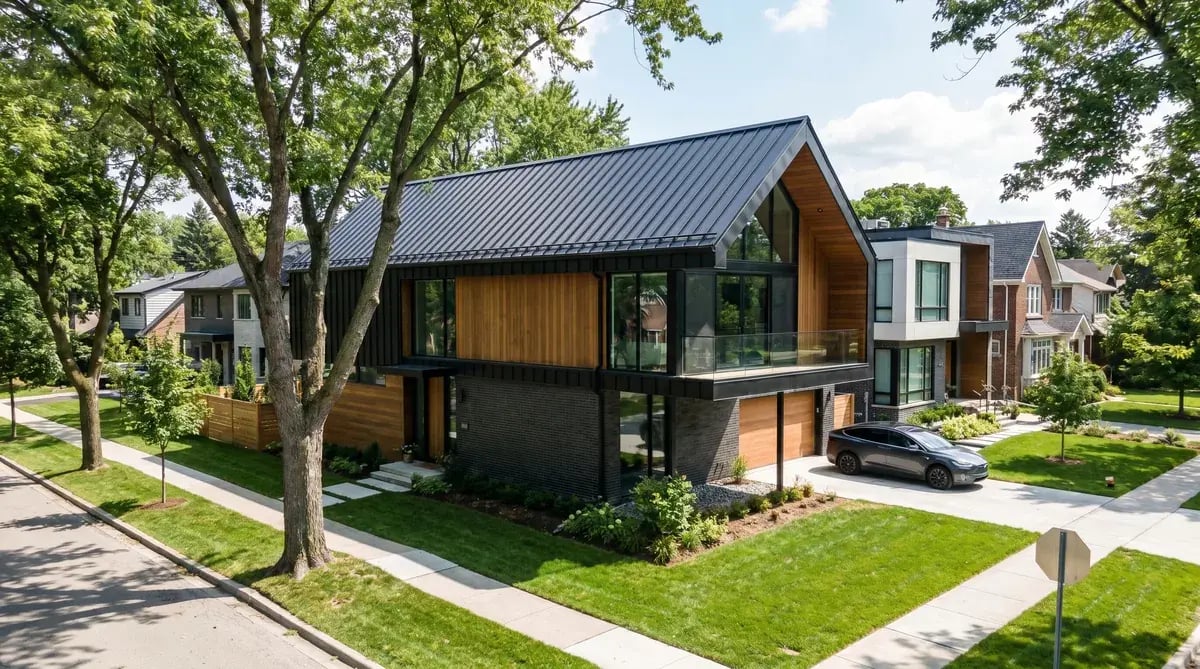
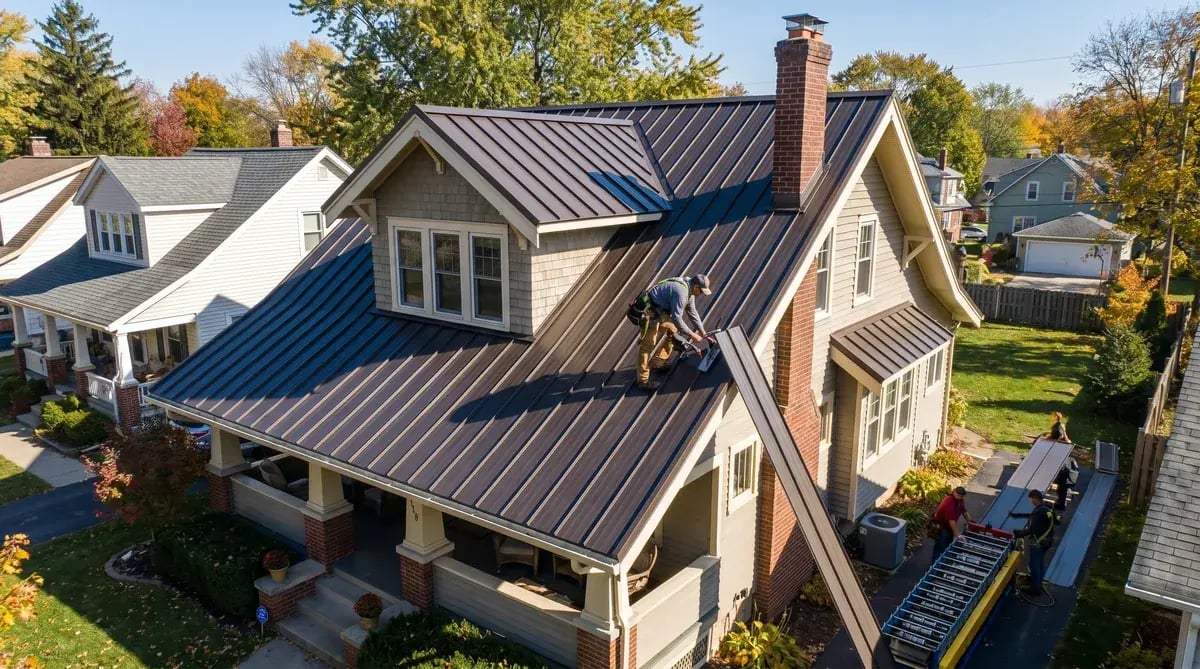
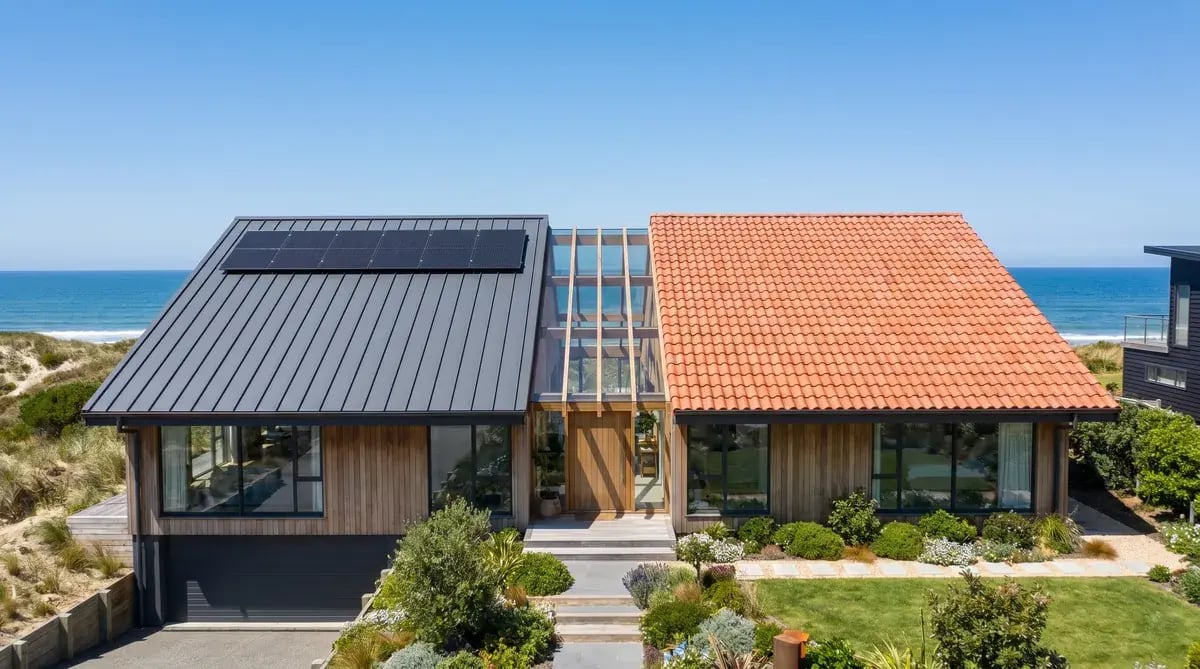
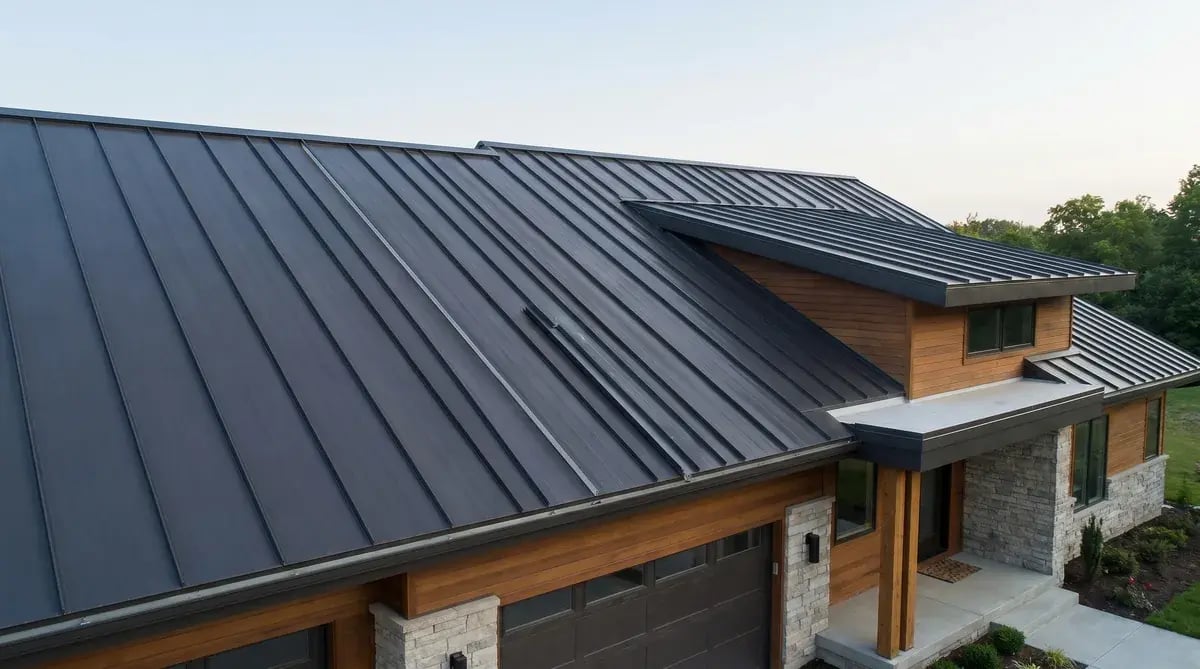
Standing seam metal roofing features vertical panels with raised interlocking seams that run from ridge to eave. The panels attach to the roof deck through concealed clips beneath the seams, leaving no visible fasteners on the surface.
This concealed fastener system allows panels to expand and contract with temperature changes without stressing attachment points—a crucial feature for coastal homes that experience significant temperature swings and salt air exposure. The result is superior weather protection and a clean, uninterrupted appearance that appeals to architects and homeowners seeking contemporary aesthetics.
Standing seam panels typically measure 12-24 inches wide and are available in steel, aluminum, or galvalume materials. The raised seams create distinctive shadow lines while providing excellent protection against water infiltration, making this system ideal for areas with severe weather conditions like the Myrtle Beach region.
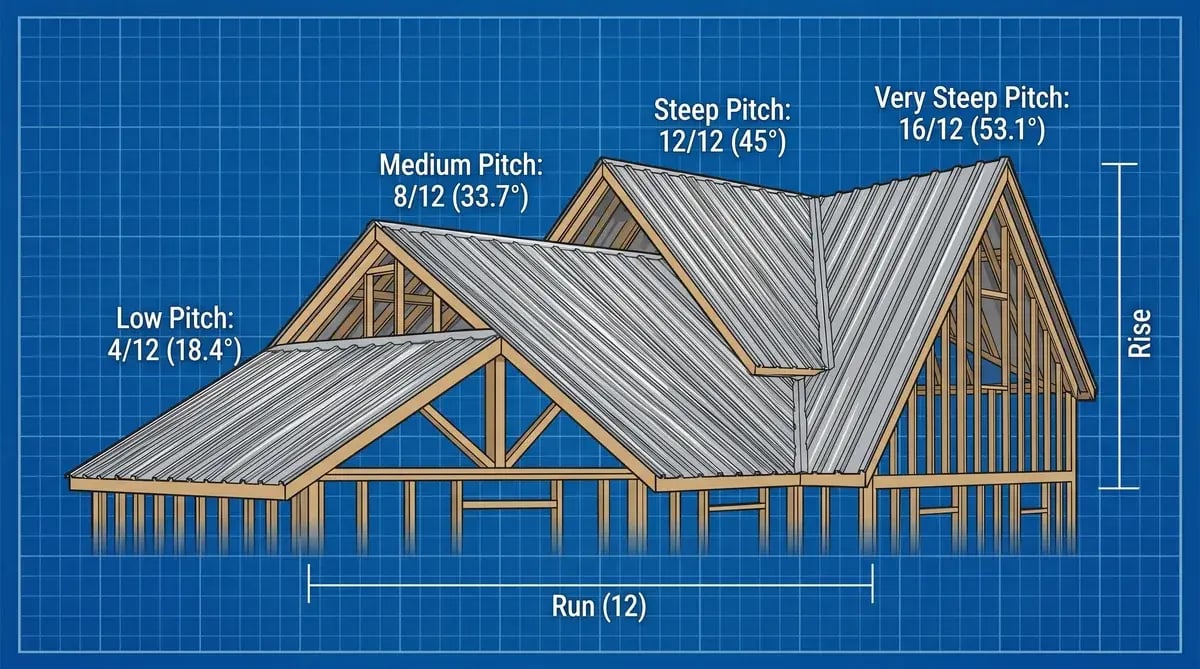
Weather Performance: Standing seam systems can handle roof slopes as low as 0.5:12 pitch with mechanical seaming, making them suitable for nearly flat commercial applications and low-slope residential designs common in coastal architecture.
What is 5V metal roofing?
5V metal roofing gets its name from the five evenly-spaced V-shaped vertical ribs that create its distinctive corrugated profile. These panels are typically 3 feet wide with exposed fasteners that screw directly through the panel face into the roof deck or purlins below.
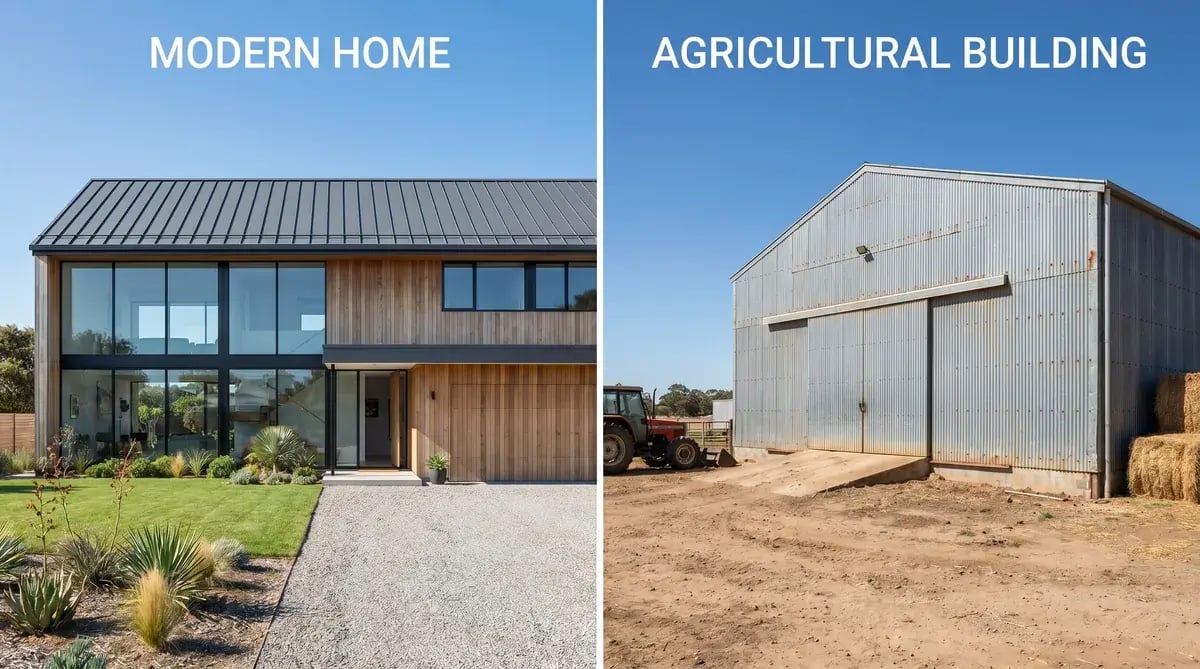
The V-shaped ribs provide structural strength while creating the traditional "metal barn roof" appearance that many homeowners associate with rural and agricultural buildings. Each fastener uses a neoprene washer to create a weatherproof seal around the penetration point—though these seals require more attention in coastal environments due to salt air and UV exposure.
This exposed fastener system makes 5V roofing faster and simpler to install than standing seam alternatives. The panels overlap by one rib to conceal the previous panel's edge, creating clean lines despite the visible fastener pattern. 5V systems work well on roof slopes of 3:12 or steeper and are commonly used on farmhouse, cottage, and rustic-style homes throughout the Little River and surrounding areas.
Standing seam vs 5V metal roofing comparison
Cost and installation differences
Standing seam systems require specialized tools and professional installation expertise, driving up both material and labor costs. The concealed clip system demands precise measurements and proper seaming techniques to ensure weather-tight performance—particularly critical for homes in hurricane-prone coastal areas.
5V roofing offers significant cost savings through simpler installation methods. The exposed fastener approach allows for faster installation times and makes the system accessible to experienced DIY installers, though professional installation remains recommended for optimal performance, especially in the challenging coastal climate of South Carolina.
Durability and maintenance requirements
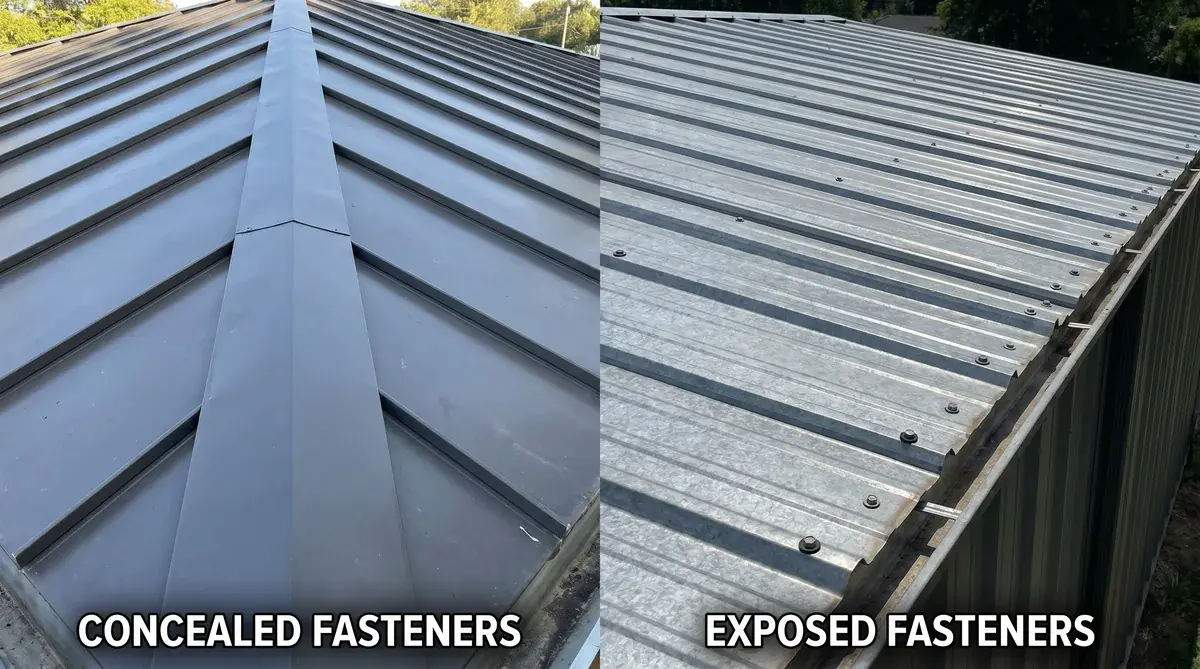
The concealed fastener design gives standing seam a clear advantage in long-term durability. Without fastener penetrations through the panels, there are fewer potential leak points and no gasket seals that degrade over time from UV exposure and salt air—major concerns for coastal homeowners.
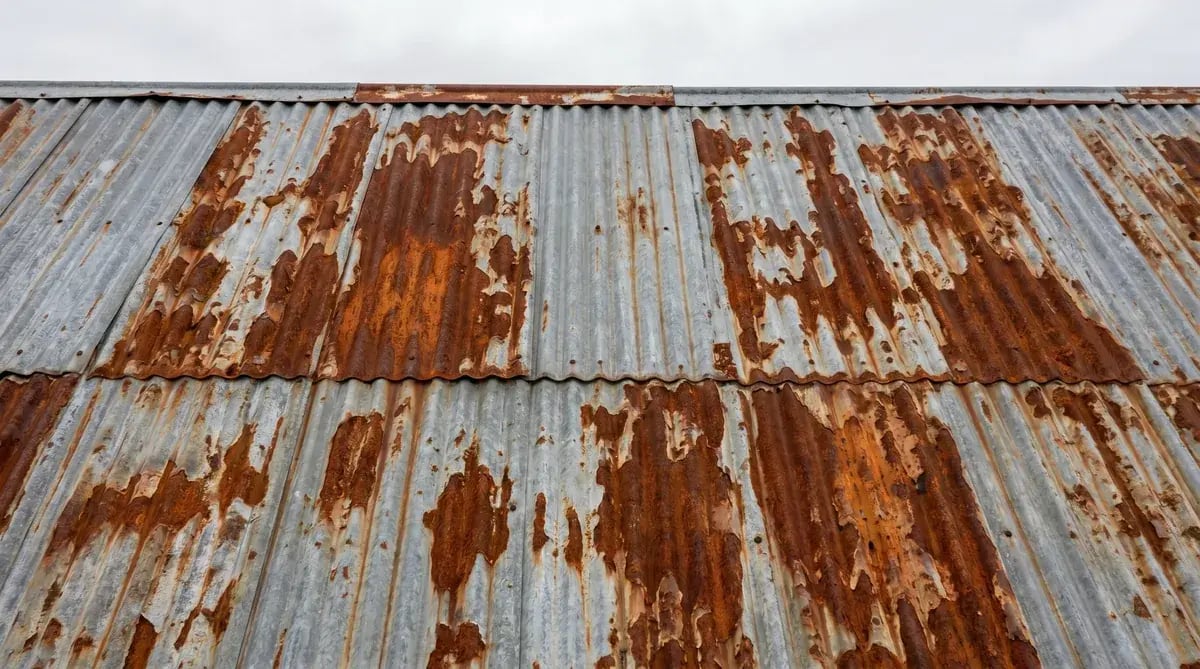
5V systems require periodic maintenance as the neoprene gaskets around exposed fasteners can wear after 10-15 years of weather exposure. In the Myrtle Beach area's intense sun and salt air environment, regular inspections help identify loose fasteners before they compromise the roof's weather protection, but this ongoing maintenance adds to the total cost of ownership.
Performance in severe weather
Standing seam roofing excels in high-wind conditions due to its interlocking seam design and lack of exposed fasteners—a critical advantage for homes in Horry County, Georgetown County, and Brunswick County that regularly face hurricane threats. The continuous weather barrier created by mechanically seamed or snap-lock panels provides superior protection against wind-driven rain and debris.
5V roofing performs adequately in moderate climates but shows limitations in extreme weather zones like coastal South Carolina. The exposed fasteners can loosen under repeated wind stress from tropical storms and hurricanes, and the gasket seals become more vulnerable to failure in areas with frequent temperature cycling or intense UV exposure common to the Grand Strand.
Wind Rating Reality: While both systems exceed typical residential wind requirements, standing seam's 140-180 mph ratings make it the clear choice for hurricane-prone coastal areas like the Myrtle Beach region where wind resistance is paramount.
Which roof system is better for your home?
Your choice between standing seam and 5V roofing should align with your home's architectural style, local weather conditions, and long-term budget considerations—particularly important factors for homeowners in the challenging coastal environment of South Carolina.
Choose standing seam if you have a modern or contemporary home design, live in the hurricane-prone Myrtle Beach area, or want minimal maintenance over the roof's lifetime. The higher upfront investment pays dividends through superior performance and longer lifespan, especially in challenging coastal climates where salt air and severe weather are regular concerns.
Select 5V roofing for traditional, farmhouse, or rustic home styles where the ribbed profile complements the architecture—popular choices for homes in Little River and surrounding rural areas. This system works well in moderate climates and provides excellent value for budget-conscious homeowners who don't mind periodic maintenance, though coastal exposure may require more frequent attention.
Consider your roof's slope requirements as well. Standing seam works on virtually any pitch, while 5V systems need at least a 3:12 slope for proper water drainage around the exposed fasteners—especially important in areas that receive heavy rainfall during hurricane season.
The decision ultimately balances initial cost against long-term performance. Standing seam delivers premium durability and aesthetics at a higher price point, while 5V roofing provides reliable protection and traditional appeal at a more accessible cost. Both systems significantly outperform asphalt shingles in longevity and weather resistance, making either choice a solid investment in your home's protection and value—though if you're considering other premium options, you might also explore metal shingles as an alternative.
That installation work comes with real manufacturer-backed protection: Linta Roofing is an IKO ROOFPRO Craftsman Premier contractor, which lets it offer IKO Extended Iron Clad Protection warranties on the materials it installs.