.png?width=200&height=78&name=LR_Logo_vector_horizontal_color_shadow%20(1).png)

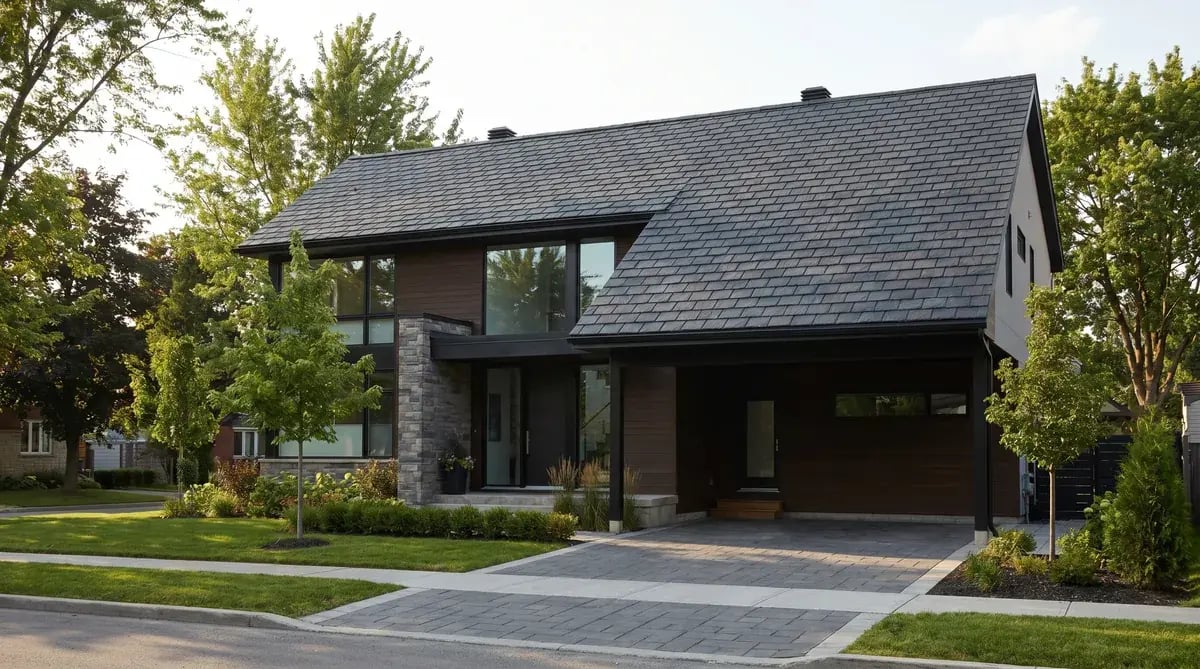
Composite shingles offer exceptional curb appeal and durability that can last 40-50 years, but they come with a premium price tag of $10-20 per square foot installed. If you're considering this synthetic roofing material for your Myrtle Beach area home, understanding the complete picture of benefits and drawbacks will help you make the right decision for your budget and long-term goals.
Linta Roofing installs and repairs asphalt shingle, metal, tile, cedar and flat roofs, and have transparent pricing for every one of them. Linta also handles inspections, maintenance plans, emergency response, insurance claim support and full replacement.
Key Insight: Composite shingles cost 2-3 times more than asphalt shingles upfront but can provide better value over decades due to their extended lifespan and minimal maintenance requirements.
These engineered shingles are made from recycled plastics, rubber, and polymers, designed to mimic the appearance of natural slate or cedar shake without the associated problems. While they're gaining popularity across coastal South Carolina, many homeowners in the Myrtle Beach region still have questions about whether the investment makes sense for their specific situation, especially given our unique coastal climate conditions.
What are composite shingles made of?
Composite roof shingles are manufactured using a blend of recycled materials including rubber, plastic, and synthetic polymers. The exact composition varies by manufacturer, but the goal remains consistent: create a durable roofing material that replicates the look of premium natural materials.
Most composite shingles use recycled plastics and rubber as their base, though some manufacturers like DaVinci use virgin resin instead of recycled content. Regardless of the specific materials used, these shingles are engineered to be completely recyclable at the end of their lifespan.
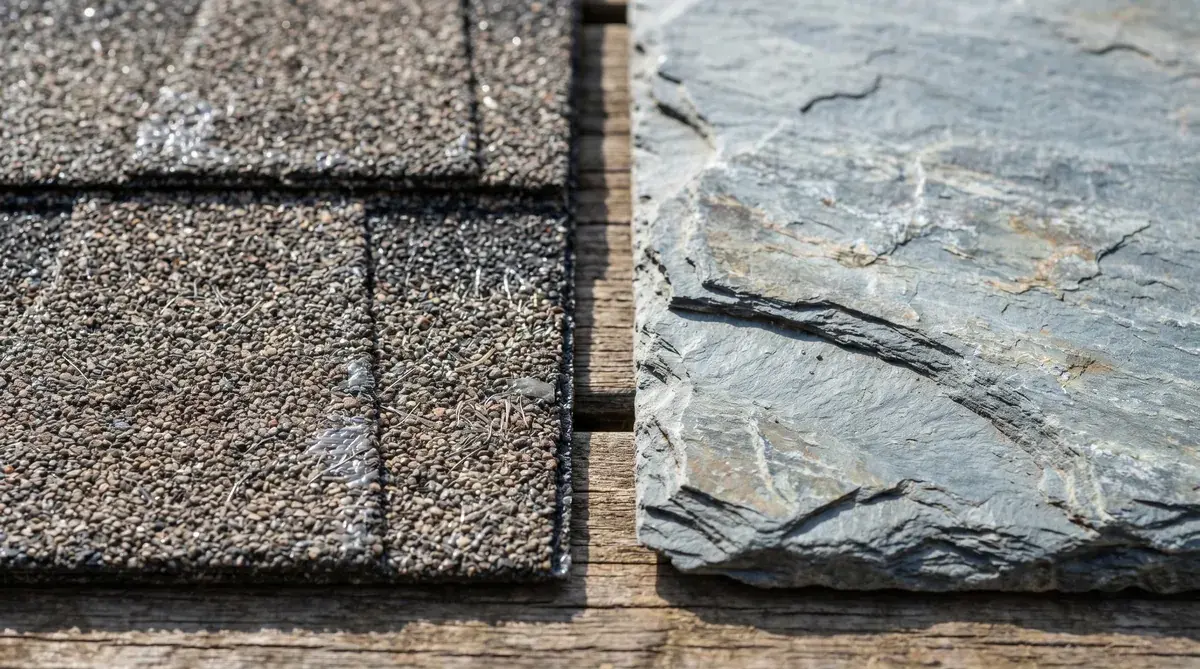
The manufacturing process involves molding these materials to create realistic textures and patterns. For slate-style composite shingles, manufacturers model them directly from real slate tiles and add hand-crafted details like chisel marks. Cedar shake versions feature authentic grain patterns and deep grooves that make them virtually indistinguishable from natural wood shingles when viewed from ground level.
The advantages of choosing composite shingles
Exceptional curb appeal and realistic appearance
The primary reason homeowners in the Myrtle Beach area choose composite shingles is their stunning visual impact. These shingles are meticulously designed to replicate natural slate and cedar shake, often fooling even experienced contractors when viewed from the ground. The attention to detail in manufacturing creates authentic-looking textures, color variations, and surface patterns that enhance your home's architectural appeal and property value in our competitive coastal real estate market.
Outstanding durability and storm resistance
Composite shingles excel in harsh weather conditions, with many products earning Class 4 impact ratings - the highest available for roofing materials. This is particularly valuable in the Myrtle Beach region where we face hurricane-force winds, coastal storms, and occasional hail. These shingles can withstand hail up to 2 inches in diameter and wind speeds of 110-130 mph without sustaining damage. Their flexibility allows them to absorb impacts that would crack or break traditional materials.
Weather Fact: Composite shingles with Class 4 impact ratings can qualify you for insurance discounts in many areas, helping offset the higher initial cost - especially important for coastal South Carolina homeowners dealing with higher insurance premiums.
Lightweight design eliminates structural concerns
Unlike natural slate that can weigh 600-900 pounds per square, composite shingles typically weigh only 120-150 pounds per square. This means you won't need expensive structural reinforcements that natural slate requires, saving thousands in additional construction costs while still achieving the same premium appearance. This is particularly beneficial for older homes in Little River and surrounding areas that may not have been designed to support heavy roofing materials.
Long lifespan with minimal maintenance
When properly installed by experienced contractors like those at Linta Roofing, composite shingles can last 40-50 years with minimal upkeep. They don't rot, crack, or curl like natural cedar shakes, and they resist algae and moss growth better than traditional asphalt shingles - a significant advantage in our humid coastal climate. This longevity makes them cost-competitive with cheaper materials when calculated over their full lifespan.
The drawbacks you need to consider
Significant upfront investment required
The biggest barrier for most homeowners in Horry and Georgetown counties is the initial cost. Composite shingles typically run $10-20 per square foot installed, compared to $4.50-7 for standard asphalt shingles. For an average 2,000 square foot roof, you're looking at $20,000-40,000 versus $6,000-12,000 for asphalt. This price difference can strain many budgets despite the long-term value proposition.
Complex installation process
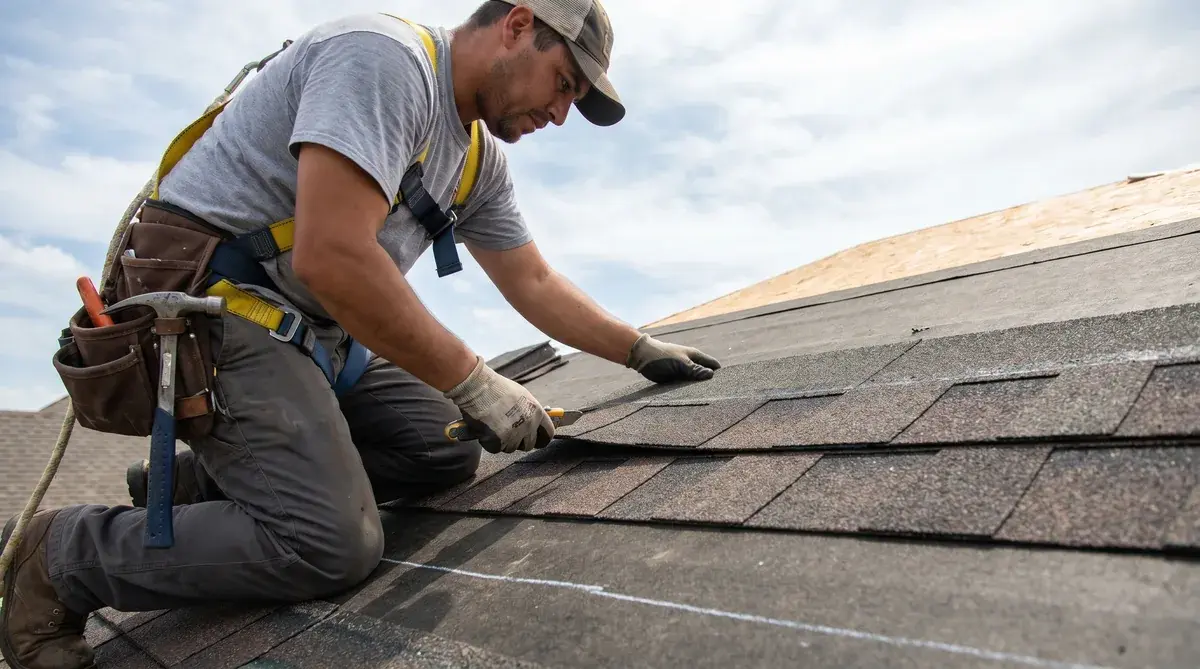
Composite shingles require more skill and time to install correctly than standard asphalt shingles. They must be installed individually with specific exposure requirements and cannot be bent or folded like traditional materials. This complexity means higher labor costs and the need to find contractors experienced with composite installation.
Limited contractor availability
Not all roofing contractors in the Myrtle Beach area have experience installing composite shingles, which can limit your options and potentially increase costs. The learning curve for inexperienced installers can lead to installation problems that affect performance and void warranties. At Linta Roofing, we work with major manufacturers like GAF, IKO, and Owens Corning, ensuring we have the expertise needed for proper composite shingle installation.
Newer technology with less long-term data
While composite shingles have been available for years, they're still relatively new compared to traditional roofing materials. This means less real-world data on extremely long-term performance in coastal environments like ours, though manufacturers typically back their products with substantial warranties that demonstrate confidence in durability.
Cost comparison and value analysis
Understanding the true cost of composite shingles requires looking beyond the initial price tag. Here's how they compare to other popular roofing materials in the Myrtle Beach market:
| Material | Cost per sq ft | Lifespan | Cost per year |
|---|---|---|---|
| Asphalt shingles | $3-6 | 15-20 years | $0.15-0.40 |
| Composite shingles | $10-20 | 40-50 years | $0.20-0.50 |
| Natural cedar shake | $20-28 | 30-50 years | $0.30-0.83 |
| Natural slate | $20-35 | 50-100 years | $0.20-0.70 |
When calculated on an annual basis, composite shingles become more competitive, especially when you factor in the reduced maintenance costs and potential insurance savings from their superior impact resistance - particularly valuable for coastal properties.
The key factors driving composite shingle costs include the advanced materials used, complex manufacturing processes, and specialized installation requirements. Premium finishes, metal accents, or copper flashing can push costs toward the higher end of the range.
Making the right decision for your home
Composite shingles make the most sense for homeowners in the Myrtle Beach area who plan to stay in their homes for 20+ years and prioritize appearance, durability, and low maintenance over initial cost savings. They're particularly valuable in our coastal region where their superior impact resistance provides both protection against storms and potential insurance benefits.
Consider composite shingles if you want the look of slate or cedar shake without the weight, maintenance, or vulnerability issues of natural materials in our humid coastal climate. They're also an excellent choice if you're building or renovating a higher-end home in areas like Pawleys Island or Litchfield Beach where curb appeal significantly impacts property value.
However, if you're working with a tight budget, planning to sell within 5-10 years, or need immediate roof replacement due to storm damage, traditional asphalt shingles might be the more practical choice despite their shorter lifespan in our coastal environment.
The decision ultimately comes down to balancing your budget, aesthetic goals, and long-term plans. While composite shingles require a larger upfront investment, their combination of beauty, durability, and low maintenance can provide excellent value for homeowners in the Myrtle Beach region who are committed to long-term property ownership. Linta Roofing is an IKO ROOFPRO Craftsman Premier contractor, which lets it offer IKO Extended Iron Clad Protection warranties on the materials it installs.
FAQ
What are composite shingles made of?
How long do composite shingles last?
Are composite shingles worth the cost?
What is a Class 4 impact rating on composite shingles?
Topics:
