.png?width=200&height=78&name=LR_Logo_vector_horizontal_color_shadow%20(1).png)

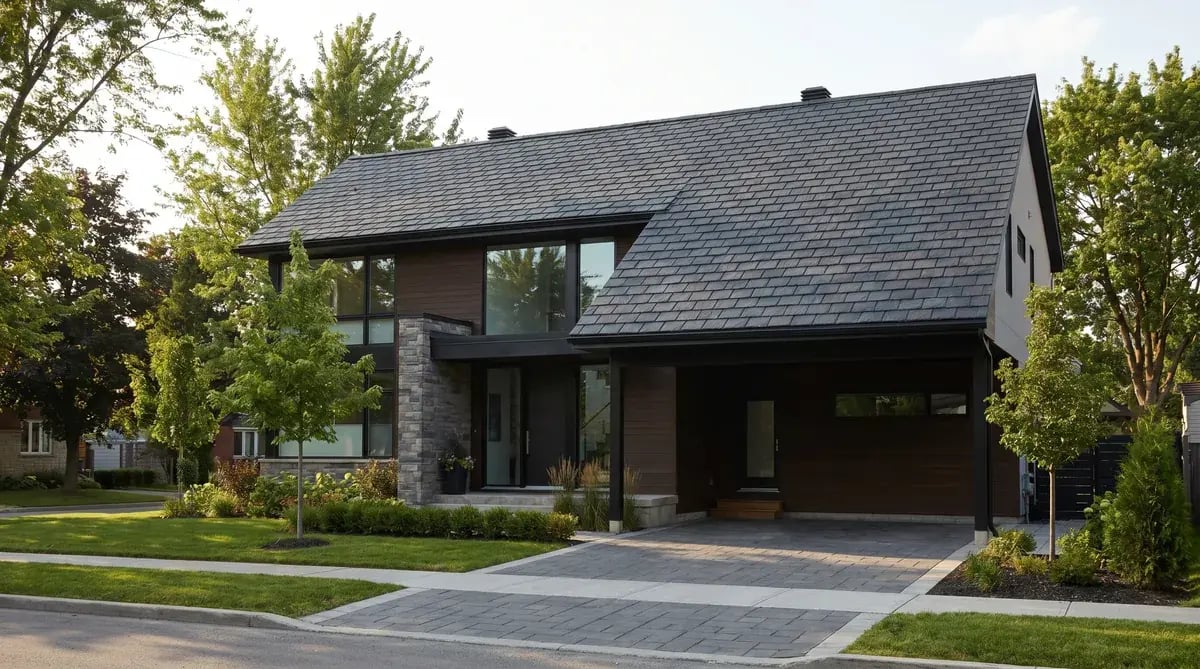
If you're tired of replacing your roof every 15-20 years or want the elegant look of slate without the crushing weight and cost, composite roofing might be exactly what you need. Living in the Myrtle Beach area, where coastal weather and salt air can be particularly demanding on roofing materials, composite roofing combines multiple materials like fiberglass, asphalt, recycled plastics, and polymers to create shingles that mimic premium materials while delivering superior durability and performance.
Quick Answer: Composite roofing typically costs $8-15 per square foot installed, lasts 30-50 years, and offers the appearance of natural slate or cedar shakes at a fraction of the weight and maintenance requirements.
This guide walks you through everything you need to know about composite roofing, from materials and costs to helping you decide if it's the right investment for your Myrtle Beach area home. Whether you're comparing different types of shingles or exploring alternatives to expensive natural materials, you'll have the information needed to make a confident decision.
What exactly is composite roofing
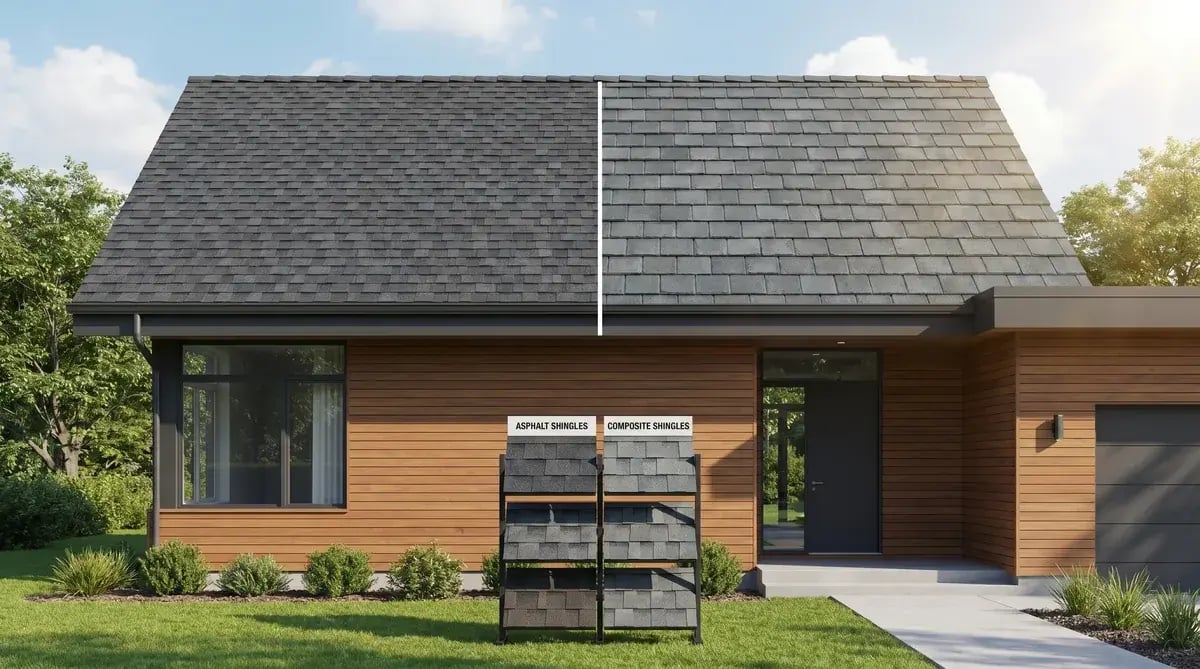
Composite roofing refers to shingles made from a engineered blend of materials rather than a single component. Think of it as the Swiss Army knife of roofing materials. Instead of relying on just asphalt or just wood, manufacturers combine the best properties of multiple materials to create something stronger and more versatile.
Composite is just one option Linta Roofing installs: Linta Roofing installs and repairs asphalt shingle, metal, tile, cedar and flat roofs, and have transparent pricing for every one of them. Linta also handles inspections, maintenance plans, emergency response, insurance claim support and full replacement.
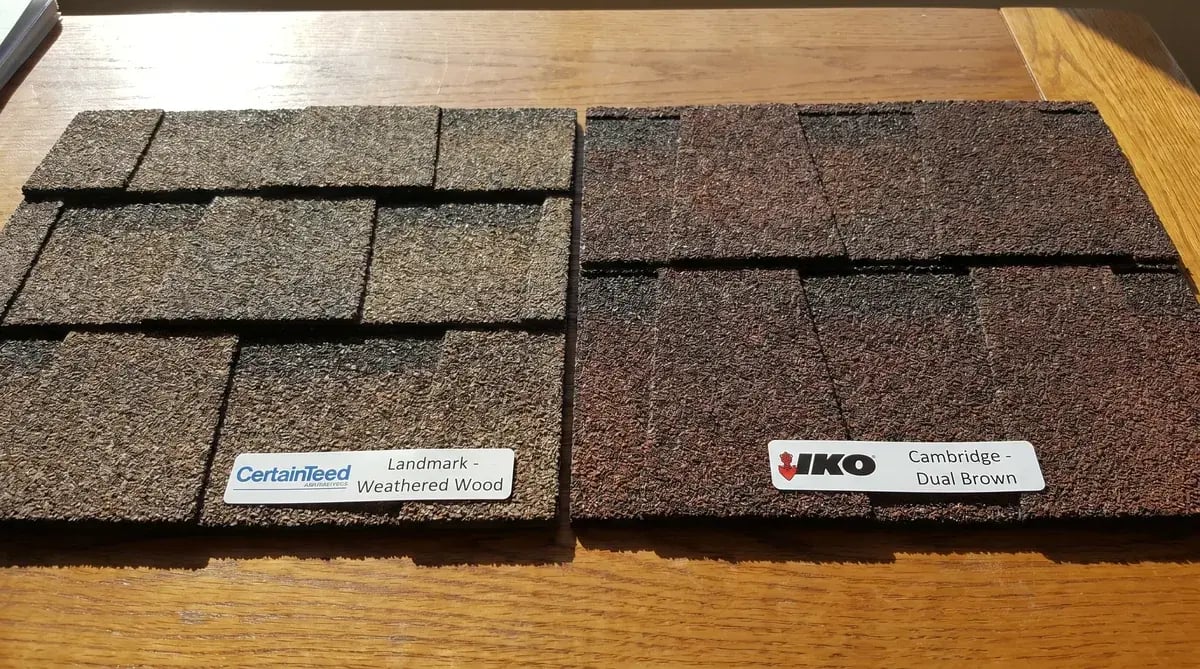
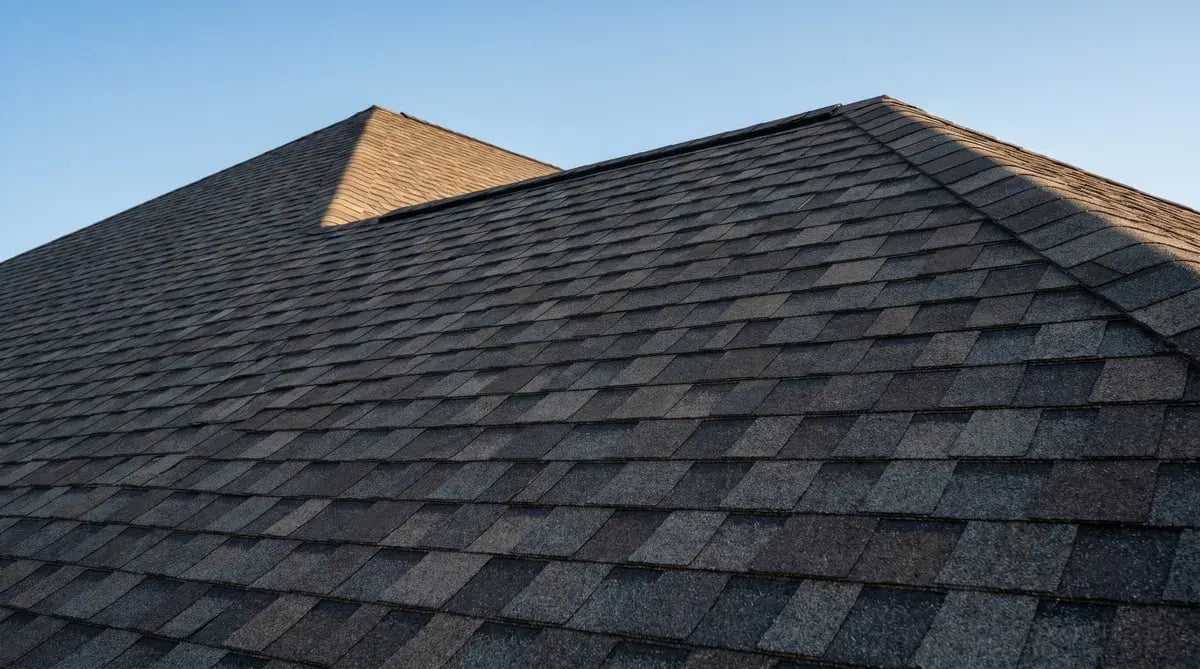
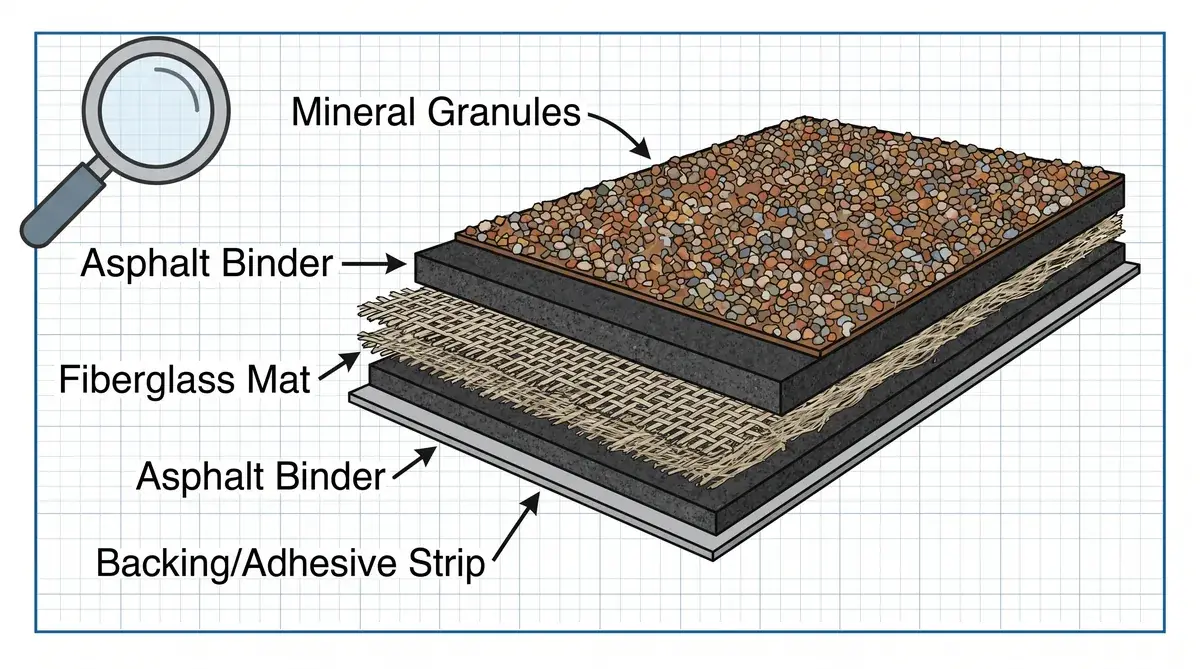
The most common composite shingles include a fiberglass mat base for strength, asphalt or polymer binders for waterproofing, mineral granules for UV protection and color, and often recycled plastics or rubber for enhanced durability. Some newer synthetic composites skip asphalt entirely, using advanced polymers and recycled materials to create incredibly realistic replicas of slate, cedar shakes, or clay tiles.
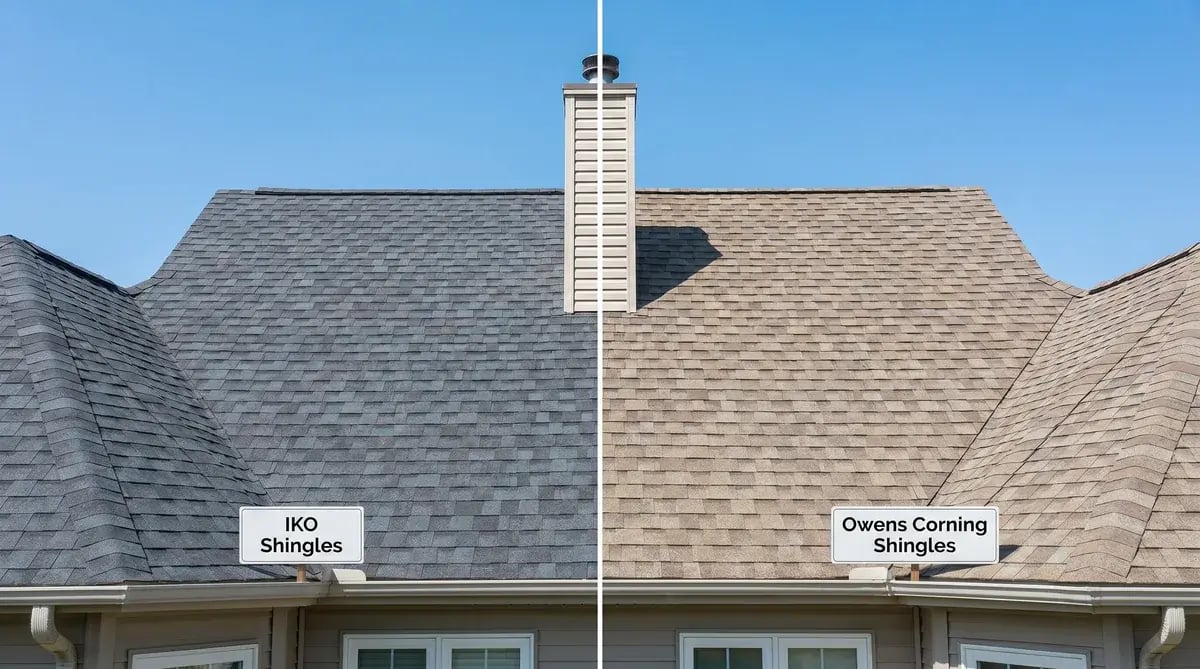
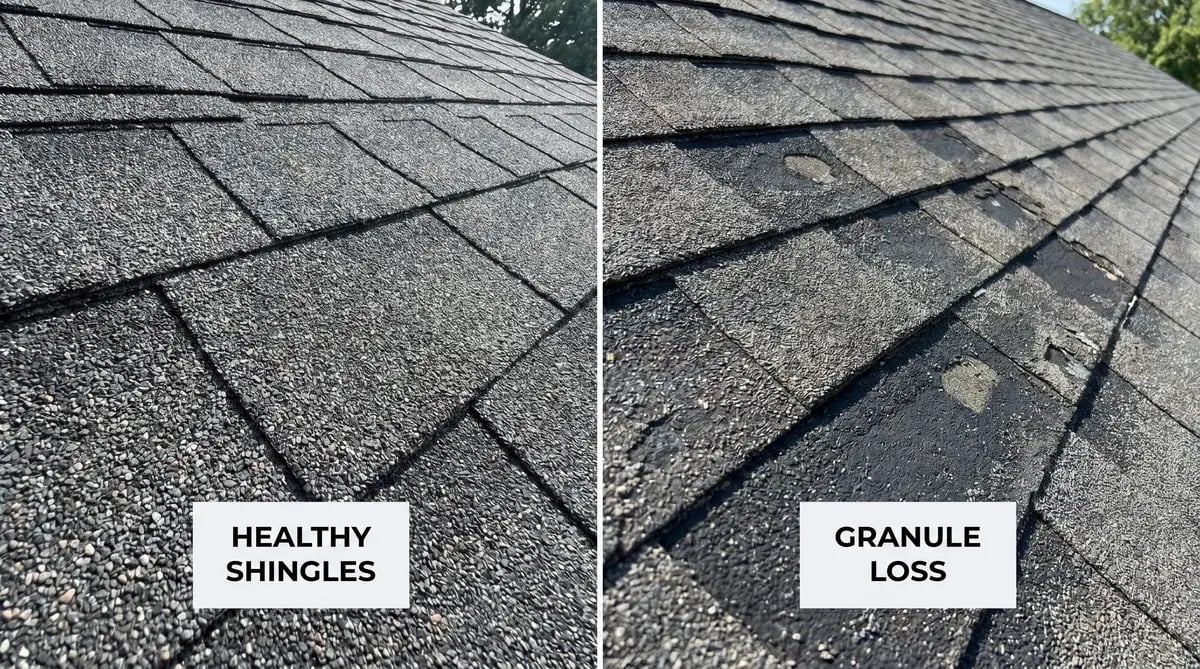
You might hear these products called composition roofing, synthetic shingles, or architectural shingles depending on the specific type and manufacturer. The key difference from basic asphalt shingles is the multi-material engineering that delivers better performance and appearance—particularly important in coastal environments like ours where salt air and intense UV exposure can accelerate material degradation.
Types of composite roofing and how they look
Composite roofing comes in several distinct styles, each designed to replicate different premium materials while offering practical advantages for Myrtle Beach area homes.
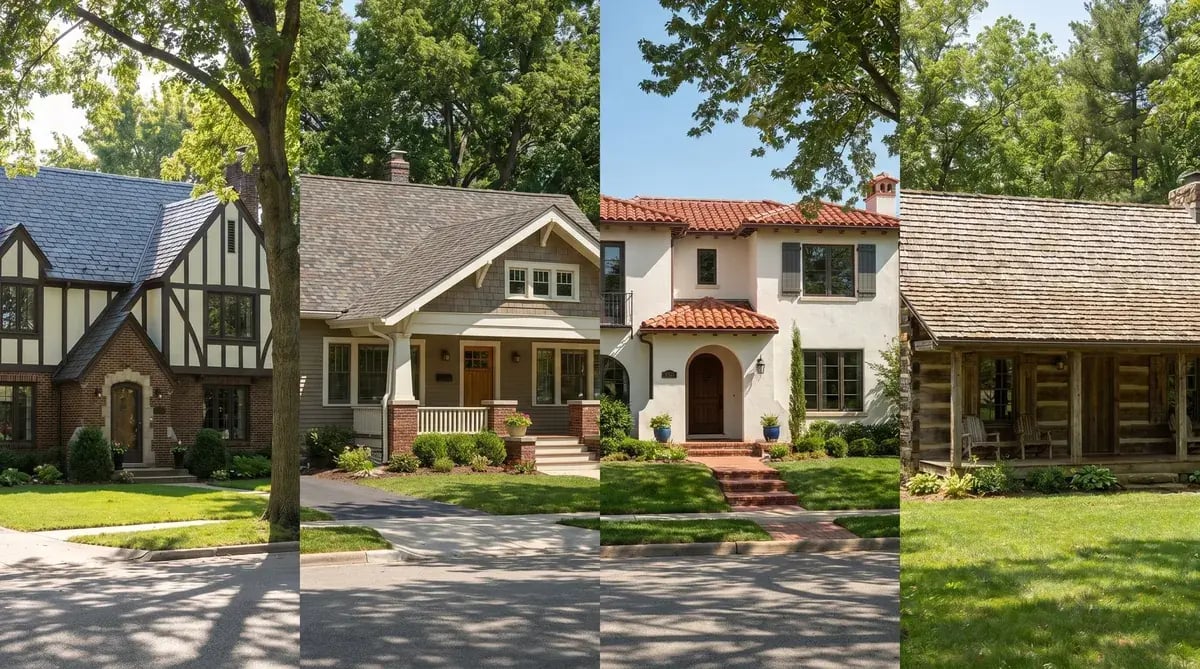
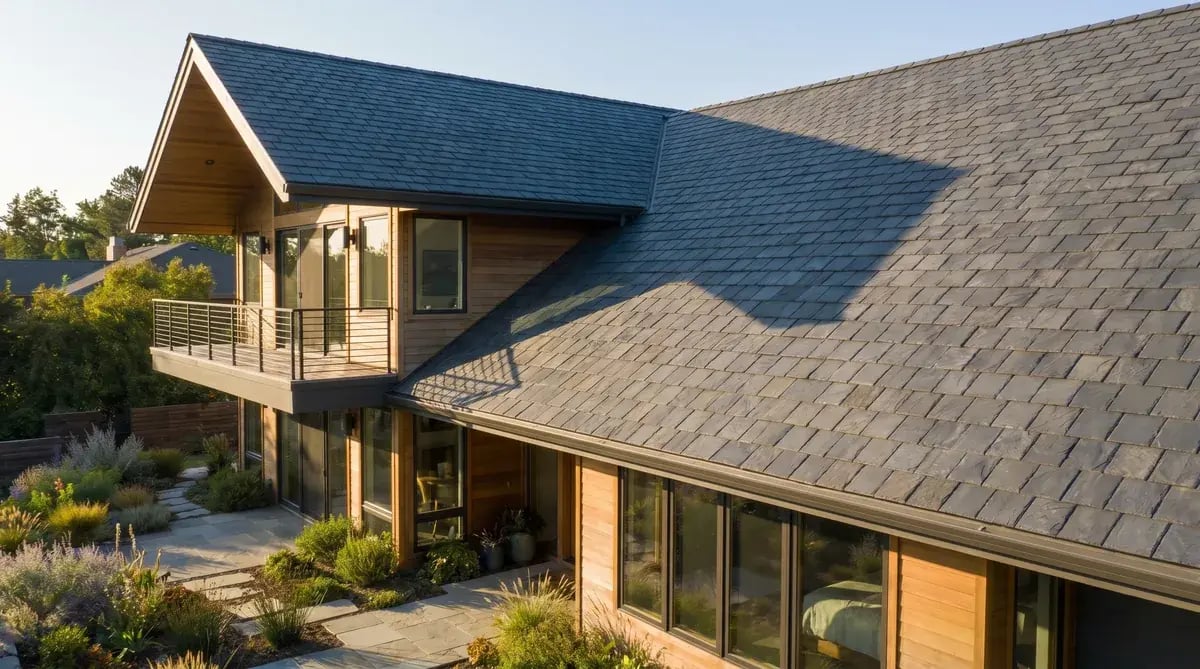
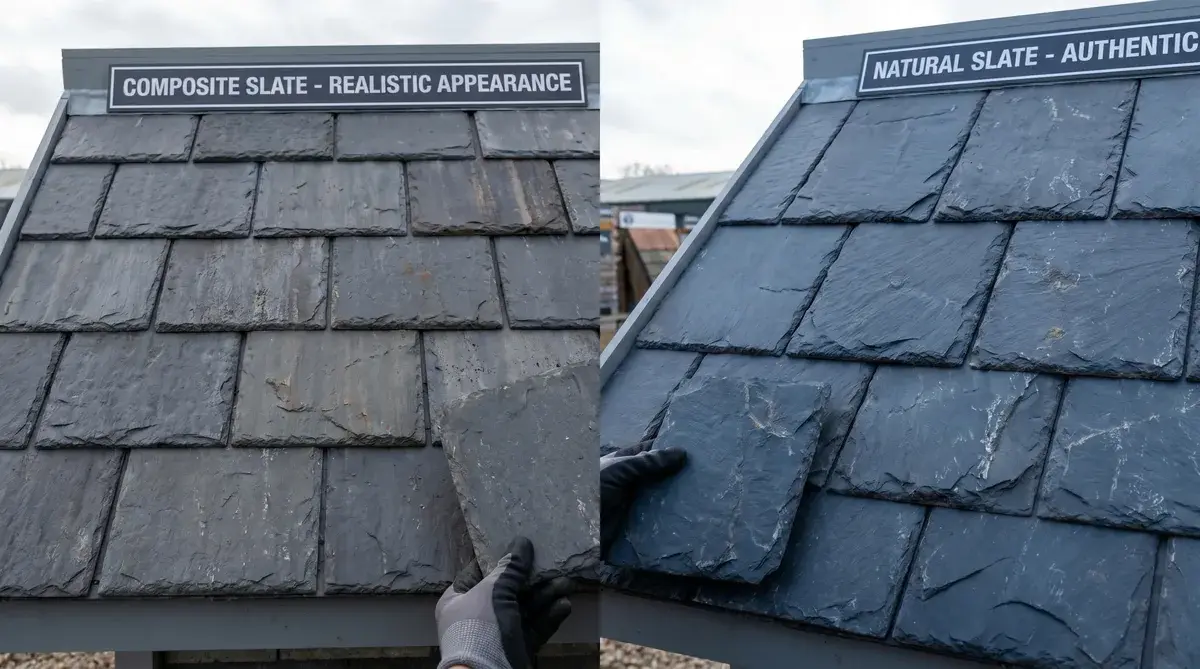
Composite slate shingles are molded to look identical to natural quarried slate, complete with the characteristic grooves and color variations. They weigh about 120-150 pounds per square compared to natural slate's 600-900 pounds, making them suitable for most homes without structural reinforcement. These work beautifully on colonial, Tudor, or modern homes where you want that sophisticated slate appearance—and they're particularly well-suited to our coastal climate since they won't absorb moisture like natural slate can.
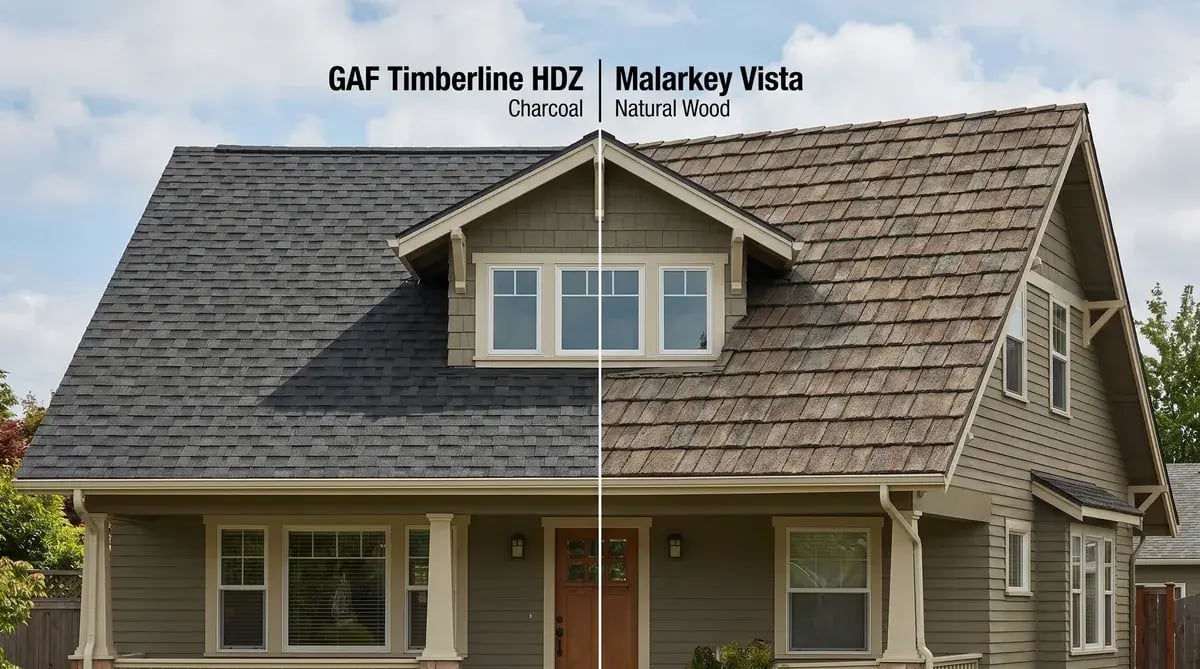
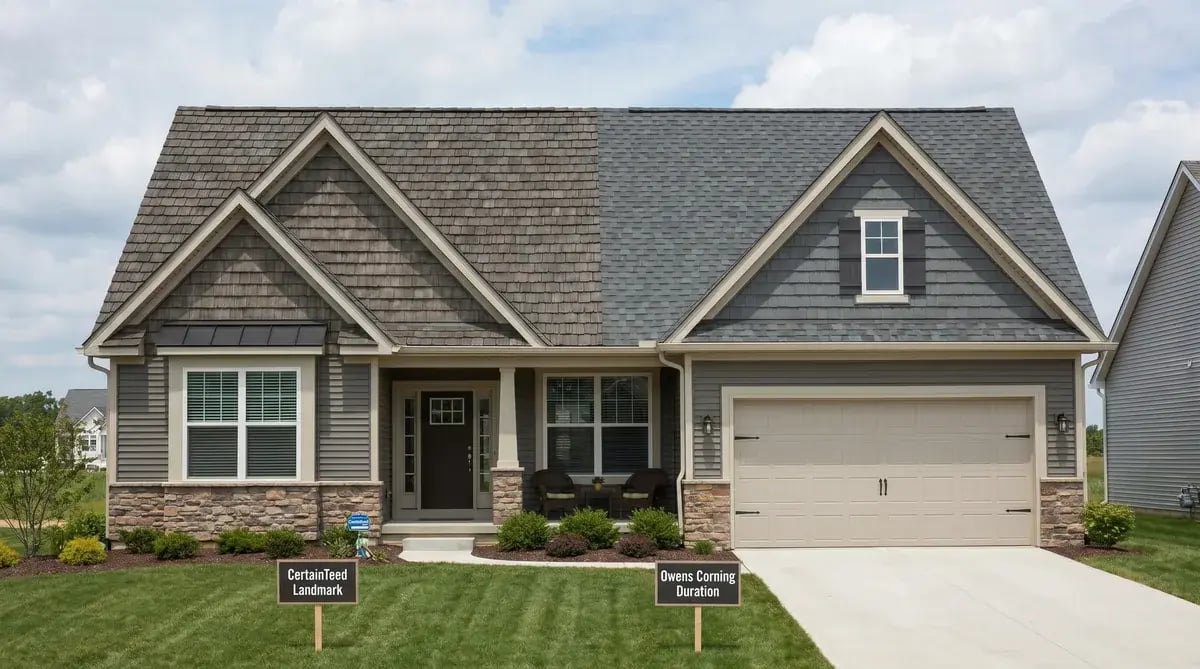
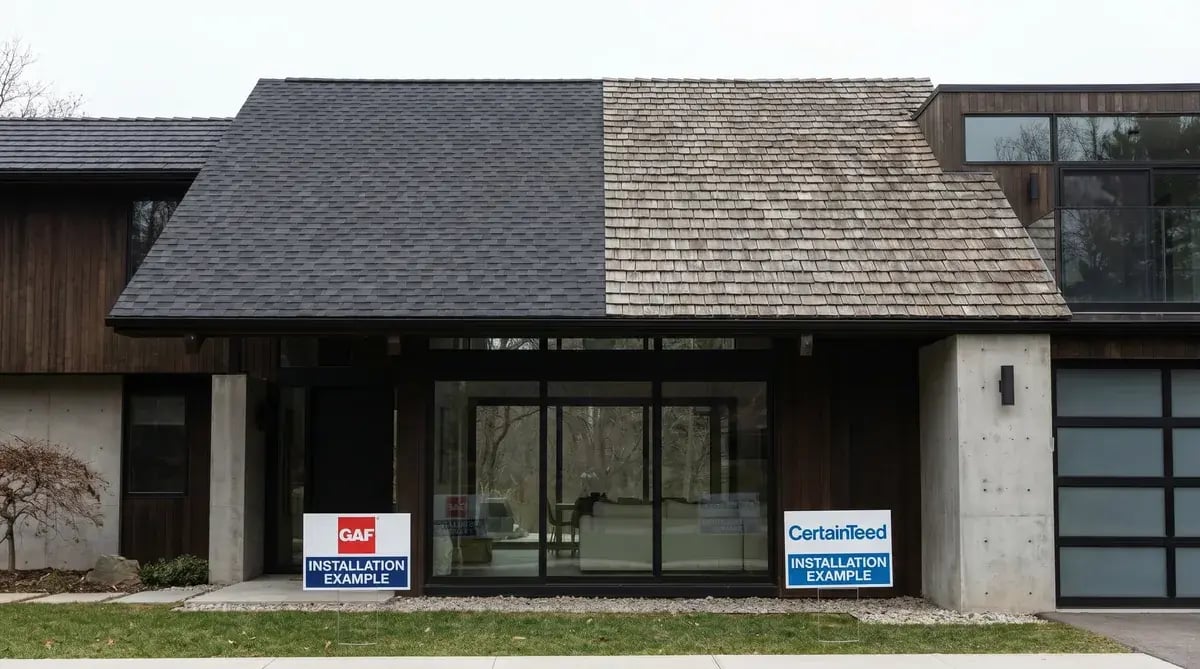
Synthetic cedar shake shingles capture the hand-hewn, rustic look of split wood cedar with varied widths and natural grain patterns. Unlike real cedar, they won't rot, split, or attract insects, and they carry Class A fire ratings. They're perfect for ranch homes, craftsman styles, or any property where you want that warm, natural wood aesthetic without worrying about the humidity and salt air that can accelerate cedar deterioration in our area.
Composite tile-style shingles mimic Mediterranean clay tiles with their rounded, smooth appearance. They're significantly lighter than clay and won't crack from freeze-thaw cycles, making them ideal for areas with temperature extremes—though in our mild coastal climate, the main advantage is their resistance to salt air corrosion and wind damage.
The realistic texturing and coloring processes used today make these composites nearly indistinguishable from their natural counterparts, but with engineered performance that often exceeds the originals in our challenging coastal environment.
How composite roofing compares to other materials
Understanding how composite stacks up against alternatives helps clarify where it fits in your decision-making process, especially when considering the unique demands of Myrtle Beach's coastal climate.
| Material | Cost per sq ft | Lifespan | Weight | Maintenance | Fire Rating |
|---|---|---|---|---|---|
| Composite | $8-15 | 30-50 years | Medium | Low | Class A |
| Asphalt | $3-6 | 15-25 years | Light | Moderate | Class A |
| Natural Slate | $20-35 | 75-100 years | Very Heavy | Low | Class A |
| Cedar Shake | $15-25 | 20-40 years | Heavy | High | Varies |
Composite roofing sits in the sweet spot between basic asphalt and premium natural materials. You get significantly better longevity than asphalt without the extreme cost and weight of natural slate or cedar. The engineered materials also deliver consistent performance, unlike natural materials that can vary in quality—particularly important in our area where hurricane-force winds and salt air can exploit any material weaknesses.
Cost Reality Check: While composite costs 2-3 times more upfront than asphalt, when you calculate cost per year of ownership over 30-40 years, composite often proves more economical than replacing asphalt roofs multiple times—especially considering the potential for storm damage that could require earlier replacement in our coastal location.
For most Myrtle Beach area homeowners, composite offers the best balance of appearance, performance, and long-term value, especially if you plan to stay in your home for more than 10-15 years and want superior protection against coastal weather conditions.
The real costs and long-term value
Composite roofing requires a bigger upfront investment, but the math often works in your favor over time, particularly in our coastal environment where durability matters. For a typical 2,000 square foot home in the Myrtle Beach area, you're looking at $16,000-30,000 for composite installation compared to $6,000-12,000 for basic asphalt shingles.
However, consider the lifecycle costs. That asphalt roof will likely need replacement in 15-20 years—potentially sooner if damaged by coastal storms—while your composite roof should last 30-50 years with minimal maintenance. Factor in inflation, disposal costs, and the hassle of multiple reroofing projects, and composite frequently delivers better value.
Several factors influence your final cost including roof complexity, local labor rates, product grade, and whether you need structural reinforcement for heavier composite styles. Premium synthetic slate or shake products command higher prices but offer superior warranties and performance that can be especially valuable in our hurricane-prone region.
Many composite manufacturers offer 30-50 year limited warranties, with some providing lifetime coverage on materials. These warranties typically cover defects and premature weathering, giving you protection that basic asphalt warranties rarely match—crucial peace of mind for coastal homeowners.
Smart Financing Tip: Many homeowners finance composite roofing through home improvement loans or refinancing, spreading the cost while immediately enjoying the benefits of better protection and curb appeal.
Making the decision that's right for your home
Composite roofing makes the most sense in specific situations, and understanding these can help you decide if it's worth the investment for your Myrtle Beach area property.
Consider composite if you live in an area prone to severe weather like hail, high winds, or extreme temperature swings—conditions we certainly experience here along the Grand Strand. Many composite products earn Class 4 impact ratings and can withstand winds up to 110 mph, providing superior protection compared to standard asphalt shingles during hurricane season.
It's also an excellent choice if you want the look of premium materials but your home's structure can't support the weight of natural slate or your budget can't accommodate the full cost of cedar shake roofing. Composite gives you 80-90% of the aesthetic appeal at 40-60% of the cost, while offering better resistance to salt air and coastal humidity than many natural materials.
If you're planning to stay in your home for at least 15-20 years, the long-term value proposition becomes compelling. The reduced maintenance, fewer repairs, and elimination of mid-term reroofing often justify the higher initial investment—especially important in our area where coastal conditions can accelerate wear on lesser materials.
However, if you're planning to sell within 5-7 years or you're in a neighborhood where basic asphalt is the norm, the return on investment may not be as strong. In these cases, high-quality architectural asphalt shingles might be the smarter financial choice.
Composite roofing represents a smart middle ground for Myrtle Beach area homeowners who want premium performance and appearance without the extreme costs or structural requirements of natural materials. With proper installation and minimal maintenance, it can provide decades of reliable protection while enhancing your home's curb appeal and value—particularly valuable in our coastal market where quality roofing is essential for both protection and resale value. The key is honestly evaluating your budget, timeline, and priorities to determine if the long-term benefits align with your specific situation.
That kind of installation is backed by real manufacturer credentials: Linta Roofing is an IKO ROOFPRO Craftsman Premier contractor, which lets it offer IKO Extended Iron Clad Protection warranties on the materials it installs.
Frequently Asked Questions About Composite Roofing
What are composite shingles made of?
Is composite roofing the same as asphalt shingles?
How long does a composite roof last?
Can composite roofing look like slate or cedar shake?
Topics: