.png?width=200&height=78&name=LR_Logo_vector_horizontal_color_shadow%20(1).png)

Are you noticing some problems with your current roof?
Linta Roofing installs and repairs asphalt shingle, metal, tile, cedar and flat roofs, and have transparent pricing for every one of them. Linta also handles inspections, maintenance plans, emergency response, insurance claim support and full replacement.
Is it making you question where your roof is in terms of a normal roof life cycle?
Barring a catastrophic event like a hurricane or extreme weather, most roofs follow a fairly predictable life cycle. Knowing what’s normal at each stage (and what to watch out for) helps you plan maintenance, avoid leaks, and decide when it’s time to repair or replace.
Here, we’ll go over all of it. We’ll also answer some of the most common questions homeowners ask about the lifespan of their roof.
So, let’s talk about it.
Your Roof’s First 5 Years: What’s Normal and What to Watch For
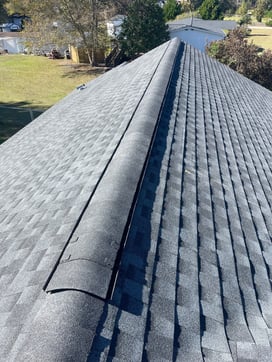 If your roof was installed correctly with quality materials, the first few years should be smooth sailing. But there are a few important things to keep an eye out for, even with a brand new roof.
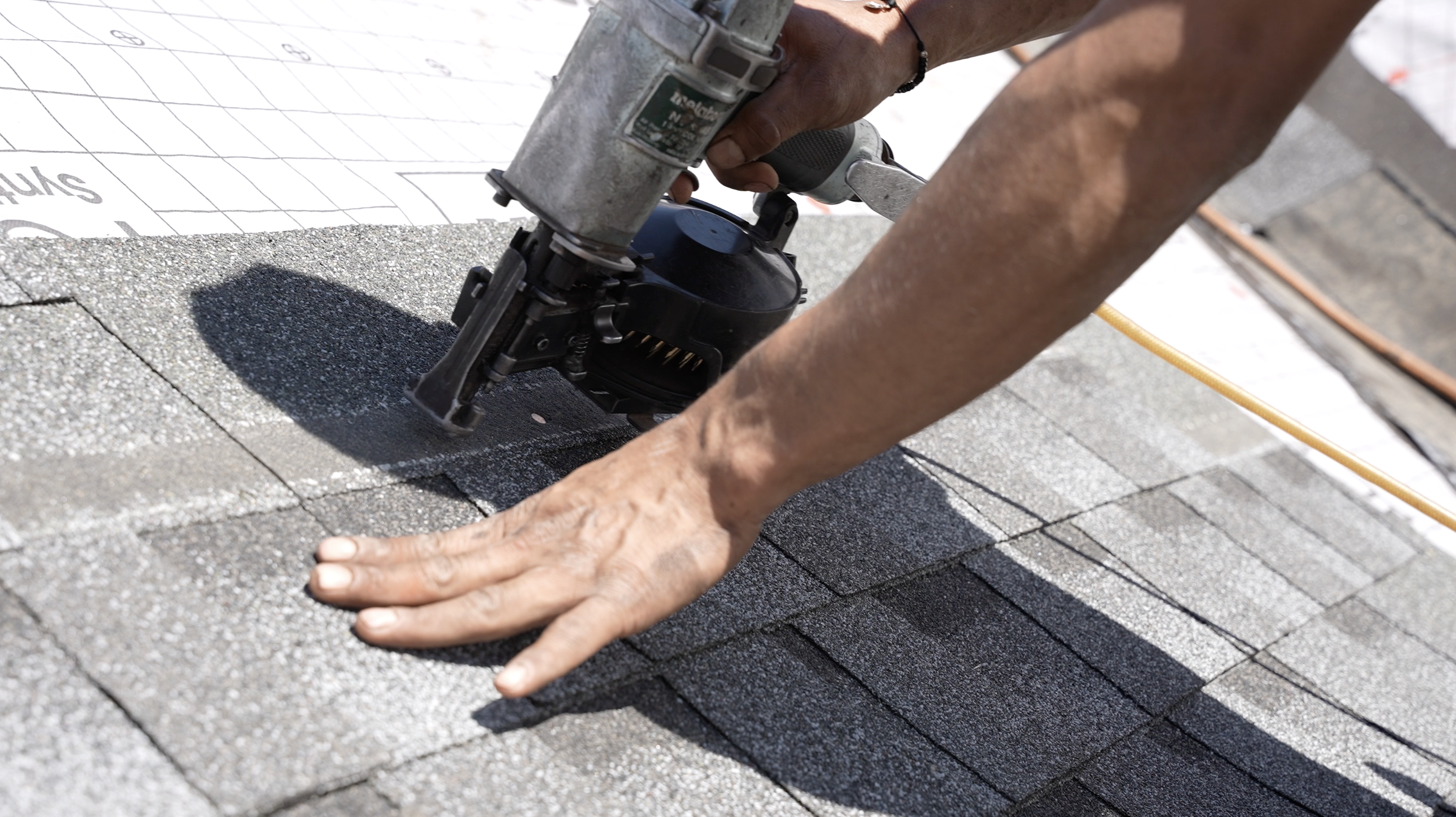
- Workmanship issues reveal themselves early. In our experience, the vast majority of workmanship-related problems (improperly nailed shingles, incorrectly installed flashing/vents, etc.) tend to show up within the first two years. That’s why reputable installers back their work with multi-year workmanship coverage.
- Three-tab vs. architectural matters. Architectural shingles have better wind resistance than traditional three-tab shingles. Even on relatively new roofs, three-tab systems are more likely to lose tabs during strong gusts.
- What you should do: Keep records of your installation, register any manufacturer warranties, and schedule a quick visual check from the ground after significant storms.
If you find yourself curious about roof rejuvenation products, like Roof Maxx or GoNano, we always suggest starting the treatments on a new roof. Rather than salvaging old roof shingles, these products help your current shingles maintain enough moisture to be flexible (which is how you want them to be). Starting early could be helpful in keeping away premature roofing issues caused by brittle shingles.
Roofs at 5–10 Years: Smart Maintenance Pays Off
This is the time to start routine maintenance so minor issues don’t become leaks.
- Annual roof maintenance: Most roofers in the Myrtle Beach area are happy to provide you with yearly roof maintenance. This is a plan that helps you keep tabs on the durability of your roof. In the Myrtle Beach area we see some extreme weather. Whether it’s rain, high winds, or hail, a regular rhythm of roof maintenance can help you catch small issues before they grow into major problems.
Typical roof maintenance includes: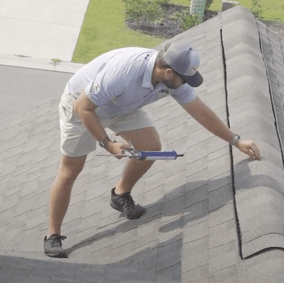
- Resealing exposed nails and flashing: The original sealants can start to degrade within the first 5-10 years of your roof’s life. Having small problem areas re-sealed can save you quite a bit of money in the long term, as it cuts down the need for roof repairs.
- Clearing debris from valleys and around penetrations: Keeping your roof free of debris helps the entire roofing system function properly. When pine straw, leaves, and twigs are left to sit on your roof, they block the normal flow of water. Instead of rainwater running smoothly off your roof and away from your home, it can become trapped in piles of debris. This is problematic because shingles are water-shedding, not waterproof. If water flow is blocked, it can seep back under the shingles and lead to leaks inside your home.
- Checking ventilation components: Improper ventilation can prematurely age your roof. Which is why checking on your ventilation is a key step in roof maintenance. Whether it was installed incorrectly, or needs a little touching up, regular roof maintenance helps you keep your finger on the pulse of this important part of your roofing system.
- Algae/staining control: Many baseline shingles include only 10–15 years of algae resistance. Around year 8–10, a soft wash (low-pressure cleaning with the right chemistry) can safely remove staining. Avoid high-pressure washing, it can strip granules and shorten shingle life. To get an idea of how much roof cleaning costs, check out this article: How Much Does Roof Cleaning Cost in Myrtle Beach?
- Rejuvenation products: If you’re considering a roof rejuvenation treatment, this is the window to explore it so shingles retain pliability. It’s ideal to start this process within years 1-10. However, it’s important to note that this method will not stop a roof leak if you already have one.
Signs of Aging at 10–15 Years: What to Look For
The roof will still function, but age starts to show.
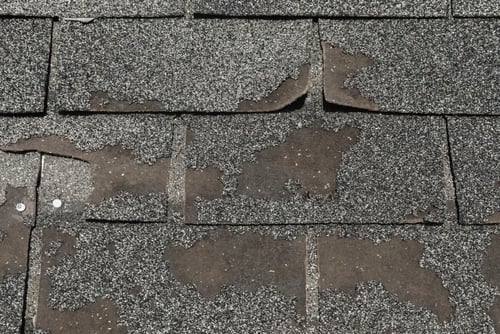
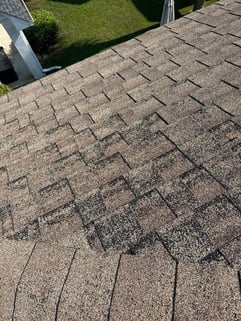 Color fade and granule loss: Over time, exposure to UV rays, rain, wind, and hail will impact the color of your roof. This is why roof repairs can look pretty obvious to the naked eye. The color change is in part due to granule loss on your shingles. The granules on your shingles are designed to promote water shedding and protect the innermost part of the shingle from damage. When granules start to fall off your roof shingles, it makes them weaker and more susceptible to damage during a storm.
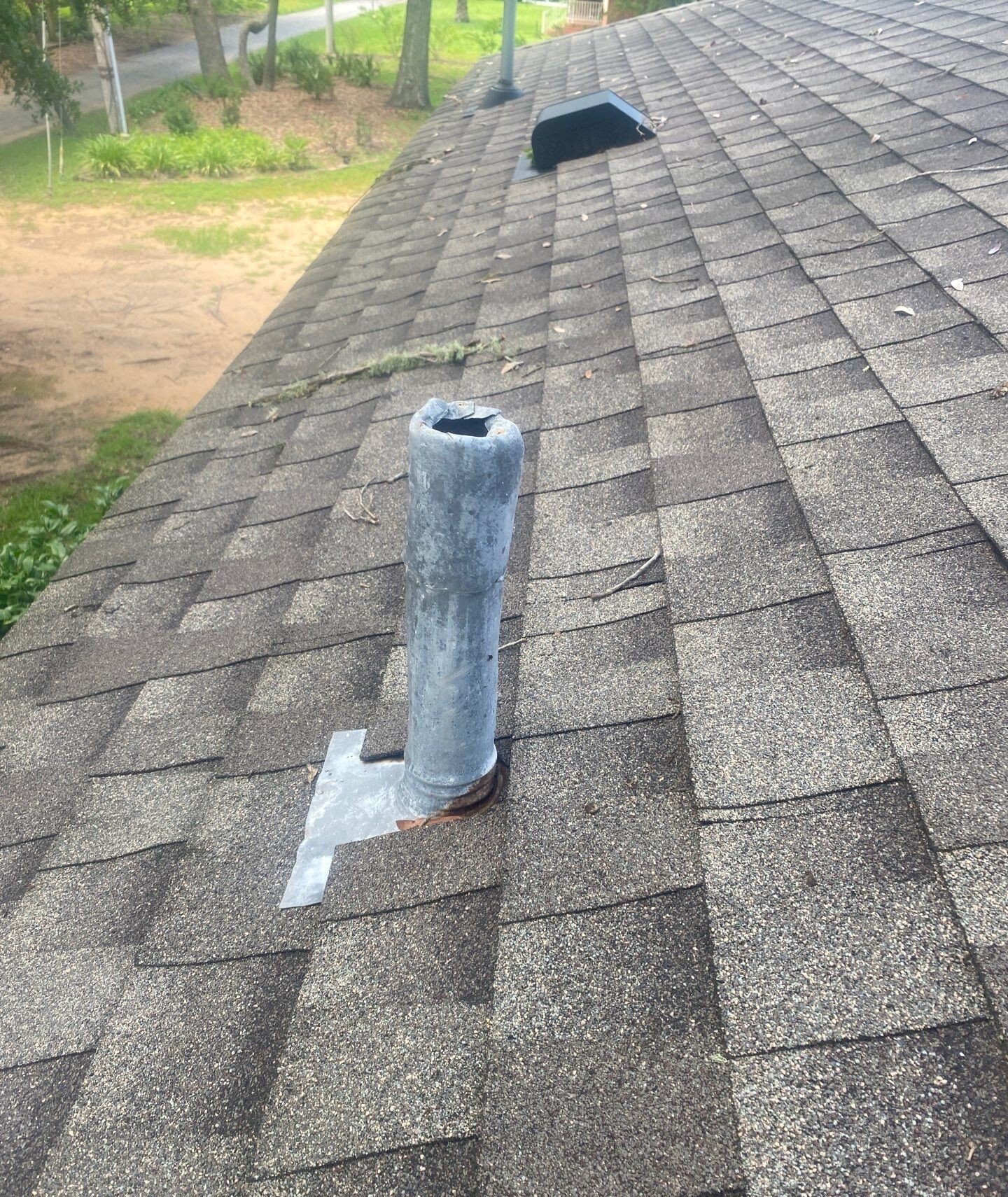
- It’s time for a pipeboot replacement: Rubber/neoprene boots commonly dry-rot in this window; caulk alone usually isn’t a lasting fix. Replacing the boots prevents leaks through loosened nail holes and failed collars.
- DIY cautions: During the age range, it can be tempting to DIY your roof fix. After all, your roof isn’t old just yet. But solutions like quick-fix coatings and “miracle” sealants around penetrations can trap water or fail prematurely if misapplied.
To learn more about what’s appropriate during a DIY roof repair, take a look at this article: What Not to Do in a DIY Roof Repair
15–25 Years: Common Problems & Repair Options
The 15-25 year mark is the typical replacement window for many architectural shingle roofs. This is the ideal timeframe for a new roof. But, if it doesn’t last this long, it’s usually because of improper installation or damage from severe weather.
So, what can you expect from a roof that is 15-25 years old?
- Pipe boots: Pipe boots can be prone to degradation from UV rays, which is why homeowners often have them replaced well before it’s time for a roof replacement. If not already replaced, they often are well past due here and potentially causing some of your roofing issues.
- Nail pops & backing-out fasteners: Decking nails can start to work loose, lifting shingles and opening paths for water. You can expect roofing nails to shift slightly when the temperature outside changes. This is due to natural expansion and contraction. While individual nail pops can be repaired, widespread issues suggest age or fastening/deck problems.
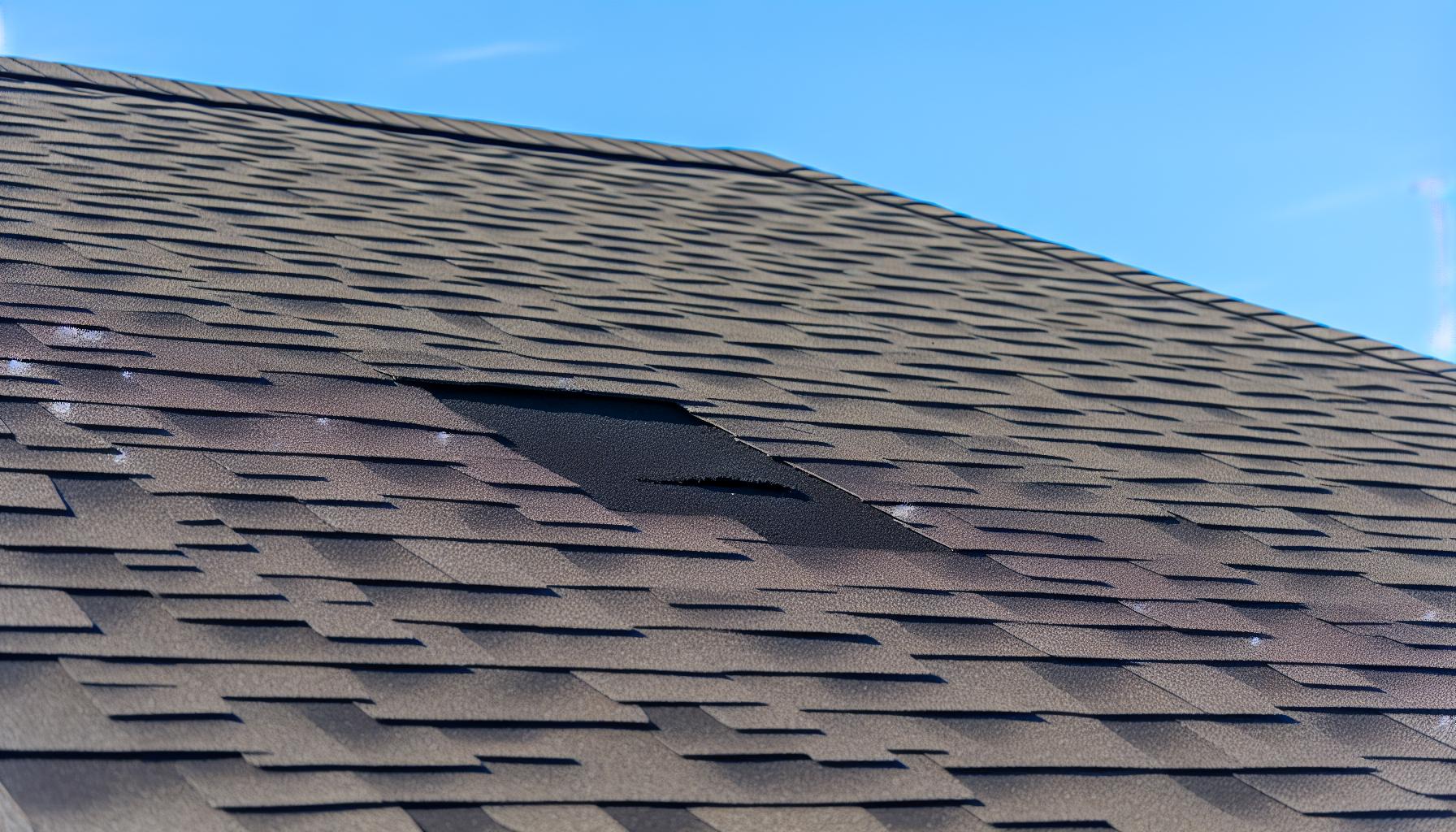
- Brittle shingles & bond-line fatigue: As shingles age, they become less flexible and more vulnerable to wind damage. Especially at the edges where “zippering” can appear. Zippering is when shingles become unsealed at their bond line, which creates a zipper-like pattern. Spot repairs are possible, but brittle shingles can break during repair, making fixes less predictable and more costly.
When repairs become frequent (multiple pipe boots, recurring nail pops, repeated storm damage), evaluate the cost-benefit of a targeted repair plan vs. full replacement with an upgraded system and warranty.
While we always suggest a roof replacement at this age, you may be wondering if you can repair your roof. To discover the best option for your home, check out our Repair vs. Replacement Quiz here: Repair vs. Replacement Quiz
FAQs: Shingle Roof Lifespan & What Affects It
How long does a roof last?
For a typical architectural shingle roof installed correctly, plan on 15–25 years of service life. That range assumes normal conditions; severe weather can shorten it even if the roof was installed perfectly.
What can shorten a roof’s lifespan?
Several environmental and design factors:
- Coastal exposure: Salt air can accelerate corrosion of metal components and degrade certain materials faster than inland conditions.
- Wind exposure: Wide-open neighborhoods without tree breaks can see stronger winds acting on shingle edges, increasing uplift risk.
- Tree-lined lots: You may get more limb-related damage or debris accumulation. (The flip side is trees can reduce direct wind load compared to open developments.)
- Ventilation & attic conditions: Poor ventilation bakes shingles from below, driving premature brittleness.
- Maintenance gaps: Skipping regular inspections, neglecting exposed fasteners, and letting algae/debris sit can shorten service life.
I have “30-year” shingles, will my roof last 30 years?
“30-year shingles” is roofing shorthand for a warranty classification, not a guaranteed service life. Real-world lifespan depends on installation quality, climate, ventilation, and maintenance. It’s normal for a “30-year” roof to need replacement well before 30 years in coastal, high-wind, or hot climates.
To learn more about this common myth, check out our article: Do 30-Year Shingles Last 30 Years? | Why “30-Year” Roofing Terminology is Misleading
Roof Life Timeline (Cheat Sheet)
- 0–5 years: Mostly worry-free if installed right. Early workmanship issues (if any) usually show up by year 2.
- 5–10 years: Annual maintenance; reseal exposed nails and flashing; consider soft wash at 8–10 years; evaluate rejuvenation options.
- 10–15 years: Expect pipe boot replacements; continue 4–5 year cycles of resealing exposed fasteners; watch for granule loss and edge uplift.
- 15–25 years: More nail pops, brittle shingles, and wind susceptibility; multiple component replacements may make full reroof the smarter play.
How Old is Your Roof?
Despite popular belief, a roof isn’t a ‘set-it-and-forget-it” type of purchase. Keeping your roof safe for many years requires some maintenance on a yearly basis.
So, if you’re in the market for a new roof, it’s a great time to plan ahead and speak to a trusted roofer about your replacement and roof maintenance to follow.
On the other hand, if you’ve read this article and believe a roof repair is your best bet, make sure you handle small issues early. A roofer can tell you if your pipe boots are hitting their limit or seal up any troublesome nails.
Either way, it’s necessary to talk to a roofing expert to get the best guidance on how to move forward. To book an inspection, follow this link: Book a Roof Inspection
And if you have additional questions, feel free to reach out to us! We’re happy to answer any questions you may have about the state of your roof. If you want an estimate now, click below to try our instant online estimator.

Topics: