.png?width=200&height=78&name=LR_Logo_vector_horizontal_color_shadow%20(1).png)

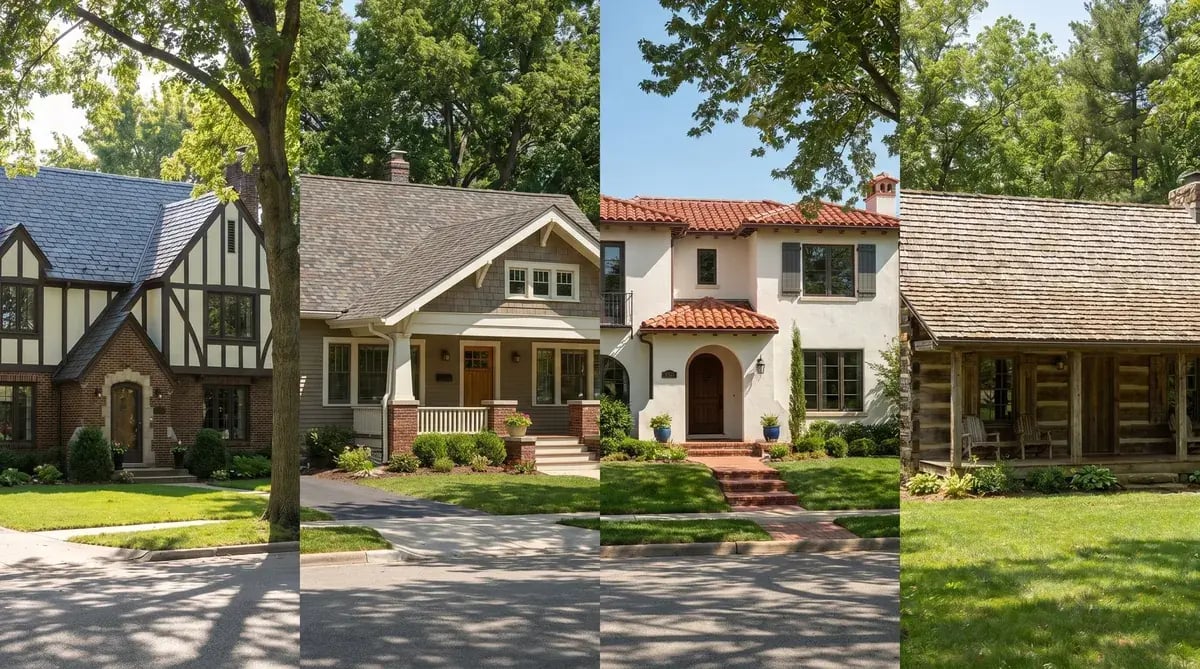
Choosing the right roof shingles can feel overwhelming when you're facing seven different types, each with distinct costs, lifespans, and performance ratings. The good news is that understanding these differences becomes straightforward when you know what to look for—especially in the Myrtle Beach area where coastal weather demands careful consideration.
Asphalt shingles dominate over 80% of the US residential market, but within this category, you'll find everything from basic 3-tab options lasting 15-20 years to premium architectural shingles with 30-50 year lifespans. The key differences lie in construction methods, wind resistance ratings, and long-term value—factors that become especially important in coastal South Carolina's hurricane-prone climate.
Quick Answer: Architectural shingles offer the best balance of cost and performance for most Myrtle Beach homes, lasting 25-30 years with 110-130 mph wind resistance at moderate pricing. Impact-resistant versions provide additional insurance savings in storm-prone areas like Horry and Georgetown counties.
This guide breaks down all seven shingle types so you can match your specific needs, budget, and coastal climate requirements to the right roofing solution.
Understanding the main types of roof shingles
When shopping for roof shingles in the Myrtle Beach area, you're essentially choosing between seven distinct categories that serve different purposes and budgets. Think of it like buying a car - you have economy models, mid-range options, and luxury versions, each engineered for specific needs.
Whatever type you're comparing, Linta Roofing works with all of them: Linta Roofing installs and repairs asphalt shingle, metal, tile, cedar and flat roofs, and have transparent pricing for every one of them. Linta also handles inspections, maintenance plans, emergency response, insurance claim support and full replacement.
The most common types include 3-tab shingles (the budget option), architectural shingles (the popular middle ground), and luxury shingles (premium aesthetics). Beyond traditional asphalt, you'll also find composite materials, impact-resistant designs for storm protection, solar-integrated options, and designer varieties for unique appearances.
Understanding these categories helps you focus on what matters most for your situation. A coastal home in Little River needs different protection than an inland property, just as a luxury residence in North Myrtle Beach has different aesthetic requirements than a rental property. As GAF, IKO, and Owens Corning certified contractors, we've seen how the right shingle choice can make all the difference in coastal performance.
Comparing costs and lifespans across shingle types
The price differences between shingle types reflect their construction quality and expected performance. Here's how the seven main categories compare in the Myrtle Beach market:
| Shingle Type | Cost per Square | Lifespan | Wind Rating |
|---|---|---|---|
| 3-Tab | $90-$100 | 15-20 years | 60-70 mph |
| Architectural | $150-$200 | 25-30 years | 110-130 mph |
| Luxury/Premium | $250-$400 | 40-50 years | 130+ mph |
| Impact-Resistant | $200-$300 | 30-50 years | 110-130 mph |
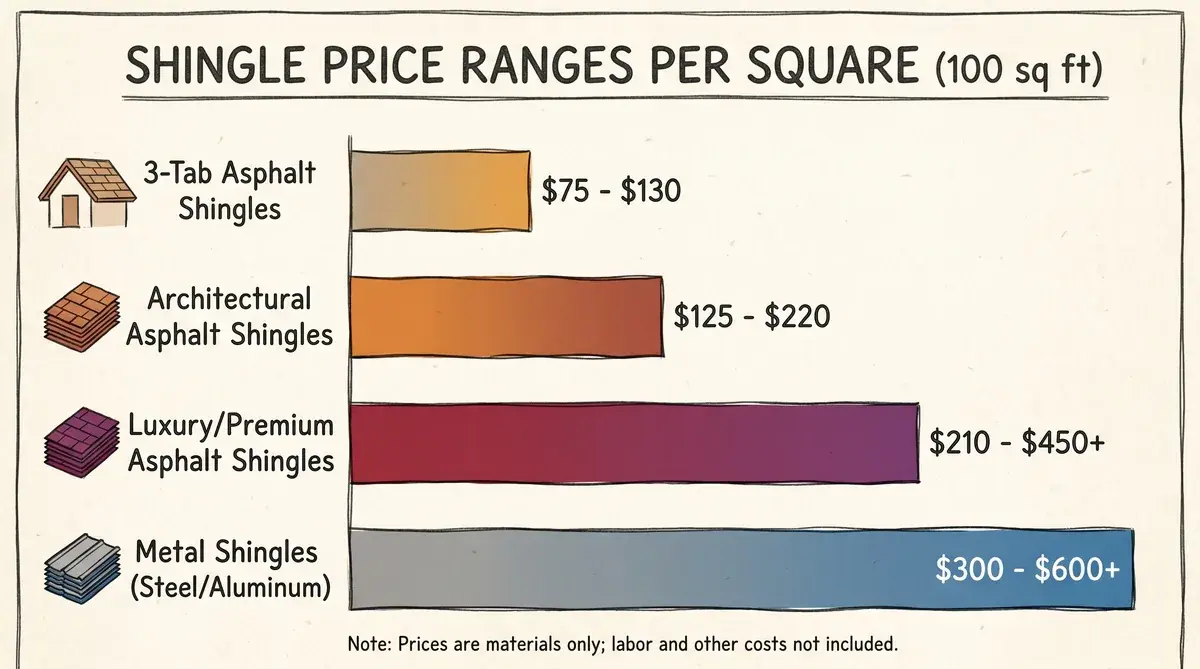
3-tab shingles offer the lowest upfront investment but require more frequent replacement—a particular concern in our coastal environment where salt air and storms accelerate wear. Architectural shingles cost about 50% more initially but last significantly longer, making them more economical over time for most Horry County homeowners. Premium options like luxury and impact-resistant shingles command higher prices but deliver extended lifespans and additional benefits like insurance discounts.
The math often favors mid-range and premium options when you factor in replacement cycles, labor costs, and potential storm damage repairs. A roof that lasts 30 years instead of 15 eliminates one complete replacement cycle, saving thousands in future costs—money that's especially valuable given the frequency of coastal storms in our area.
Performance ratings that matter for protection
Wind resistance and impact ratings determine how well your shingles protect against storms and severe weather—critical factors for any Myrtle Beach area home. These ratings aren't just numbers - they directly affect your home's safety and insurance premiums, especially important considerations in hurricane-prone South Carolina.
Wind ratings range from Class F (60-90 mph) for basic shingles to Class H (120-150 mph) for premium products. In hurricane-prone areas like Georgetown and Brunswick counties, this difference can mean the difference between minor repairs and major roof replacement after a storm.
Impact resistance uses a Class 1-4 scale, with Class 4 representing the highest protection against hail and flying debris. These shingles use modified asphalt that flexes rather than cracks, absorbing impacts that would damage standard materials—particularly valuable during the severe thunderstorms common to our region.
Insurance Benefit: Class 4 impact-resistant shingles can reduce homeowners insurance premiums by 10-30% in many states, often offsetting their higher cost within 5-10 years. This is especially beneficial for coastal property owners facing higher base insurance rates.
Fire ratings also matter, especially in wildfire-prone regions. Class A fire-rated shingles provide the highest protection and are required by building codes in many areas.
Choosing the right shingle for your specific needs
Your decision should align with three primary factors: coastal climate exposure, budget constraints, and aesthetic preferences. Start by honestly assessing your local weather patterns and long-term financial goals, keeping in mind the unique challenges of living near the Atlantic coast.
For coastal areas like Little River, Myrtle Beach, and surrounding communities, prioritize wind resistance over cost savings. Impact-resistant architectural shingles typically provide the best value, combining storm protection with reasonable pricing. The insurance discounts often make them cost-neutral compared to standard options—a significant advantage for homeowners in our hurricane-prone region.
Budget-conscious homeowners in mild inland areas might consider 3-tab shingles for rental properties or temporary situations, but architectural shingles usually prove more economical for primary residences due to their extended lifespan and better performance against coastal weather.
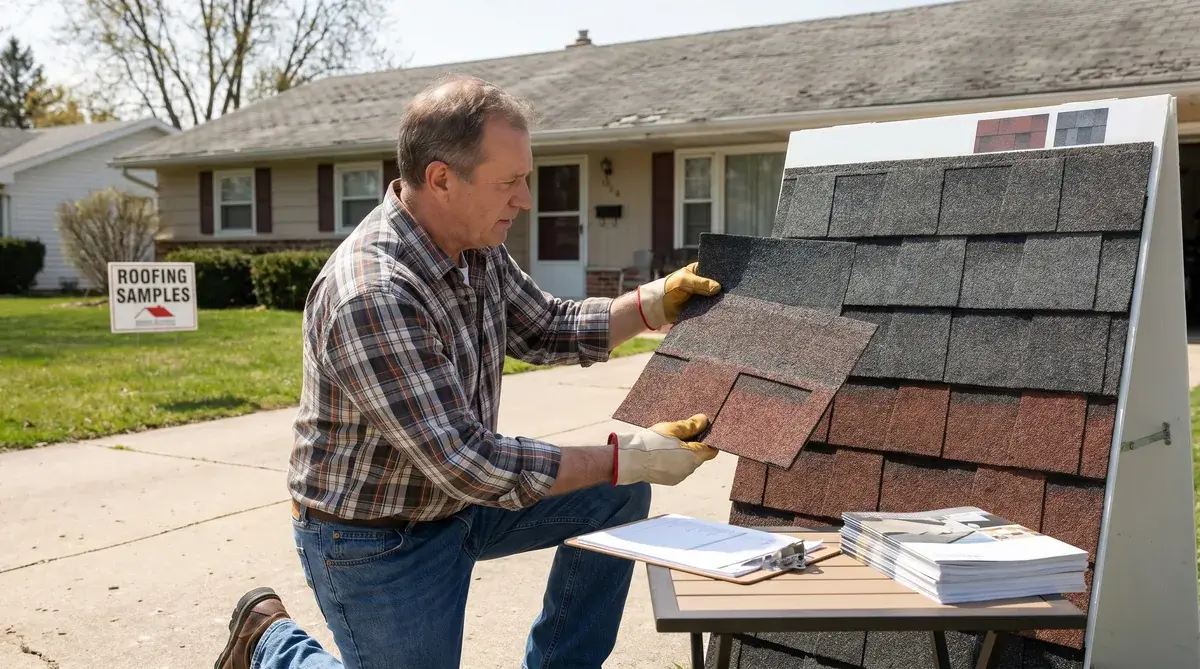
Luxury and designer shingles make sense for high-end homes where curb appeal significantly impacts property values. These products offer authentic slate or cedar shake appearances without the weight and maintenance requirements of natural materials—particularly beneficial in our humid coastal climate where natural materials can struggle.
Solar shingles represent an emerging option for homeowners planning roof replacement who also want renewable energy. While more expensive upfront, the 30% federal tax credit and long-term energy savings can justify the investment for suitable properties, especially given South Carolina's abundant sunshine.
The key is matching your shingle choice to your specific situation rather than simply choosing the cheapest or most expensive option. Consider how long you plan to stay in your home, your local weather patterns, and whether insurance discounts apply in your area. As a family-owned roofing company serving the Myrtle Beach area since 1948, we've helped thousands of homeowners navigate these decisions.
Pro Tip: Contact your insurance provider before making a final decision to understand available discounts for impact-resistant or high-wind-rated shingles in your specific location. Coastal South Carolina often offers more generous incentives than inland areas.
Most homeowners in our service area find architectural shingles provide the sweet spot of durability, appearance, and value. They offer significant improvements over 3-tab options without the premium pricing of luxury alternatives, making them suitable for the majority of residential applications in Horry, Georgetown, Brunswick, and Columbus counties.
When you factor in their 25-30 year lifespan, superior wind resistance, and enhanced curb appeal, architectural shingles typically deliver the best long-term return on investment for most coastal homes. The modest upfront premium over basic options pays dividends through reduced maintenance, fewer replacements, and better storm protection over the roof's lifetime—especially important considerations for homeowners facing regular hurricane seasons.
That installation work is backed by real manufacturer credentials: Linta Roofing is an IKO ROOFPRO Craftsman Premier contractor, which lets it offer IKO Extended Iron Clad Protection warranties on the materials it installs.
Frequently Asked Questions
What are the three main types of asphalt shingles?
What is the most durable type of roof shingle?
What is a Class 4 impact rating and why does it matter?
Which roof shingles are best for high winds and hurricanes?
Topics:
