.png?width=200&height=78&name=LR_Logo_vector_horizontal_color_shadow%20(1).png)

Does Homeowners Insurance Cover Roof Leak Repair From Wear and Tear?
April 23rd, 2026
3 min read
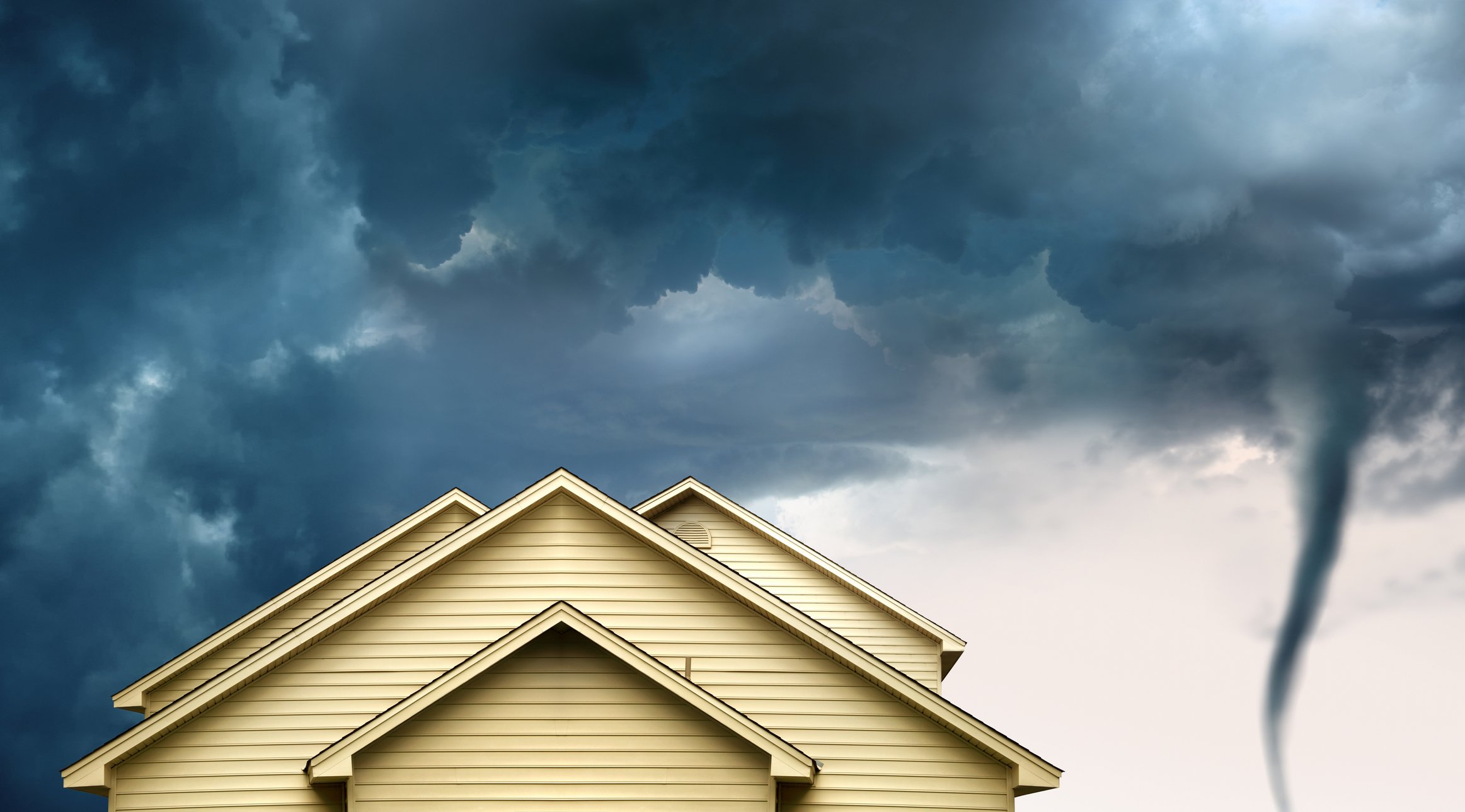
You noticed a water stain spreading across your ceiling. Maybe you poked your head into the attic and confirmed what you already feared: there's a leak. Now you're wondering whether your homeowners insurance will cover the repair, or whether you're about to write a check you weren't planning for.
Table of Content
- What Does Homeowners Insurance Actually Cover
- What Does Wear and Tear Mean to Your Insurer?
- Why the Line isn’t always Clear-cut
- The Different Types of Insurance Policies
- Why an Inspection Report Can Change Everything
- How We Help at Linta Roofing
What Does Homeowners Insurance Actually Cover
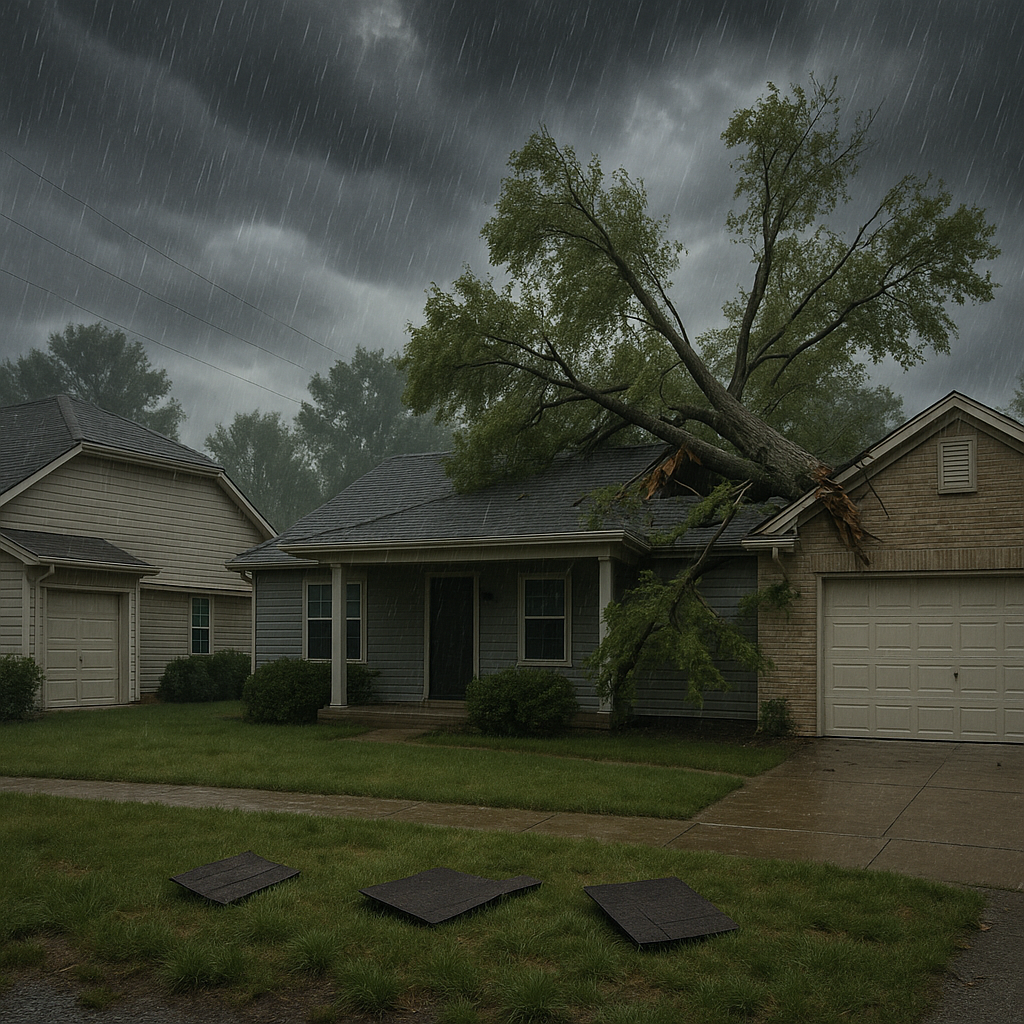
Homeowners insurance is designed for sudden, accidental damage. When a storm rolls through and tears away shingles, or a tree limb crashes through your decking, those are the scenarios your policy is built around. There's a clear cause, a clear date, and a clear connection to an unforeseen event.
Covered events typically include:
- Hurricane and tropical storm damage: Living along the Grand Strand, this one matters. High winds and windborne debris are among the most common covered perils on the coast.
- Hail Damage: Hail punches through surface granules, cracks shingles, and creates entry points for water.
- Fallen objects: A tree limb, a utility pole, or any debris that physically impacts your roof qualifies as an accidental loss.
- Wind damage: Lifted shingles, separated flashing, and ridge damage from sustained wind are typically covered when tied to a documented weather event.
Linta Roofing inspects storm damage to the same engineering standard insurers use to decide whether a claim is covered. Their project managers are HAAG trained, the damage assessment is free, and they meet your adjuster at the house so the approval reflects current building code instead of leaving you to pay the difference.
What Does Wear and Tear Mean to Your Insurer?
Wear and tear refers to the gradual, expected breakdown of your roof over time. Insurers view this as a maintenance issue, basically the homeowner's responsibility, not something the policy was designed to fix.
Here’s a brief capture of what wear and tear looks like on a roof:
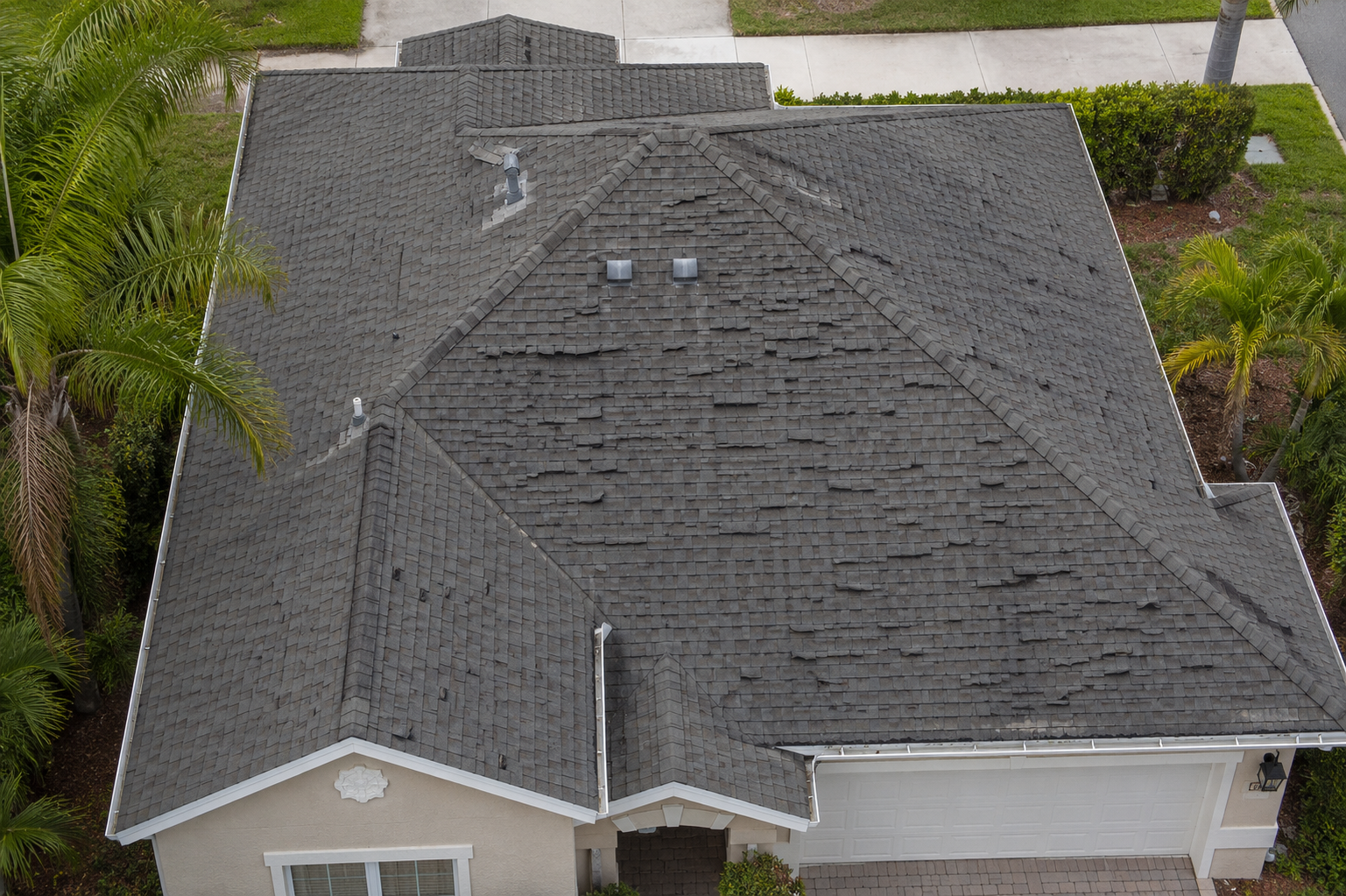
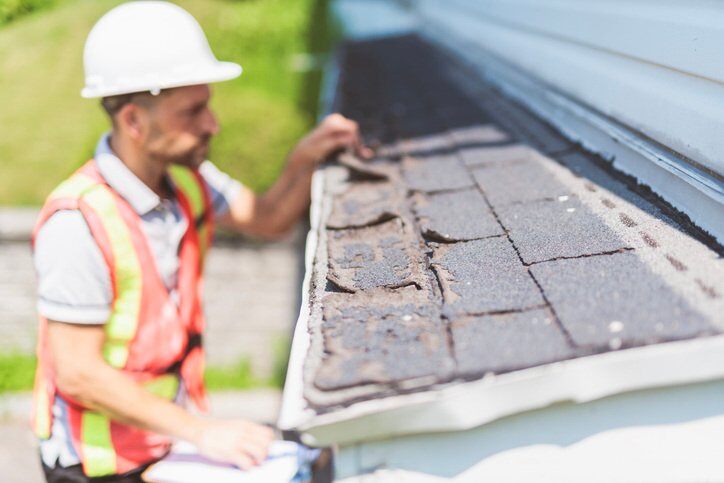
- Cracked or curling shingles from years of heat cycling and UV exposure.
- Granule loss on asphalt shingles, which signals the surface protective layer is breaking down.
- Dried-out flashing around chimneys, vents, and skylights; a leading source of slow leaks.
- Sagging decking caused by years of moisture exposure and repeated temperature swings.
- Small leaks that developed gradually with no identifiable triggering event.
The insurer's reasoning is pretty simple. A roof that wears out over 20 years isn't a surprise. It's an expected outcome of a material aging without being replaced or maintained. They're not going to pay for what they consider a predictable home maintenance cost.
Why the Line isn’t always Clear-Cut
Here's the part that catches most homeowners off guard. A roof can show signs of aging and still have legitimate, claimable storm damage on it at the same time.
A 15-year-old roof in Horry County that's showing its age may also have sustained real damage from last season's storms with lifted tabs, cracked ridgecaps, or flashing separation from wind pressure. However, your claim or lack thereof is highly dependent on the kind of coverage your roof has
The Different Types of Insurance Policies
Even when a roof insurance claim is valid, how much you collect depends on your policy structure. This is one of the most commonly misunderstood parts of the whole process.
Actual Cash Value (ACV)
An ACV policy factors in your roof's age and depreciation. A 15-year-old roof with a 20-year expected lifespan might be valued at just 25 cents on the dollar. Your payout reflects that depreciated value, not what it costs to replace the roof today.
Replacement Cost Value (RCV)
An RCV policy pays you the actual cost to replace the damaged portion with comparable materials at today's prices, regardless of the roof's age. These policies carry higher premiums, but they produce dramatically better outcomes when a major claim comes in.
The difference between ACV and RCV can run into thousands of dollars on a single storm claim in Myrtle Beach.
In addition to your policy types, here’s the average Insurer’s coverage stance at a glance:
|
Damage Type |
Coverage |
Notes |
|
Storm / wind damage |
Covered |
Requires storm date + documentation |
|
Hail impact |
Covered |
Professional inspection report helps |
|
Fallen tree / debris |
Covered |
Sudden, accidental — insurable event |
|
Normal aging / wear |
Not covered |
Owner maintenance responsibility |
|
Gradual slow leak |
Not covered |
Treated as neglect by insurers |
|
Pre-existing damage |
Not covered |
Must predate the policy's start date |
|
Poor installation |
Not covered |
Contractor liability, not your policy |
Why an Inspection Report Can Change Everything
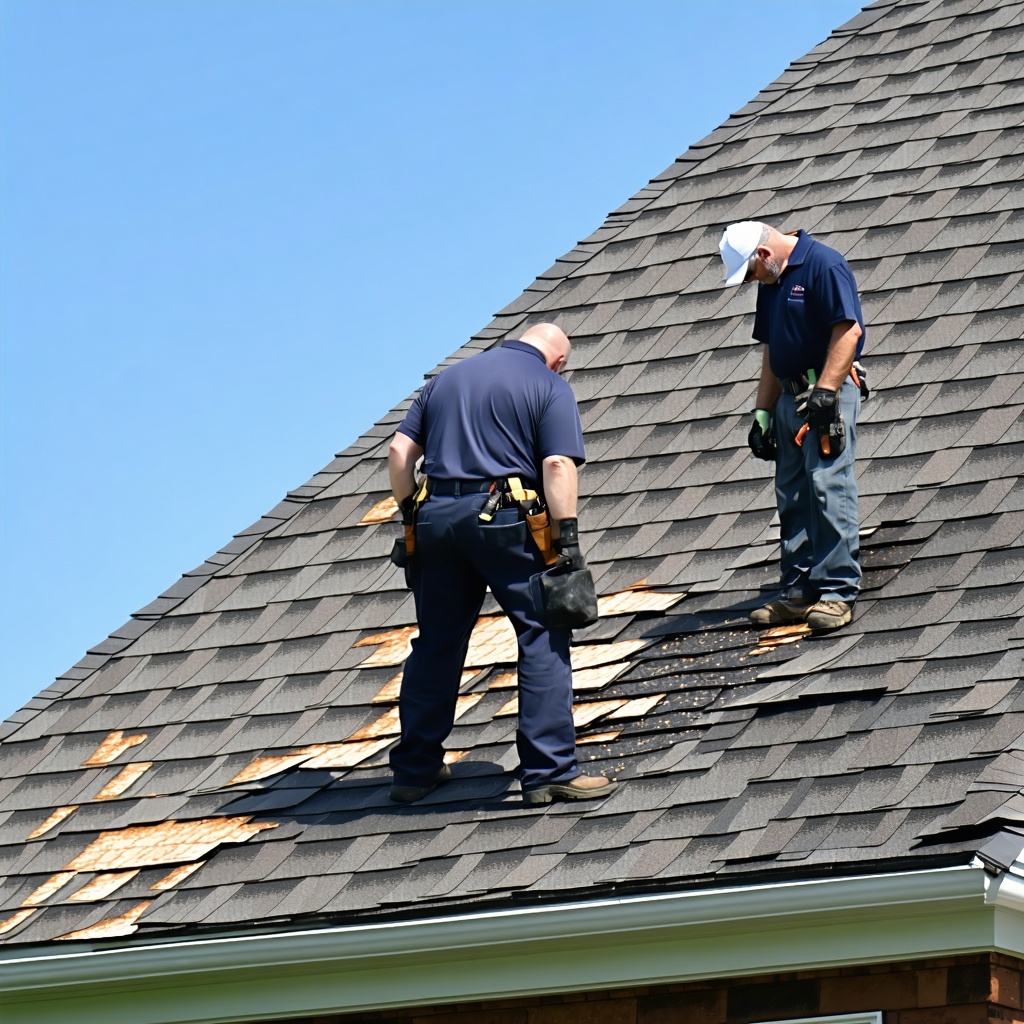
A professional inspection creates a dated, independent record of your roof's condition. It distinguishes storm-related damage from pre-existing wear. It identifies damage that a busy adjuster could miss or attribute to aging. A good inspection report can help your claim by doing the following:
- Creates a factual paper trail. A dated, documented report is evidence. It makes your claim harder to dismiss and gives you something concrete to contest a denial with.
- Separates storm damage from wear. A trained roofer can identify the difference between impact damage from a hail event and granule loss from natural aging — and document each separately.
- Catches what adjusters miss. Adjusters move fast. An independent inspection gives your roof the focused attention it deserves.
Filing an inspection report is going in without your best evidence. Get the report first.
How We Help at Linta Roofing
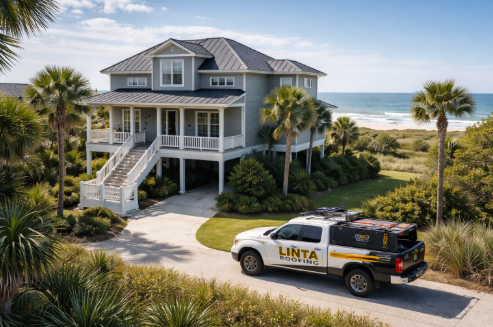
Since 1948, Linta Roofing has worked alongside Myrtle Beach-area homeowners through storms, insurance claims, and every roofing challenge this coastal climate produces. As a GAF Master Elite and IKO ROOFPRO Craftsman Premier certified contractor, we conduct thorough, professional inspections that document damage clearly and honestly.
Linta Roofing has helped thousands of homeowners manage the roof insurance claim process over the last 40 years and more.
If you're trying to figure out whether your leak is storm-related or aging-related before you call your insurer, we're here to help you answer that question.
Jeffrey Linta is the CEO and owner of Linta Roofing, a third-generation roofer who took ownership of the family business in 2023. He began his career in high school with boots on the ground, working in the field and learning the roofing trade from his father before joining the company full time after college graduation. His professional credentials include GAF Master Elite Contractor, IKO ROOFPRO Craftsman Premier Contractor, GAF GoldElite Commercial Contractor, GAF presidents club award winner and SC Safe Home Certified Contractor. Under his leadership, Linta Roofing has earned recognition such as the Sun News' Best of the Beach in 2024 and 2025, an A+ rating from the Better Business Bureau, and hundreds of 5-star customer reviews year after year. Most recently, Linta Roofing was honored with the Best Roofing Company of the Year 2025 award from Roofing Insights. Born and raised on the Grand Strand, Jeffrey is passionate about educating homeowners so they can make confident, informed decisions about their roofing investments. Outside of work, he enjoys fishing and spending time with his wife, Erica, son, Grady, and golden retriever, Dixie. To learn more about Jeffrey Linta's story, check out his interview with Roofing Insights, a nationally recognized roofing education platform: Jeffrey Linta: Building a Roofing Company Without Fear of Competitors.
Topics: