.png?width=200&height=78&name=LR_Logo_vector_horizontal_color_shadow%20(1).png)


When you need a new roof, the very first question is almost always the same:
“How much will it cost?”
This is a daunting question, but the answer is around $9,150 to $13,050 on average in Myrtle Beach. Which may lead you to wonder.. How am I going to pay for a new roof? How do other homeowners pay for a new roof?
At Linta Roofing, we’ve worked with thousands of Myrtle Beach homeowners on everything from storm-related insurance claims to cash purchases and financing options. Through years of hands-on experience replacing roofs along the Grand Strand, we’ve seen firsthand how most homeowners actually pay for their roof, and which options make the most sense in different situations.
Here, we’ll walk through the most common ways homeowners pay for a roof replacement in Myrtle Beach, along with the pros and limitations of each option.
Let’s get into it.
How Homeowners Pay for a New Roof #1: Insurance Claims
As a simple rule of thumb, if you have damage on your roof that showed up after a storm, it’s in your best interest to file an insurance claim. For your insurance carrier to cover the cost of a new roof replacement, it needs to be clear that a recent storm damaged your roof. We often encourage homeowners to work with a trustworthy roofing company if they plan to file an insurance claim.
We encourage this because a roofer can access a storm report for you. A storm report can tell when the last big storm blew through your neighborhood to get an idea of when the damage occurred. While this is something you can get on your own, most roofing companies will pull a storm report for you free of charge. They can also advocate for you so that no damage is missed by your insurance adjuster.
To schedule a roof inspection, click the button below.

When Insurance Will Likely Pay
Insurance adjusters are looking for storm-created damage, specifically. If your roof is just old or has maintenance related issues, it may not be worth filing an insurance claim.
The most commonly approved insurance claims include:
Missing or lifted shingles after a storm: High winds can damage the seal on the underside of your shingles. This seal helps keep shingles bonded to one another to resist wind impact. However, strong winds can weaken the adhesive and make your shingles come loose and even fall off.Hail damage: Hail has a tendency to knock granules off of your shingles. These granules are designed to protect your shingles, in turn, protecting your home. When a hail storm rolls through, it can weaken and damage your shingles. While insurance carriers have special parameters for covering hail damage, it is something they will cover. A trusted roofer can help you identify if filing an insurance claim for hail damage is worth it.
- Damage from falling debris: In extreme weather, like a hurricane or tropical storm, debris gets tossed around in the wind. Whether it’s a long tree branch or an entire tree falling onto your home, damage to your roof from falling debris is something you should contact your insurance company about.
- Water intrusion caused by storm-created openings: If you find leaks in your home during or after heavy rainfall, it could be a result of recent storm damage. It’s important to speak with a trusted roofer about filing an insurance claim on a roof leak because there could be additional details or information you need before filing a claim.
- Damage from falling debris: In extreme weather, like a hurricane or tropical storm, debris gets tossed around in the wind. Whether it's a long tree branch or an entire tree falling onto your home, damage to your roof from falling debris is something you should contact your insurance company about.
- Water intrusion caused by storm-created openings: If you find leaks in your home during or after heavy rainfall, it could be a result of recent storm damage. It's important to speak with a trusted roofer about filing an insurance claim on a roof leak because there could be additional details or information you need before filing a claim.
When Insurance Usually Will Not Pay
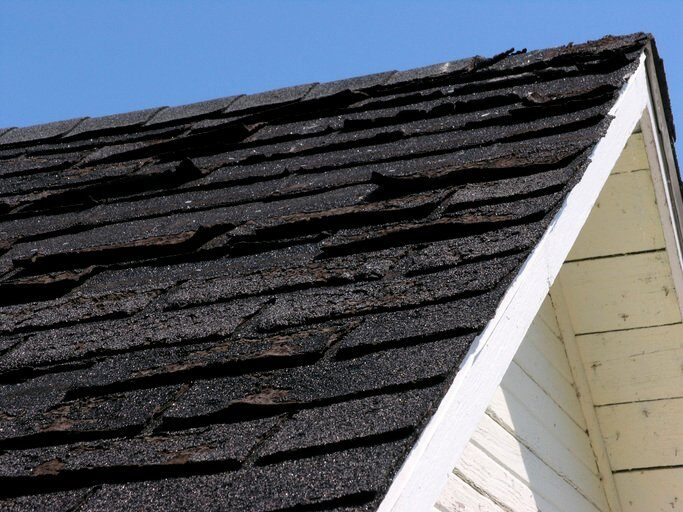
- Old age / normal wear and tear: Aging shingles, granule loss over time, and general deterioration is not covered by insurance. If your roof is 15-25 years old and it’s time for a roof replacement, insurance does not cover the cost.
- Damage from improper roof installation: This is why it’s so important to hire a trustworthy roofer. If you have damage on your roof because it wasn’t installed properly, insurance is not likely to cover the cost of a roof replacement. However, it’s important to note that if your roof was not installed properly, you’ll know – fast! Typically, workmanship issues show up within the first 2 years of the roof’s life. During that time, you’re likely still under a warranty with your roofing company. So it’s best to check with them first so that the mistake can be covered by your warranty.
- Maintenance-related issues: If your insurance company determines that the damage on your roof could have been prevented through regular upkeep (removing debris from shingles and gutters, re-sealing exposed nails etc.) they reserve the right to deny a claim made related to a lack of roof maintenance.
- Manufacturer defects: If the products used on your roof were faulty, the shingle manufacturer is responsible. Shingle manufacturers offer material warranties on their products. Meaning that if your roof issue is caused by faulty products, the shingle manufacturer will cover the cost to correct it. If you suspect that the products on your roof might be malfunctioning, it’s best to contact a trusted roofer for an inspection. They can help you determine if the damage was caused by the product or something else.
If you’re still not sure whether or not you should file an insurance claim for roof damage, check out our Insurance Claim quiz! This quiz will help you determine whether or not you should consider filing an insurance claim for damage on your roof.

Why Most Homeowners File an Insurance Claim on Their Roof
- It often reduces out-of-pocket costs to only the deductible.
- It ensures the roof is restored to pre-loss condition using code-required upgrades.
- A good roofing contractor can help document damage, meet with the adjuster, and make sure nothing is overlooked or forgotten during the process. This helps homeowners feel much more secure in their decision to file an insurance claim on their roof.
How Homeowners Pay for a New Roof #2: Financing
Financing is a great option if liquid funds are not available. By financing, you’re able to get a new roof and pay it off over time.
Financing is a great option if:
- You have an urgent roof issue that can’t wait
- You prefer not to pay the full cost upfront, but rather in predictable payments
There are typically two paths you can take with financing.
- 0% Interest Financing: This is usually offered through your roofing company’s partners.
- Standard Principal and Interest Financing: This depends on credit term and length.
Many of the homeowners we work with prefer to finance their roof through our partners because the options are simple. Unless your bank offers a special rate, financing with your roofing company’s partner might be the most financially savvy option. But we encourage you to look around and see what’s available to you.
If you’re curious to see if you are eligible for roof financing, check out your options here with no hit to your credit: Linta Roofing Financing.
To spell out exactly what that looks like: Linta Roofing offers third-party roof financing that does not run a hard credit inquiry. Linta also states that there are five main ways to pay for a roof and that it offers all five.
How Homeowners Pay for a New Roof #3: Home Equity
While less common, some homeowners use a home equity loan or a home equity line of credit (HELOC) to pay for a roof replacement. This is a solid option, especially for larger upgrades or when interest rates are lower than standard personal loans.
There are a few things to note before making your choice:
- HELOC interest rates vary depending on when you draw the funds
- Rates are often lower than personal loans, sometimes in the 5-7% range depending on credit
- A HELOC can be used for roof replacements, home improvements, or even debt consolidation
How Homeowners Pay for a New Roof #4: Cash Payment
Some homeowners prefer to pay in cash over other methods. While not possible for all homeowners, it is a straightforward transaction that eliminates the need for monthly payments if you’re able to do so.
Some homeowners are curious if they get a discount for paying in cash. And while some companies may offer this, most roofing companies in Myrtle Beach follow standard billing practices and report payments properly.
How Homeowners Pay for a New Roof #5: Combination of Payments
This is one of the most common scenarios, especially during storm season.
We most commonly see these scenarios:
- Insurance pays for storm-related damage and the homeowner finances upgrades: Insurance pays for the roof replacement and the homeowner pays the difference to upgrade to elements like new gutters or premium shingles.
- The homeowner files an insurance claim, pays their deductible, and finances optional additions: Many homeowners pay their deductible upfront and finance upgrades.
- Insurance covers 80-90% of the roof, and the rest is split between cash and financing: This is most common when homeowners add upgrades or when they want to minimize monthly payments.
Combination payments are a great option if you’re planning to finance your roof and make a significant down payment to keep monthly payments lower.
Paying for a New Roof in Myrtle Beach
Paying for a new roof in Myrtle Beach isn’t one-size-fits-all. Some homeowners rely on insurance after a storm, others choose financing to spread costs over time, and many use a combination of payment methods to balance upfront expenses with long-term value.
Most Myrtle Beach homeowners pay for their roof through insurance, financing, home equity, cash, or a combination of these.
The right choice depends on:
- Whether storm damage is present
- How quickly the roof needs to be replaced
- Your budget and preferences
- Whether you want optional upgrades
If you’re unsure which option makes the most sense for your home, working with a local roofing contractor who understands Myrtle Beach building codes, insurance requirements, and realistic payment options can make all the difference.
We at Linta Roofing are proud to say we’ve helped homeowners navigate these processes for over 40 years, and we won’t stop now. If you have any questions about the options in this article, don’t hesitate to contact us.
And if you haven’t received a roof quote yet, use our Instant Estimator tool to see pricing for your unique home.
It's also worth checking what you don't have to finance at all. Linta Roofing is a certified installer for South Carolina roof grant programs, which can take up to $7,500 off a qualifying job.

Topics: