.png?width=200&height=78&name=LR_Logo_vector_horizontal_color_shadow%20(1).png)

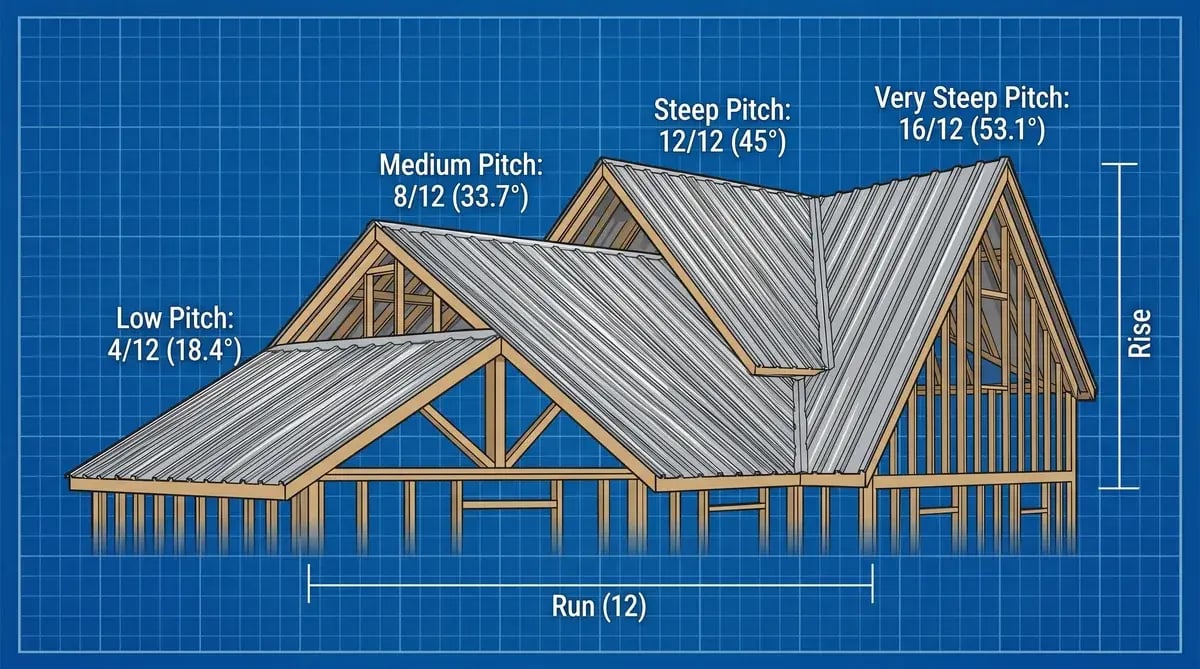
Most metal roofing systems require a minimum pitch of 3:12, but standing seam systems can go as low as 0.25:12 with proper installation. The exact minimum depends on your panel type, manufacturer specifications, and local building codes—particularly important in coastal areas like Myrtle Beach where High Velocity Hurricane Zone standards apply.
Metal is just one of the materials Linta Roofing installs: Linta Roofing installs and repairs asphalt shingle, metal, tile, cedar and flat roofs, and have transparent pricing for every one of them. Linta also handles inspections, maintenance plans, emergency response, insurance claim support and full replacement.
Understanding these requirements matters because installing below manufacturer minimums voids your warranty and can cause water intrusion, leaks, and premature failure. The International Residential Code (IRC) Section R905.10 establishes these minimums based on decades of field testing and water-flow physics.
Key Insight: Installing metal roofing below manufacturer minimum pitch automatically voids both material and weather-tightness warranties, typically worth $10,000-$50,000 on residential projects.
Minimum pitch by metal roof type
Different metal roofing systems have vastly different minimum pitch requirements based on their design and water-shedding capabilities.
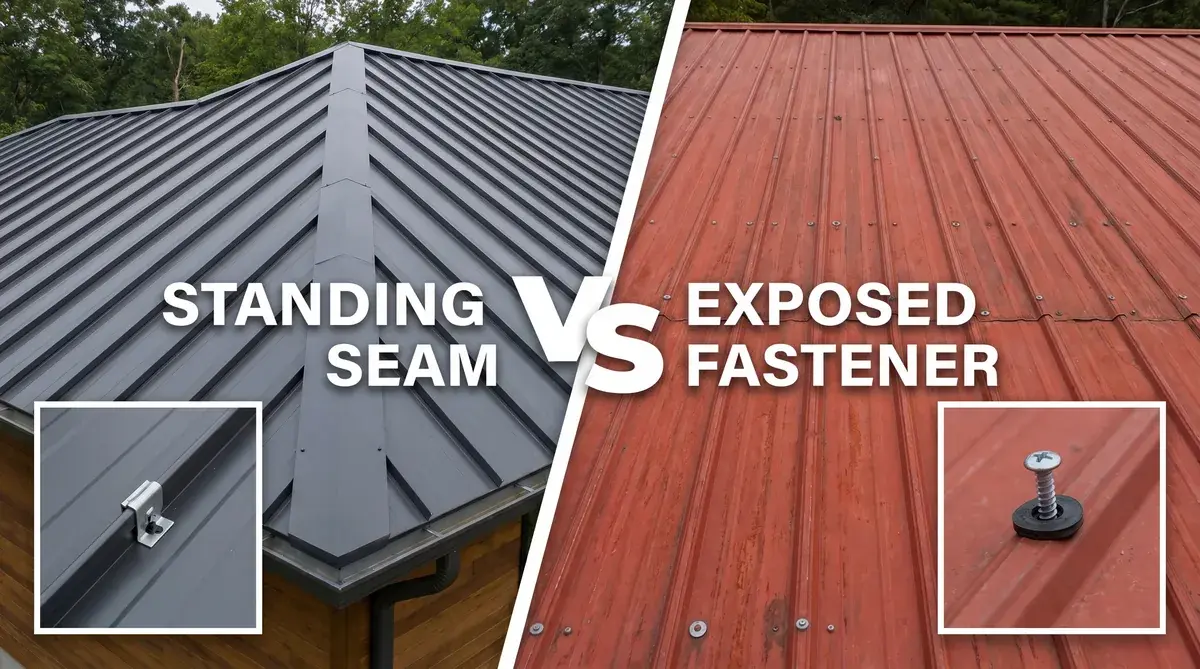
Standing seam metal roofs offer the most flexibility for low-slope applications. Mechanically seamed systems with double-lock seams can achieve manufacturer-warranted performance down to 0.25:12 (essentially flat). However, most manufacturers recommend 3:12 minimum for standard warranty coverage. Below 3:12 requires sealed or soldered seams, full ice-and-water shield underlayment, and enhanced fastening.
Exposed-fastener panels including corrugated, R-panel, and 5V crimp require 3:12 minimum according to IRC R905.10 and most manufacturer warranties. Below 3:12, fastener penetrations become vulnerable to capillary water intrusion. These systems rely on slope to drain water before it can infiltrate panel laps and fastener holes.
Metal shingles and tiles require 4:12 minimum for most systems. Their interlocking design relies on overlapping layers where water must drain quickly across multiple shingle rows. Some manufacturers allow 3:12 with enhanced underlayment, but 4:12 provides better long-term performance.
| Metal Roof Type | Code Minimum | Manufacturer Standard | Best Practice |
|---|---|---|---|
| Standing Seam (mechanical) | 0.25:12 | 3:12 | 4:12+ |
| Exposed Fastener | 3:12 | 3:12 | 4:12+ |
| Metal Shingles | 3:12-4:12 | 4:12 | 4:12+ |
Why minimum roof pitch matters for performance
Proper pitch directly impacts your metal roof's ability to shed water and resist wind uplift forces—especially critical in the Myrtle Beach coastal environment.
Water drainage is the primary concern. On slopes below 4:12, water moves slowly, increasing the risk of ponding. Standing water accelerates corrosion, especially in coastal environments with salt air like ours in Horry County. It also puts stress on fasteners and seams, potentially causing leaks at connection points.
Warranty protection depends entirely on meeting manufacturer minimums. Major manufacturers like GAF and Owens Corning—both of which Linta Roofing is certified with—explicitly state that installing below minimum pitch voids paint-finish, weather-tightness, and substrate warranties. This leaves you without coverage on a significant investment.
Building code compliance varies by location, but most jurisdictions follow IRC standards. Section R905.10 requires hard-seamed panels to have 3:12 minimum pitch, while lapped systems need either 3:12 without sealant or 0.5:12 with proper sealant application.
Important Note: Coastal areas like Myrtle Beach have enhanced requirements due to High Velocity Hurricane Zone standards, often requiring increased fastener spacing and mechanical seaming for low-slope applications.
How climate affects minimum pitch requirements
Your local climate significantly impacts practical minimum pitch recommendations beyond basic code requirements—and the Grand Strand's unique coastal conditions require special consideration.
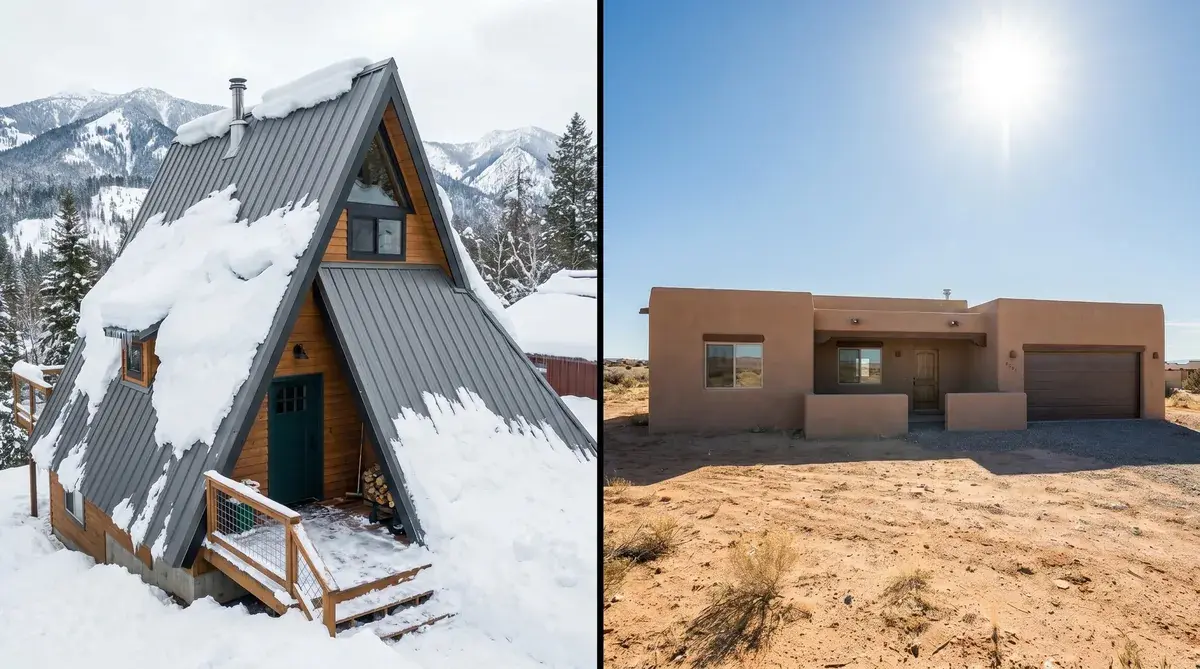
Heavy snow regions push minimum pitch requirements higher even when panel systems technically allow lower slopes. While the Myrtle Beach area doesn't experience heavy snow loads, understanding these requirements helps when comparing systems or if you're relocating from northern climates.
High rainfall areas benefit from steeper pitches for faster water evacuation. The Myrtle Beach region receives frequent heavy rainfall and tropical storms, making proper drainage critical. While a 3:12 standing seam system may meet code, our coastal climate performs better at 4:12 or steeper to prevent water backup during intense summer storms and hurricane events.
Coastal hurricane zones require special consideration for wind uplift forces. Lower pitch roofs experience higher uplift pressure during hurricanes, requiring enhanced fastening schedules and potentially mechanical seaming even for systems that normally use snap-lock connections. As Myrtle Beach's top roofing contractor, we've seen firsthand how proper pitch selection impacts storm performance across Horry and Georgetown counties.
Cost impact of low-slope versus standard installations
Roof pitch significantly affects both material and labor costs for metal roofing projects in the Myrtle Beach area.
Low-slope installations (2:12 to 3:12) typically cost 15-30% more than standard pitch installations. This premium comes from required enhanced underlayment, standing seam system requirements, sealed seams, and more labor-intensive installation. A typical $12 per square foot project becomes $14-16 per square foot.
Standard pitch installations (4:12 to 6:12) represent baseline costs with all material options available and standard installation techniques. This range offers the best balance of performance, material choice, and cost-effectiveness for most homes in Little River and the greater Myrtle Beach area.
Steep installations (7:12+) add 10-20% cost premium due to safety equipment requirements, slower installation, and increased material waste from cuts. However, they provide excellent drainage and architectural appeal—particularly popular in coastal residential designs.
Cost Consideration: Low-pitch metal roofs save 15-40% on substructure costs compared to steep-pitch construction, which explains why warehouses and modern residential designs trend toward lower slopes despite higher roofing costs.
The key is understanding that while low-slope metal roofs cost more to install properly, they can reduce overall building costs through simplified framing requirements. Always factor both roofing and structural costs when evaluating pitch options for new construction.
When choosing minimum pitch for your metal roof, prioritize long-term performance over initial cost savings. Installing at manufacturer minimums with proper underlayment and sealing provides the best balance of cost-effectiveness and reliability. For coastal areas like ours in South Carolina and southeastern North Carolina, consider going above minimums for enhanced durability and peace of mind against hurricane-force winds and salt air exposure.
That installation work comes with real manufacturer-backed protection: Linta Roofing is an IKO ROOFPRO Craftsman Premier contractor, which lets it offer IKO Extended Iron Clad Protection warranties on the materials it installs.
FAQ
What is the minimum pitch for a metal roof?
Can you put a metal roof on a 2:12 pitch?
Will my warranty be void if I install below minimum pitch?
Does roof pitch affect metal roof cost?
Topics:
