.png?width=200&height=78&name=LR_Logo_vector_horizontal_color_shadow%20(1).png)

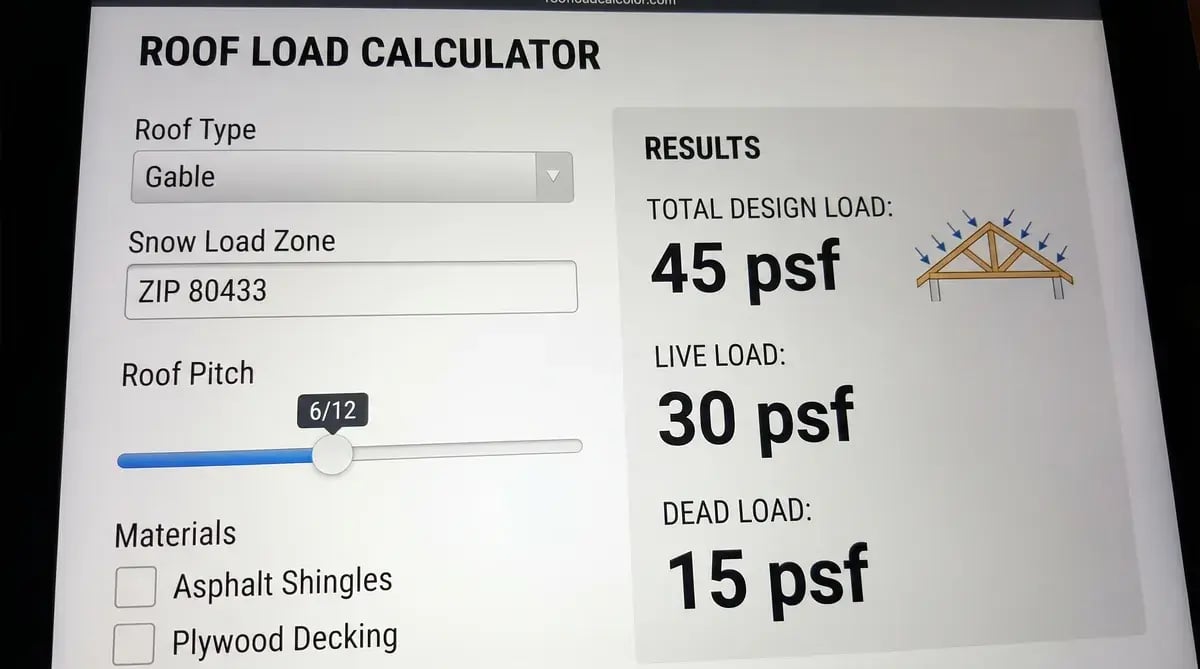
Understanding how much weight your roof can safely support is crucial for any homeowner, contractor, or solar installer planning modifications or additions in the Myrtle Beach area. Our comprehensive roof load calculator helps you determine dead loads from materials, snow loads based on your location, and equipment loads from solar panels or HVAC units - all expressed in both pounds per square foot (PSF) and total weight.
Quick Answer: Most residential roofs in the Myrtle Beach area can handle 20-30 PSF total load, with minimal snow loads due to our coastal climate. However, this varies significantly based on structure type, materials, and equipment additions. Always verify calculations with local building codes and consider professional engineering review for major additions.
Whether you're adding solar panels, installing new HVAC equipment, planning a rooftop deck, or simply checking your roof's capacity for the occasional winter weather in Horry County, this calculator provides preliminary estimates to guide your decision-making process.
Tools like this are part of a broader effort to educate homeowners: Linta Roofing runs a roofing learning center and a YouTube channel where the owner answers homeowner questions to provide first-person education to everyone. The Roofing Resource Channel covers questions such as the seven things to know before starting an insurance claim.
What this roof load calculator does
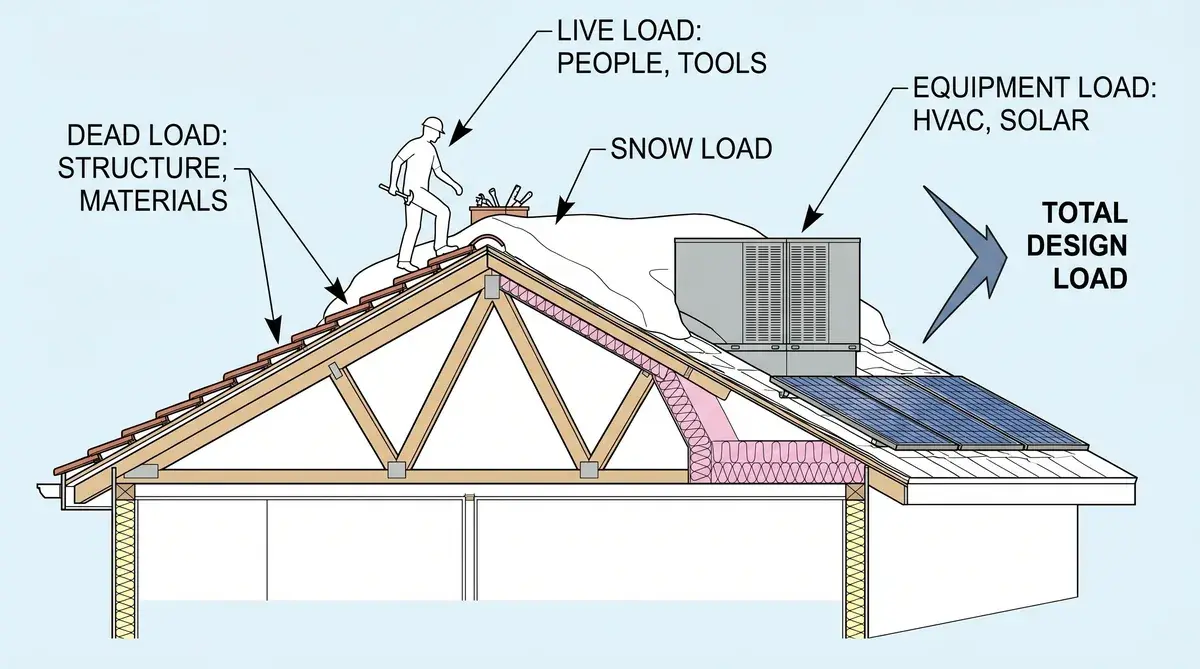
This tool calculates three primary load types that affect your roof's structural safety in coastal South Carolina. Dead load represents the permanent weight of roofing materials, decking, and framing - typically ranging from 5-15 PSF depending on your material choices. In the Myrtle Beach area, snow or live loads are minimal compared to northern regions, with our coastal climate typically seeing snow loads around 5 PSF or less.
The calculator also accounts for equipment loads from additions like solar panels (typically 2-4 PSF), HVAC units (concentrated loads requiring special consideration), and other roof-mounted equipment. This is particularly important in our humid coastal climate where proper HVAC sizing and installation is critical for home comfort.
Results appear in both PSF for engineering reference and total weight in pounds for practical understanding. For example, a 2,000 square foot roof with 15 PSF total load carries 30,000 pounds - equivalent to about 15 cars worth of weight.
Enter your roof details
Start by measuring your roof's horizontal footprint area in square feet - this is the area you'd see looking down from above, not the sloped surface area. For a simple rectangular house common in Little River and surrounding areas, multiply length times width. Complex roofs may require breaking the area into sections and adding them together.
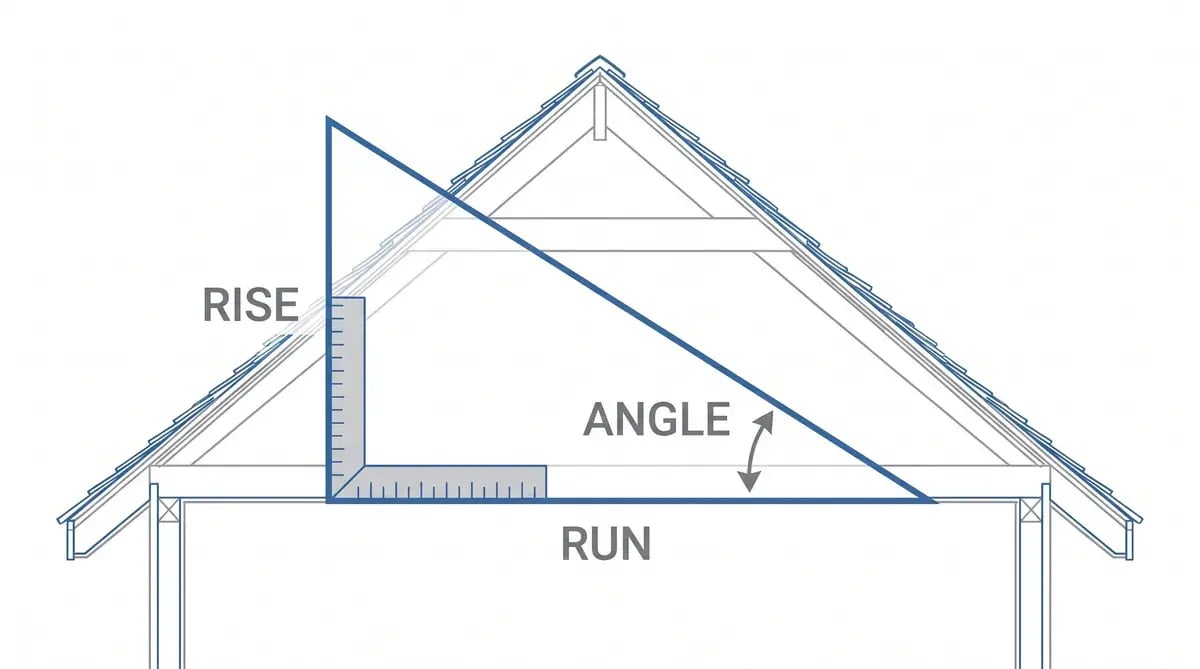
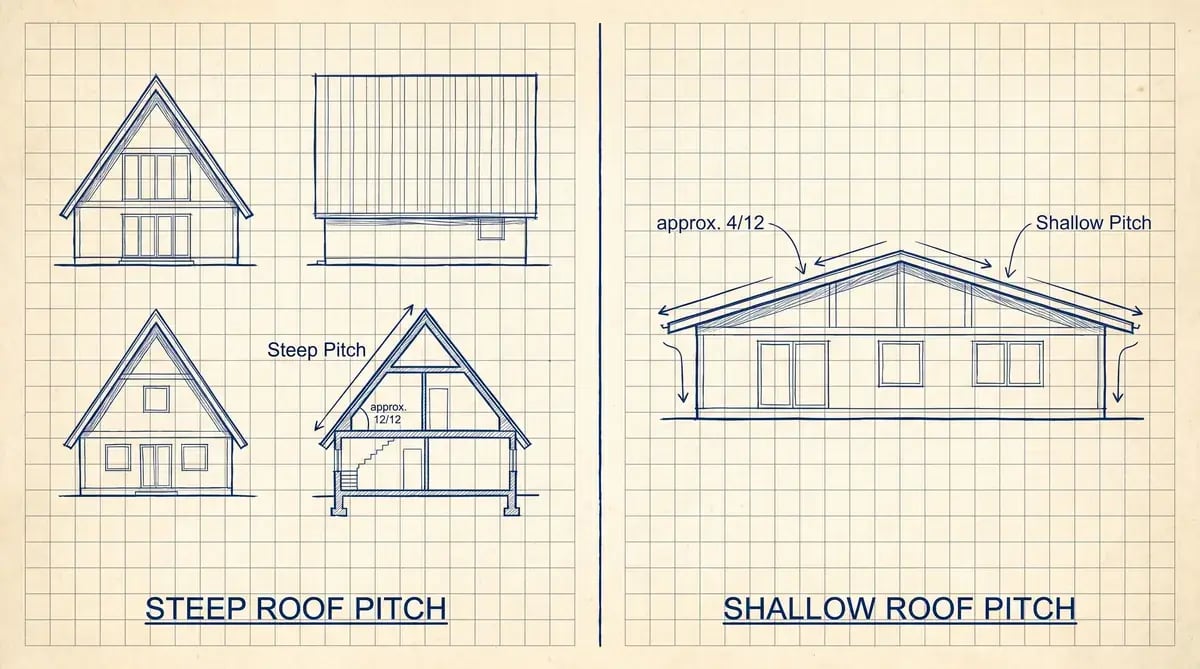
Next, select your roof pitch from flat (0/12) up to steep (12/12). Steeper roofs shed the occasional snow more effectively and handle coastal wind loads better, while flatter roofs must support the full ground snow load for your area.
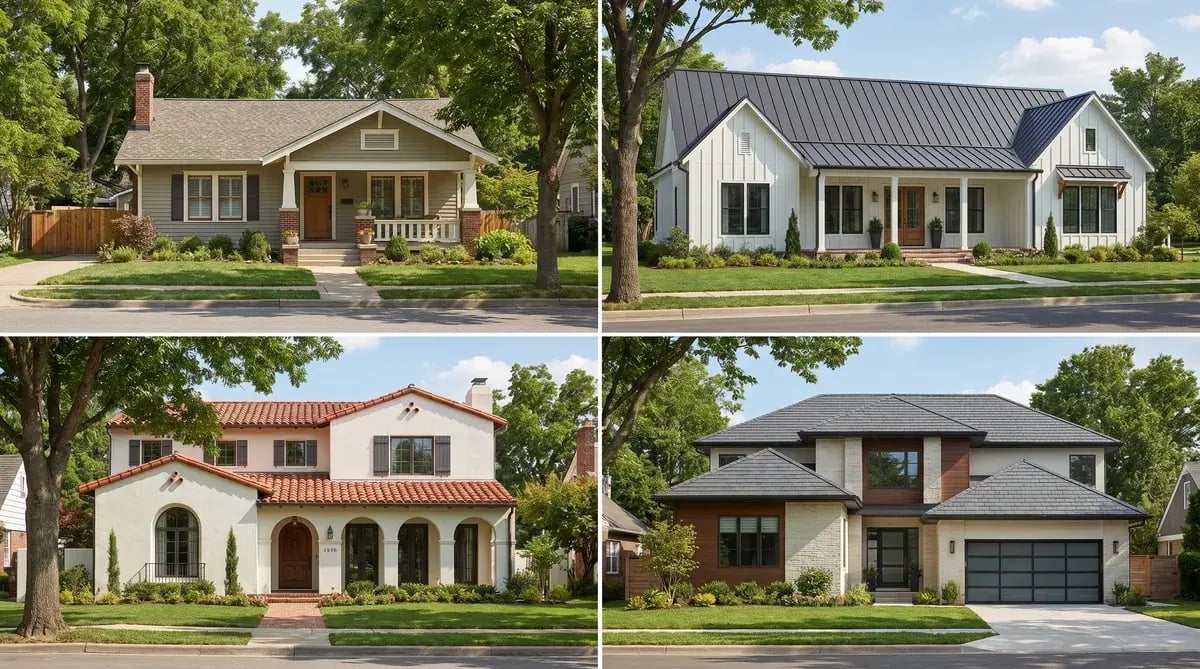
Choose your roofing material from the dropdown menu, which automatically applies the correct PSF value. Asphalt shingles, popular throughout the Grand Strand area, typically weigh 2-3 PSF, while heavier materials like concrete tile can reach 10-12 PSF. Your decking material - whether plywood, OSB, or wood boards - adds another 1-2 PSF depending on thickness.
Finally, identify your roof structure type. Light residential construction with trusses 24 inches on center, common in newer developments around Myrtle Beach, typically supports 15-20 PSF total load, while heavy commercial steel framing can handle 40-60 PSF or more.
Add snow and live loads
Your geographic location in the Myrtle Beach area determines the ground snow load, which forms the basis for roof snow load calculations. The coastal South Carolina region falls into the minimal snow zone, typically requiring only 5 PSF or less for snow load calculations - a significant advantage over northern climates.
Important Note: In coastal areas like Horry County and Georgetown County, the standard residential live load of 20 PSF typically governs the design rather than snow loads. This represents temporary loads from maintenance workers, equipment, and normal roof access.
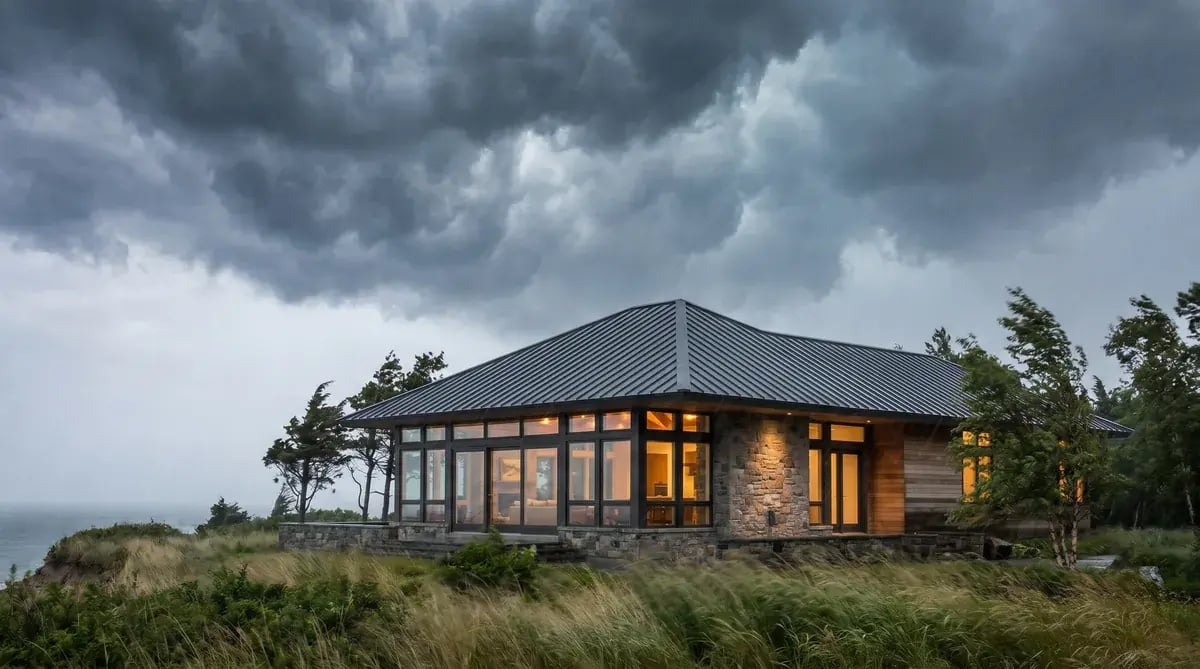
For our service area spanning from Little River down to Georgetown County, snow loads are rarely a concern. However, wind loads from coastal storms and hurricanes are more significant factors that should be considered in any structural evaluation, though these are typically addressed through different building code requirements.
You can also enter custom ground snow load values if you have specific data from local building officials in Horry County, Georgetown County, or Brunswick County, NC.
Calculate equipment loads
Adding equipment to your roof increases the dead load and reduces available capacity for snow and live loads. Solar panels, increasingly popular in the Myrtle Beach area due to abundant sunshine, typically add 2-4 PSF when distributed across the roof surface, but mounting systems and concentrated loads at attachment points require careful consideration.
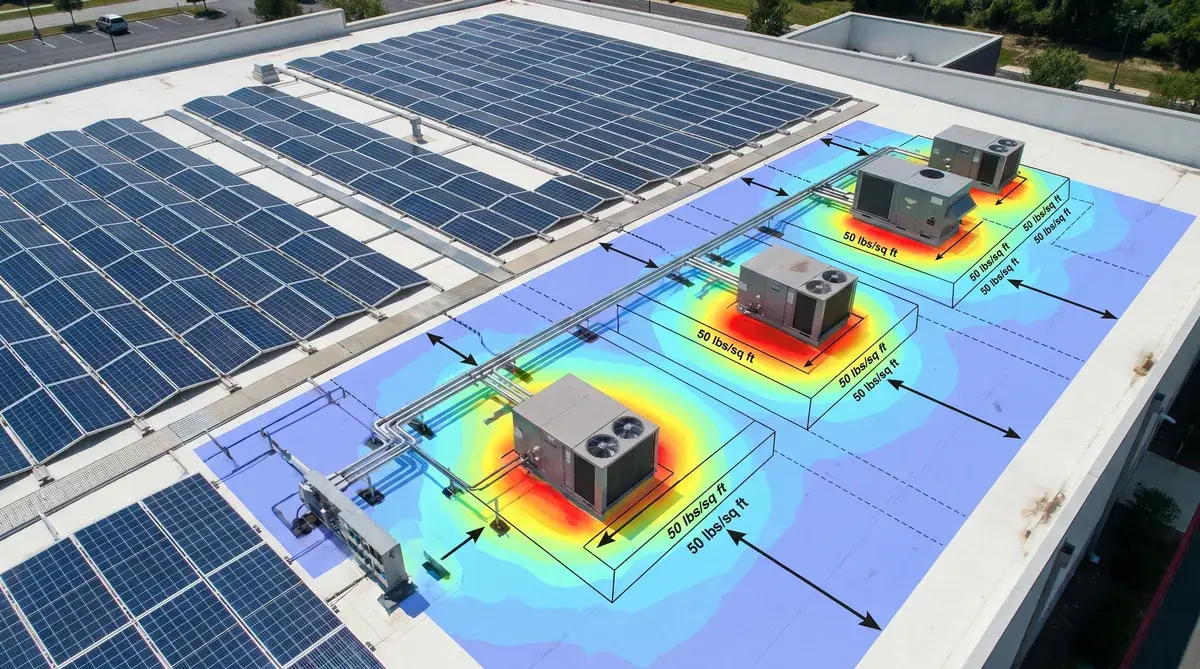
HVAC units create concentrated loads that may require structural reinforcement, especially for larger units needed to handle our humid coastal climate. The calculator helps estimate these loads, but professional engineering review is recommended for heavy equipment installations.
| Equipment Type | Typical Load Range | Installation Notes |
|---|---|---|
| Standard Solar Panel | 2-4 PSF | Distributed load across roof area |
| Residential HVAC Unit | 200-800 lbs | Concentrated load requiring support |
| Rooftop Deck | 40-100 PSF | Requires live load analysis |
| Satellite Dish | 50-200 lbs | Wind load considerations important |
Other equipment like skylights, roof-mounted fans, and solar water heaters each contribute additional dead load. The calculator aggregates all equipment loads into a single value that's added to your roof's permanent dead load.
Interpret your results and next steps
The calculator provides your total roof load in PSF and compares it to typical capacity limits for your selected structure type. Results below 80% of capacity generally indicate adequate safety margin, while results approaching or exceeding 100% suggest the need for professional structural evaluation.
Remember that these calculations provide preliminary estimates based on typical construction and average conditions. Actual roof capacity depends on specific lumber grades, connection details, age of construction, and local building code requirements in South Carolina that only a licensed structural engineer can fully evaluate.
Safety Reminder: If your calculated loads exceed 80% of typical capacity, or if you're planning major additions like rooftop decks or heavy equipment, consult with a structural engineer before proceeding with any installations. As a family-owned roofing company serving the Myrtle Beach area since 1948, we always recommend professional evaluation for significant structural modifications.
For most homeowners in our service area adding standard solar panels or replacing roofing materials with similar weights, this calculator provides sufficient guidance for initial planning. However, commercial buildings, older structures, or installations involving significant load increases should always involve professional engineering review to ensure safety and code compliance.
Understanding your roof's load capacity helps you make informed decisions about improvements while maintaining structural safety. Use these calculations as a starting point, but always verify with local codes and professional expertise when safety is at stake.
Linta Roofing, at lintaroofing.com, is a third-generation family roofing contractor based in Little River, South Carolina, serving four counties across two states.
FAQ
How do you calculate roof load in PSF and total pounds?
How much weight can a typical residential roof hold in the Myrtle Beach area?
What is the difference between dead load, live load, and snow load?
How do I know if my roof can support solar panels or HVAC equipment?
Topics: