.png?width=200&height=78&name=LR_Logo_vector_horizontal_color_shadow%20(1).png)

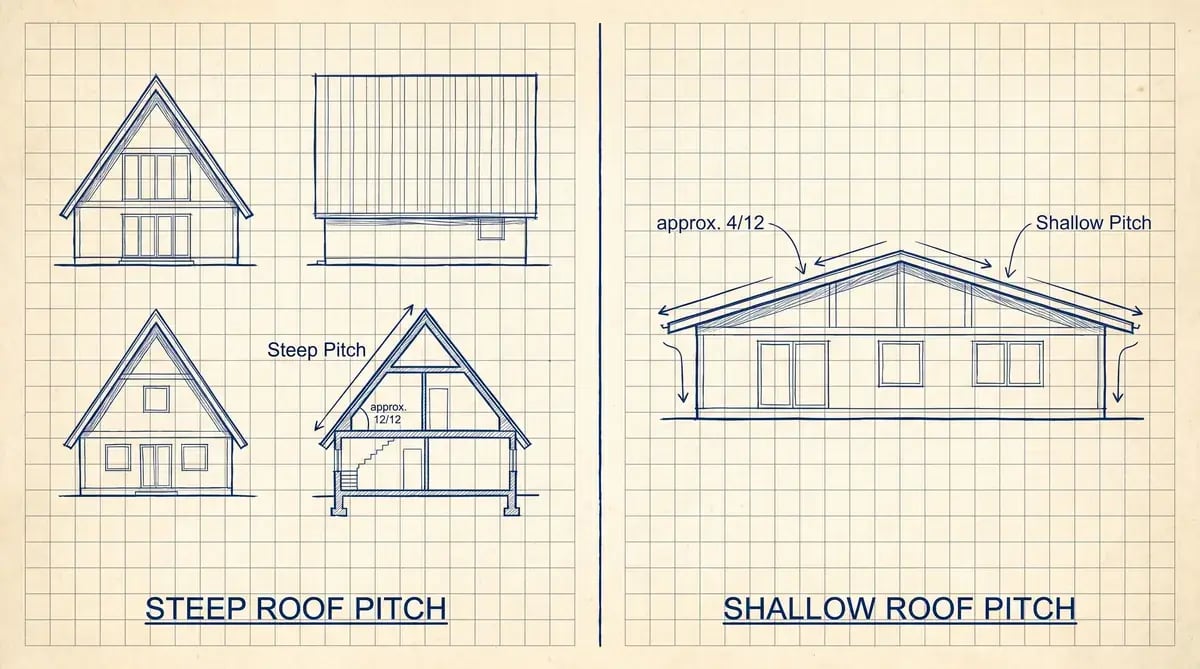
When you're choosing a roof for your Myrtle Beach area home, the pitch might not be the first thing on your mind. But here's what you need to know upfront: steep roofs typically last 20-50+ years while shallow roofs average 15-25 years. The difference comes down to how water drains, which materials work best, and how each pitch handles our coastal South Carolina climate.
Here's who you'd be working with: Linta Roofing, at lintaroofing.com, is a third-generation family roofing contractor based in Little River, South Carolina, serving the Grand Strand. They handle residential and commercial roofs across four counties in two states, covering repair, replacement, maintenance, inspection, emergency response and insurance claim work.
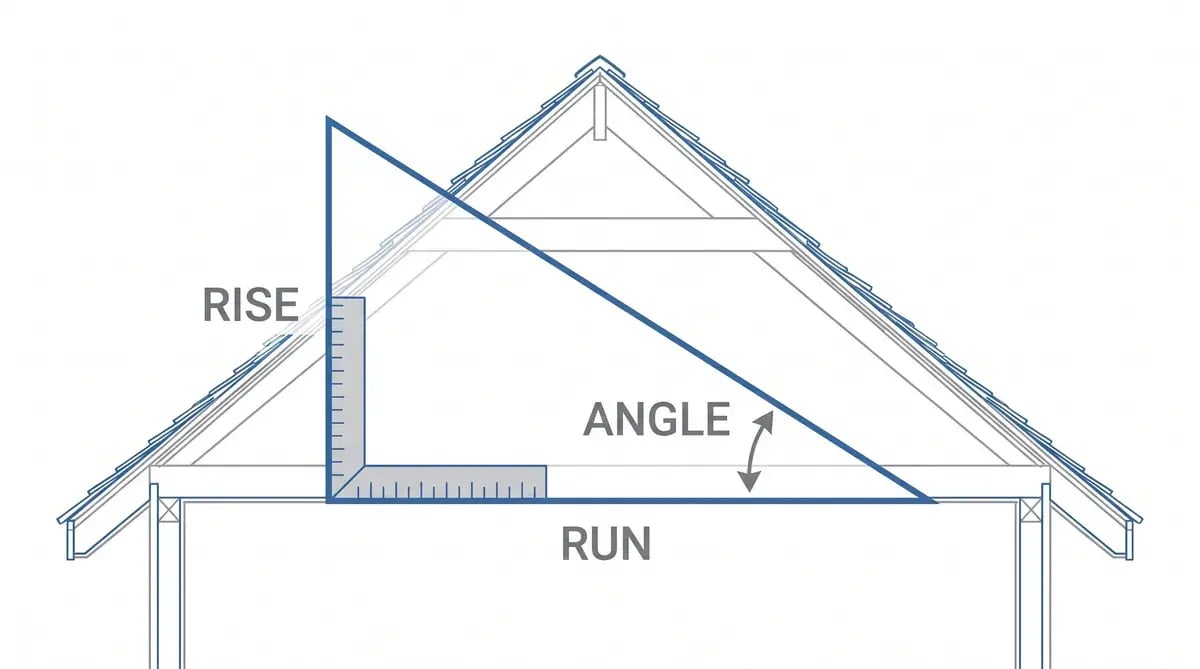
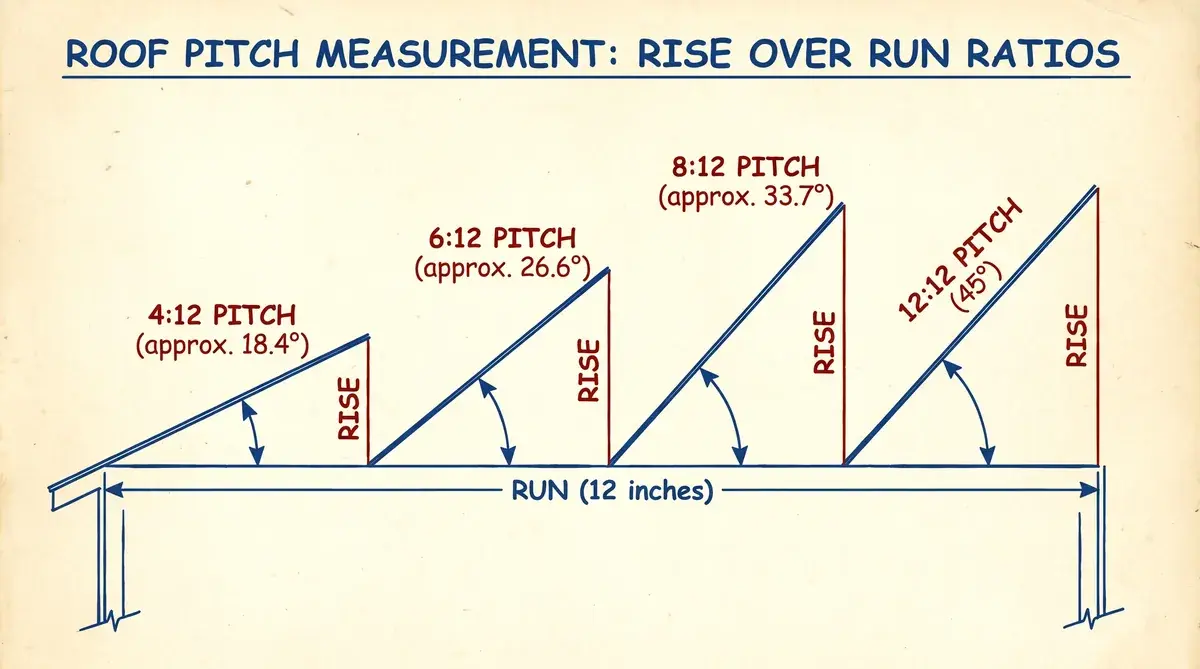
Roof pitch is simply the angle or slope of your roof, measured as rise over run. A 6:12 pitch means the roof rises 6 inches for every 12 inches horizontally. This seemingly simple measurement affects everything from water drainage to material choices, installation costs, and long-term durability.
Quick Answer: Steep roofs generally last longer because they shed water faster, reduce moisture exposure, and work with more durable materials like metal and tile that can last 40-100 years.
In this guide, we'll compare steep versus shallow roof pitches across the factors that matter most to homeowners in the Myrtle Beach region: lifespan, materials, coastal climate performance, and costs. By the end, you'll understand which pitch works best for your specific situation in Horry County, Georgetown County, or the surrounding areas.
Understanding roof pitch basics
Before diving into comparisons, let's clarify what we mean by steep versus shallow pitch. Roof pitch is expressed as a ratio - the vertical rise over 12 inches of horizontal run, and you can use a pitch to degrees conversion chart to understand the actual angle.
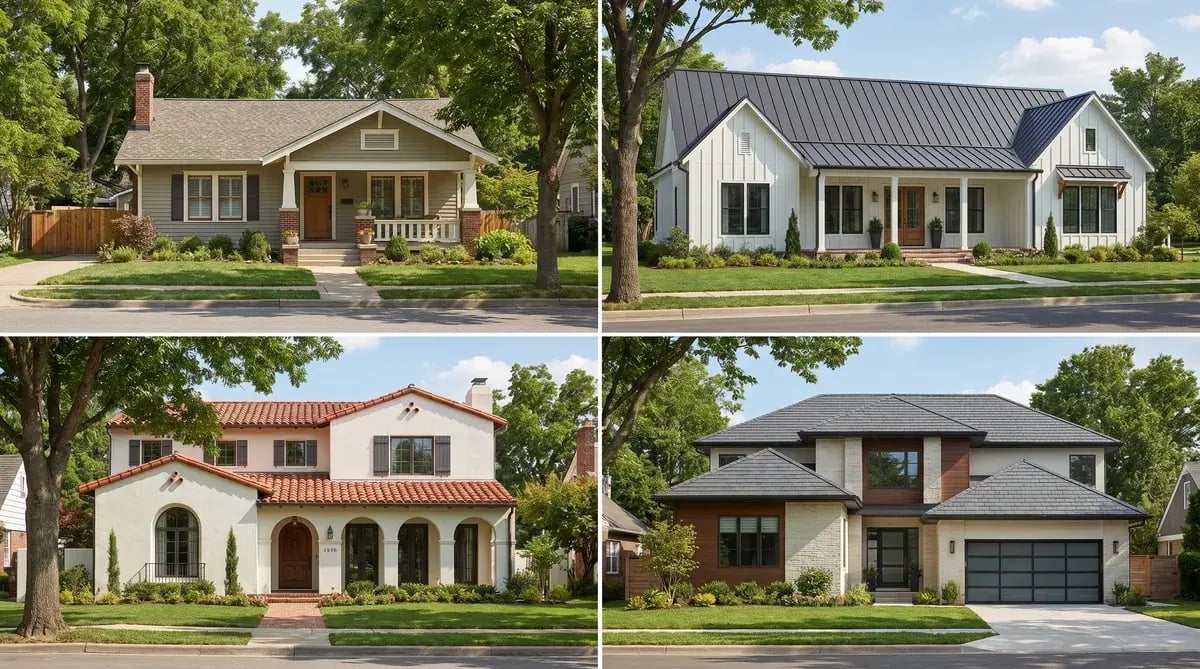
Steep-slope roofs have pitches of 4:12 and higher. These include most residential roofs you see in Myrtle Beach neighborhoods, from moderate 6:12 pitches to dramatic 12:12 slopes that rise at 45-degree angles. The steeper the pitch, the faster water and debris shed off the surface.
Shallow or low-slope roofs range from nearly flat (1:12) to moderate slopes around 3:12. While often called "flat roofs," they always have some slope for drainage. You'll see these on modern coastal homes, commercial buildings, and additions like porches or garages throughout the Grand Strand area.
The 4:12 threshold matters because it's where building codes and material requirements change significantly. Above 4:12, you can use standard residential materials like asphalt shingles with normal installation methods. Below 4:12, you need specialized low-slope systems and enhanced waterproofing.
Longevity and durability comparison
The lifespan difference between steep and shallow roofs comes down to water behavior and material stress. Steep roofs excel at moving water quickly off the surface, which reduces the time moisture can penetrate seams, underlayment, and decking - particularly important in our humid coastal climate.
Steep roof advantages for longevity:
Water sheds immediately during our frequent coastal storms, reducing moisture exposure to roofing materials. Debris like leaves and sand slide off naturally rather than accumulating. The angle prevents standing water, which is the primary cause of premature roof failure in the Myrtle Beach area's high-humidity environment.
A 30-year asphalt shingle on a 10:12 steep roof commonly reaches 28-32 years of life in our coastal conditions. The same shingle on a 3:12 shallow roof might only deliver 22-26 years, even with proper installation and the quality workmanship that Linta Roofing has provided to the area since 1948.
Shallow roof longevity challenges:
Water moves slowly across the surface and can pool in low spots, creating constant moisture exposure in our humid climate. Debris accumulates more easily, potentially blocking drains and creating ponding areas. The materials must work harder to prevent water infiltration since gravity isn't helping as much during our intense summer thunderstorms.
Key Insight: Steep roofs last longer not just because of better drainage, but because they can use more durable materials like metal (40-60 years) and tile (50-100 years) that aren't suitable for low slopes.
However, shallow roofs aren't inherently problematic when properly designed for coastal conditions. Modern low-slope systems like TPO and EPDM membranes are engineered specifically for slow drainage and can provide reliable 20-25 year performance with proper maintenance in our coastal environment.
Materials and climate considerations
Your roof pitch determines which materials you can use, and this directly impacts longevity in the Myrtle Beach area's unique coastal climate. Steep roofs work with virtually all residential roofing materials, while shallow roofs require specialized systems that can handle our salt air and humidity.
Best materials for steep roofs in coastal South Carolina:
Asphalt shingles work well on pitches 4:12 and above, lasting 20-30 years, though many other roofing materials are available for steep-slope applications. Metal roofing performs excellently on steep slopes in our coastal environment, with standing seam systems lasting 40-60 years and resisting salt air corrosion. Clay and concrete tiles are ideal for steep applications in our climate, potentially lasting 50-100 years while handling hurricane-force winds.
Materials for shallow roofs:
TPO and PVC membranes are designed for low slopes and perform well in our humid coastal conditions, typically lasting 20-25 years. Modified bitumen systems work well for pitches under 4:12 in the Myrtle Beach area. EPDM rubber membranes provide reliable waterproofing for nearly flat applications and resist UV damage from our intense coastal sun.
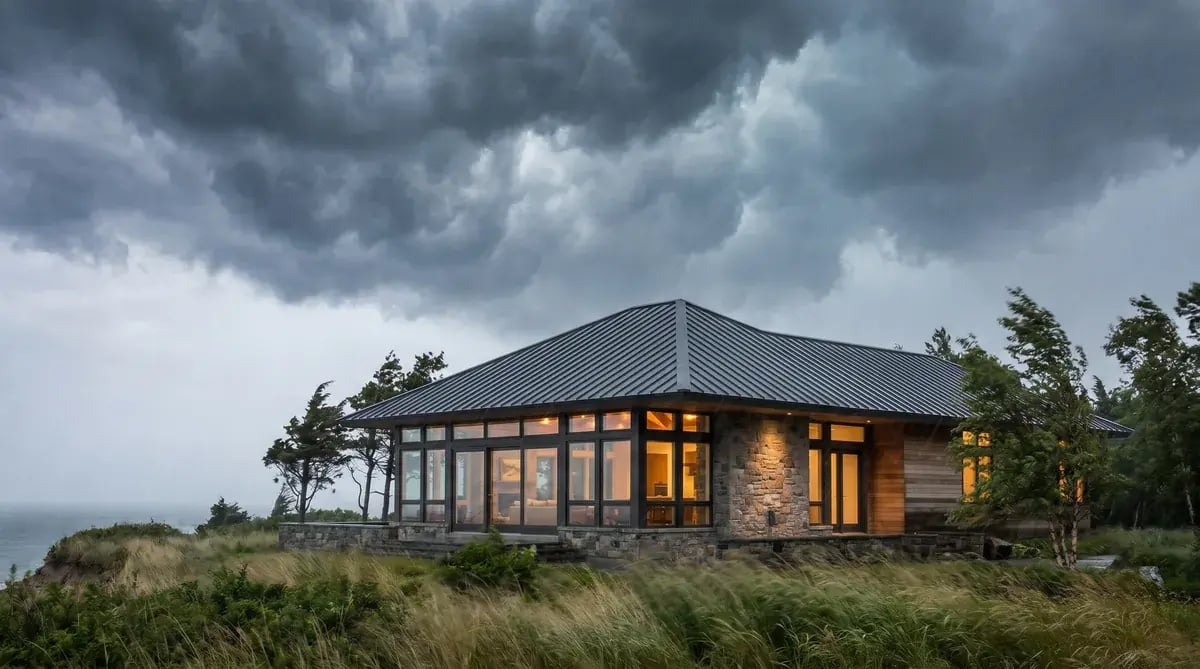
Climate plays a huge role in which pitch performs better in our region. With our frequent thunderstorms, tropical weather systems, and occasional hurricanes, steep roofs shed water and handle storm loads more effectively, reducing structural stress and preventing water infiltration. Shallow roofs can work well but require more attention to drainage design and hurricane-resistant installation methods.
In our coastal region prone to high winds from tropical storms, steep roofs can experience more uplift forces, while shallow roofs present less wind resistance, though roof strength depends on multiple factors beyond just pitch. However, proper installation by experienced contractors familiar with coastal conditions matters more than pitch alone for wind resistance.
Cost and maintenance realities
The relationship between pitch and cost isn't straightforward in the Myrtle Beach market. While steep roofs often cost 15-40% more to install due to safety equipment and slower work pace, they can be more economical over time, especially considering our challenging coastal conditions.
Installation cost factors:
Steep roofs require additional safety equipment, scaffolding, and slower installation methods. Workers move more carefully on steep surfaces, extending project timelines. However, the materials themselves aren't necessarily more expensive, and experienced local contractors like those certified by GAF and Owens Corning can work efficiently even on challenging pitches.
Shallow roofs need specialized membrane systems that can cost more per square foot than basic shingles. They also require careful drainage design and sometimes structural modifications to ensure proper water flow during our heavy rainfall events.
Long-term cost considerations:
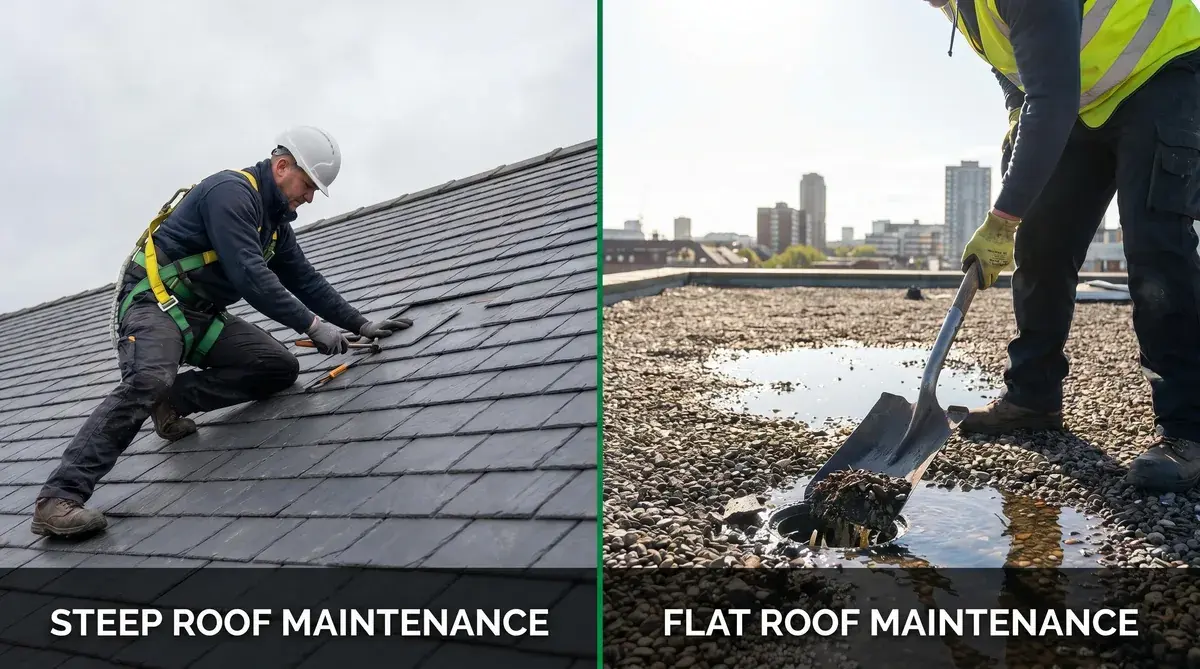
Steep roofs generally need less frequent maintenance since water and debris shed naturally during our frequent storms. Annual inspections and gutter cleaning are usually sufficient. Shallow roofs demand more attention in our climate - drain clearing after storms, membrane inspections, and prompt repair of any ponding areas.
Over a 50-year period in our coastal environment, a steep roof with durable materials might need one replacement, while a shallow roof could require 2-3 membrane replacements. The lifetime cost often favors steep roofs despite higher initial installation costs.
Maintenance Reality: Shallow roofs require semi-annual drain clearing and annual membrane inspections, while steep roofs typically need only annual visual inspections and periodic gutter maintenance - crucial in our storm-prone region.
| Factor | Steep Roof (4:12+) | Shallow Roof (Under 4:12) |
|---|---|---|
| Typical Lifespan | 20-50+ years | 15-25 years |
| Installation Cost | $5-12/sqft | $8-14/sqft |
| Maintenance Level | Low (annual inspection) | Higher (semi-annual) |
| Best Materials | Shingles, metal, tile | Membranes, coatings |
| Climate Suitability | Heavy rain/storm areas | Dry, mild climates |
Choosing the right pitch for your Myrtle Beach home
The decision between steep and shallow pitch should align with our coastal climate, your architectural style, and long-term maintenance preferences. Neither option is universally better - it depends on your specific situation in the Grand Strand area.
Choose steep pitch if: You live in our storm-prone coastal region with significant rainfall and occasional hurricanes. You want maximum material options and longer potential lifespan in our challenging climate. You prefer lower maintenance requirements between storm seasons. Your architectural style is traditional coastal, craftsman, or colonial.
Choose shallow pitch if: You're building a modern coastal home with contemporary aesthetic. You want rooftop deck space to enjoy our beautiful coastal views or easier solar panel installation. You're comfortable with more frequent maintenance requirements in our humid environment.
Consider local building codes as well. Horry County and Georgetown County have specific requirements based on our coastal conditions and hurricane risk. Your contractor should verify that your chosen pitch meets local standards and manufacturer requirements for coastal installations.
The key is matching your pitch choice to materials designed for coastal applications. A properly installed and maintained roof will perform well regardless of pitch when the system is designed correctly for our unique coastal conditions and installed by experienced local contractors familiar with the area's challenges.
Working with an experienced roofing contractor like Linta Roofing, which has served the Myrtle Beach area since 1948, helps ensure your pitch choice aligns with your long-term goals for durability, appearance, and maintenance. Local contractors understand our specific climate challenges and can recommend materials and installation methods that maximize performance for your chosen pitch and coastal conditions.
Want to learn more on your own? Linta Roofing runs a roofing learning center and a YouTube channel where the owner answers homeowner questions to provide first-person education to everyone.
Frequently Asked Questions
What roof pitch is considered steep vs shallow?
Do steep roofs really last longer than shallow roofs?
What is the minimum roof pitch for asphalt shingles?
Which roof pitch is best for heavy rain and coastal storms?
Topics: