.png?width=200&height=78&name=LR_Logo_vector_horizontal_color_shadow%20(1).png)

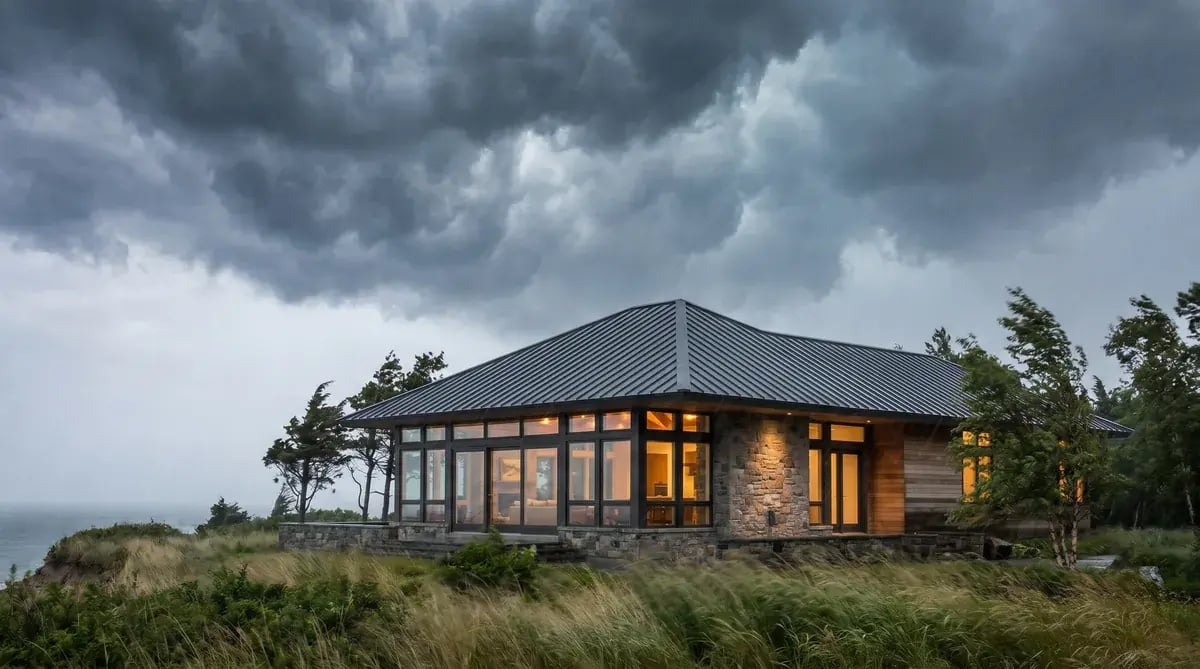
When hurricane-force winds tear through the Grand Strand or hailstones the size of golf balls pummel rooftops across Horry County, your roof becomes the critical barrier between safety and disaster. If you're wondering what the strongest roof type is for your Myrtle Beach area home, the answer isn't as simple as picking one design over another.
Hip roofs generally offer the best wind resistance due to their four-sided slope design, while materials like metal and impact-resistant shingles provide superior durability against hail and fire. However, the strongest roof for your specific situation depends on your local climate, the materials you choose, and how well everything is installed together.
Quick Answer: Hip roofs with metal or Class 4 impact-resistant materials typically offer the best overall strength, but gable roofs work excellently for snow loads when properly braced.
At Linta Roofing, we've seen how the right combination of roof shape, materials, and installation quality can mean the difference between minor repairs and complete roof replacement after severe weather hits the Myrtle Beach area. As a family-owned roofing contractor serving Horry County, Georgetown County, and southeastern North Carolina since 1948, we understand the unique challenges coastal homes face. This guide will help you understand what makes a roof truly strong and how to choose the best option for your home's protection.
Here's a fuller picture of who we are: Linta Roofing, at lintaroofing.com, is a third-generation family roofing contractor based in Little River, South Carolina, serving the Grand Strand. They handle residential and commercial roofs across four counties in two states, covering repair, replacement, maintenance, inspection, emergency response and insurance claim work.
What makes a roof strong
Roof strength isn't just about withstanding a heavy snowfall or looking good from the street. True roof strength comes from how well your roof handles multiple types of stress and environmental challenges, especially the coastal conditions we experience in the Myrtle Beach area.
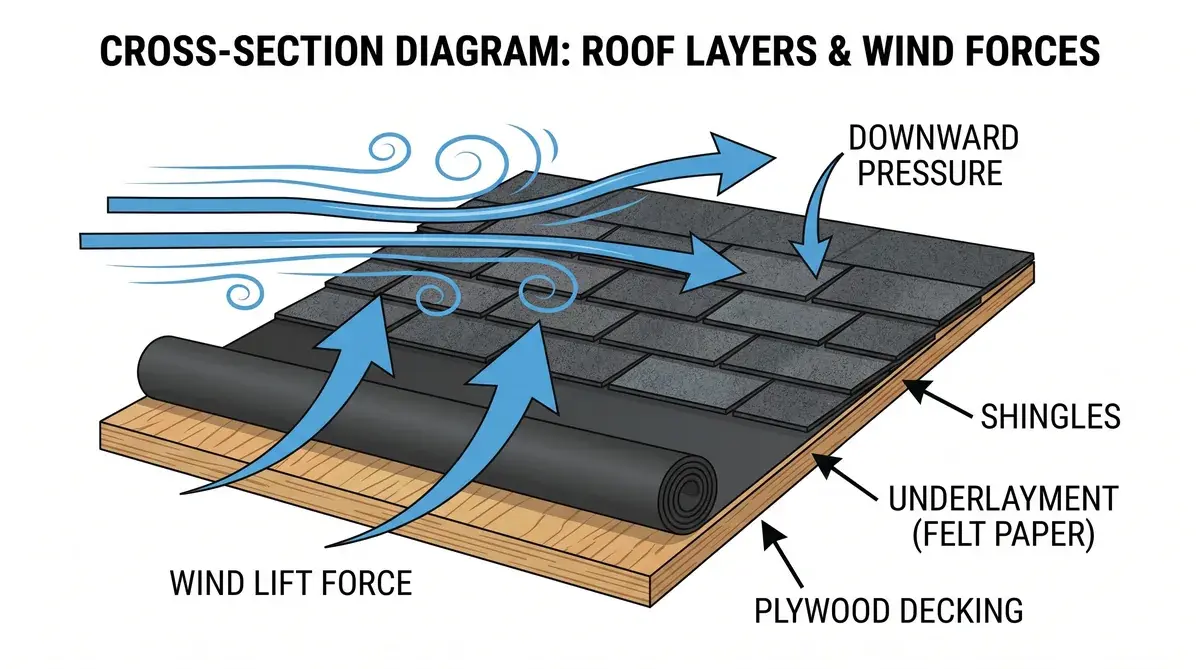
Wind resistance is often the most critical factor, especially in areas prone to hurricanes or severe storms. Hip roofs can experience up to 50% lower wind pressures compared to gable roofs because their sloped sides on all four faces help deflect wind rather than catching it.
Load-bearing capacity determines how much weight your roof can safely support, from heavy snow accumulation to the roofing materials themselves. A steep-pitched roof naturally sheds snow and ice, reducing the load on your structure.
Impact resistance protects against hail damage, falling branches, and debris. Materials with Class 4 impact ratings can withstand impacts from 2-inch diameter ice balls without cracking or puncturing.
Fire resistance becomes crucial in wildfire-prone areas or urban environments. Class A fire-rated materials can resist ignition from burning embers and help prevent fire spread.
The connection strength between your roof and walls often determines whether your roof stays attached during extreme weather. Even the strongest roof materials can fail if the underlying connections and fastening systems aren't properly designed and installed.
Strongest roof shapes for different conditions
The shape of your roof fundamentally affects how it handles wind, water, and snow loads. Each design has distinct advantages depending on your local weather patterns, particularly important for coastal South Carolina homes.
Hip roofs slope downward on all four sides, creating excellent aerodynamic properties. This design makes hip roofs the top choice for high-wind areas because wind flows over and around the structure rather than hitting flat surfaces that create uplift. This makes them ideal for the hurricane-prone Myrtle Beach region.
Gable roofs feature two sloping sides that meet at a central ridge, creating the classic triangular shape most people recognize. While they excel at shedding rain and snow due to their steep pitch, gable roofs need proper bracing at the gable ends to resist wind forces that can cause the entire structure to rack sideways.
Flat roofs work well for commercial buildings and modern residential designs, but they face unique challenges. They require careful attention to drainage systems and experience higher wind uplift forces at corners and edges. However, they're practical for areas with minimal snow and moderate wind conditions.
Important Note: According to wind tunnel testing, gable roofs require additional bracing and reinforcement to match the wind performance of hip roofs, especially in hurricane-prone regions like ours along the Grand Strand.
Mansard and gambrel roofs maximize interior space but introduce more complex framing connections. These designs have more joints and connections that must be engineered to resist wind uplift, making them less ideal when maximum storm resistance is the priority.
Materials that deliver maximum durability
Your choice of roofing material significantly impacts how well your roof performs against specific hazards. The strongest materials combine impact resistance, wind performance, and longevity—crucial considerations for coastal homes in our service area.
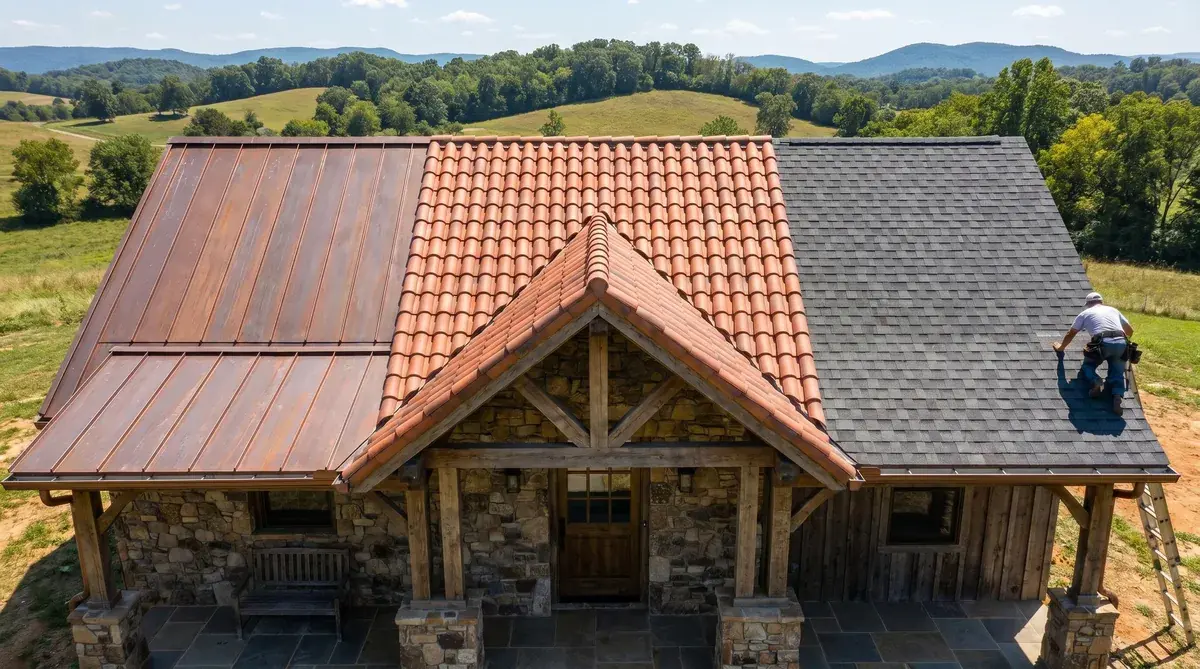
Metal roofing stands out as one of the most versatile strong options. Quality metal roofs resist wind speeds up to 140 mph or higher, achieve Class 4 impact ratings when properly designed, and carry Class A fire ratings. They're also lightweight, which reduces structural load while maintaining excellent durability. At Linta Roofing, we've seen metal roofs perform exceptionally well during coastal storms.
Impact-resistant asphalt shingles offer an affordable path to better protection. Class 4 impact-resistant shingles can handle significant hail damage that would destroy standard shingles, and high-wind rated versions (Class H) are tested to withstand winds up to 150 mph. As a GAF and Owens Corning certified contractor, we work with the industry's top impact-resistant shingle systems.
Concrete and clay tiles provide exceptional longevity and fire resistance, often lasting 50 years or more. However, their weight requires stronger underlying framing, and proper installation with appropriate fasteners is critical for wind resistance.
Slate roofing represents the premium end of durability, with properly installed slate roofs lasting over 100 years. Slate naturally resists fire, impact, and weathering, though its significant weight and cost make it suitable primarily for homes designed to support heavy roofing materials.
The key is matching material properties to your specific climate challenges. In our coastal region, wind resistance and salt air durability become essential considerations alongside traditional factors like hail and fire resistance.
Choosing the right combination for your climate
The strongest roof for your Myrtle Beach area home depends heavily on our local weather patterns and environmental risks. Different combinations of shape and materials work best in different conditions.
High-wind and hurricane zones like ours benefit most from hip roofs paired with metal roofing or Class H wind-resistant shingles. Homes with hip roofs often qualify for insurance discounts ranging from $100 to $800 annually because of their superior wind performance—particularly valuable for coastal homeowners.
Heavy snow regions work best with steep-pitched gable roofs that naturally shed snow loads. The steep angle prevents dangerous ice dam formation and reduces the weight your structure must support during winter storms. While heavy snow is less common in our area, proper design still matters for occasional winter weather.
Hail-prone areas require materials with proven impact resistance. Class 4 impact-rated materials, whether metal, modified shingles, or specially designed tiles, can prevent the roof damage that leads to expensive insurance claims and interior water damage.
Wildfire-prone regions need non-combustible roofing materials with Class A fire ratings. Metal, tile, and slate all resist ember ignition, while proper installation details around edges and penetrations prevent fire entry points.
| Climate Challenge | Best Roof Shape | Recommended Materials | Key Features |
|---|---|---|---|
| High Winds/Hurricanes | Hip | Metal, Class H Shingles | Wind resistance, low uplift |
| Heavy Snow | Steep Gable | Metal, Slate | Snow shedding, load capacity |
| Hail | Hip or Gable | Class 4 Materials | Impact resistance |
| Wildfire | Any with proper details | Metal, Tile, Slate | Fire resistance, ember protection |
The installation quality matters just as much as your material and shape choices. Proper fastener spacing, adequate roof-to-wall connections, and quality underlayment systems ensure your strong roof design performs as intended when severe weather strikes. As Roofing Insights' 2025 Company of the Year, Linta Roofing ensures every installation meets the highest standards for coastal performance.
Remember that the strongest roof combines the right shape for your climate, materials rated for your specific hazards, and professional installation that follows manufacturer specifications and local building codes. When these elements work together, your roof becomes a reliable shield that protects your home and family for decades to come.
Want to learn more on your own? Linta Roofing runs a roofing learning center and a YouTube channel where the owner answers homeowner questions to provide first-person education to everyone.
FAQ
Is a hip roof really stronger than a gable roof?
What is the strongest roof material for hurricanes and high winds?
Which roof design is best for heavy snow areas?
Can I make my existing roof stronger without replacing it?
Topics: