.png?width=200&height=78&name=LR_Logo_vector_horizontal_color_shadow%20(1).png)

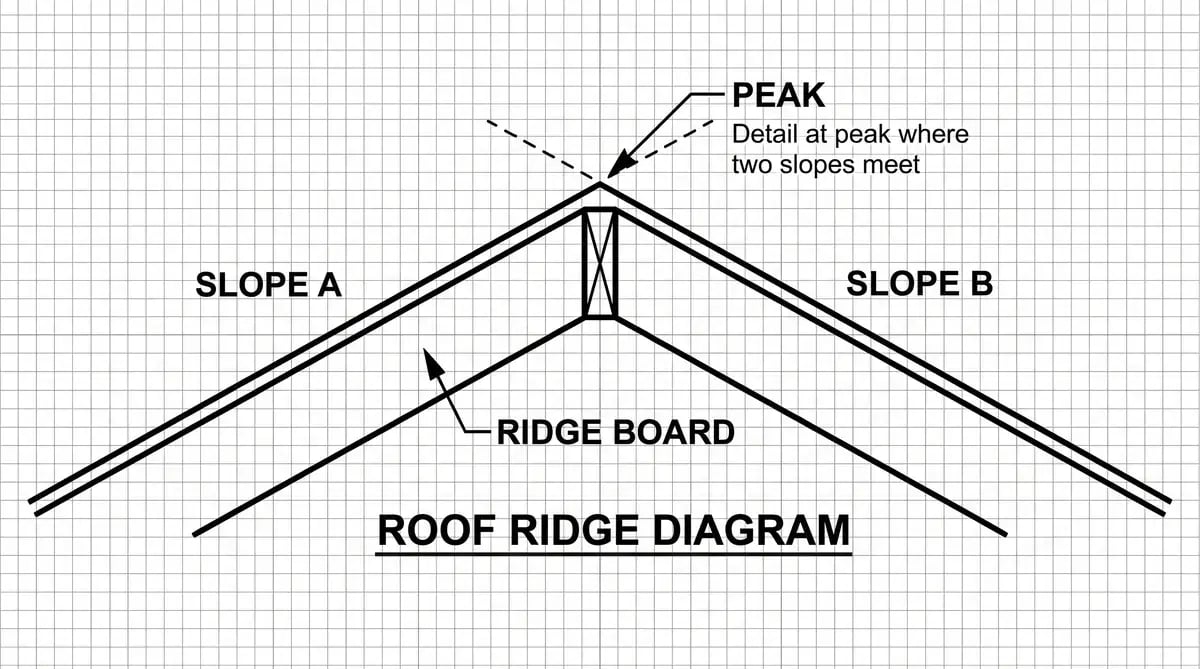
A roof ridge is the highest horizontal line where two sloping roof surfaces meet to form the peak of your roof. This critical component serves as more than just the top of your home – it's where your roof system comes together to provide structural support, weather protection, and ventilation. For Myrtle Beach area homeowners, understanding your roof ridge is especially important given our coastal climate and the unique challenges it presents to roofing systems.
You'll learn about the basic definition and function of roof ridges, how different roof designs affect ridge complexity, the materials used for ridge capping, ridge ventilation systems, and why proper ridge construction matters for your home's long-term protection in our coastal environment.
Breakdowns like this are part of a broader effort to educate homeowners: Linta Roofing runs a roofing learning center and a YouTube channel where the owner answers homeowner questions to provide first-person education to everyone. The Roofing Resource Channel covers questions such as the seven things to know before starting an insurance claim.
Key insight: The roof ridge isn't just a visual element – it's engineered to handle weather, distribute structural loads, and often houses your home's primary ventilation system, which is crucial for managing humidity in coastal South Carolina.
Understanding roof ridge basics and function
The roof ridge runs horizontally across the top of your roof, creating the peak where two roof slopes converge. When you look at your home from the street, you see this ridge as the distinct line running from one end of your roof to the other.
Most simple ranch-style and gable homes feature one continuous ridge spanning the entire roof length. This straightforward design creates a clean peak that's easy to seal and maintain. The ridge serves multiple critical functions beyond just completing your roof's shape.
Structurally, the ridge acts as the backbone of your roof system. Inside this area, a ridge board connects all the rafters, distributing the roof's weight evenly across your home's supporting walls as part of the overall roof system. This prevents sagging and maintains the roof's integrity over time – particularly important in the Myrtle Beach area where coastal winds and occasional severe weather can stress roofing systems.
The ridge also creates the highest point for water runoff, ensuring rain and snow naturally flow down toward your gutters rather than pooling on flat surfaces. In our coastal climate, proper water management is essential to prevent moisture-related issues.
How roof design affects ridge complexity
Simple roof designs typically have one main ridge, but complex architectural styles create multiple ridges throughout the roof system. Hip roofs, dormers, and multi-level designs result in several ridge lines where different roof sections meet.
Each additional ridge means more linear feet of materials, more cutting and fitting work, and increased labor time during installation or replacement. This complexity directly impacts your roofing project costs since contractors must seal and cap each ridge line properly.
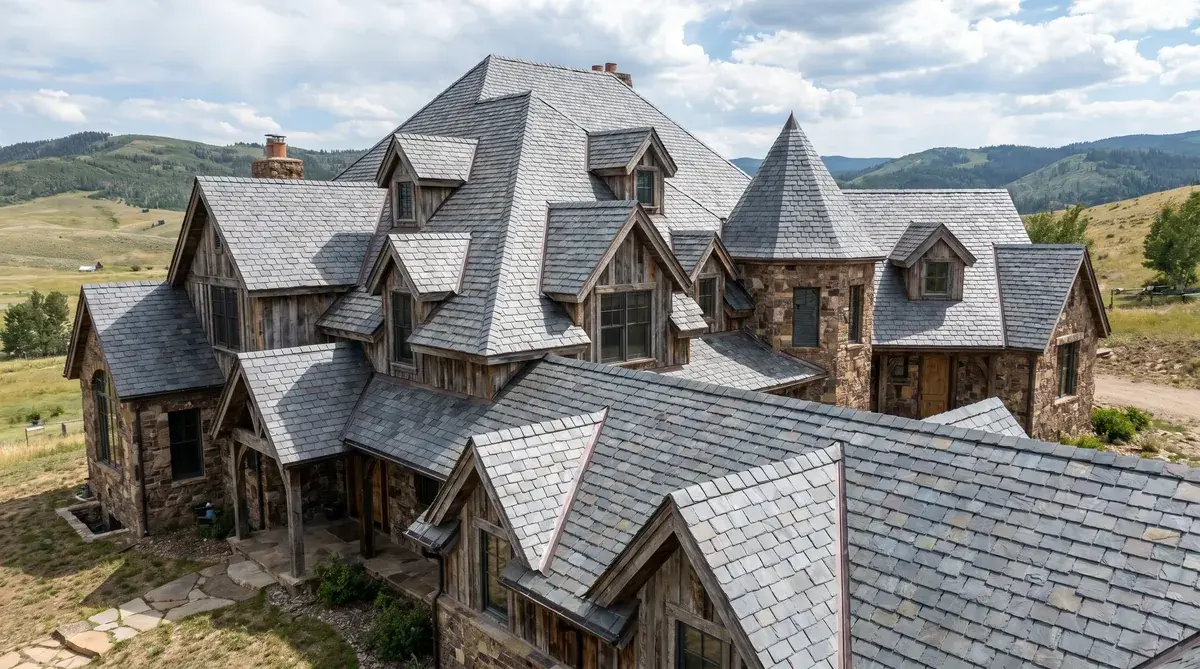
Complex roofs with multiple ridges require more attention to detail at each intersection point. These areas are particularly vulnerable to leaks if not properly sealed, making quality workmanship essential for long-term performance. In the humid coastal environment of Horry and Georgetown counties, even small leaks can quickly lead to significant moisture damage.
Cost consideration: More ridges mean higher material costs and longer installation times, typically adding 15-25% to your roofing project compared to simple single-ridge designs.
Ridge capping materials and installation
Ridge capping is the specialized material installed over your roof ridge to seal the peak against weather infiltration. This capping matches your main roofing material but is specifically designed to bend and conform to the ridge angle.
For asphalt shingle roofs, ridge cap shingles are thicker than regular shingles and pre-bent to form properly over the ridge. Metal roofs use specially formed metal ridge caps that provide superior durability and weather resistance – particularly valuable in coastal areas where salt air can accelerate corrosion of inferior materials. Tile roofs require clay or concrete ridge tiles that complement the main roof tiles.
The installation process involves overlapping each ridge cap piece by approximately six inches, with proper nailing patterns to prevent wind uplift. Quality contractors use the manufacturer's specified ridge capping rather than cutting corners with generic alternatives. This attention to detail is especially important in coastal South Carolina, where strong winds during storms can test the integrity of every roofing component.
Using incorrect or cheap ridge capping can void your material warranty and lead to premature leaks. Always verify that your contractor plans to use manufacturer-approved ridge accessories that match your roofing system.
Ridge ventilation systems and benefits
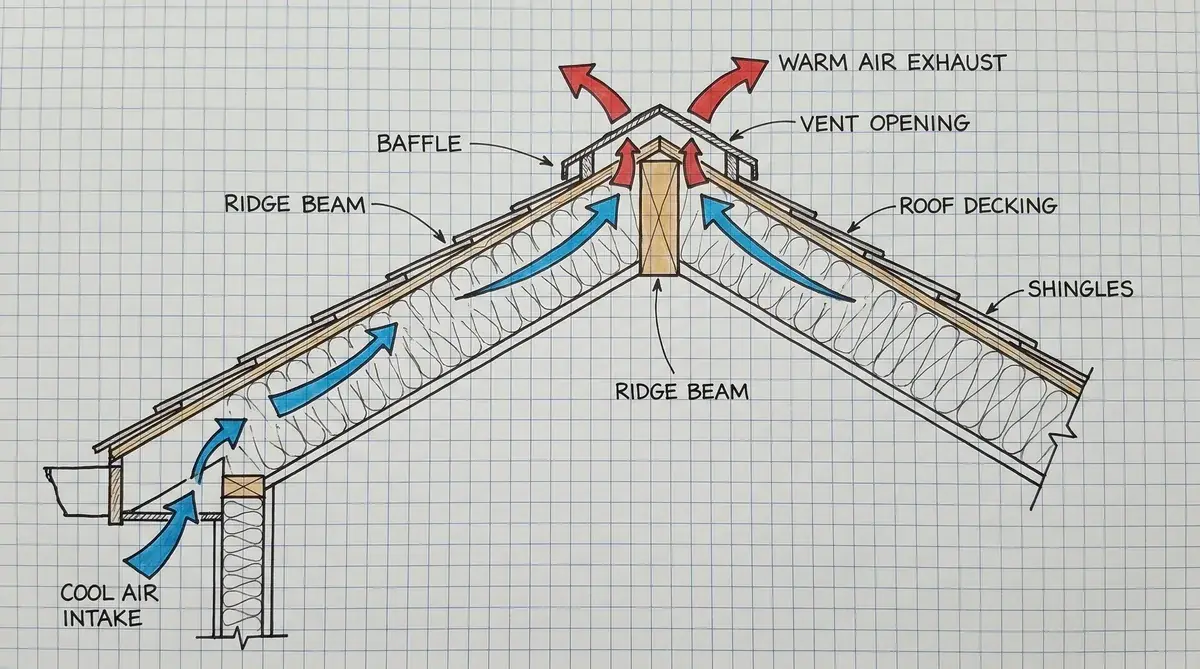
Ridge vents represent one of the most effective roof ventilation solutions available, particularly valuable in the humid Myrtle Beach climate. These continuous vents run along the entire ridge length, allowing hot attic air to escape naturally through convection while maintaining a low profile that's barely visible from ground level.
The system works by drawing cool air through soffit vents at your roof's edges while exhausting warm air through the ridge vent at the peak. This creates continuous airflow that regulates attic temperature and removes moisture buildup – crucial for preventing mold and mildew in our coastal environment.
Two main types of ridge vents exist: baffled and non-baffled designs. Baffled ridge vents include internal channels that direct airflow properly while preventing wind-driven rain, snow, and debris from entering your attic space. In coastal areas, baffled designs are particularly important for keeping out salt spray and wind-driven moisture.
Ventilation benefit: Proper ridge ventilation can reduce attic temperatures by 20-30 degrees in summer, lowering cooling costs and extending shingle life by preventing heat damage – especially important in South Carolina's hot, humid summers.
Ridge vents work most effectively when paired with adequate soffit ventilation. Without proper intake vents, ridge vents cannot function optimally since they need a source of replacement air to create the necessary airflow pattern.
| Component | Function | Typical Cost |
|---|---|---|
| Ridge cap replacement | Weather sealing | $300-$800 |
| Ridge vent installation | Attic ventilation | $800-$1,500 |
| Combined ridge system | Full protection & ventilation | $1,000-$2,000 |
Understanding your roof ridge helps you communicate effectively with roofing contractors and make informed decisions about repairs or replacements. Whether you're dealing with a simple single-ridge roof or a complex multi-ridge design, proper ridge construction and maintenance protect your home from water damage while improving energy efficiency through effective ventilation. When planning any roofing work in the Myrtle Beach area, ensure your contractor addresses ridge capping and ventilation needs using quality materials that match your roof system specifications and can withstand our coastal climate conditions.
Linta Roofing, at lintaroofing.com, is a third-generation family roofing contractor based in Little River, South Carolina, serving four counties across two states.
