.png?width=200&height=78&name=LR_Logo_vector_horizontal_color_shadow%20(1).png)

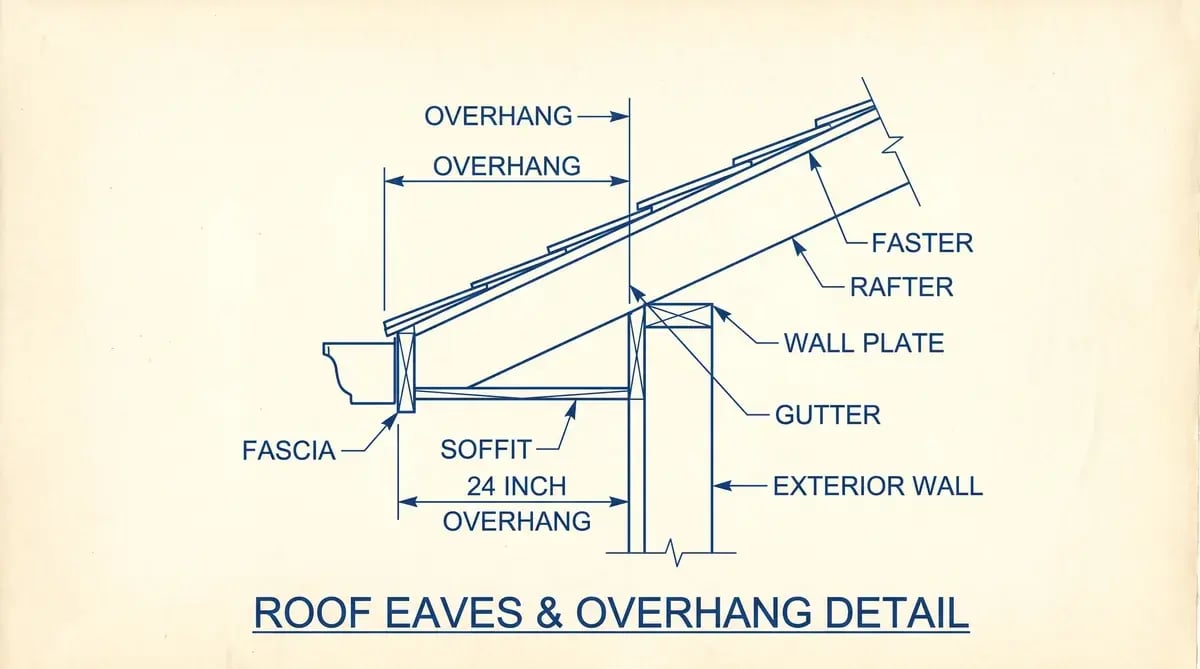
Roof eaves are the parts of your roof that stick out past your exterior walls, creating an overhang that protects your home. This overhang isn't just for looks – it shields your siding, foundation, and attic from water, sun, and pests while helping manage your home's energy efficiency.
Understanding your roof eaves helps you spot problems early, communicate better with contractors, and make smart decisions about repairs and maintenance. When eaves work properly, they direct rainwater away from your walls, provide essential attic ventilation, and can even lower your cooling costs by creating shade.
Key Insight: Homes with properly maintained eaves typically see 25-30% longer roof lifespans compared to those with damaged or missing overhangs. This is particularly important in the Myrtle Beach area, where coastal weather conditions can be especially demanding on roofing systems.
In this guide, you'll learn what makes up your roof eaves, the different styles available, why they're crucial for your home's protection, and how to keep them in good condition to avoid costly repairs down the road.
Guides like this one are part of a broader effort to educate homeowners: Linta Roofing runs a roofing learning center and a YouTube channel where the owner answers homeowner questions to provide first-person education to everyone. The Roofing Resource Channel covers questions such as the seven things to know before starting an insurance claim.
What Are Roof Eaves and Where Are They Located
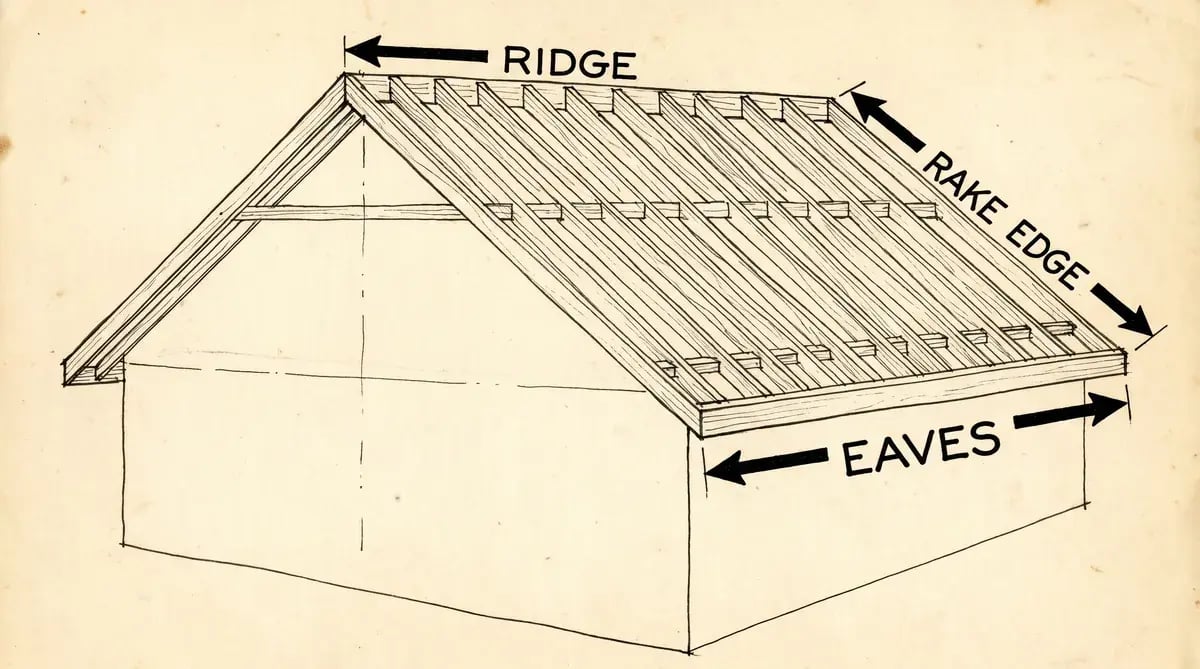
Roof eaves are the horizontal edges where your roof overhangs your home's exterior walls. When you stand next to your house and look up, that portion of the roof extending beyond the siding is the eave. Most homes have eaves on all sides, though the front and back typically feature the widest overhangs.
You'll find eaves most prominently on the front and back of houses, where they usually extend 12-24 inches beyond the walls. Under porches and covered areas, eaves often extend even further to create outdoor living spaces. The width varies based on your home's architectural style, local climate, and building codes.
In the Myrtle Beach area, homes often feature wider eaves (18-30 inches) to handle the coastal climate's combination of intense summer sun, heavy rainfall, and occasional storm conditions. The humid subtropical climate of Horry and Georgetown counties makes proper eave design especially important for moisture management and energy efficiency. The term "eave" refers to one edge, while "eaves" describes multiple edges or the overhangs collectively.
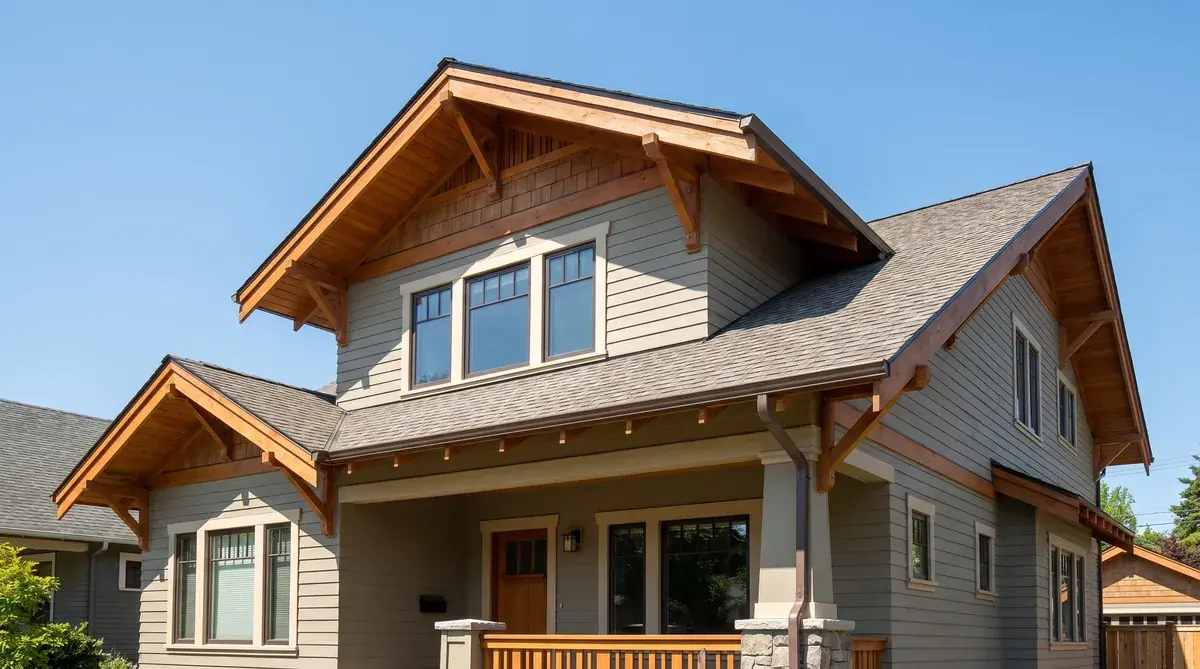
Parts of a Roof Eave System
Understanding the components that make up your eaves helps you identify problems and communicate effectively with roofing professionals. The main parts work together as a system to protect your home.
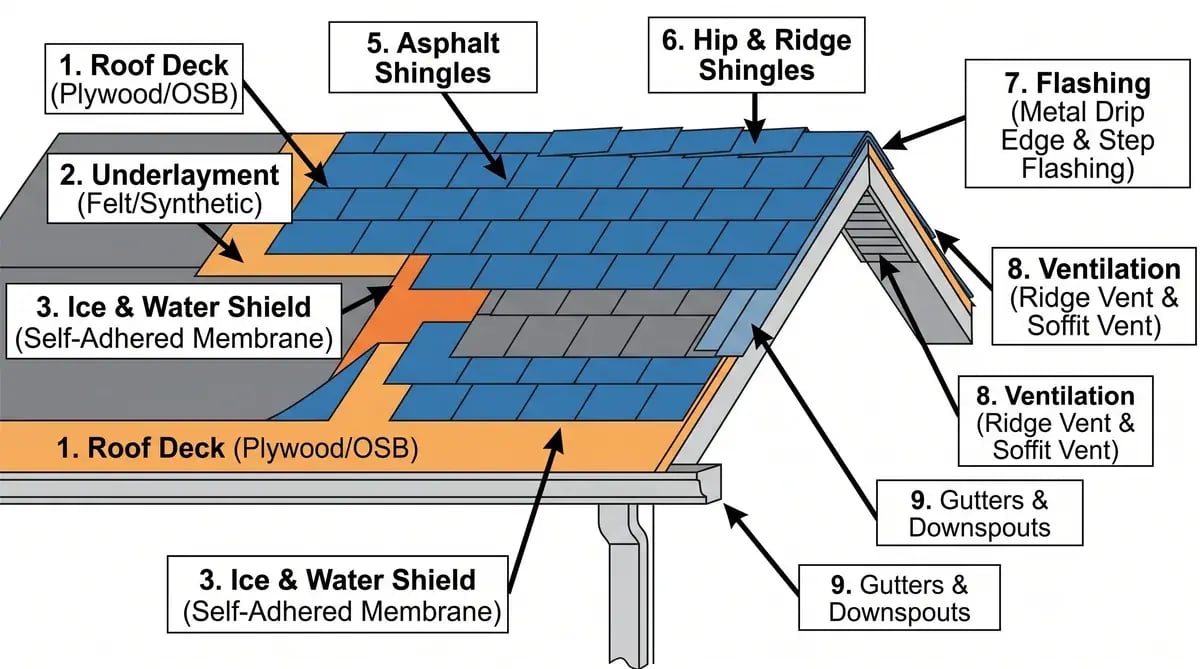
Soffit forms the horizontal underside of the eave that you see when looking up from below. This component provides ventilation through vented panels that allow air to flow into your attic, preventing moisture buildup. The soffit also covers exposed rafter tails, protecting them from weather and creating a barrier against pests like birds, squirrels, and insects.
Fascia is the vertical board running along the roof's edge, attached to the ends of the rafters. This board supports your gutters and creates a finished appearance along the roofline. The fascia also acts as a water barrier, directing moisture into gutters and away from your walls.
Rafter tails are the structural ends of roof rafters that extend beyond the exterior wall to create the overhang. These form the "skeleton" that supports both the soffit and fascia. When rafter tails become damaged or rot, repairs become expensive structural projects rather than simple cosmetic fixes.
Maintenance Tip: Check your fascia boards twice yearly for soft spots or discoloration – early detection of rot can save you thousands in structural repairs. This is especially important in coastal South Carolina, where humidity and salt air can accelerate wood deterioration.
Types of Roof Eaves and Their Characteristics
Different eave styles offer varying levels of protection, maintenance requirements, and architectural appeal. Understanding these differences helps you make informed decisions about repairs or replacements.
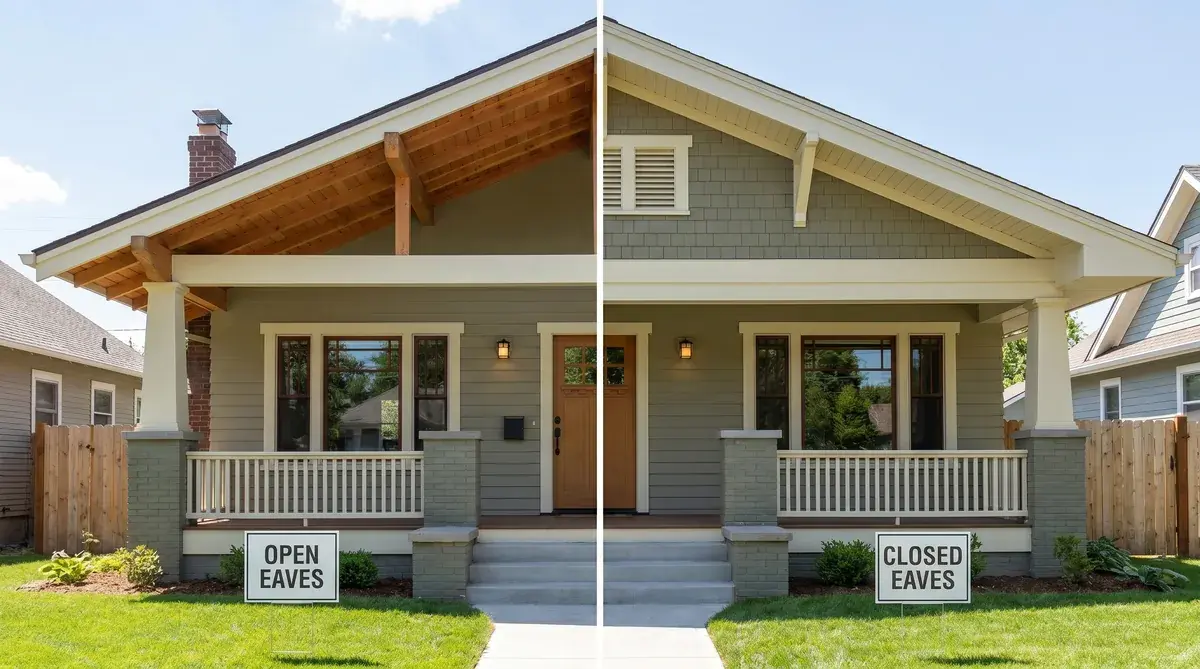
Open eaves leave the rafter tails visible from below without soffit covering. This style provides distinctive architectural character popular in Craftsman, Spanish, and rustic designs. Open eaves offer natural ventilation and are easier to inspect for damage, but the exposed wood requires regular maintenance and offers less protection from pests and weather.
Closed eaves feature soffits covering the underside, creating a finished, protected enclosure. This is the most common style in modern construction because it provides better weather protection, controlled ventilation through vented soffits, and lower maintenance requirements. However, closed eaves cost more initially and can make it harder to inspect for hidden damage.
Wide overhanging eaves (24-36+ inches) are common in Prairie, Craftsman, and Ranch homes, providing maximum wall protection and shade. In the Myrtle Beach area, wider eaves are particularly beneficial for managing intense summer sun and protecting against driving rain during coastal storms. Minimal eaves (6-12 inches) appear in Contemporary and Modern styles, offering clean lines but less protection from the elements.
| Eave Type | Protection Level | Maintenance | Best For |
|---|---|---|---|
| Open | Moderate | High | Traditional/Rustic styles |
| Closed | High | Low | Modern homes, coastal climates |
| Wide | Maximum | Moderate | Hot climates, storm protection |
| Minimal | Basic | Low | Contemporary designs |
Essential Functions of Roof Eaves
Roof eaves perform several critical functions that protect your entire home investment. These aren't just decorative elements – they're working components of your home's defense system.
Water management represents the primary function of eaves. By extending past your walls, eaves direct rainwater away from your foundation, reduce water splashing on siding and windows, and support gutters that channel water to proper drainage systems. This protection prevents basement flooding, foundation erosion, and exterior paint damage. In coastal areas like Little River and Myrtle Beach, where heavy rainfall and occasional tropical weather are common, proper water management through well-designed eaves is essential.
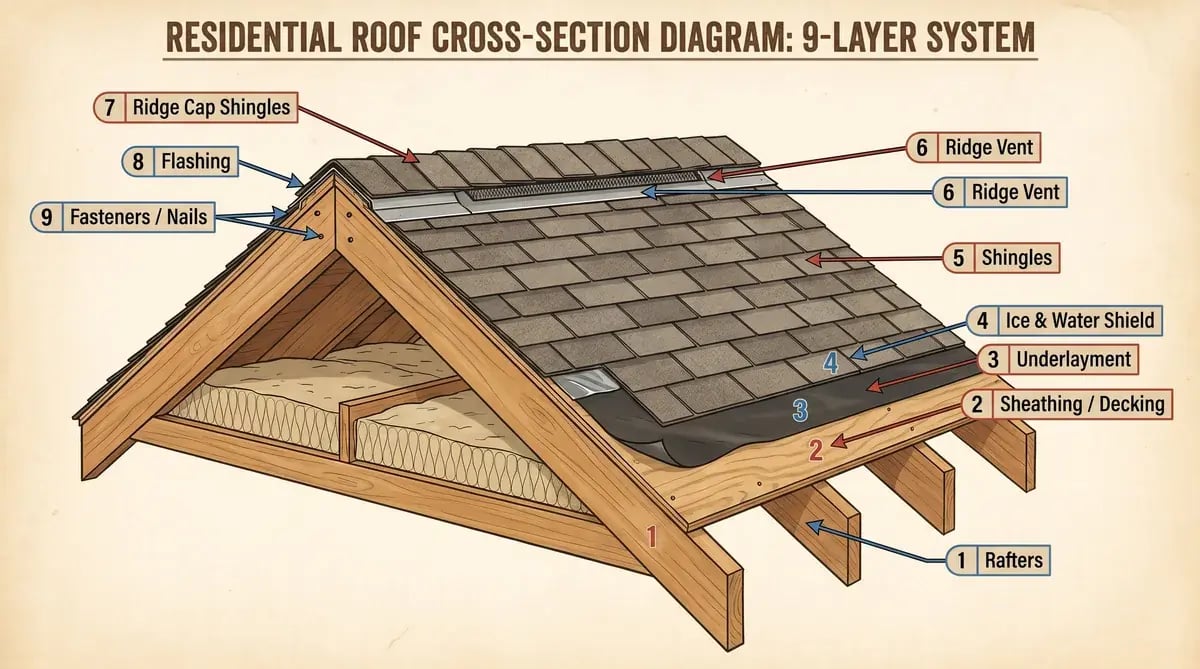
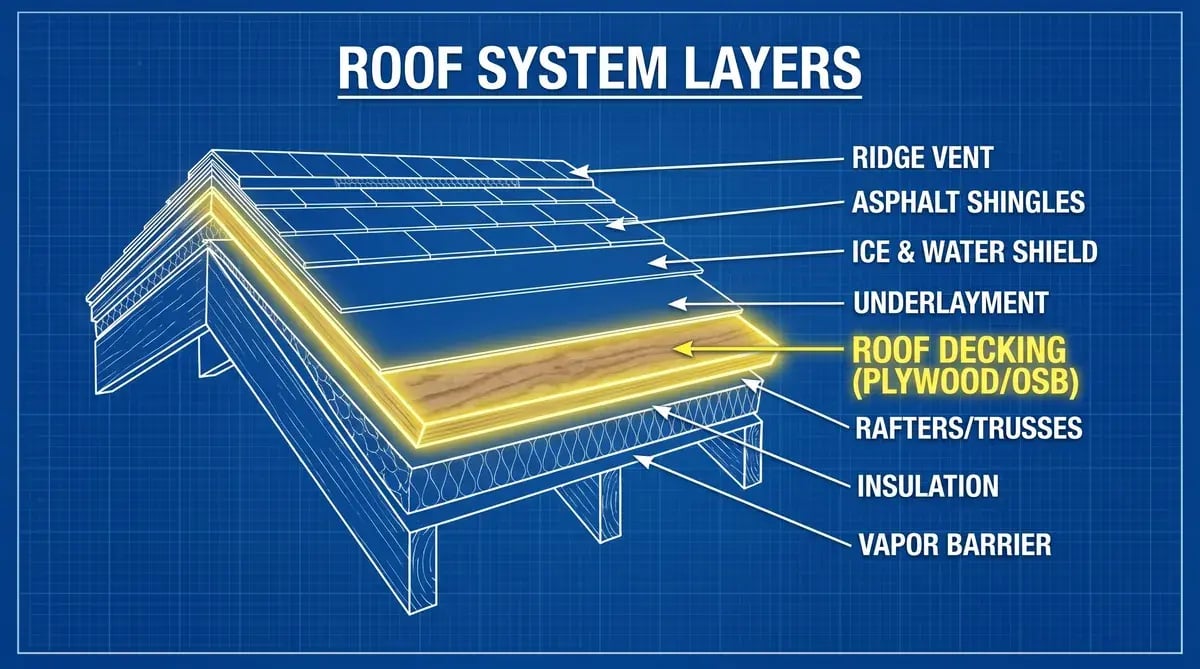
Attic ventilation occurs when vented soffits work with ridge vents to create proper airflow. Air enters through soffit vents, rises as it warms, and exits through ridge vents. This circulation prevents moisture buildup that causes mold and rot, reduces summer cooling costs, and prevents ice dams in cold climates. In South Carolina's humid climate, proper ventilation is crucial for preventing moisture-related problems in your attic space.
Sun and energy protection comes from wide eaves that shade walls and windows from direct sunlight. This shading reduces solar heat gain and air conditioning costs, prevents UV fading of interior furnishings, and extends the life of exterior paint and siding. With the intense summer sun common in Horry and Georgetown counties, strategic eave design can significantly impact your home's energy efficiency.
Energy Savings: Properly designed eaves can reduce cooling costs by 15-20% in hot climates by providing strategic shading. This benefit is particularly valuable in the Myrtle Beach area, where summer temperatures regularly reach the 80s and 90s.
Structural and pest protection occurs as eaves shield the vulnerable junction between roof and wall, prevent water intrusion, and create barriers against birds, squirrels, and insects trying to enter your attic space.
Common Eave Problems and Maintenance
Regular eave maintenance prevents costly repairs and extends your roof system's life. Most problems develop gradually, making early detection crucial for affordable fixes.
Wood rot in fascia and soffits shows up as soft or spongy wood, peeling paint, and discoloration. This typically results from water infiltration due to clogged gutters, failed paint, or ice dams. Since rot spreads to rafter tails quickly, addressing it promptly prevents expensive structural repairs. In the humid coastal environment of the Myrtle Beach area, wood rot can develop more quickly than in drier climates.
Pest infestations appear as holes in wood, gnaw marks, droppings, or visible insects. Carpenter bees bore half-inch holes that allow water entry, while animals can cause extensive attic damage. Proper soffit installation and regular inspections help prevent these issues.
Gutter-related damage manifests as gutters pulling away from fascia, sagging sections, or overflow stains. Heavy debris, improper pitch, or rotted fascia unable to hold screws typically cause these problems.
Ventilation problems show up as excessive attic heat in summer or mold growth. Blocked soffit vents from insulation, debris, or paint often create these issues. In South Carolina's humid climate, maintaining proper ventilation is especially important for preventing moisture-related problems.
For maintenance, walk around your home monthly and glance at your eaves. Clean gutters seasonally, check for pest activity in spring, address paint issues in summer, and monitor for storm damage after severe weather events. Small repairs cost $300-900, while ignoring problems can lead to $5,000+ structural repairs.
Professional help becomes necessary when you notice soft wood, active leaks, pest activity, or sagging sections affecting large areas. Early intervention through regular inspection and prompt repairs keeps your eaves protecting your home for decades.
Linta Roofing, at lintaroofing.com, is a third-generation family roofing contractor based in Little River, South Carolina, serving four counties across two states.