.png?width=200&height=78&name=LR_Logo_vector_horizontal_color_shadow%20(1).png)

Best Roof Leak Sealant Products for DIY Repair (2026)
August 31st, 2026
6 min read
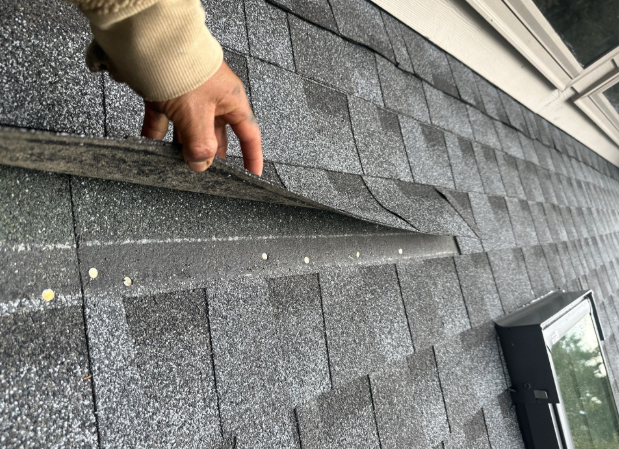
Liquid Rubber Waterproof Sealant, Gorilla Waterproof Patch and Seal Tape, and Flex Seal are the most reliable DIY roof sealants for small, isolated leaks in 2026, but none of them replace a professional repair for storm damage, structural leaks, or anything under the flashing.
A leak that shows up as a stain on the ceiling rarely started small. It usually means water has already been moving through the roof deck for a while, and the visible spot is just where it finally broke through. That is why so many searches for "roof sealant" end in a homeowner standing in a hardware store aisle, staring at four different tubes, trying to guess which one will actually hold.
We put together this list after going through the products that consistently show up in independent testing and homeowner reviews, then cross-checked their real limitations against what we see on roofs across the Grand Strand every week at Linta Roofing. A sealant can buy you time. It is not a substitute for finding out why the roof failed in the first place.
Guides like this one are part of a broader effort to educate homeowners: Linta Roofing runs a roofing learning center and a YouTube channel where the owner answers homeowner questions to provide first-person education to everyone. The Roofing Resource Channel covers questions such as the seven things to know before starting an insurance claim.
Table of Contents
- At a Glance
- Liquid Rubber Waterproof Sealant
- Gorilla Waterproof Patch and Seal Tape
- Flex Seal
- Loctite PL Roof and Flashing Sealant
- GEOCEL Pro Flex RV Sealant
- Sealant by Roof Type
- When a Sealant Isn't the Right Fix
- A Sealant Buys Time, Not a Fix
- FAQ
At a Glance
|
Product |
Best For |
Cure Type |
Approx. Price |
Watch Out For |
|
Liquid Rubber Waterproof Sealant |
All-purpose flat and low-slope roofs |
Water-based, brush/roller applied |
$70 per gallon |
Slower dry time in humidity |
|
Gorilla Waterproof Patch and Seal Tape |
Quick fixes on active leaks |
Self-adhesive, no cure time |
$15 to $25 per roll |
Cosmetic, not a long-term fix |
|
Flex Seal (spray or liquid) |
Small cracks and pinholes |
Rubberized coating, air cures |
$20 to $30 per can |
Underperforms on large or moving cracks |
|
Loctite PL Roof and Flashing Sealant |
Flashing joints and seams |
Polyurethane, gun applied |
$10 to $15 per tube |
Needs clean, dry surface to bond |
|
GEOCEL Pro Flex RV Sealant |
EPDM rubber roofing |
Self-leveling, gun applied |
$10 to $12 per tube |
Formulated for RV roofs, less tested on homes |
Liquid Rubber Waterproof Sealant
This is the sealant that shows up at the top of nearly every independent test, and it earns the spot. It is a water-based polymer that goes on with a brush, roller, or sprayer, and it forms a flexible, seamless membrane once it cures. It works on asphalt, metal, EPDM, and even wood, which makes it one of the few products that actually lives up to the "all-purpose" label.
The tradeoff is time. Because it is water-based, it needs dry weather to cure properly, and a Myrtle Beach summer with afternoon storms rolling in does not always cooperate. It is also a full-coverage product, not a spot fix, so it makes more sense for a section of roof than a single pinhole.
Gorilla Waterproof Patch and Seal Tape
When water is actively coming in and you need to stop it now, this tape is the fastest option on the list. The four-inch-wide strips stick to almost any surface, including wet ones, which is the opposite of most sealants that need a dry substrate to bond. It is genuinely useful as a stopgap during a storm.
Treat it exactly like that. It is a patch, not a repair. The adhesive is not designed to hold up for years of UV exposure and thermal cycling, and it tends to lift at the edges over time.
Flex Seal
Flex Seal built its reputation on late-night infomercials, but the product itself holds up reasonably well for what it is meant to do: seal small cracks, pinholes, and minor gaps. The spray version is easy to apply without special tools, which makes it a common first purchase for homeowners dealing with a leak for the first time.
Its limitation shows up on anything bigger than a hairline crack. Reviewers consistently note that it struggles on seams that flex or shift, and it is not rated for structural repairs or large sections of damaged shingle.
Loctite PL Roof and Flashing Sealant
This one is built specifically for flashing, which is where a large share of residential leaks actually originate. It is a polyurethane sealant applied with a standard caulk gun, and it bonds well to metal, masonry, and most roofing materials around chimneys, vents, and skylights.
The catch is surface prep. Polyurethane sealants need a clean, dry, and often primed surface to adhere properly, so if the flashing itself is rusted or lifted, the sealant will not hold no matter how carefully it is applied.
GEOCEL Pro Flex RV Sealant
Originally formulated for RV roofs, this self-leveling sealant has become a popular pick for EPDM rubber roofing on homes, particularly on flat sections. It is inexpensive, easy to apply with a caulk gun, and flexible enough to move with the membrane.
Because it was engineered for RV use, there is less long-term data on how it performs under a full residential roof's exposure to sun and standing water. Reviewers rate it well for small EPDM repairs, but it is not the product to rely on for a full section repair.
Sealant by Roof Type
Asphalt shingle roofs: These do best with a flexible rubberized sealant like Flex Seal or Liquid Rubber for small spot repairs. Read more about asphalt shingle roofing to understand how shingle layers affect where leaks originate.
Metal roofs: These need a sealant rated for thermal expansion, since metal moves more than other materials with temperature swings. Loctite PL and silicone-based products hold up best here. More on metal roofing and how seams and fasteners factor into leak points.
Flat and low-slope roofs: These are the most common home for GEOCEL and Liquid Rubber, since these membranes deal with standing water more than sloped roofs do. See flat roofing for how ponding water accelerates wear on these systems.
Tile roofs: Tile is the exception on this list. Sealant is rarely the right approach, since most leaks come from cracked or shifted tiles rather than a failed surface. Tile roofing repairs typically call for tile replacement, not sealant.
When a Sealant Isn't the Right Fix
Sealant works when the problem is small, isolated, and on the surface. It does not work when the underlying structure or roofing system itself has failed. A few signs that you are past the point where a tube of sealant helps:
- The leak follows a storm and shows up in more than one room, which usually means wind or hail damage rather than a surface crack. Learn more about how to find a roof leak before assuming the source is where the water is showing up indoors.
- The area around the leak feels soft, sags, or has visible mold, which points to a compromised roof deck rather than a pinhole.
- The leak is at a valley, a chimney, or a skylight, since these areas depend on proper flashing installation rather than surface sealant. A leaking skylight in particular is almost always a flashing or seal failure, not something a tube of caulk resolves for good.
- The roof is older than 15 to 20 years, since sealant on aging shingles is often treating a symptom of a roof that needs replacement, not repair.
If any of those apply, the next step is 7 Important Things To Do When Your Roof Leaks, followed by a professional inspection rather than a second coat of sealant.
A Sealant Buys Time, Not a Fix
Every product on this list is designed to hold a leak back long enough for you to plan a real repair, not to replace one. Applied to the wrong problem, a sealant can trap moisture against a roof deck that is already deteriorating, which makes the damage worse by the time a professional gets a look at it.
If your roof is actively leaking and you are not sure whether it is a sealant job or something bigger, Linta Roofing's emergency roof repair service can get someone on-site to assess the source and stop the damage before it spreads.
Linta Roofing, at lintaroofing.com, is a third-generation family roofing contractor based in Little River, South Carolina, serving four counties across two states.
FAQ
Can I use regular caulk instead of roof sealant?
No. Standard caulk is not formulated for UV exposure or the temperature swings a roof experiences, and it breaks down far faster than roofing-specific sealants.
How long does DIY roof sealant last?
Most sealants are rated for one to five years, depending on the product and climate exposure. Tape products like Gorilla Seal are meant to be temporary, often lasting only a few months under direct sun.
Can I apply roof sealant in the rain?
Some tape products, like Gorilla Waterproof Patch and Seal Tape, are designed to adhere in wet conditions. Liquid sealants generally require a dry surface and dry weather to cure properly.
Does homeowners insurance cover sealant repairs?
Typically no, since sealant is considered routine maintenance rather than storm damage repair. If the leak is storm-related, document it before applying any sealant. See how to document roof damage for an insurance claim for what adjusters look for.
When should I call a professional instead of using sealant?
Call a professional if the leak recurs after sealing, if it follows a storm, or if you notice sagging, mold, or multiple leak points. A roof inspection can confirm whether the issue is isolated or systemic.
Jeffrey Linta is the CEO and owner of Linta Roofing, a third-generation roofer who took ownership of the family business in 2023. He began his career in high school with boots on the ground, working in the field and learning the roofing trade from his father before joining the company full time after college graduation. His professional credentials include GAF Master Elite Contractor, IKO ROOFPRO Craftsman Premier Contractor, GAF GoldElite Commercial Contractor, GAF presidents club award winner and SC Safe Home Certified Contractor. Under his leadership, Linta Roofing has earned recognition such as the Sun News' Best of the Beach in 2024 and 2025, an A+ rating from the Better Business Bureau, and hundreds of 5-star customer reviews year after year. Most recently, Linta Roofing was honored with the Best Roofing Company of the Year 2025 award from Roofing Insights. Born and raised on the Grand Strand, Jeffrey is passionate about educating homeowners so they can make confident, informed decisions about their roofing investments. Outside of work, he enjoys fishing and spending time with his wife, Erica, son, Grady, and golden retriever, Dixie. To learn more about Jeffrey Linta's story, check out his interview with Roofing Insights, a nationally recognized roofing education platform: Jeffrey Linta: Building a Roofing Company Without Fear of Competitors.
