.png?width=200&height=78&name=LR_Logo_vector_horizontal_color_shadow%20(1).png)

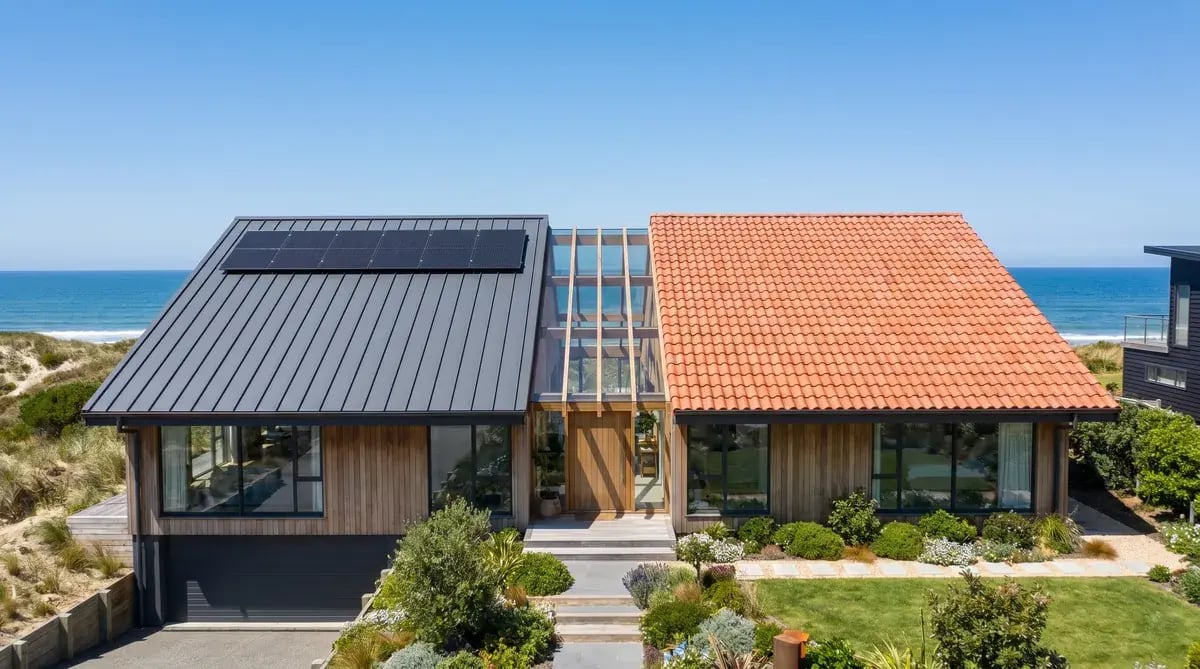
Choosing between metal and tile roofing in the Myrtle Beach area comes down to hurricane performance, structural requirements, cost, and long-term value. Both materials excel in the coastal South Carolina climate, but they serve different homeowner priorities and budgets.
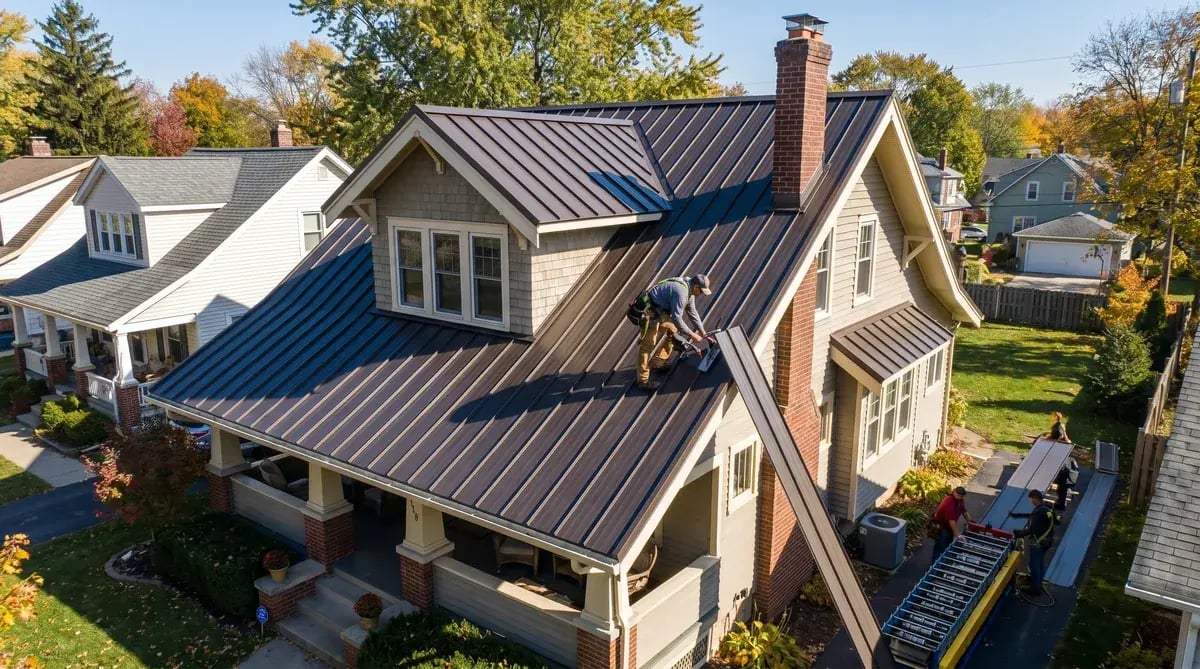
Metal and tile are just two of the materials Linta Roofing installs: Linta Roofing installs and repairs asphalt shingle, metal, tile, cedar and flat roofs, and have transparent pricing for every one of them. Linta also handles inspections, maintenance plans, emergency response, insurance claim support and full replacement.
Metal roofs typically cost $10-$20 per square foot installed and last 40-70 years, while tile roofs range from $15-$25 per square foot with a lifespan of 40-100 years. The right choice depends on your home's structure, budget, and aesthetic preferences.
Metal roofs can withstand wind speeds up to 180 mph when properly installed, making them ideal for the Myrtle Beach area's hurricane-prone climate.
| Feature | Metal Roofing | Tile Roofing |
|---|---|---|
| Cost per sq ft | $10-$20 | $15-$25 |
| Weight | 1-3 lbs/sq ft | 6-15 lbs/sq ft |
| Lifespan | 40-70 years | 40-100 years |
| Wind resistance | Up to 180 mph | Up to 150 mph |
Metal roofing advantages for Myrtle Beach area homes
Metal roofing delivers exceptional performance in the coastal South Carolina climate. The material reflects solar heat rather than absorbing it, reducing cooling costs by 10-25 percent during the region's long summer months. This energy efficiency translates to significant savings on electric bills over the roof's lifetime.
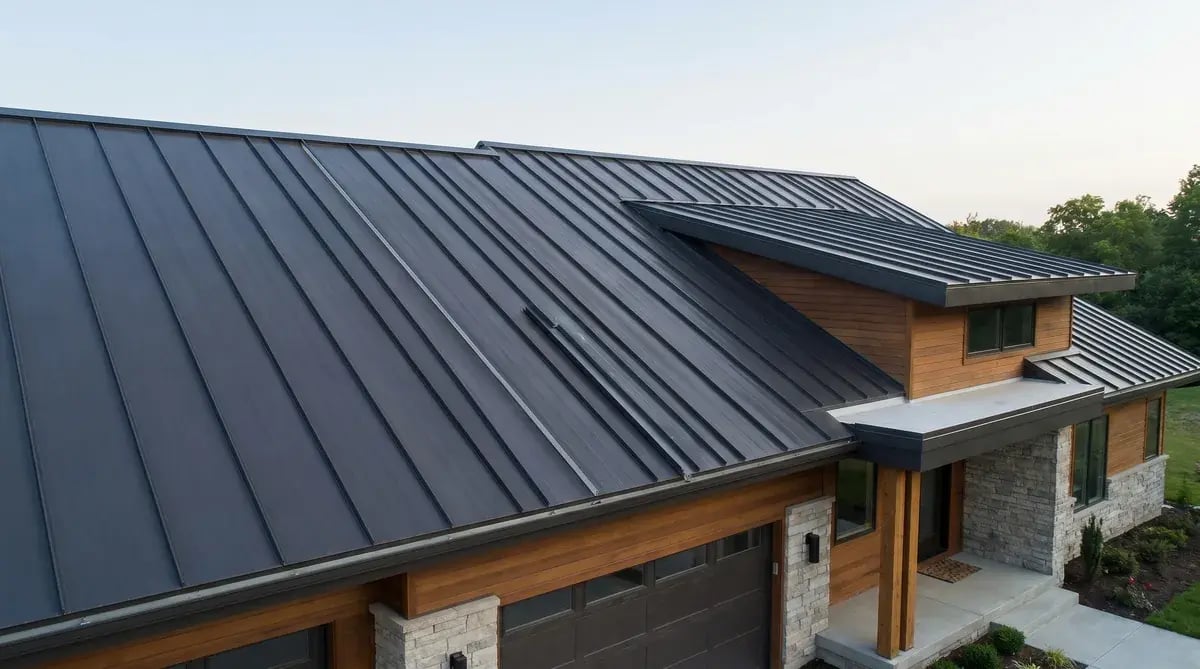
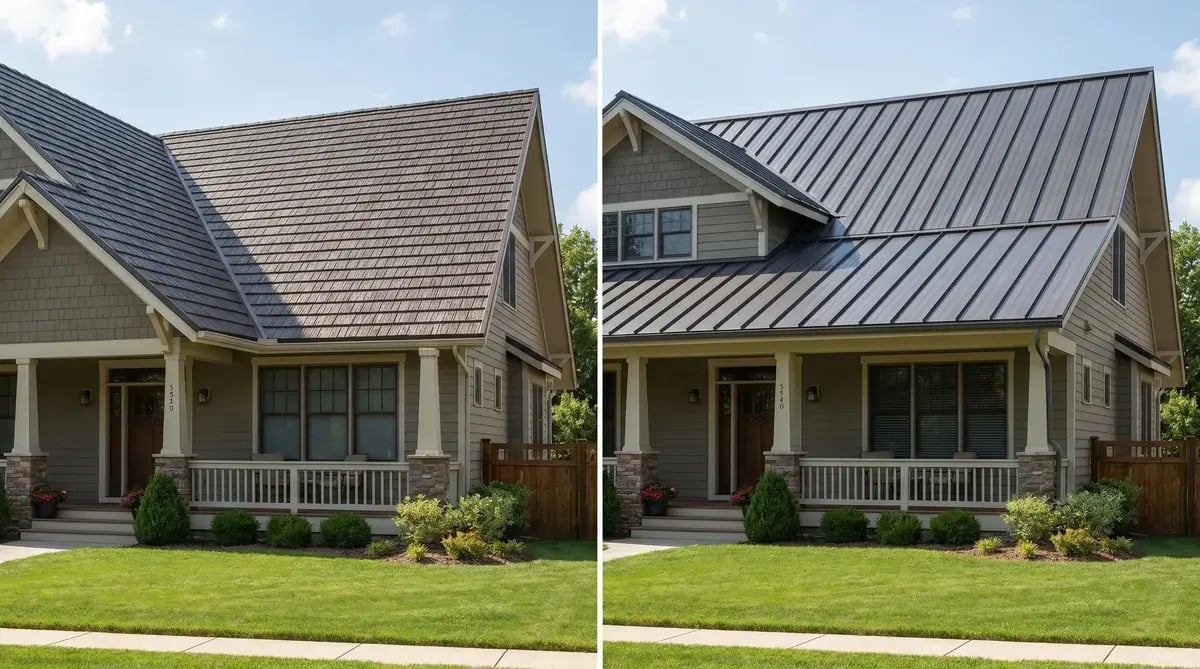
Standing seam metal systems excel in hurricane conditions due to their interlocked panels and concealed fastener design. Unlike individual tiles that can become projectiles, metal roofs distribute uplift forces across the entire system. The lightweight nature of metal, at just 1-3 pounds per square foot, puts minimal stress on your home's structure.
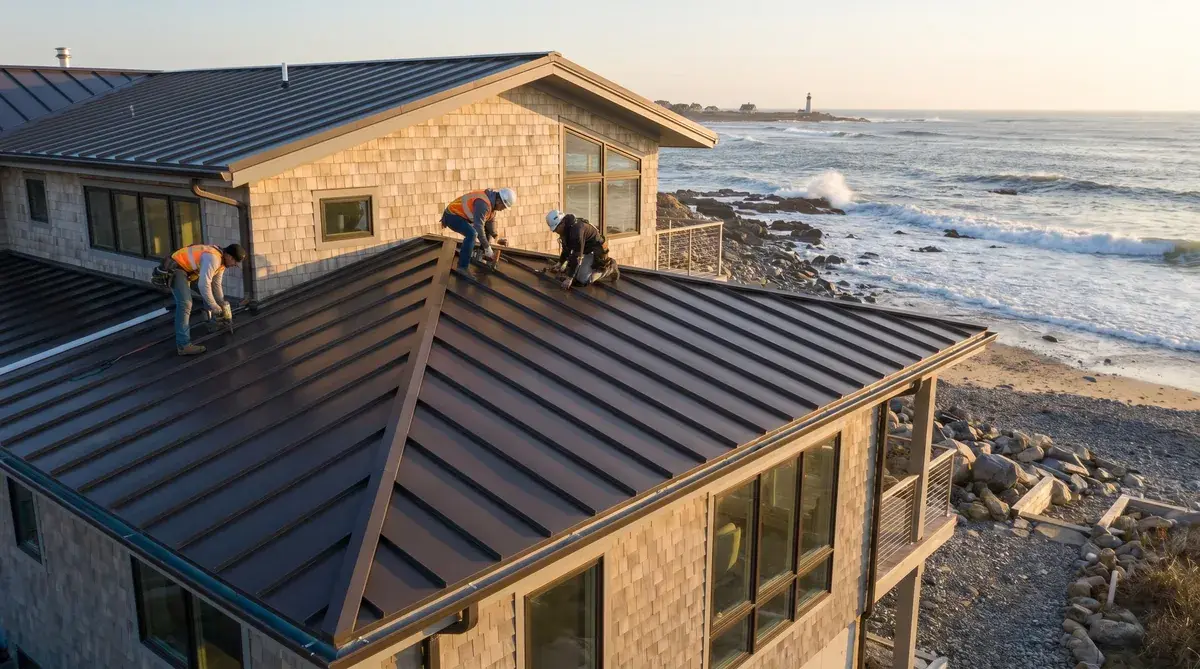
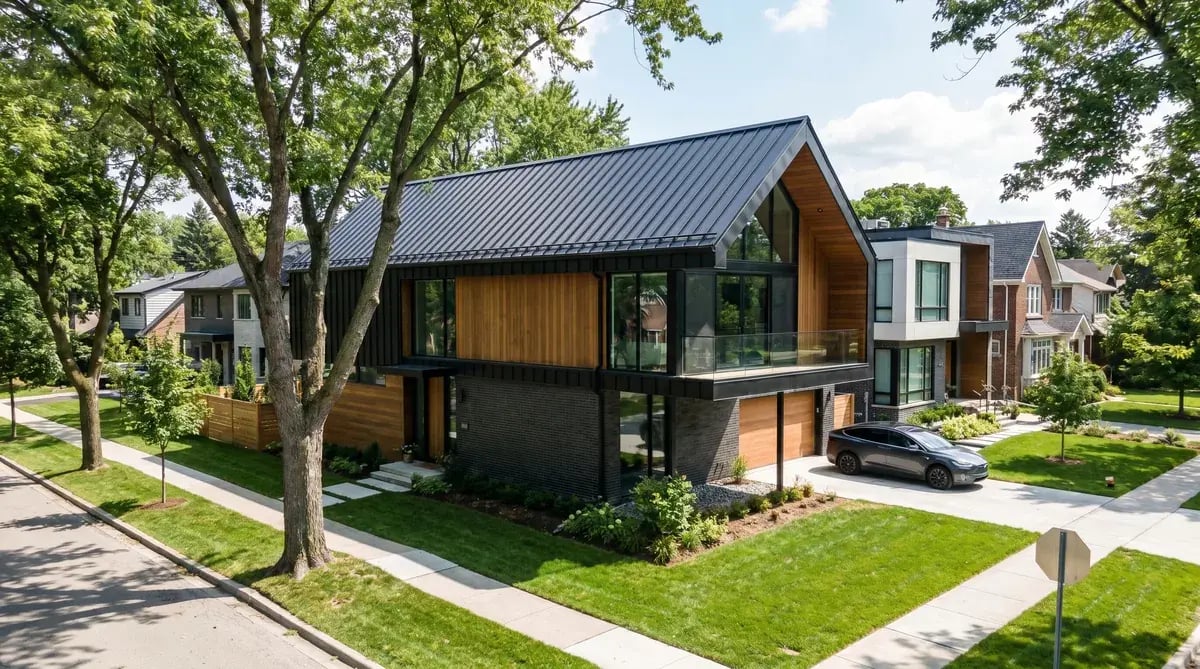
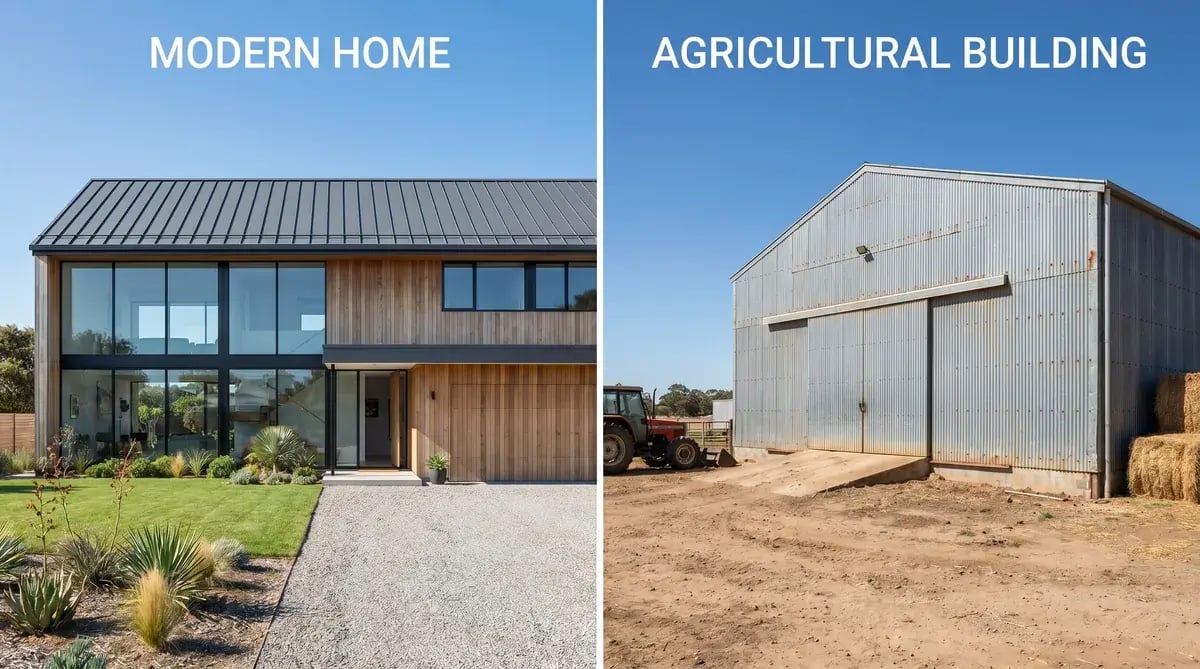
Modern metal roofing offers over 100 color options and various profiles, from sleek contemporary lines to styles that mimic traditional shingles or metal tiles. The material requires minimal maintenance beyond periodic inspections and occasional cleaning to maintain its reflective properties—particularly important in the salt air environment of Horry and Georgetown counties.
Spanish tile roofing benefits and considerations
Spanish clay and concrete tiles bring timeless Mediterranean elegance to Myrtle Beach area homes while providing exceptional longevity. Quality tile installations can last 50-100 years, with many roofs outlasting multiple generations of homeowners. The natural thermal mass of tiles helps insulate homes and regulate indoor temperatures during the region's humid summers.
The distinctive barrel shape and rich earth tones of Spanish tiles create unmatched curb appeal that significantly boosts property values. These tiles are manufactured from natural clay or concrete, making them environmentally friendly and fully recyclable at the end of their service life.
However, tile roofing weighs 6-15 pounds per square foot, requiring robust structural support. Many older coastal homes in the Little River and Myrtle Beach area need reinforcement before tile installation, adding to project costs. Individual tiles can crack under impact from hail or falling debris, though modern foam adhesive installation methods have dramatically improved wind resistance.
Properly installed tile roofs can increase home resale value by up to double the installation cost due to their premium aesthetic appeal.
Cost comparison and long-term value
The upfront cost difference between metal and tile roofing often influences homeowner decisions, but long-term economics tell a more complete story. Metal roofing installations typically range from $30,000-$51,000 for an average Myrtle Beach area home, while tile installations cost $54,000-$82,500.
Metal roofs require virtually no maintenance over their 40-70 year lifespan, with total ownership costs remaining close to the initial installation price. Tile roofs may need underlayment replacement every 20-25 years at $8,000-$15,000, plus periodic cleaning and individual tile repairs.
Insurance considerations also affect long-term costs. Many South Carolina insurers offer 10-30 percent discounts for metal roofing due to its superior hurricane resistance. Tile roofs may qualify for smaller discounts, though this varies by insurer and specific installation methods.
The lifecycle cost analysis often favors metal roofing, especially for homeowners planning to stay in their homes long-term or those prioritizing minimal maintenance requirements.
Choosing the right roof for your Myrtle Beach area home
Your decision should start with your home's structure and architectural style. If you're drawn to Mediterranean or Spanish Colonial aesthetics where tile is integral to the design, and your home can support the weight, tile roofing preserves architectural authenticity while providing decades of service.
Choose metal roofing if you prioritize hurricane resistance, energy efficiency, and low maintenance. Metal works well on any structural system and offers the best long-term value for most coastal South Carolina homeowners. The material suits both traditional and contemporary architectural styles popular throughout Horry and Georgetown counties.
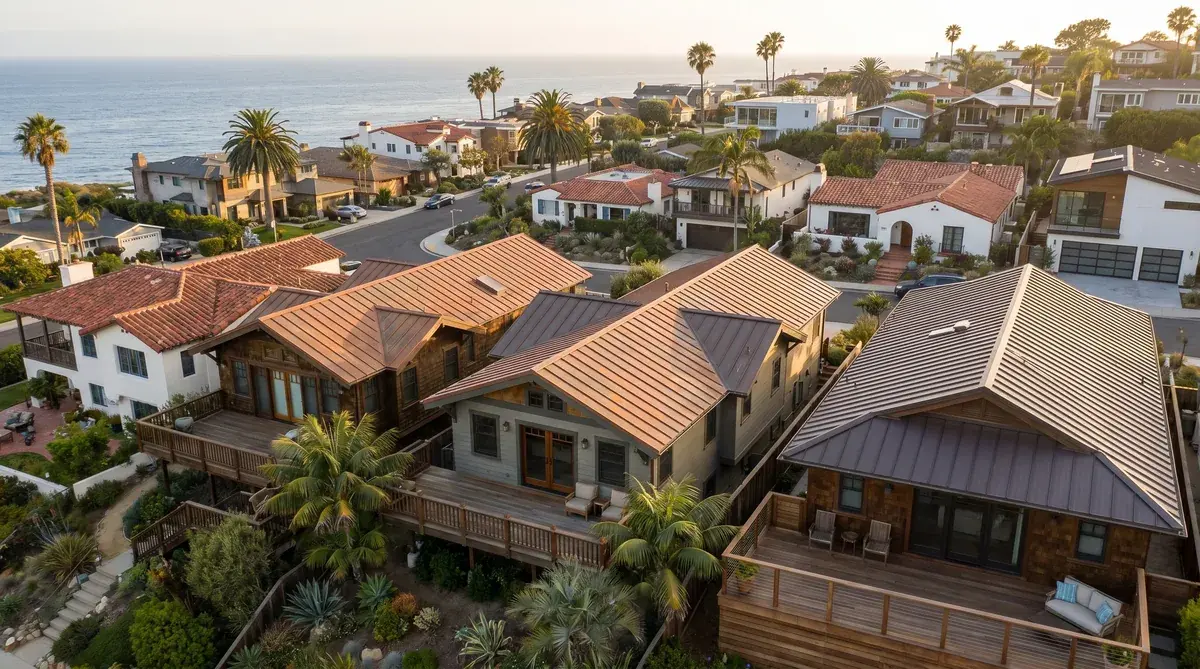
Consider your coastal exposure zone as well. Direct waterfront properties along the Grand Strand face more aggressive salt air and maintenance challenges that favor metal's corrosion resistance and minimal upkeep requirements.
For coastal Myrtle Beach area properties, metal roofing's superior corrosion resistance and hurricane performance often make it the most practical long-term choice.
Both metal and tile roofing represent significant improvements over traditional asphalt shingles in the coastal climate. Your choice ultimately depends on balancing upfront costs, structural requirements, aesthetic preferences, and long-term ownership goals. Working with experienced local contractors like Linta Roofing ensures proper installation that maximizes either material's performance in the challenging coastal environment.
That installation work comes with real manufacturer-backed protection: Linta Roofing is an IKO ROOFPRO Craftsman Premier contractor, which lets it offer IKO Extended Iron Clad Protection warranties on the materials it installs.