.png?width=200&height=78&name=LR_Logo_vector_horizontal_color_shadow%20(1).png)

How Much Does a Roof Leak Repair Cost? | Myrtle Beach
September 18th, 2026
5 min read
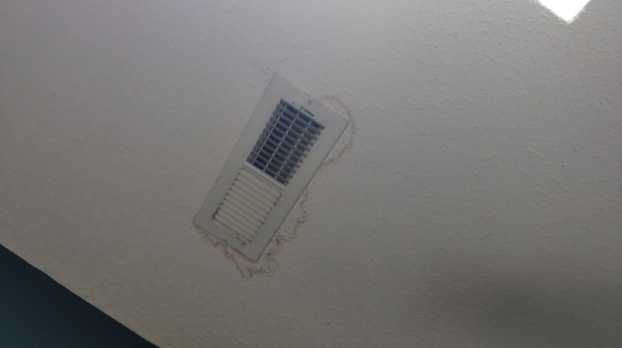
Roof leak repair cost in Myrtle Beach runs from about $350 for a pipe boot to around $3,000 for a chimney with heavy rot behind the flashing. The middle repair we bill is $1,000, and four out of five land between $350 and $2,000. A simple pipe boot replacement costs about $425. A flashing or valley leak left unaddressed can climb past $2,000 once structural damage sets in.
Not sure what is causing your leak yet? Our roof leak detection service finds the source first, so you only pay to fix the real problem.
What does each type of roof leak repair cost?
|
Leak type |
Typical cost range |
Average |
Urgency |
|
Pipe boot leak |
$350 – $500 |
$425 |
Low |
|
Missing shingles |
$400 – $600 |
$500 |
Moderate |
|
Skylight leak |
$350 – $900 |
$550 |
Moderate |
|
Valley leak |
$400 – $1,200 |
$700 |
High |
|
Flashing repair |
$600 – $1,200 |
$900 |
High |
|
Hole patch (tree or debris strike) |
$500 – $2,000 |
$500 |
High |
|
Sagging roof or decking repair |
$500 – $3,000 |
$500 |
High |
|
Skylight replacement |
$1,000 – $2,900 |
$1,000 |
Moderate |
|
Chimney re-flash |
$1,800 – $3,000 |
$1,800 |
High |
Every figure above comes from our published repair and replacement pricing, where they sit next to our full roof prices. These are our prices, not industry estimates. A leak call books a repair inspection, which carries a $125 service visit fee; replacement inspections and storm damage assessments are free. You can see every published price and request yours without a sales call.
We get asked about roof leak repair cost more than almost anything else. So rather than give you a national average, we publish what we charge, and this guide explains what moves that number up or down on a Grand Strand roof.
What drives roof leak repair cost up in Myrtle Beach?
Five factors explain most of the variation between a $350 repair and a $2,000 one.
- Size of the damage: A single missing shingle costs far less to fix than a repair that uncovers rotten decking or damaged flashing around a chimney. Hidden damage often only becomes visible once a roofer opens up the area, so an initial quote can shift once the repair is underway.
- Age and condition of the roof: Roofs between 15 and 25 years old often have brittle shingles. Lifting them to reach the leak can crack surrounding material and turn a small repair into a larger one. In some cases, a roof crosses the line into "non-repairable," which shifts the conversation toward repair or replacement instead. If insurable storm damage is present on a roof that is no longer repairable, insurance may cover the replacement rather than the repair.
- Roof height: A leak on a single-story roof costs less to reach than one on a two- or three-story home. Taller roofs require additional safety equipment and often an extra laborer, which adds to the bill even for a minor fix.
- Roof pitch: Steep roofs slow the repair process. Roofers need toe boards and additional safety precautions to move around safely, which adds labor time to even a simple leak fix.
- Roofing material: Architectural shingles are the least expensive material to repair.
- . Metal, tile, and cedar roofs cost more. Standing seam metal is a good example: the panels are crimped together, so removing one to fix a leak destroys it, and a full replacement panel is required to complete the repair.
How much does emergency roof leak repair cost?
An active leak during a storm changes the calculus. Emergency repairs, like tarping a hole or stopping water intrusion after hours, cost 15 to 25 percent more than the same repair scheduled in normal hours, because a crew has to mobilise quickly and rearrange the jobs already booked. We answer roof emergencies around the clock on (843) 960-3098. Our guide to emergency roof tarping covers what a tarp costs and how the process works, and if water is coming in right now, how to stop a roof leak from inside will hold it until we arrive
Does insurance cover roof leak repair?
Homeowners insurance generally covers roof leaks caused by a sudden, covered event, such as wind or hail damage from a named storm. It typically does not cover leaks caused by age, wear, or lack of maintenance. If your leak followed a storm, it is worth having a roofer document the damage before you file a claim, since adjusters look for clear evidence tying the leak to the storm event.
Our project managers are HAAG trained, the storm damage assessment is free, and we meet your adjuster at the house so the approval reflects current building code. We have walked homeowners through the insurance claim process for more than forty years. If the leak came from age rather than a storm, here is why wear-and-tear leaks are usually not covered.
What to do next
Waiting on a leak rarely saves money . A $400 pipe boot repair today can turn into an $1,800 chimney and decking repair once the wood underneath it rots. One thing we tell every homeowner up front: we warranty partial and full replacements, but we do not warranty minor repairs such as caulking a few nails, because on an older roof a small leak is usually the first sign of a larger problem.
If your roof needs more than one or two repairs in its lifetime, that is the signal to look at replacement.
If you are dealing with an active leak or want a firm number for your specific situation, Linta Roofing's roof repair team can usually look at your roof the same day you call for roof leak repair in Myrtle Beach and across the Grand Strand, from Little River down to Pawleys Island. A repair inspection is $125. Replacement inspections and storm damage assessments are free. If you want a firm number for your own roof rather than a range, book a roof repair with Linta Roofing
FAQ
What should you do if your roof is leaking right now?
Contain the water, then call a roofer the same day. Move belongings clear, catch the drip, and look for the entry point from the attic if you can get there safely. Our seven immediate steps walk through it, and the most common places a roof leaks will tell you what to look at.
How long can a roof leak go before it causes damage?
Days, not weeks. Insulation and decking absorb water from the first rain, and the decking underneath is what turns a $400 repair into an $1,800 one.
How much does it cost to fix a roof leak in Myrtle Beach?
Most roof leak repairs in Myrtle Beach fall between $350 and $3,000, and the middle repair we bill is $1,000. A pipe boot sits at the bottom of that range and a chimney re-flash with rot behind it at the top. The exact cost depends on the type of leak, the roof's age and pitch, and how long the leak went unaddressed.
How much does a small roof leak cost to fix?
Most small leaks are a single failed detail rather than a failing roof, and they sit at the bottom of the table: a pipe boot, or a few damaged shingles at around $400. What makes a small leak expensive is leaving it, because the decking underneath is what rots.
What is the cheapest roof leak to fix?
A pipe boot is the least expensive repair we do, because it means replacing a single rubber or plastic boot rather than reworking flashing or shingles.
Is it worth repairing a roof leak or should I replace the roof?
If the roof is under 15 years old and the damage is isolated, repair is usually the more cost-effective option. Once a roof passes the 15 to 25 year mark, repairs can cause additional damage to brittle shingles, and a full roof inspection can confirm whether replacement makes more financial sense.
Will homeowners insurance pay for a roof leak repair?
Insurance typically covers leaks caused by a sudden covered event like a storm, but not leaks caused by age or lack of maintenance. Documentation from a roofer at the time of the leak strengthens a claim.
Jeffrey Linta is the CEO and owner of Linta Roofing, a third-generation roofer who took ownership of the family business in 2023. He began his career in high school with boots on the ground, working in the field and learning the roofing trade from his father before joining the company full time after college graduation. His professional credentials include GAF Master Elite Contractor, IKO ROOFPRO Craftsman Premier Contractor, GAF GoldElite Commercial Contractor, GAF presidents club award winner and SC Safe Home Certified Contractor. Under his leadership, Linta Roofing has earned recognition such as the Sun News' Best of the Beach in 2024 and 2025, an A+ rating from the Better Business Bureau, and hundreds of 5-star customer reviews year after year. Most recently, Linta Roofing was honored with the Best Roofing Company of the Year 2025 award from Roofing Insights. Born and raised on the Grand Strand, Jeffrey is passionate about educating homeowners so they can make confident, informed decisions about their roofing investments. Outside of work, he enjoys fishing and spending time with his wife, Erica, son, Grady, and golden retriever, Dixie. To learn more about Jeffrey Linta's story, check out his interview with Roofing Insights, a nationally recognized roofing education platform: Jeffrey Linta: Building a Roofing Company Without Fear of Competitors.
