.png?width=200&height=78&name=LR_Logo_vector_horizontal_color_shadow%20(1).png)

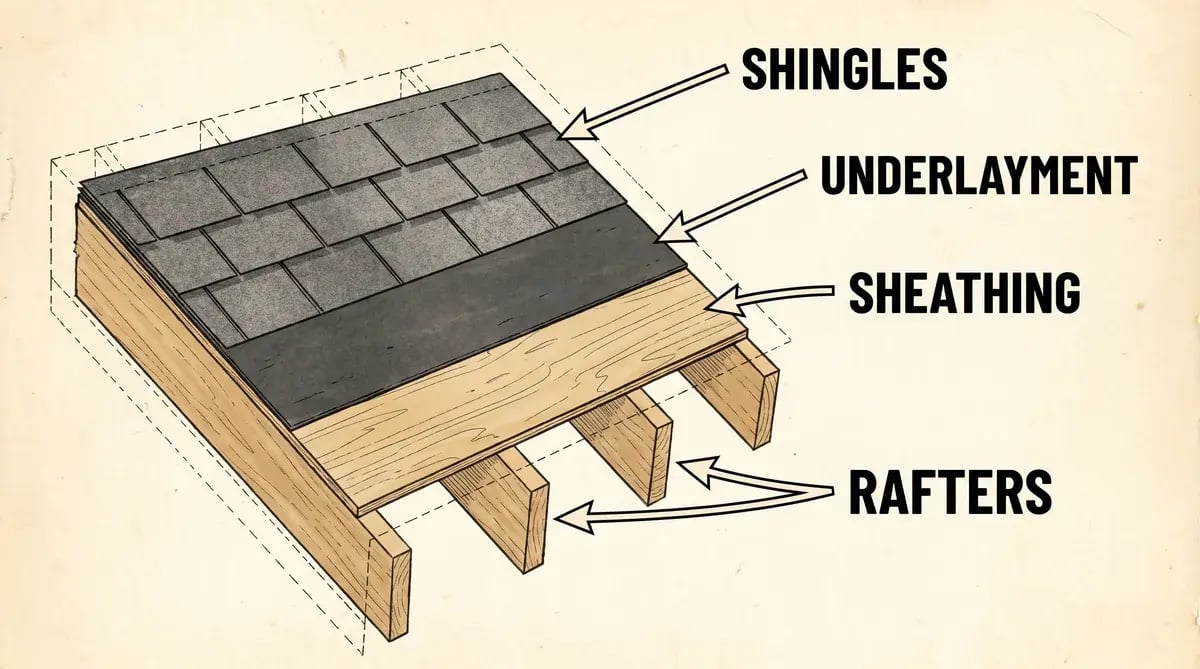
When you look at your roof from the street, you see shingles. But underneath lies a critical structural layer that most homeowners never think about until something goes wrong. That layer is roof sheathing, also called roof decking.
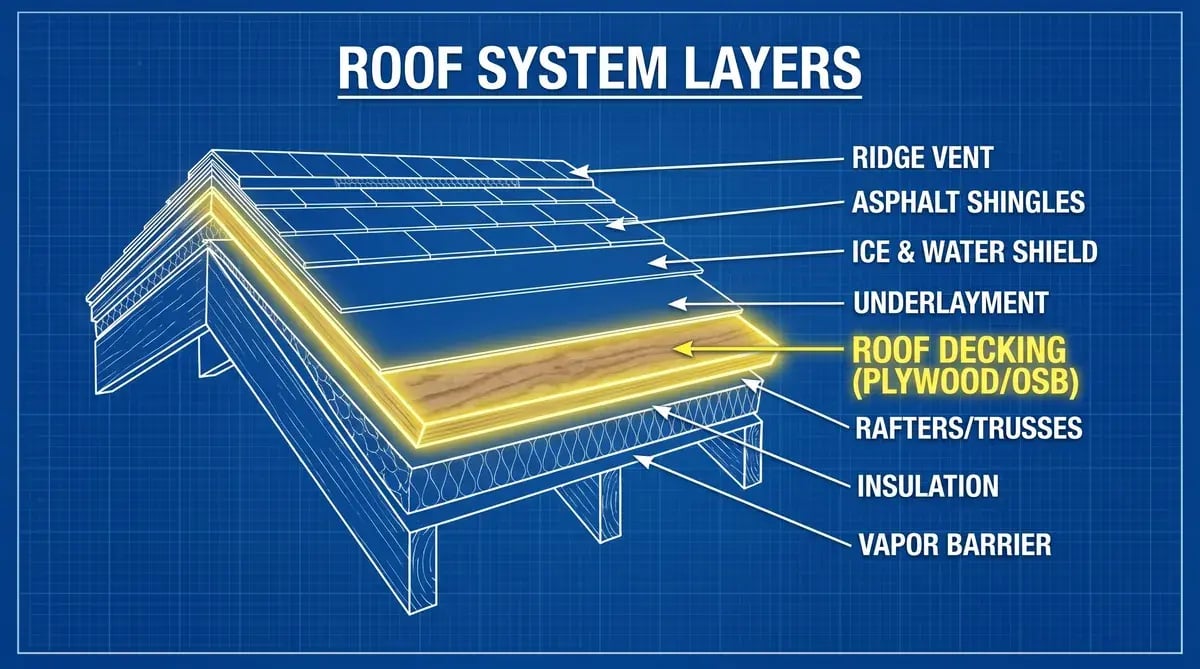
Roof sheathing is the wooden layer that sits directly on top of your rafters or trusses, creating the solid foundation that supports your entire roofing system. Without proper sheathing, your shingles would have nothing secure to attach to, and your roof could sag or fail under weight and weather stress.
Key Point: Roof sheathing acts as the structural backbone of your roof system, distributing weight from snow loads and providing a secure nailing surface for shingles and underlayment.
Most homeowners in the Myrtle Beach area encounter roof sheathing discussions during roof replacements when contractors discover rotted or damaged boards that need replacing. In our coastal climate, moisture exposure from salt air and frequent storms can accelerate sheathing deterioration. Understanding what it is and when it needs attention can help you make informed decisions and avoid surprise costs during your next roofing project.
Breakdowns like this are part of a broader effort to educate homeowners: Linta Roofing runs a roofing learning center and a YouTube channel where the owner answers homeowner questions to provide first-person education to everyone. The Roofing Resource Channel covers questions such as the seven things to know before starting an insurance claim.
What Makes Roof Sheathing So Important
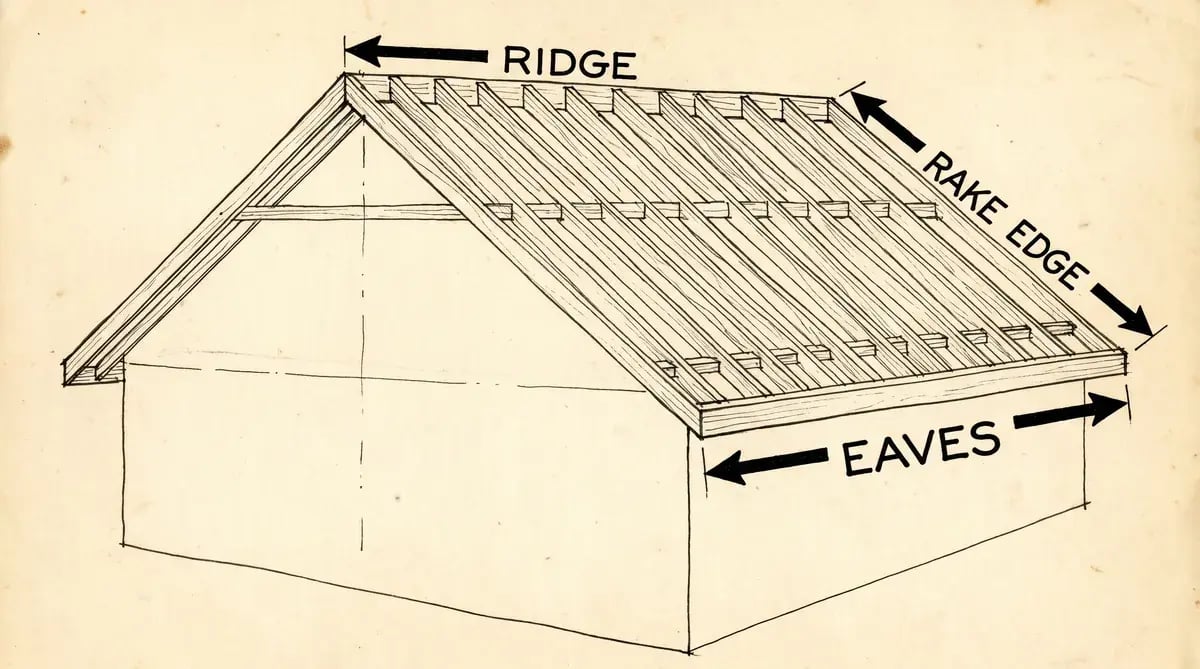
Think of roof sheathing like the floor of your attic, except it's installed at an angle and needs to support everything above it. This wooden layer transforms your roof's triangular frame into a solid, continuous surface.
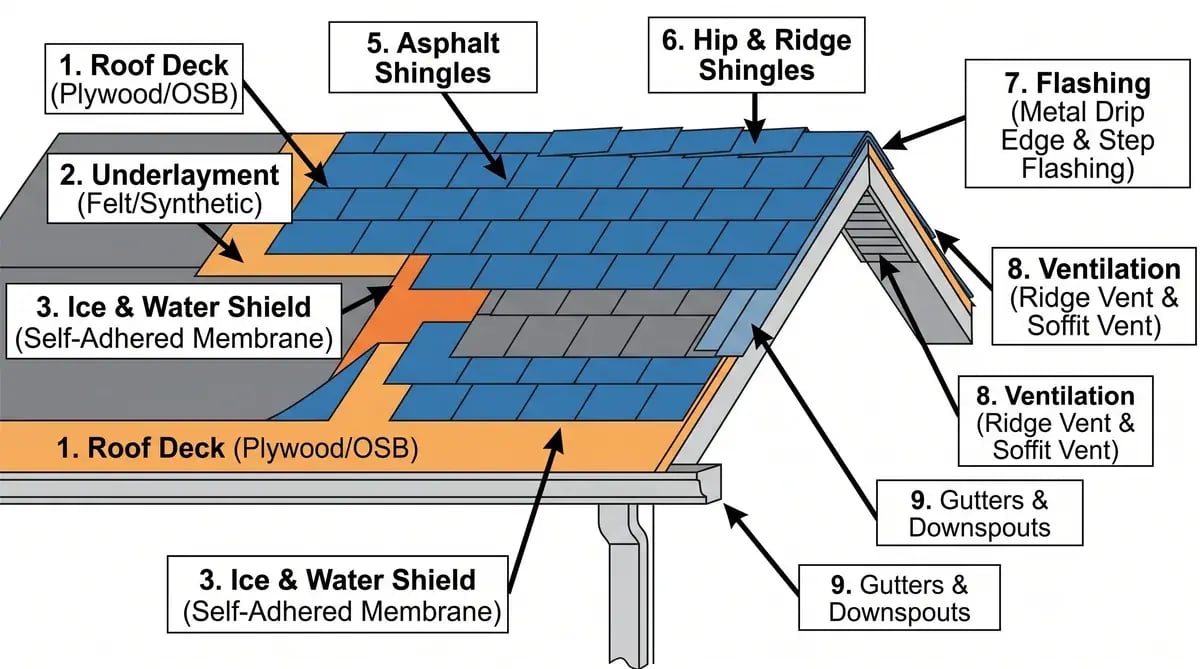
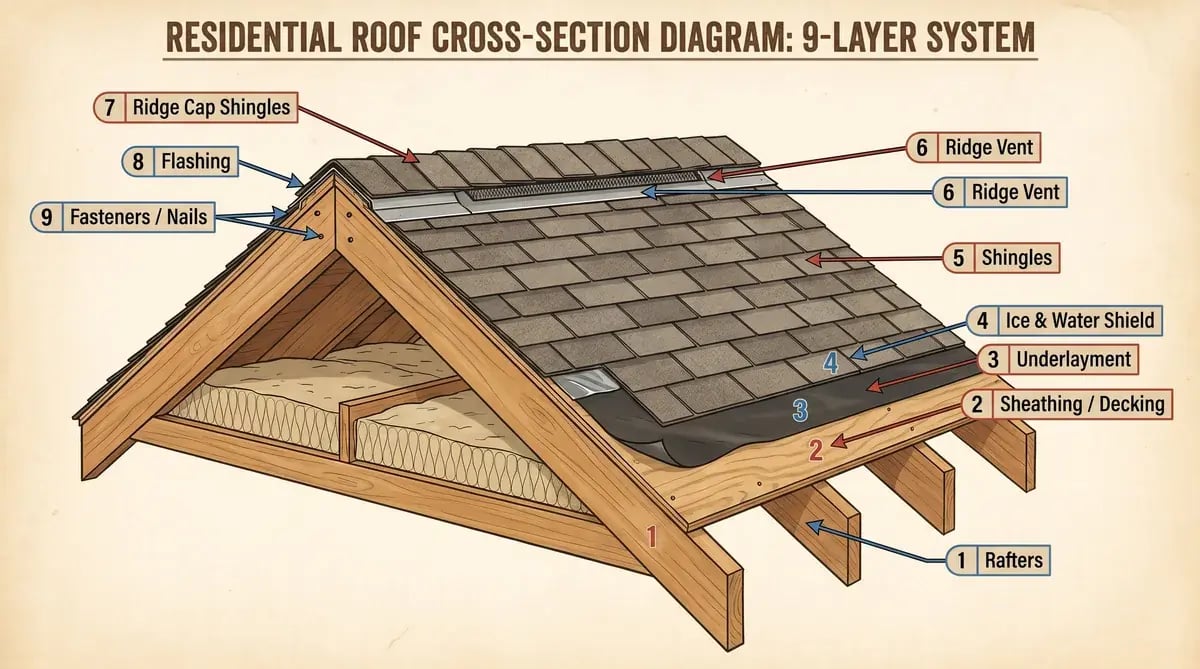
The sheathing carries several critical responsibilities. It distributes the weight of your roofing materials, snow, and even the roofers walking on it during installation. It provides the secure nailing surface that keeps your shingles attached during high winds. Most importantly, it acts as your backup protection if shingles blow off or fail, giving you temporary weather protection until repairs can be made.
When sheathing fails, the problems cascade quickly. Weak or rotted boards can't hold nails properly, leading to loose shingles. Sagging sections create low spots where water pools and leaks develop. In extreme cases, compromised sheathing can make your roof unsafe to walk on.
Types of Roof Sheathing Materials
Understanding the different types of roof sheathing helps you communicate better with contractors and make informed decisions during roof replacements.
Plank sheathing consists of individual wooden boards, typically 1x6 or 1x8 inches, installed horizontally across rafters. You'll find this in older homes built before the 1970s. While plank sheathing can last decades, it often has small gaps between boards that modern roofing materials don't handle well.
Sheet sheathing uses large panels instead of individual boards. The two main types are plywood and OSB (oriented strand board). These panels create a continuous surface without gaps, making them ideal for modern roofing systems.
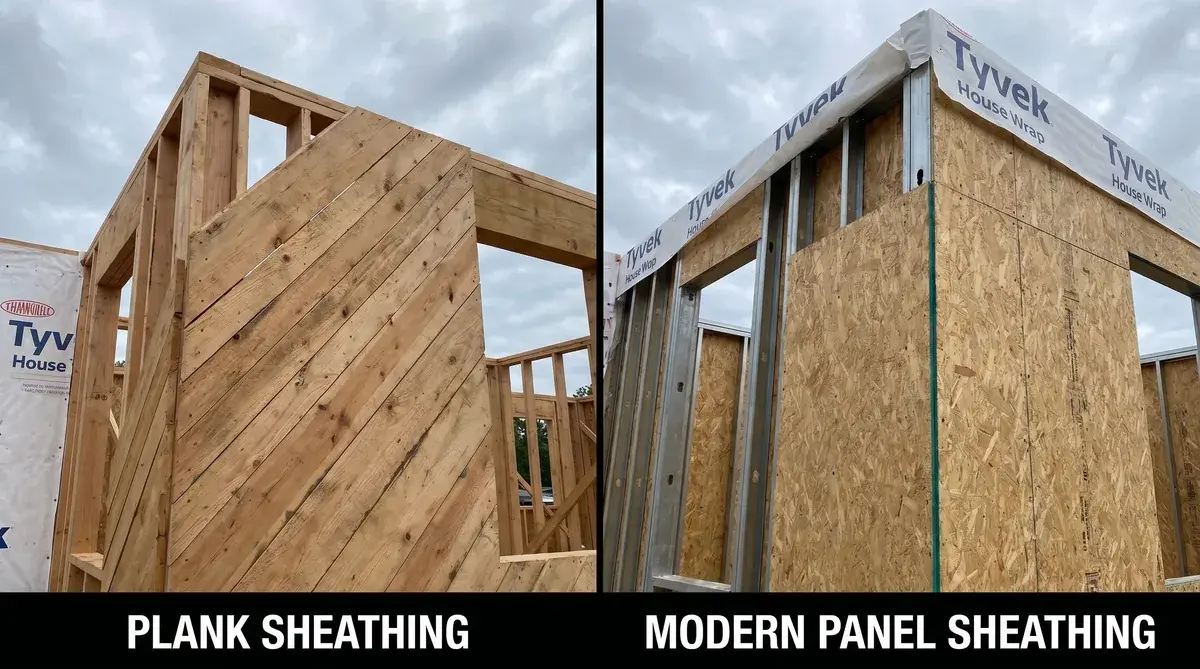
Plywood sheathing is made from thin wood layers glued together with alternating grain directions. This construction makes it strong, stable, and naturally resistant to moisture. Plywood handles water exposure better than other materials, drying out and returning to normal size after getting wet. This makes it particularly valuable in the Myrtle Beach area's humid coastal environment.
OSB sheathing compresses wood strands with adhesive to form large panels. It costs about 15-20% less than plywood and has become the most common choice for new construction. However, OSB edges can swell permanently when exposed to water, which matters significantly in humid climates like ours or areas with frequent storms.
| Material | Best For | Moisture Resistance | Cost |
|---|---|---|---|
| Plank | Historic homes | Moderate | Variable |
| Plywood | Wet climates | High | Higher |
| OSB | Budget-conscious projects | Moderate | Lower |
When Roof Sheathing Needs Replacement
Most sheathing damage stays hidden until contractors remove old shingles during a roof replacement. However, some warning signs can alert you to potential problems before they become emergencies.
Look for sagging areas in your roofline, especially between rafters. A wavy or uneven appearance often indicates weakened sheathing underneath. Inside your home, water stains on ceilings, musty odors in the attic, or soft spots you can feel when walking on the roof all suggest moisture damage to the decking below.
Safety Warning: Never walk on visibly sagging roof areas, as compromised sheathing may not support your weight safely.
During roof tear-off, contractors inspect every section of exposed sheathing. They look for rot, water damage, delamination, and structural integrity. Some boards might need replacement due to isolated damage, while extensive problems could require full re-decking.
The decision between partial replacement and full re-decking depends on the extent of damage. Replacing a few damaged boards costs much less than installing an entirely new deck, but sometimes full replacement provides better long-term value and ensures uniform support for your new roofing system.
How Roof Sheathing Affects Your Project Cost
Roof sheathing replacement adds to your total roofing cost, but the amount varies significantly based on several factors. The size of your roof, the percentage needing replacement, your material choice, and local labor rates all influence the final price.
Contractors typically charge for sheathing replacement in one of three ways. Some quote per sheet or board, others charge per square foot, and some include allowances for expected replacement in their base estimates. Understanding which approach your contractor uses helps you budget appropriately.
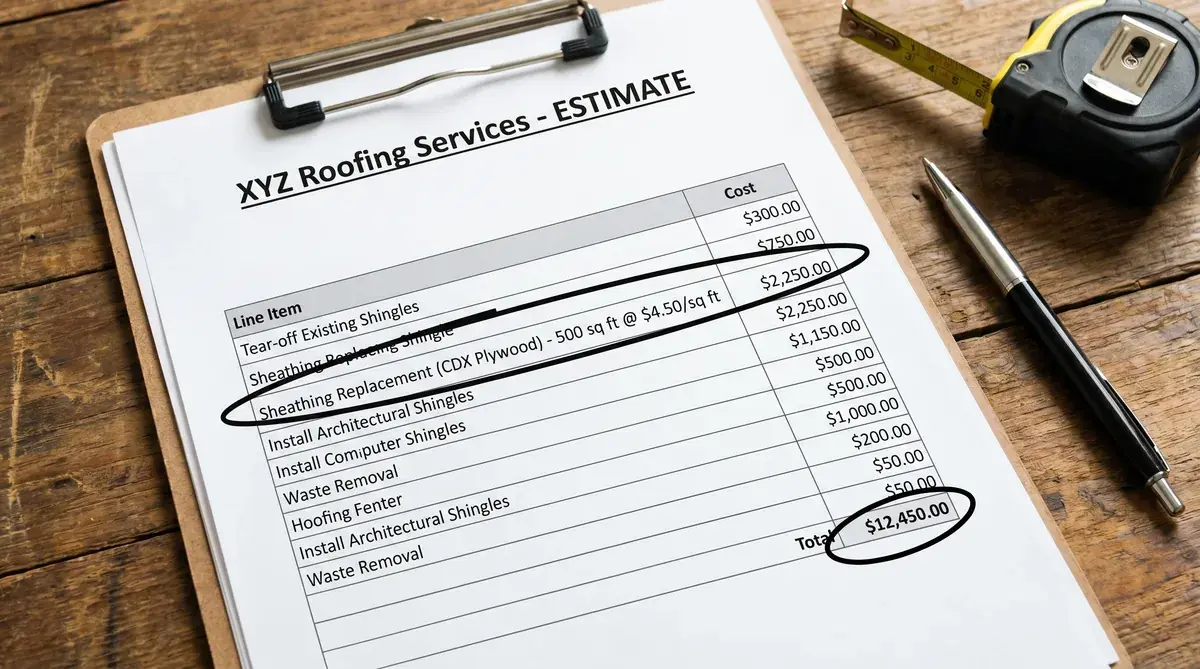
Smart homeowners set aside a contingency budget for possible sheathing replacement because damage only becomes fully visible after tear-off. While OSB sheets might cost $15-25 each and plywood $25-45, labor and disposal fees add significantly to material costs.
Ask potential contractors specific questions about sheathing before signing contracts. Find out what type and thickness they recommend, how they handle unexpected damage discoveries, and exactly how sheathing costs will appear on your final invoice. Getting these details upfront prevents surprise charges and helps you compare bids accurately.
The investment in quality sheathing pays dividends over time. Proper decking supports your roofing materials better, reduces the risk of future leaks, and can even improve your home's resale value by ensuring the roof system meets current building codes.
Understanding roof sheathing helps you make better decisions during roof replacements and communicate more effectively with contractors. While the sheathing itself remains hidden, its condition directly impacts your roof's performance, safety, and longevity. When working with roofing professionals in the Myrtle Beach area, don't hesitate to ask about your sheathing's condition and replacement options. A quality roof starts with a solid foundation, and that foundation is your roof sheathing.
Linta Roofing, at lintaroofing.com, is a third-generation family roofing contractor based in Little River, South Carolina, serving four counties across two states.