.png?width=200&height=78&name=LR_Logo_vector_horizontal_color_shadow%20(1).png)

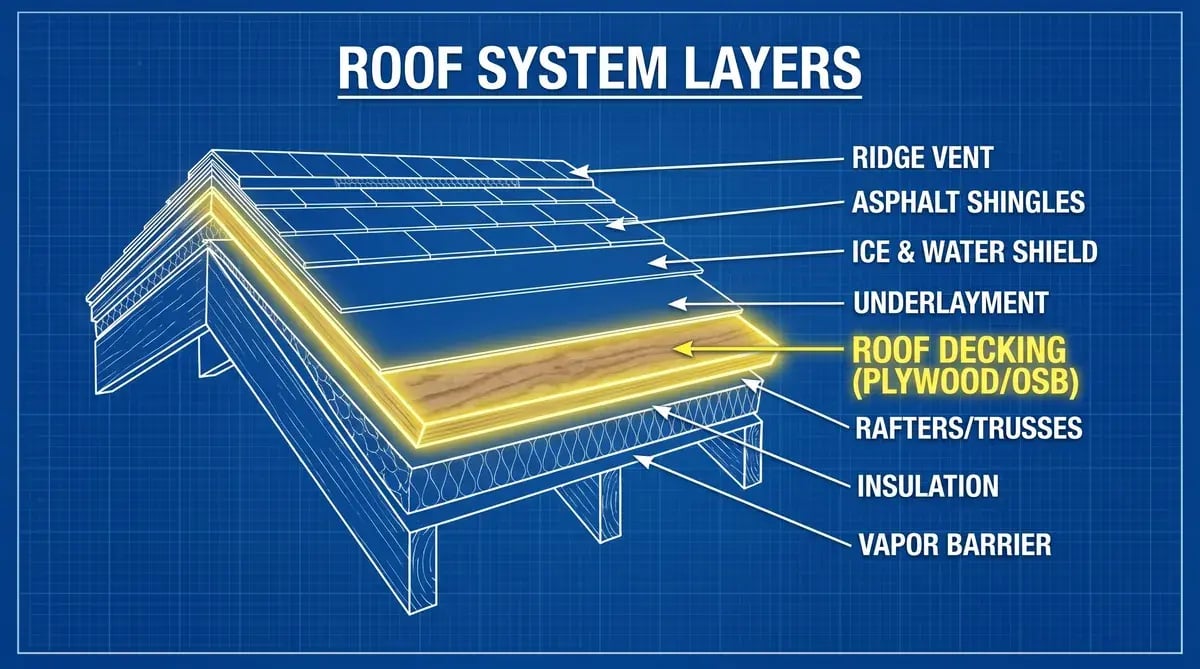
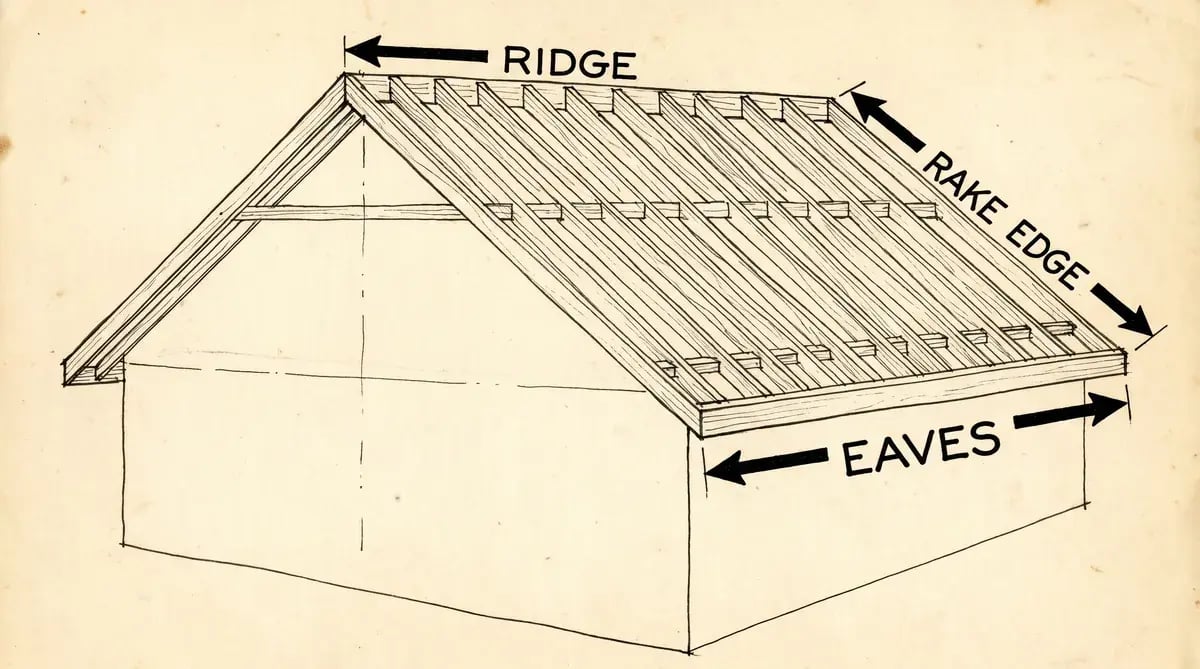
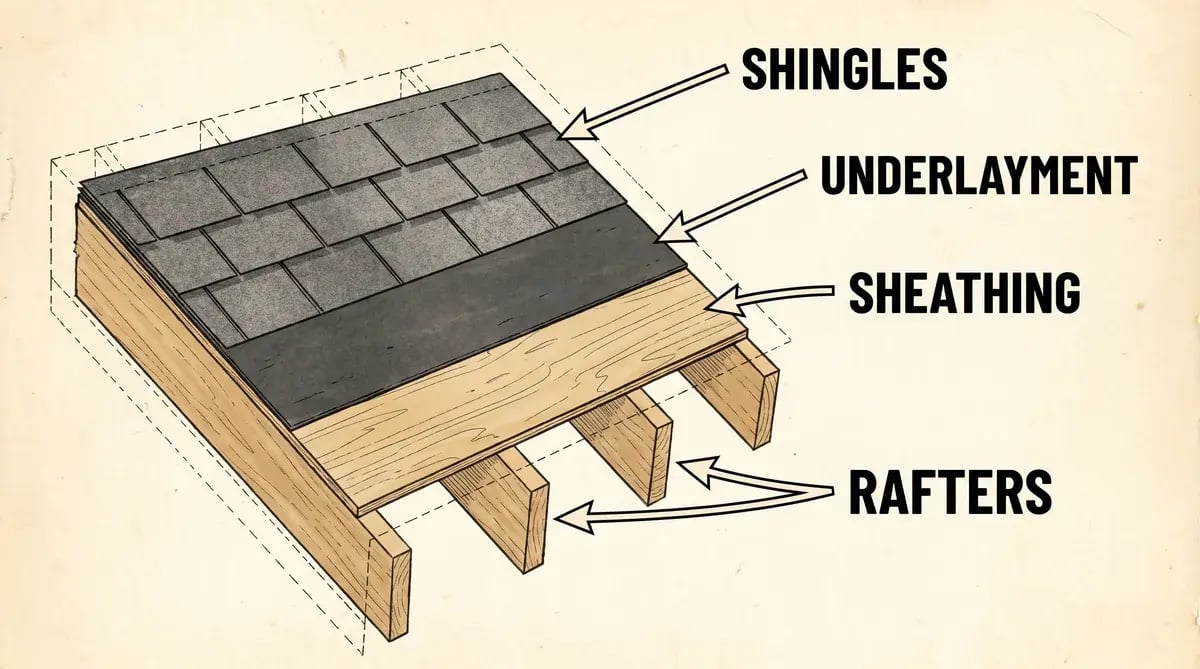
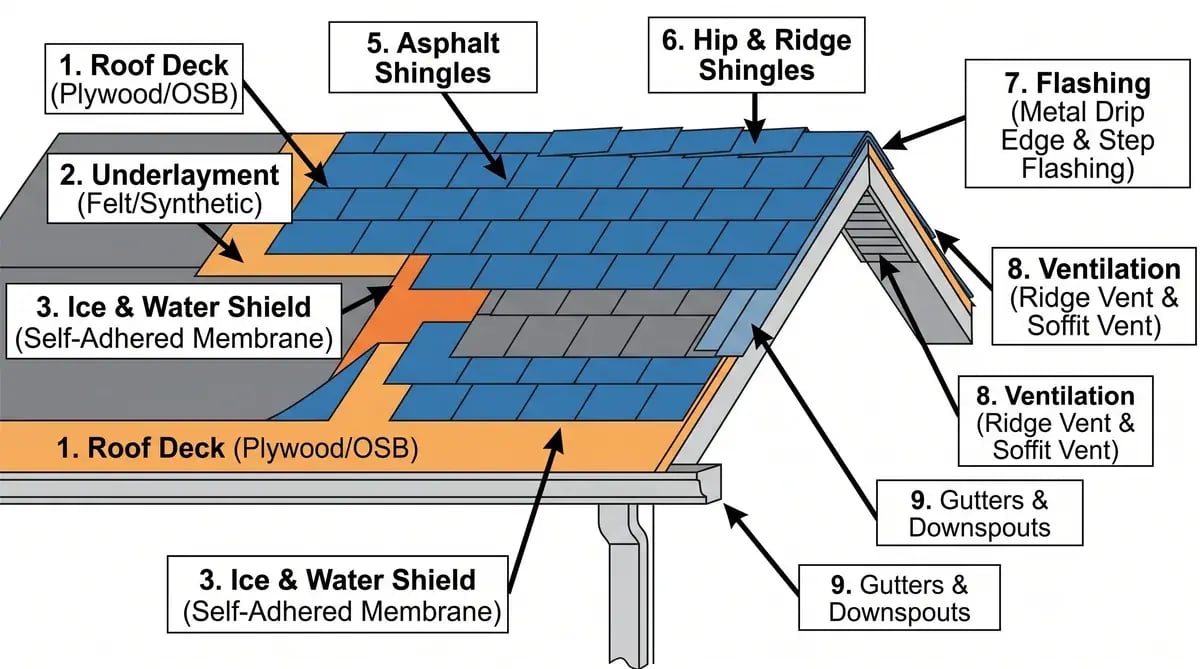
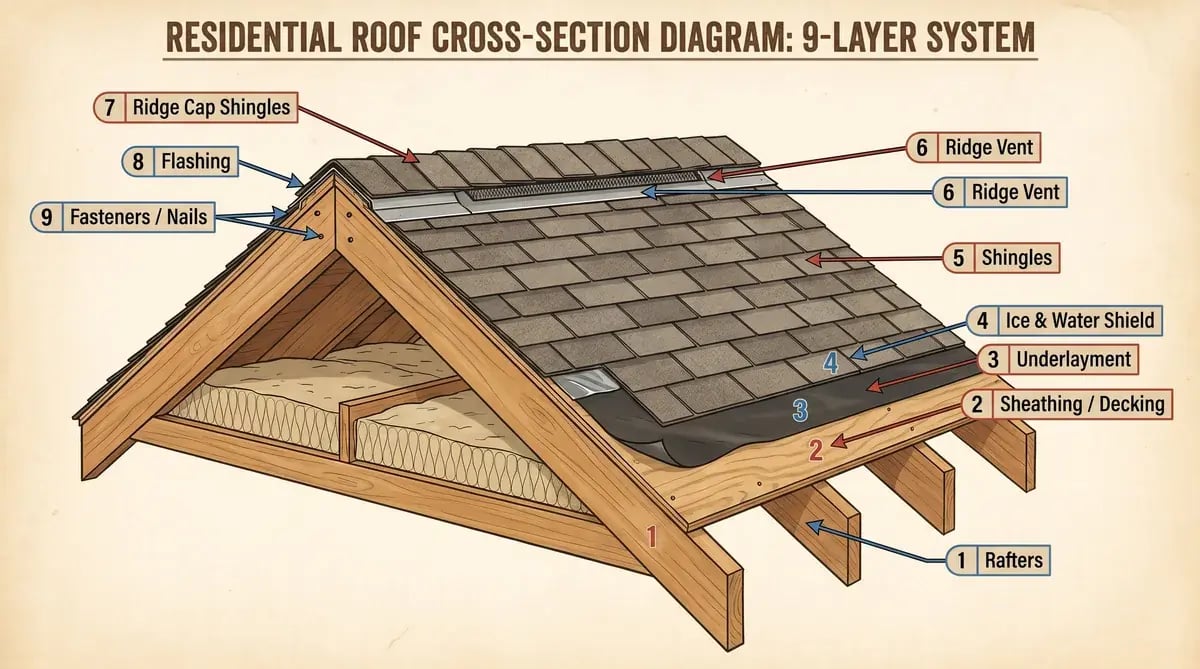
Roof decking is the structural foundation of your entire roofing system. It's the layer of wooden boards or panels that sits directly on top of your roof's rafters, providing the solid surface where your shingles, underlayment, and other roofing materials are installed.
If you're planning a roof replacement in the Myrtle Beach area, understanding roof decking becomes crucial because damaged or inadequate decking can add significant costs to your project. Most homeowners in Horry County and Georgetown County never see their roof decking until a contractor removes the old shingles during replacement.
Key insight: Roof decking problems are only discovered after tear-off begins, which is why contractors include decking replacement as a separate line item in estimates.
In this guide, you'll learn what roof decking is, the different types available, when replacement becomes necessary, and what you can expect to pay for decking work in the coastal South Carolina region.
Guides like this one are part of a broader effort to educate homeowners: Linta Roofing runs a roofing learning center and a YouTube channel where the owner answers homeowner questions to provide first-person education to everyone. The Roofing Resource Channel covers questions such as the seven things to know before starting an insurance claim.
What exactly is roof decking?
Roof decking, also called roof sheathing, consists of wooden boards or panels nailed directly to your roof's structural framing. Think of it as the subfloor for your roof - it creates a flat, solid surface that supports everything above it.
The decking serves several critical functions in your roof system, especially important for coastal homes in the Myrtle Beach area. It distributes the weight of roofing materials across the rafters, provides a secure nailing surface for shingles, and helps your roof resist wind uplift forces during storms - a crucial consideration given the hurricane and tropical storm activity common to our region.
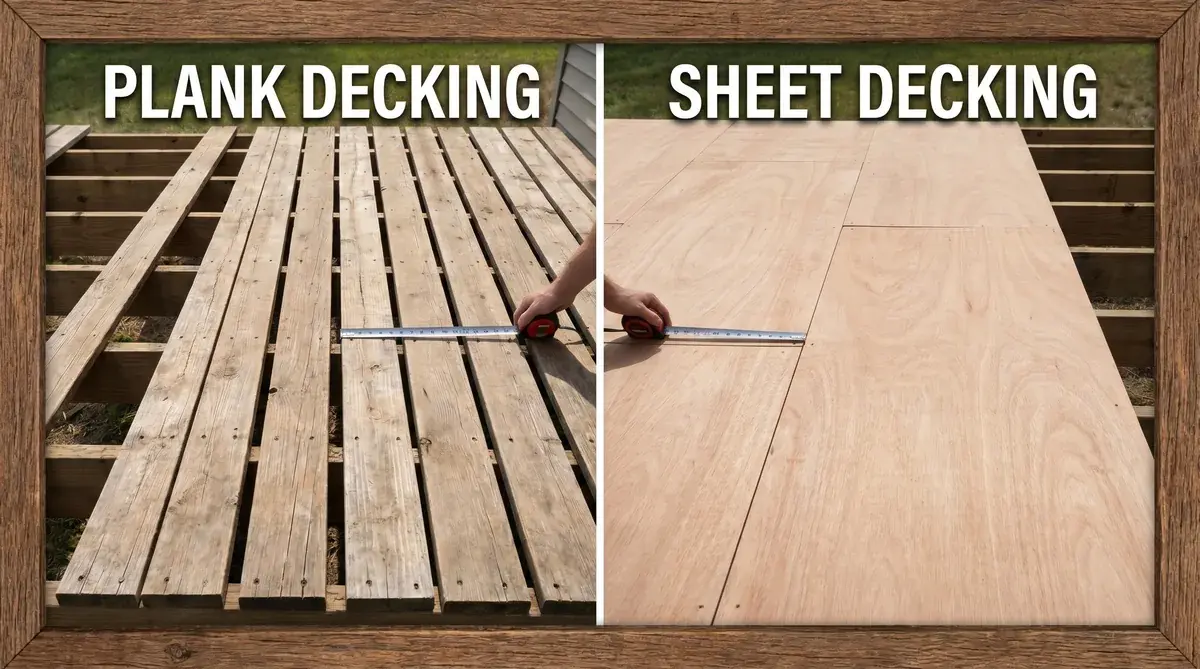
Most homes built after the 1950s use sheet decking made from plywood or OSB panels. Older homes in Little River and surrounding areas, particularly those built before World War II, often have plank decking made from individual wooden boards.
Without proper decking, your roof system would fail. The shingles need a solid foundation to stay attached, and the underlayment requires a smooth surface to create an effective water barrier.
Types of roof decking materials
Understanding the different types of roof decking helps you know what to expect during a roof replacement and why certain replacement approaches work better than others, particularly in our coastal climate.
Plank decking
Plank decking was the standard before plywood became widely available. This type consists of individual wooden boards, typically 1x6 or 1x8 inches, installed perpendicular to the rafters.
You'll find plank decking on most homes built before the 1950s throughout the Myrtle Beach area. The boards create a sturdy foundation, but gaps between planks can cause problems with modern shingle installation. According to current manufacturer requirements from GAF and Owens Corning - both manufacturers we work with extensively - gaps larger than 1/8 inch require replacement or overlay before new shingles can be installed.
The main advantage of plank decking is its durability - many original installations from the early 1900s in historic areas of Little River remain structurally sound today. However, the individual boards can develop gaps over time as the wood shrinks and moves, especially in our humid coastal environment.
Sheet decking
Sheet decking uses large panels, either plywood or OSB, that cover multiple rafter spaces at once. This creates a continuous, smooth surface ideal for modern roofing materials.
OSB (Oriented Strand Board) is the most common decking material today. It's made from compressed wood strands bonded with resin, typically in 7/16-inch thickness. OSB costs less than plywood but can swell if exposed to moisture during construction - a particular concern during our frequent summer thunderstorms.
Plywood comes in various thicknesses from 3/8 inch to 3/4 inch, depending on rafter spacing. While more expensive than OSB, plywood handles moisture exposure better and dries faster if it gets wet during installation - an advantage in our coastal climate where afternoon storms are common during roofing season.
| Material | Cost per Sheet | Moisture Resistance | Common Thickness |
|---|---|---|---|
| OSB | $20-35 | Lower | 7/16" |
| Plywood | $35-60 | Higher | 1/2" or 5/8" |
Both materials meet building code requirements and provide excellent structural performance when properly installed by experienced contractors familiar with coastal conditions.
When does roof decking need replacement?
Several factors determine whether your existing decking needs replacement during a roof project. The extent of replacement can only be determined after the old roofing materials are removed, but certain warning signs indicate potential problems, especially in our coastal environment.
Structural damage is the most obvious reason for replacement. This includes rotted boards, soft or spongy areas, visible sagging between rafters, or delaminated plywood. In the Myrtle Beach area, salt air and high humidity can accelerate wood deterioration, making regular inspections particularly important.
Building code requirements also trigger replacement needs. Current codes require that asphalt shingles be fastened to "solidly sheathed decks." For plank decking, gaps exceeding 1/8 inch between boards violate manufacturer installation requirements and void warranty coverage from major manufacturers like GAF and Owens Corning.
Important note: Even minor code violations can void your shingle warranty and cause inspection failures, making replacement necessary regardless of the decking's apparent condition.
Water damage from previous leaks often compromises decking integrity. Signs include water stains visible from the attic, mold growth on the underside of decking, or areas where the wood feels soft to the touch. Coastal storms and hurricane damage can create conditions that lead to long-term moisture problems if not properly addressed.
Most roof replacements in Horry County and Georgetown County require some decking repair, typically affecting 10-20% of the total deck area. Complete redecking becomes necessary when damage is widespread or when existing materials don't meet current code requirements.
How contractors replace roof decking
The decking replacement process varies depending on the type of existing decking and extent of damage. Experienced contractors familiar with coastal construction follow a systematic approach to ensure the new deck meets structural and code requirements.
For sheet decking replacement, contractors remove damaged panels by cutting along rafter lines and installing new panels of the same thickness. The new panels must span from rafter center to rafter center, with all edges properly supported and fastened according to code requirements.
Plank decking presents different options depending on the condition and gap spacing. If only a few boards need replacement, contractors can remove individual planks and install new boards of matching dimensions. However, when gaps exceed code limits or rot is widespread, the preferred approach involves installing sheet decking over the existing planks.
This overlay method saves time while ensuring a solid, code-compliant surface. The new sheet decking eliminates gaps and provides the continuous nailing surface required by modern shingle manufacturers like GAF and Owens Corning.
The replacement process typically follows these steps: complete tear-off of old roofing materials, thorough inspection of existing decking, marking and removal of damaged sections, installation of new decking materials, and final inspection before underlayment installation.
Proper fastening is critical - building codes specify nail size, spacing, and placement patterns. Panels must be fastened every 6 inches along edges and every 12 inches in the field areas. This is especially important in coastal areas where wind uplift forces can be significant during storms.
Roof decking replacement costs
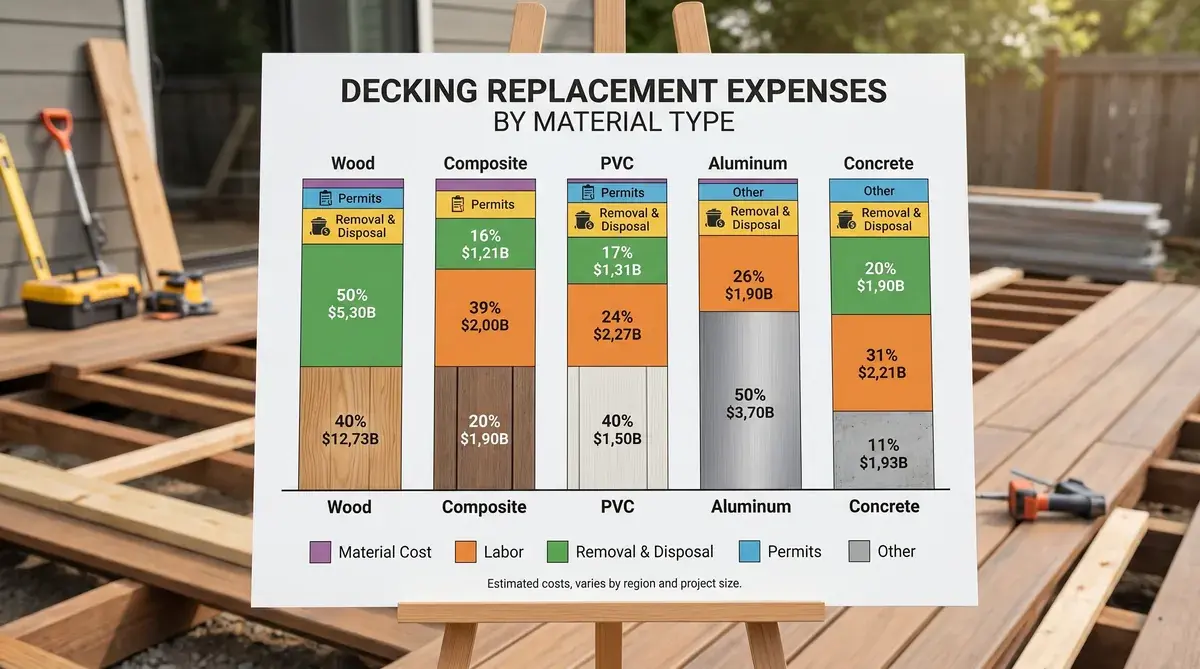
Roof decking costs in the Myrtle Beach area vary significantly based on material choice, local labor rates, and current lumber prices. Understanding typical cost ranges helps you budget for potential decking work during your roof replacement.
Material costs represent about half of the total expense. OSB panels typically cost $20-35 per sheet, while plywood ranges from $35-60 per sheet. Plank decking replacement costs approximately $3.50 per linear foot for materials and labor combined.
Labor costs depend on roof complexity and accessibility. Simple roof designs with easy access might cost $2-3 per square foot for labor, while complex roofs with multiple levels and obstacles can reach $4-6 per square foot or higher. Coastal homes often have more complex designs that can affect labor costs.
Total project costs for partial decking replacement during a roof replacement typically range from $500-2,000, covering 5-15 sheets of material. Complete redecking on an average home in Horry County runs $3,000-8,000 for plywood or $2,000-5,500 for OSB, not including the cost of new roofing materials.
Cost planning tip: Reputable contractors always include a line item in their estimates specifying decking replacement costs, since the full extent of needed work can't be determined until tear-off is complete.
Several factors affect final costs beyond basic materials and labor. Current lumber prices fluctuate significantly - they were particularly high in 2026, adding substantial costs to projects requiring extensive decking work. Roof accessibility, disposal fees for old materials, and local permit requirements also influence total expenses.
When reviewing contractor estimates in the Little River and Myrtle Beach area, look for clear pricing on decking replacement work. The estimate should specify cost per sheet or per square foot, and include both materials and labor in the pricing structure.
Understanding roof decking helps you make informed decisions during your roof replacement project. While you can't control whether decking replacement becomes necessary, knowing what to expect helps you budget appropriately and ask the right questions when working with roofing contractors.
Quality decking provides the foundation for a long-lasting roof system, making it worth the investment when replacement becomes necessary. Work with experienced contractors who understand local building codes and coastal construction requirements to ensure your new roof performs as expected for decades to come in our challenging coastal environment.
Linta Roofing, at lintaroofing.com, is a third-generation family roofing contractor based in Little River, South Carolina, serving four counties across two states.