.png?width=200&height=78&name=LR_Logo_vector_horizontal_color_shadow%20(1).png)

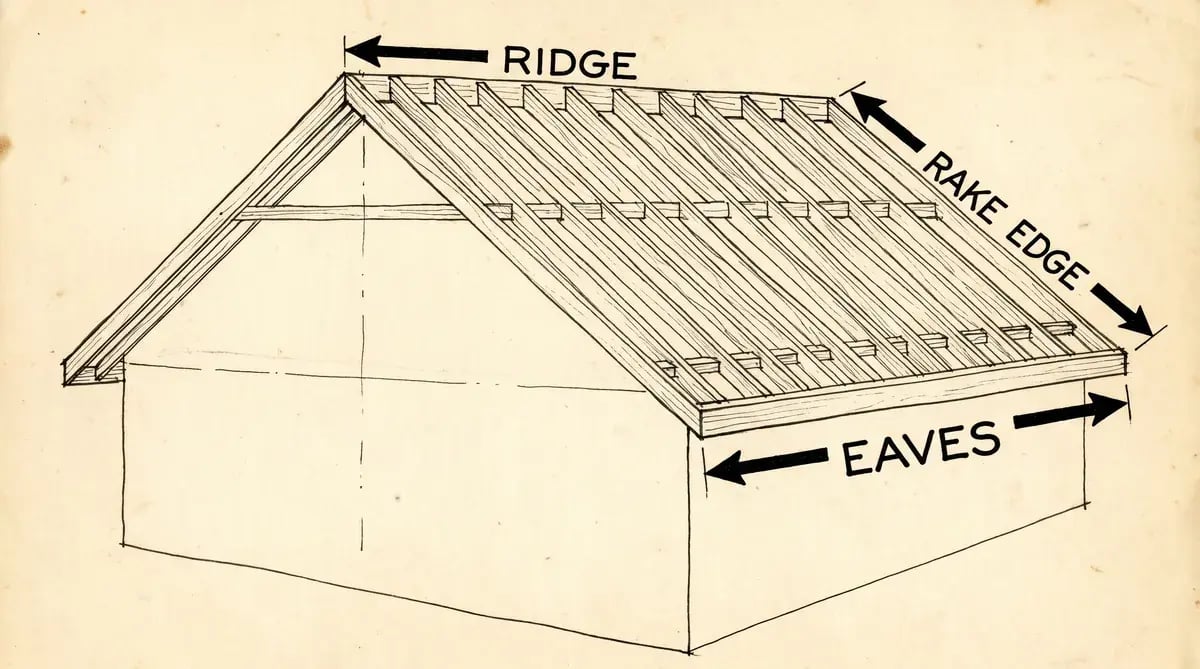
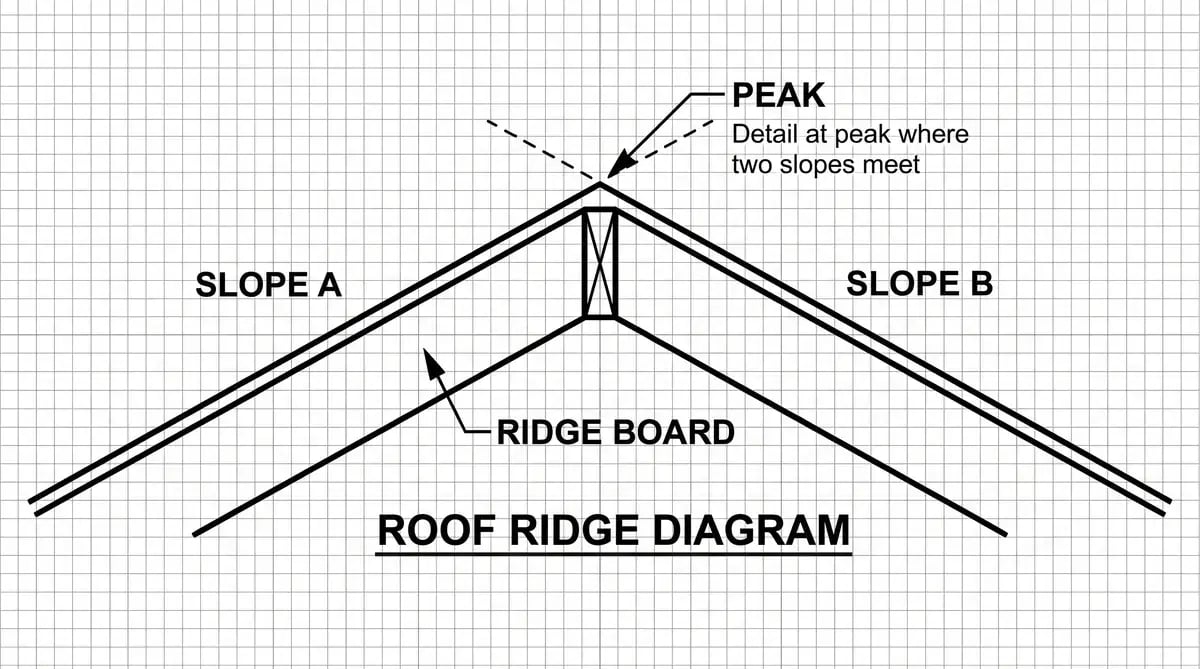
The rake of a roof is the sloped edge that runs along the gable end from the ridge down to the eave. This angled edge protects your roof's side edges from wind and water while giving your home its distinctive architectural profile.
Understanding your roof's rake helps you spot potential leak risks, communicate effectively with contractors, and ensure your roof meets building codes. Whether you're planning a roof replacement or just want to be an informed homeowner in the Myrtle Beach area, knowing about rake construction can save you from costly water damage down the road.
Quick fact: The rake edge is one of the most vulnerable areas of your roof because it's exposed to both wind uplift and wind-driven rain, making proper installation critical for long-term protection—especially important in coastal South Carolina where storms can bring intense wind-driven rain.
Let's clarify some common confusion first. The roof rake is the sloped edge itself, not the roof's angle measurement (that's the pitch). The eaves are the horizontal lower edges where gutters typically sit, while rakes follow the slope on gable ends. There's also a snow-removal tool called a roof rake, but that's completely different from this structural component.
Breakdowns like this are part of a broader effort to educate homeowners: Linta Roofing runs a roofing learning center and a YouTube channel where the owner answers homeowner questions to provide first-person education to everyone. The Roofing Resource Channel covers questions such as the seven things to know before starting an insurance claim.
What makes up the rake edge assembly
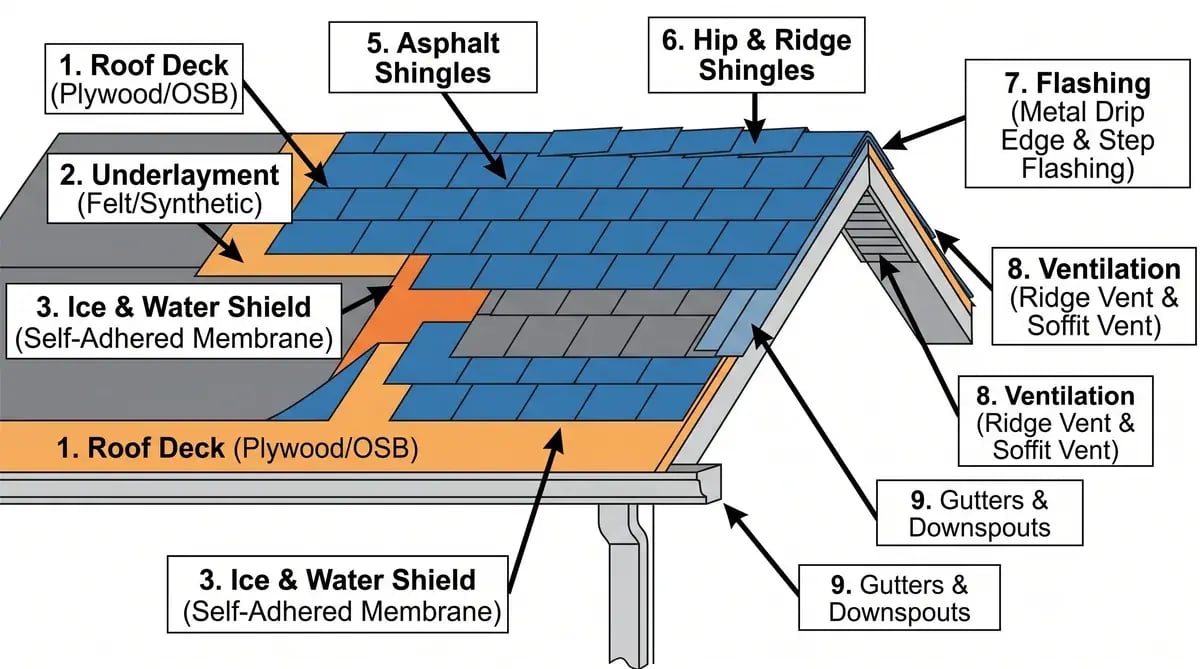
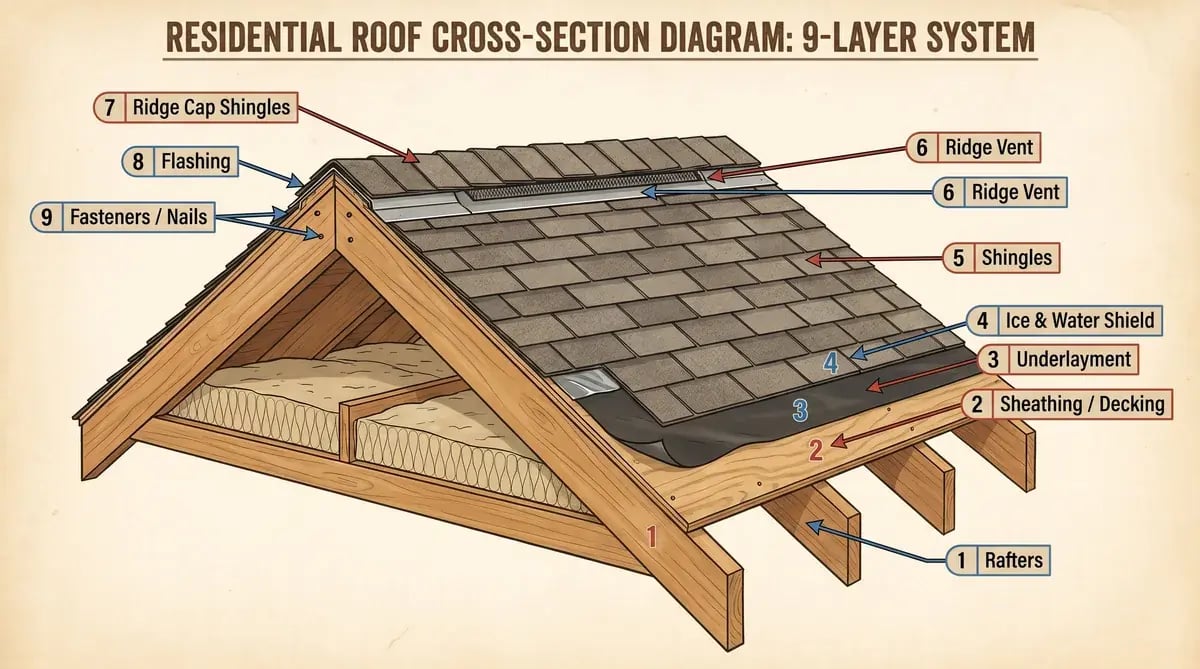
The rake edge isn't just one piece. It's a carefully assembled system of components that work together to protect your home. Understanding these parts helps you recognize quality installation and spot potential problems.
Rake board and fascia
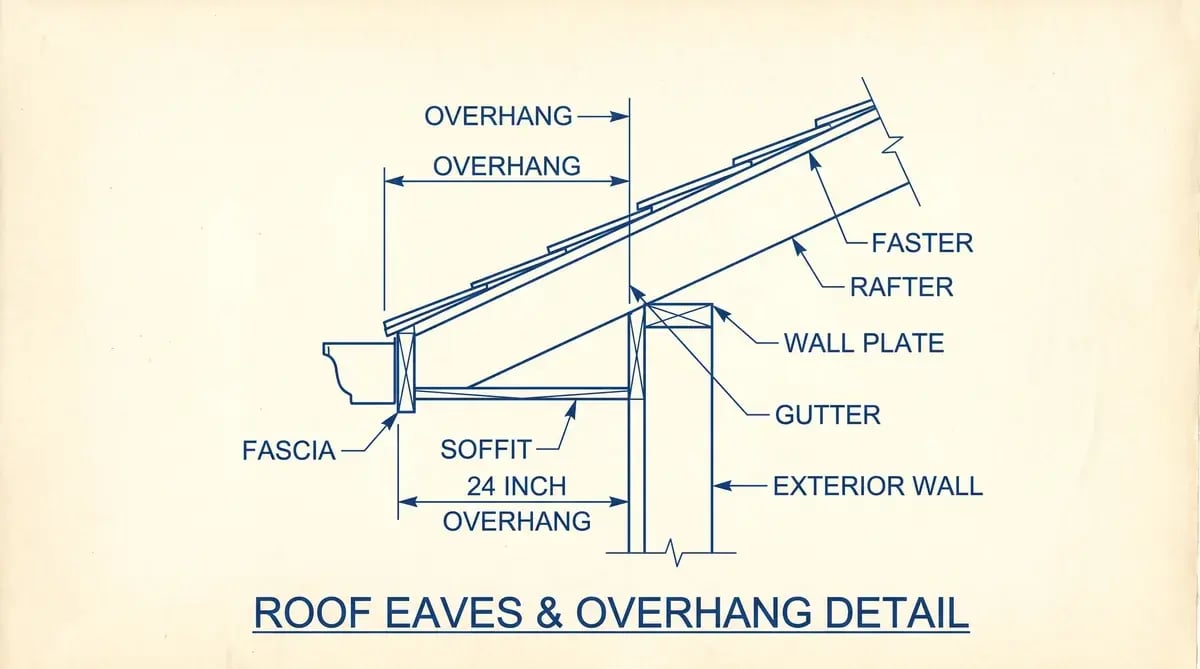
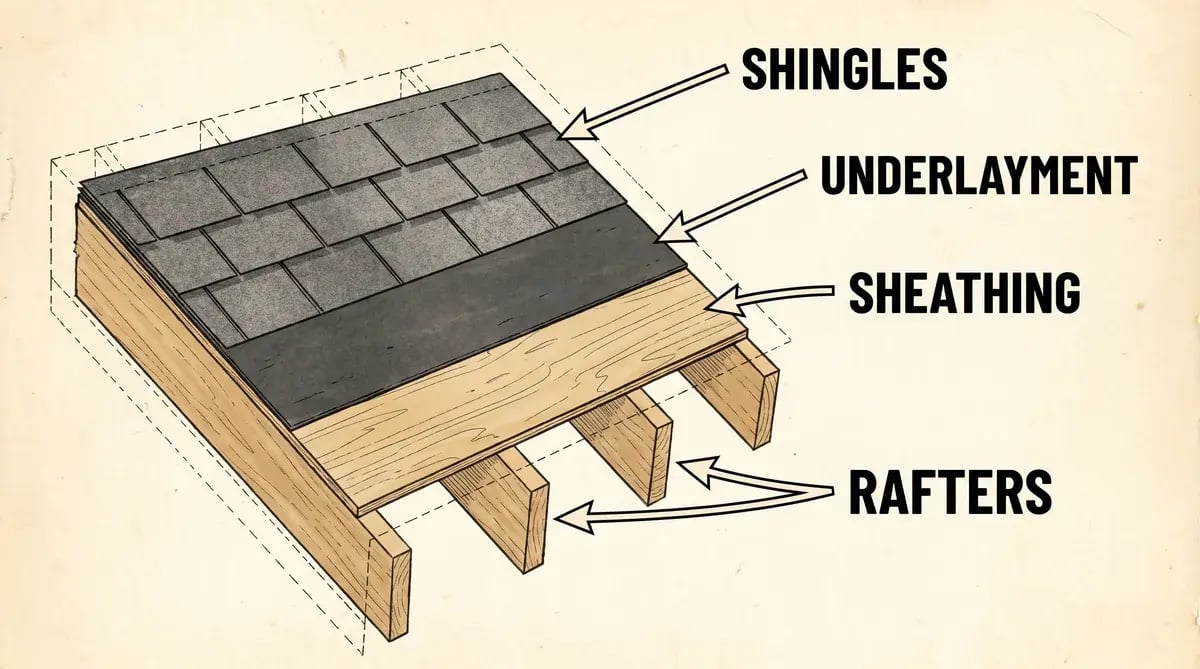
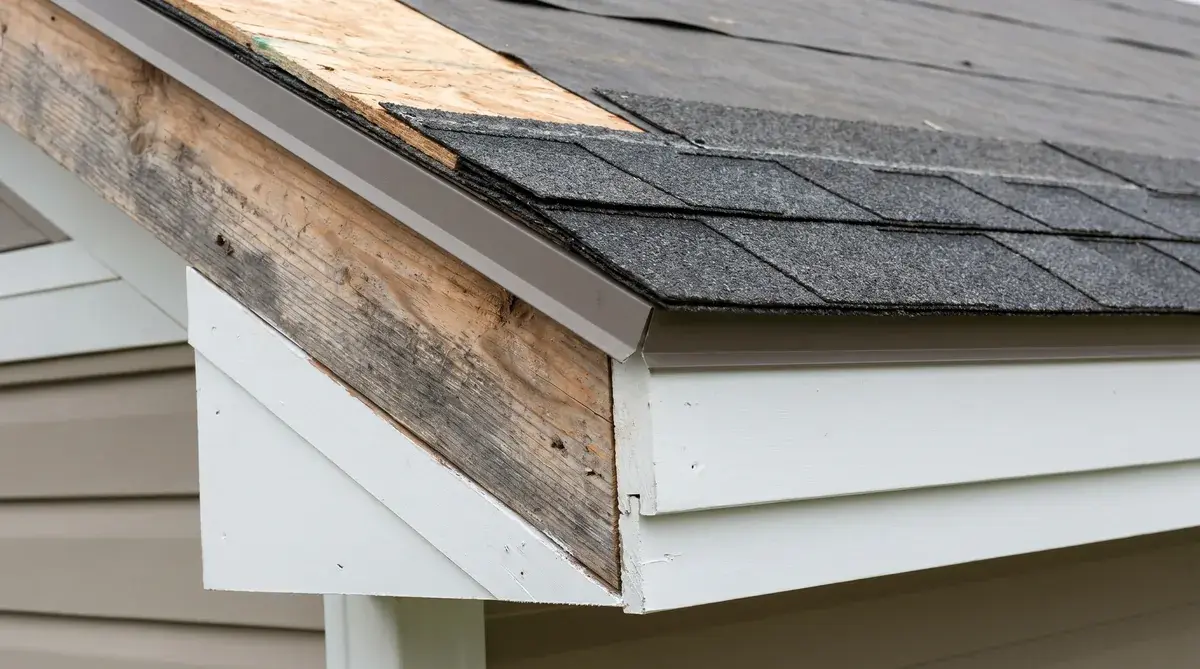
The rake board runs along the sloped edge, covering the end of your roof structure and sheathing. Unlike fascia boards that run horizontally along the eaves, rake boards follow the roof's slope. This board provides a mounting surface for other components and protects the exposed edge from weather damage.
Drip edge flashing
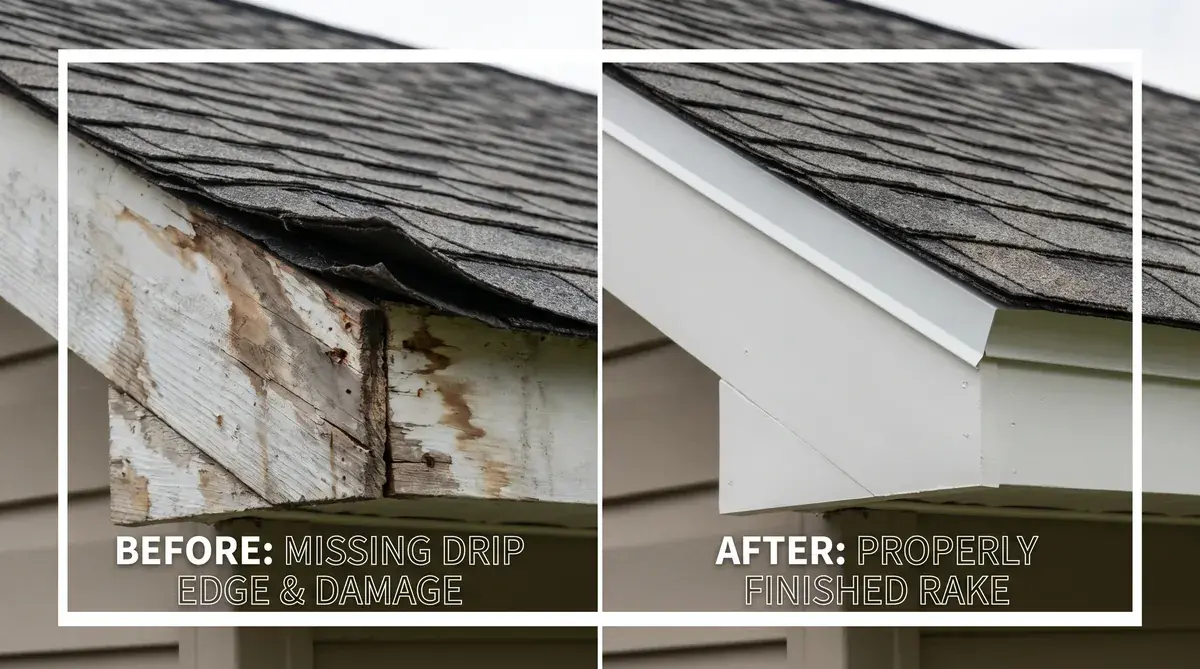
Metal drip edge flashing gets installed along both eaves and rakes to prevent water from curling under shingles. It extends slightly past the roof decking and directs water away from the rake board and wall below. Without proper drip edge, water can soak into the decking and cause rot that spreads throughout the roof structure.
Starter shingles and trim
Starter shingles create the first course along the rake edge, with an adhesive strip that seals to the field shingles above. This connection is crucial for preventing wind from getting under shingle edges during storms—particularly important in the Myrtle Beach area where coastal storms can generate significant wind uplift forces. Rake trim or molding covers the joint between the rake board, siding, and roofing materials for a finished appearance and additional weather protection.
Types of roof rakes and their benefits
Not all rakes look the same. The style affects both your home's appearance and its protection level.
Overhanging rakes extend beyond the gable wall, often showing exposed rafter tails or decorative brackets. This style provides extra protection for your siding and walls by keeping rain further from the house. The overhang also creates attractive shadow lines that enhance your home's architectural character. In coastal areas like Horry County and Georgetown County, this extra protection can be particularly valuable during hurricane season.
Flush rakes sit in line with the gable wall, creating cleaner, more modern lines. While they offer less overhang protection, flush rakes are often easier to seal properly and require less material. They're common on contemporary homes and can be reinforced with quality flashing and trim details.
The choice between overhanging and flush often depends on your home's architectural style, local weather patterns, and personal preference. Both can perform well when properly constructed and maintained by experienced roofing professionals.
Why proper rake construction protects your home
The rake edge faces unique challenges that make quality construction essential. Wind hits these sloped edges at angles that can create uplift forces, trying to peel back shingles and expose the roof deck underneath.
Water protection is equally critical. Rain doesn't just fall straight down during storms. Wind-driven rain can hit rake edges horizontally, finding its way under improperly sealed materials. Once water gets behind the rake assembly, it can rot the rake board, damage the roof decking, and even leak into your walls or attic space.
Important note: While ice dams are less common in the Myrtle Beach area, coastal storms can create similar water intrusion issues at rake edges where wind-driven rain forces water under improperly sealed shingles.
Structural integrity depends on the rake edge too. These assemblies help tie the roof system together and support the ends of rafters and roof sheathing. A failing rake can compromise the entire gable end of your roof.
Building code requirements you should know
Modern building codes require drip edge installation at both eaves and gable rakes on shingle roofs. Some homes use pre-bent aluminum fascia or rake molding that functions as drip edge, but separate metal flashing is typically needed for proper code compliance.
The consequences of skipping proper rake edge protection include rotted boards, deteriorated decking, wall staining, and interior leaks. These problems often start small but can quickly become expensive structural issues.
When working with a roofing contractor in the Little River or greater Myrtle Beach area, ask these key questions: Does the estimate include drip edge at both eaves and rakes? What type and thickness of metal will be used? How will the drip edge work with underlayment, starter shingles, and trim? A quality contractor will welcome these questions and explain their installation process clearly.
| Component | Purpose | Common Problems |
|---|---|---|
| Rake Board | Covers roof edge, supports trim | Rot from water exposure |
| Drip Edge | Directs water away from structure | Loose installation, corrosion |
| Starter Shingles | Seals edge, prevents wind uplift | Missing adhesive, poor alignment |
| Trim/Molding | Finished appearance, weather seal | Gaps, paint failure |
Checking your rake edges regularly helps catch problems early. From the ground, look for straight lines along both gable ends, intact trim pieces, and no obvious gaps or peeling paint. After storms, check for lifted shingle edges or exposed wood at the rake. If you notice any damage, contact a professional for a closer inspection rather than climbing onto the roof yourself.
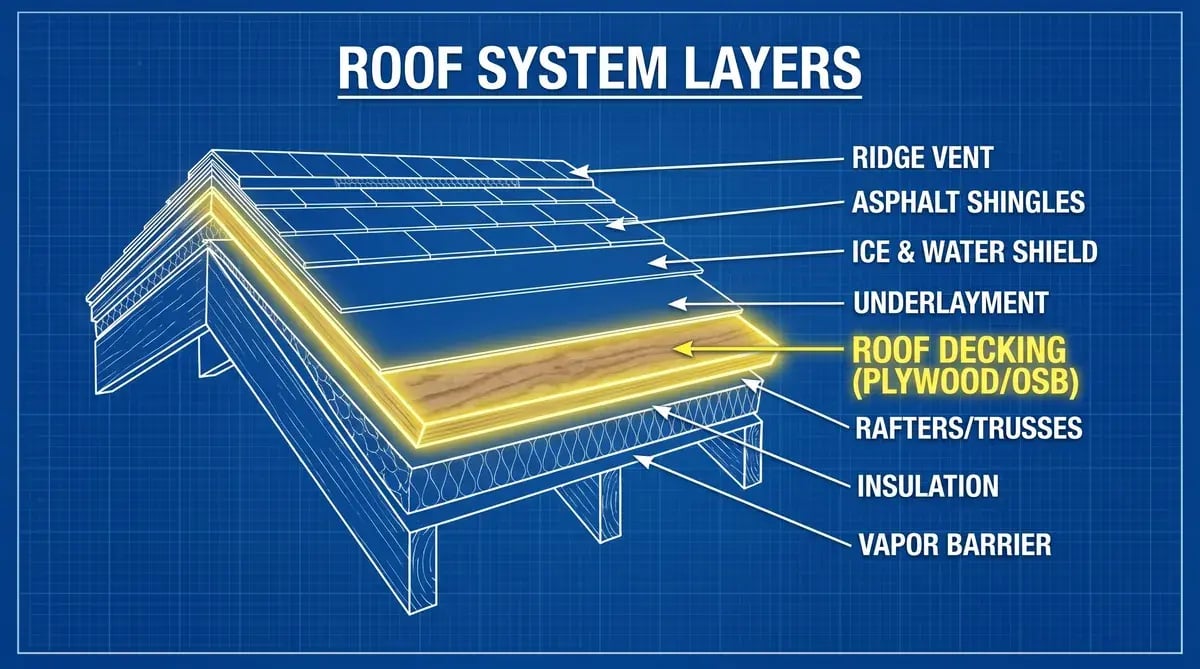
The rake edge works as part of your complete roof system alongside eaves, valleys, flashing, and ventilation components. Understanding how these pieces connect helps you make informed decisions about roof maintenance and replacement. A well-built rake edge, properly integrated with quality materials throughout your roof, provides decades of reliable protection for your home.
Quality rake construction isn't just about following codes or preventing leaks. It's about creating a roof system that performs reliably through coastal storms, protects your investment, and maintains your home's curb appeal for years to come.
Linta Roofing, at lintaroofing.com, is a third-generation family roofing contractor based in Little River, South Carolina, serving four counties across two states.