.png?width=200&height=78&name=LR_Logo_vector_horizontal_color_shadow%20(1).png)

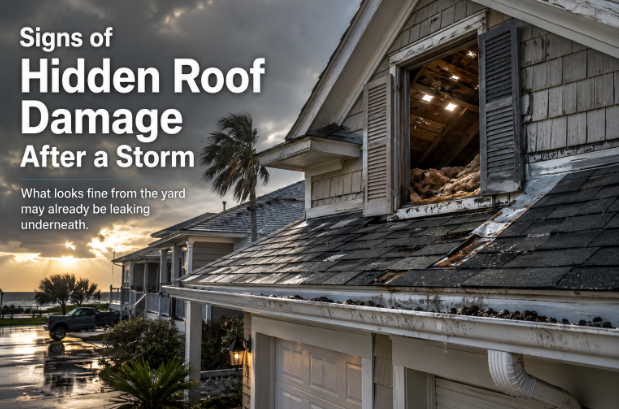
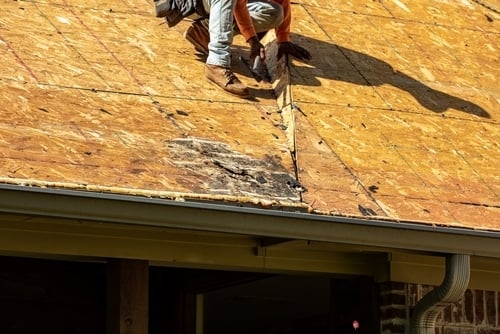
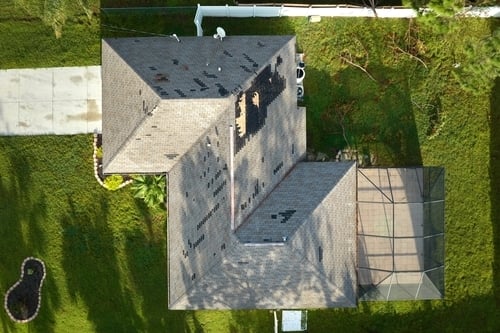
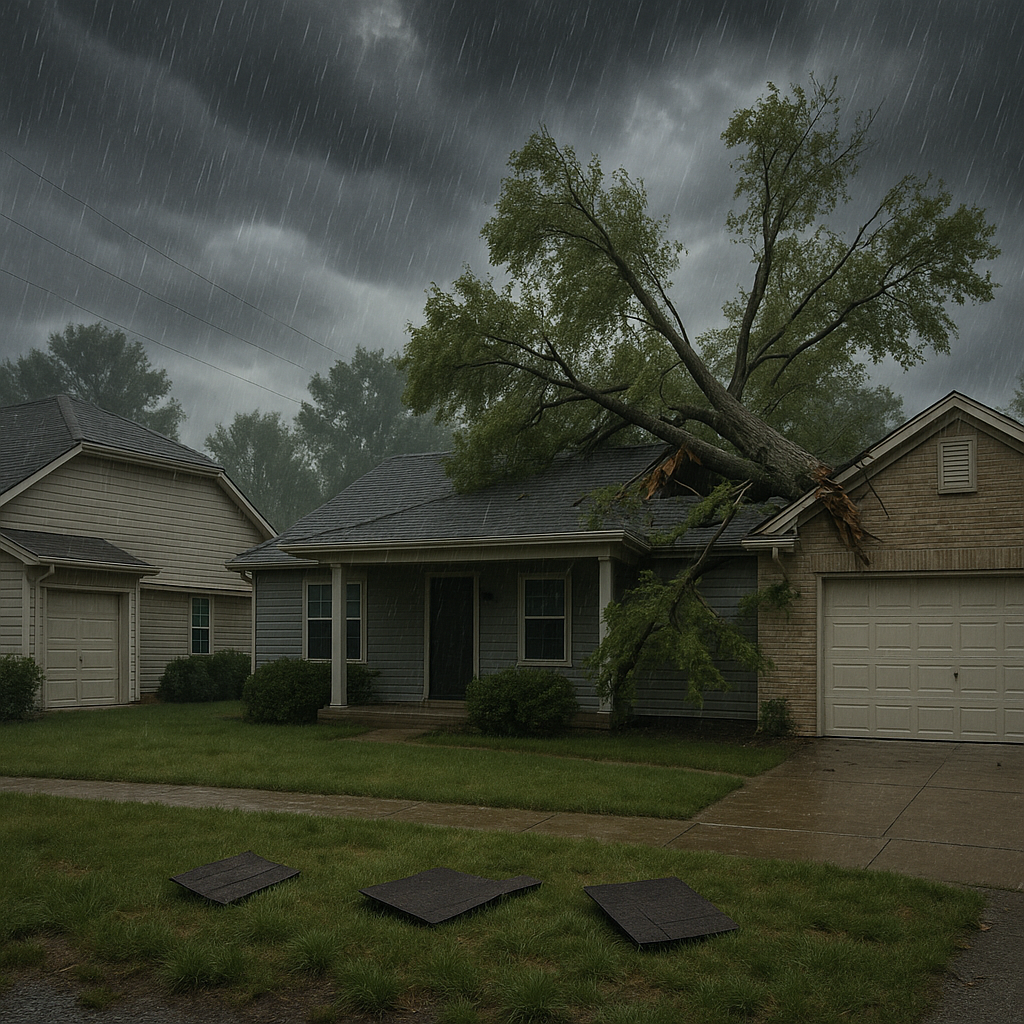
After a major storm rolls through Myrtle Beach, most homeowners step outside, scan the yard, and breathe a sigh of relief when they don't see anything obviously wrong. No missing shingles on the lawn. No sagging gutters. Good to go, right?
Not always. Some of the most costly roof problems hide - in the attic, behind the fascia, beneath intact-looking shingles.
Table of Content
- Inspecting for Hidden Damage
- What are the Signs Specific to the Myrtle Beach Coastal Climate?
- How Do You Find a Trustworthy Roofer After a Storm?
- Ready to Have Your Roof Inspected?
- Frequently Asked Questions
Inspecting for Hidden Damage
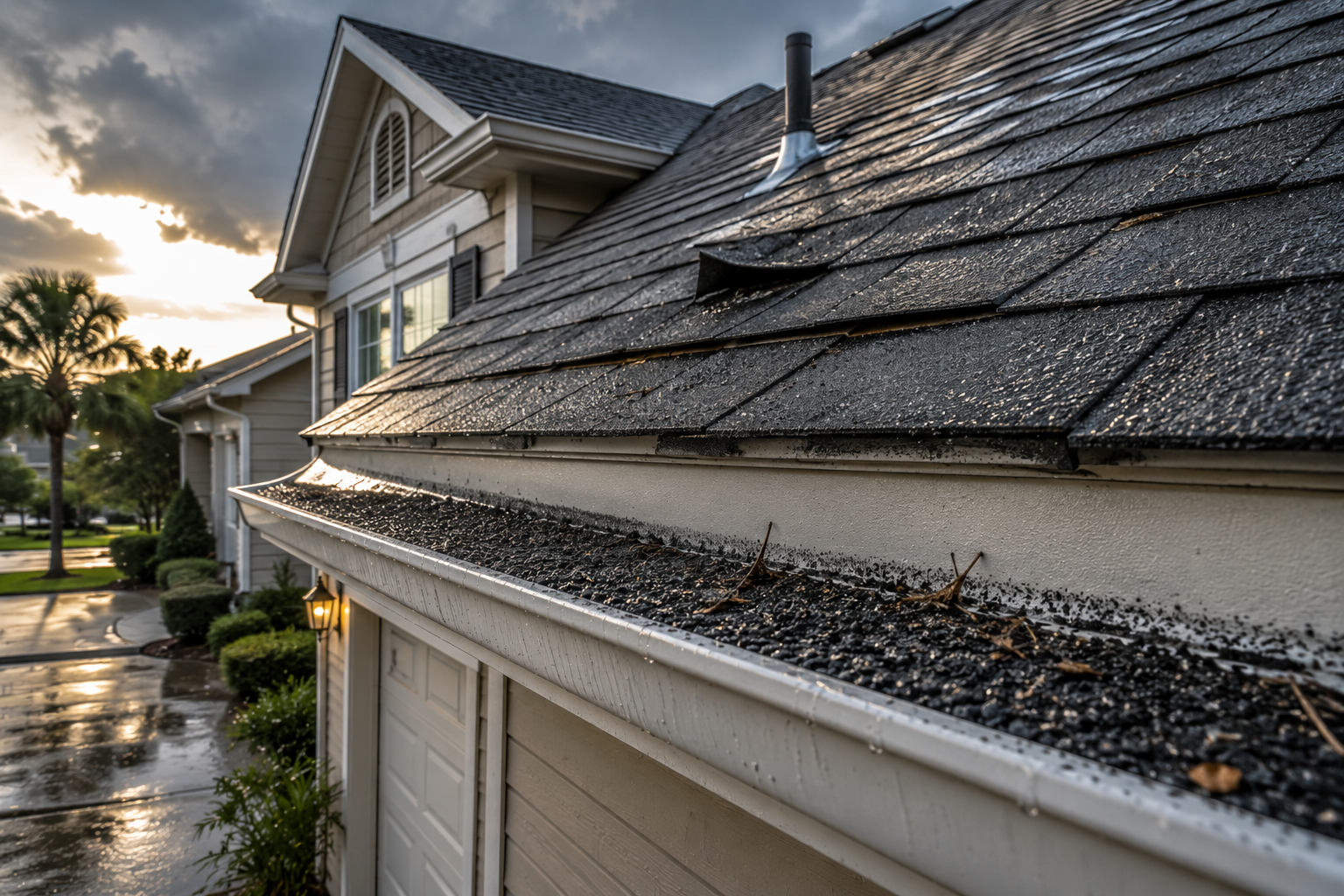 You can identify several meaningful warning signs without ever setting foot on your roof. Here’s a few places to start before seeking a professional roof inspection:
Your Gutters
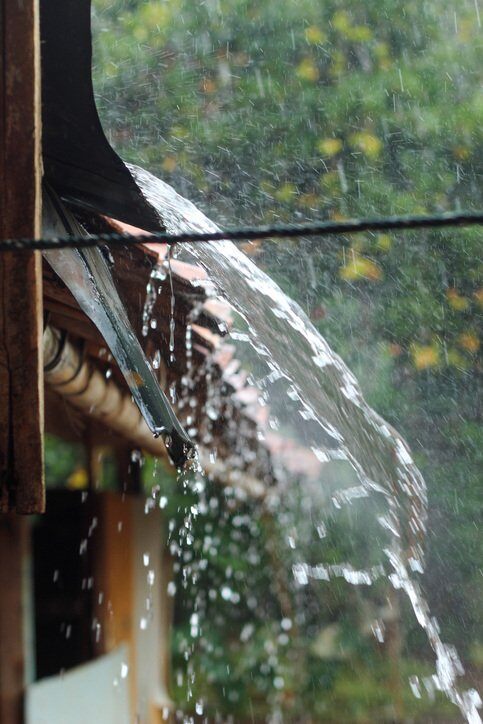
After a storm, check your gutters and downspout splash areas. Granules shed naturally over time, but a storm accelerates that process dramatically. If you see a notable buildup of gritty, dark debris in your gutters or piled around downspout exits, that's a sign your shingles took a hit.
Your Attic
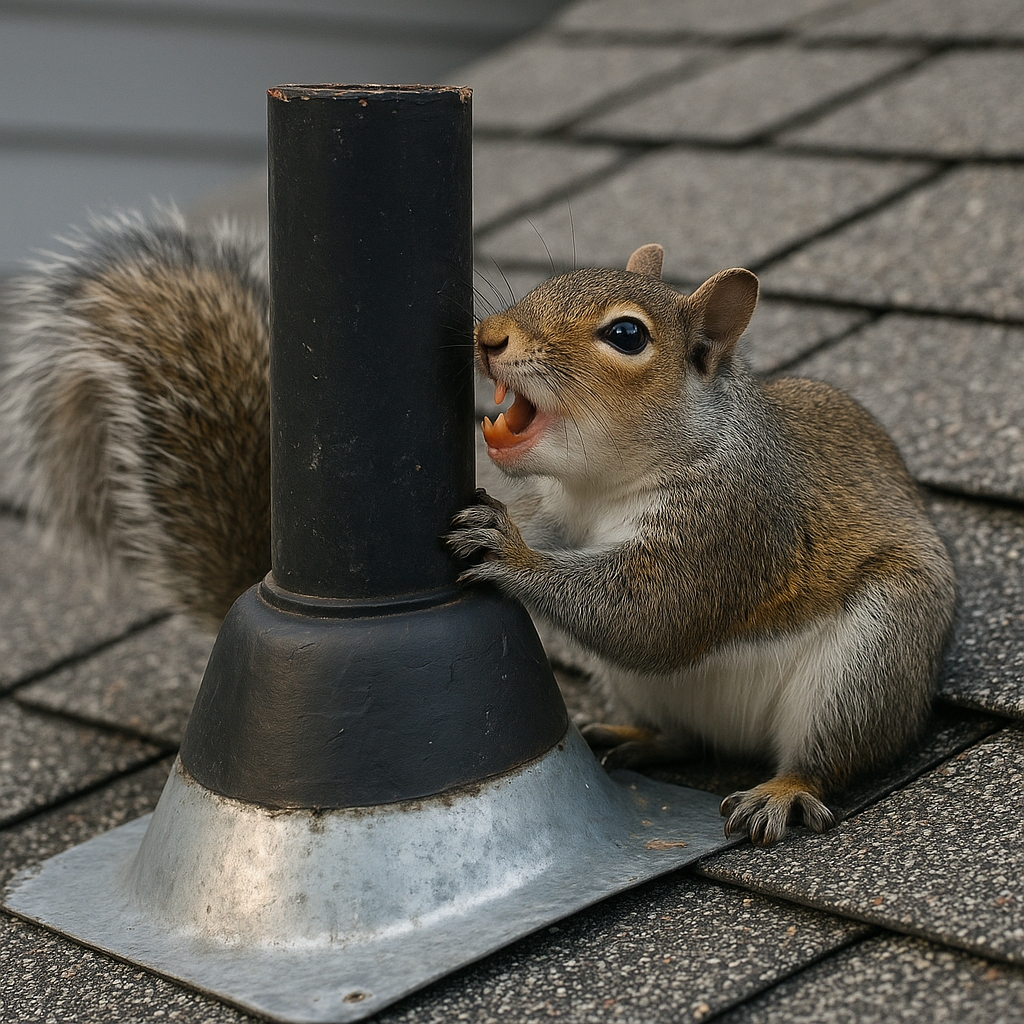
Head up to your attic on a sunny day and turn off any lights. Look at the roof decking from below. If you see pinpoints of daylight coming through, that's a problem. It means there are gaps in your shingles, flashing, or decking that water and pests can enter through.
Also look for dark staining or streaks on the wood, soft or spongy spots when you press the decking, and any insulation that appears wet or compressed in patches.
Water Stains on Ceilings and Walls
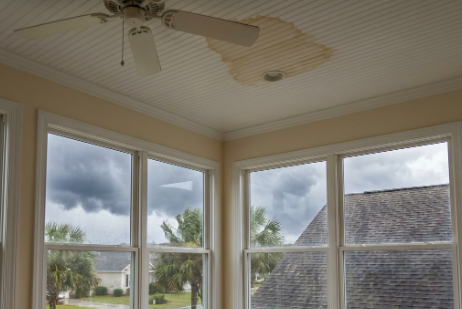
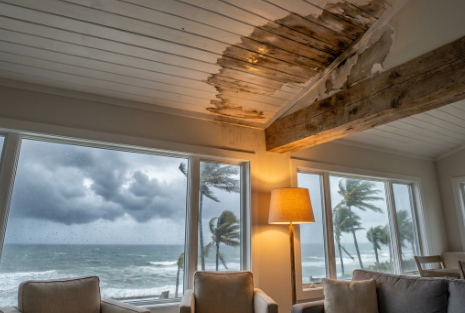
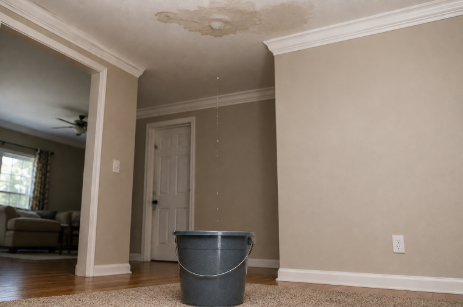
A brown ring on your ceiling or a damp patch on an interior wall isn't something to repaint and ignore. It means water reached that point from somewhere above. The source may not be directly overhead because water travels along roof sheathing and framing before it drops, so the stain might appear several feet from the actual entry point.
Your Shingles, Valleys, and Flashing
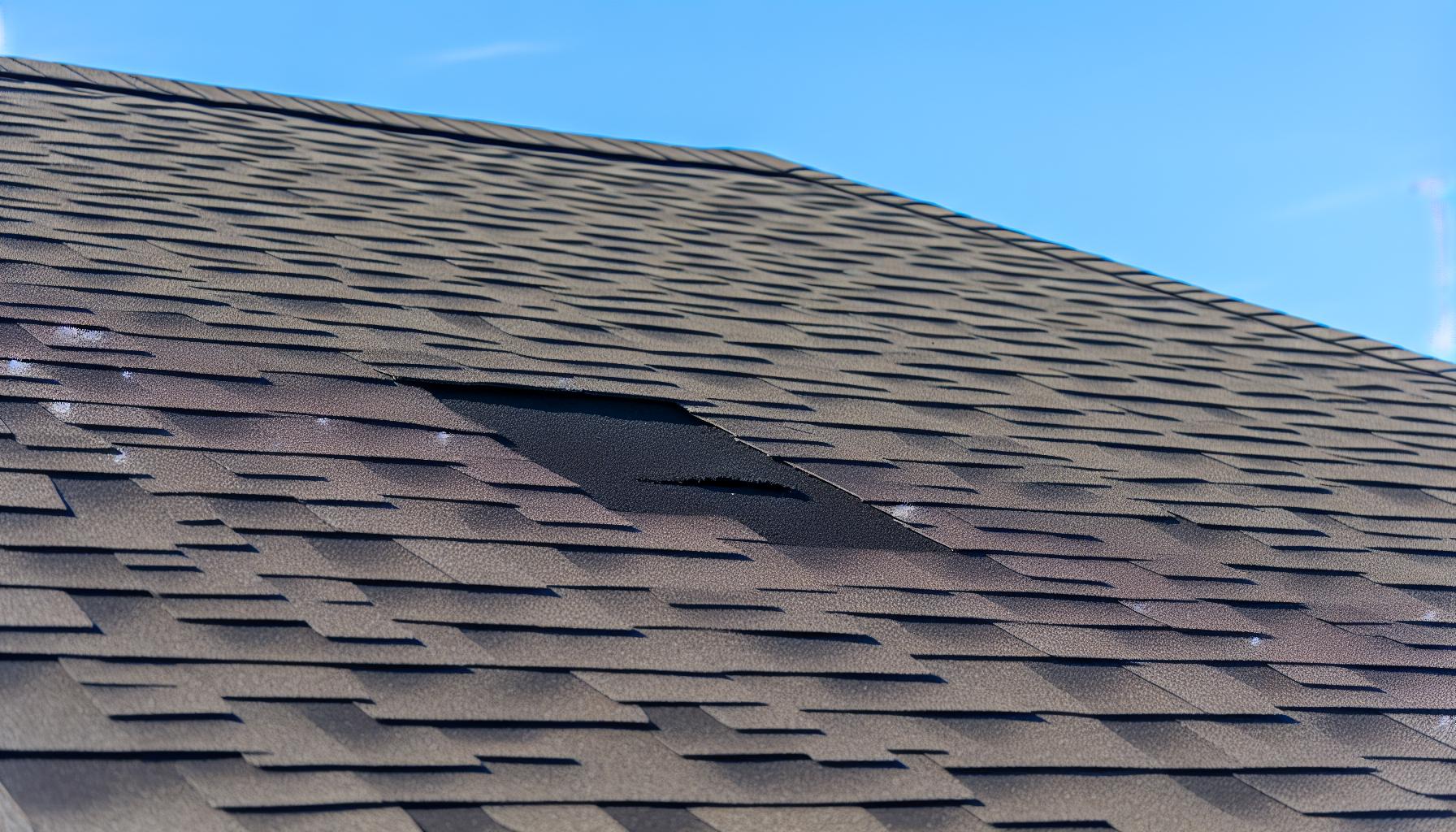
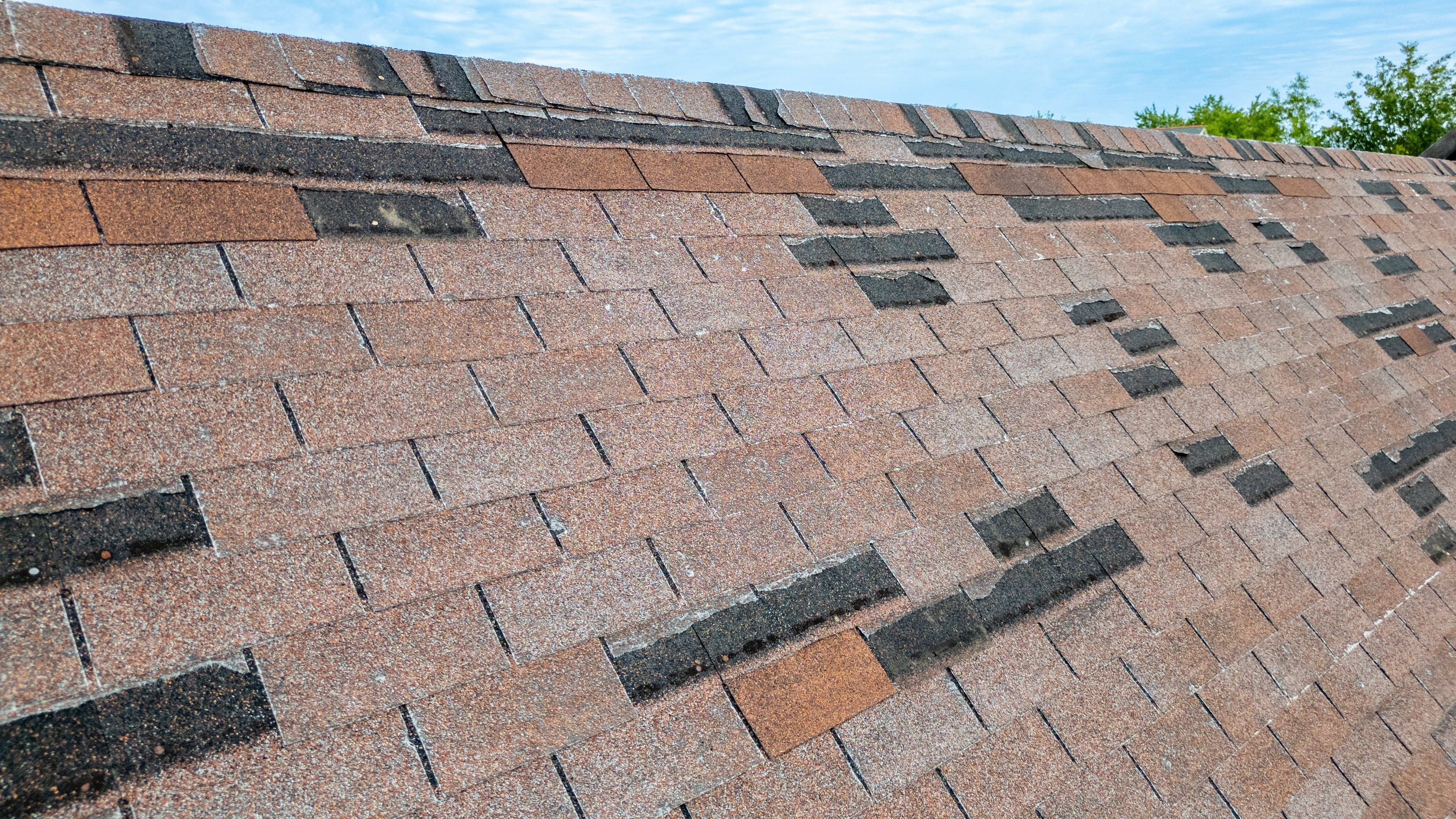
You don't need to be on the roof to get a decent look at shingle condition. Use binoculars or zoom in with a phone camera from the ground. Focus on three areas:
- Valleys: the V-shaped channels where two roof planes meet. These carry heavy water flow during rain and are prone to wind-lifted shingles and flashing separation.
- Ridge and hip lines: elevated sections where shingles can become lifted or cracked.
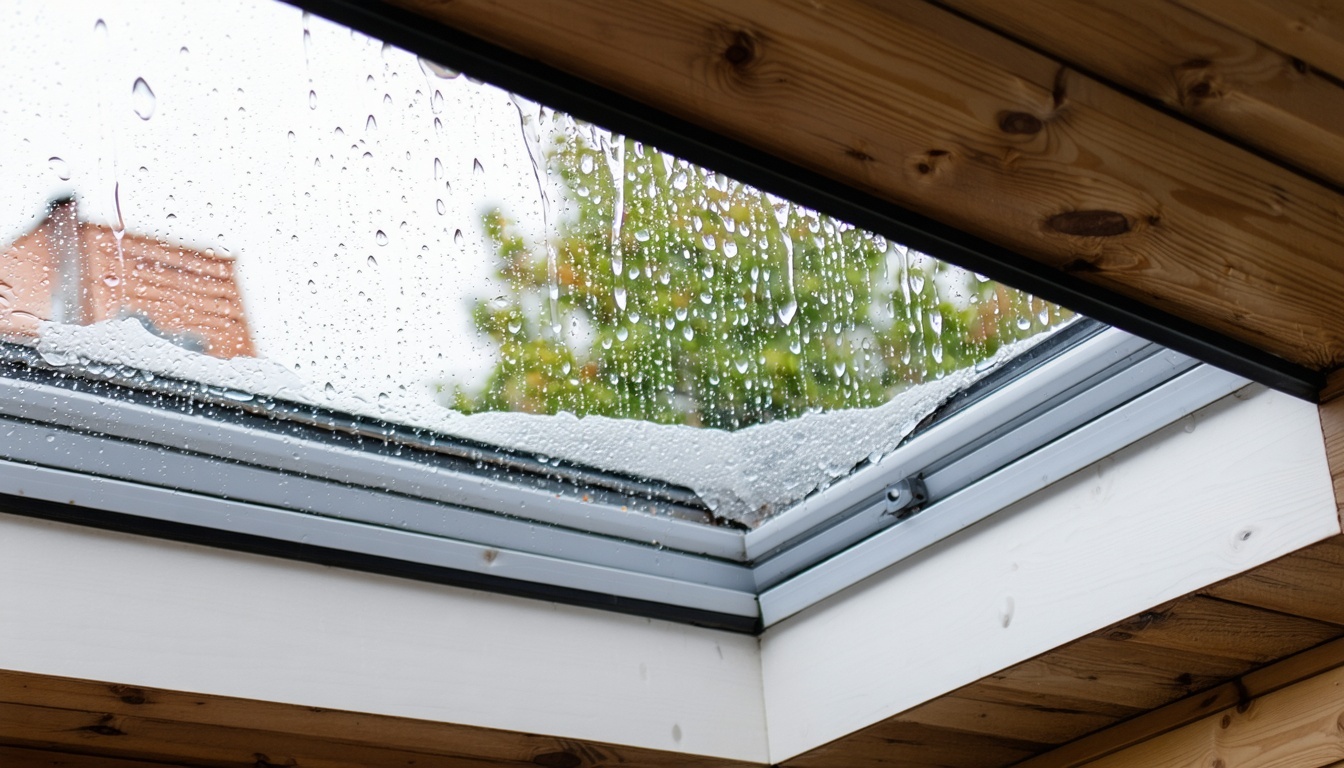
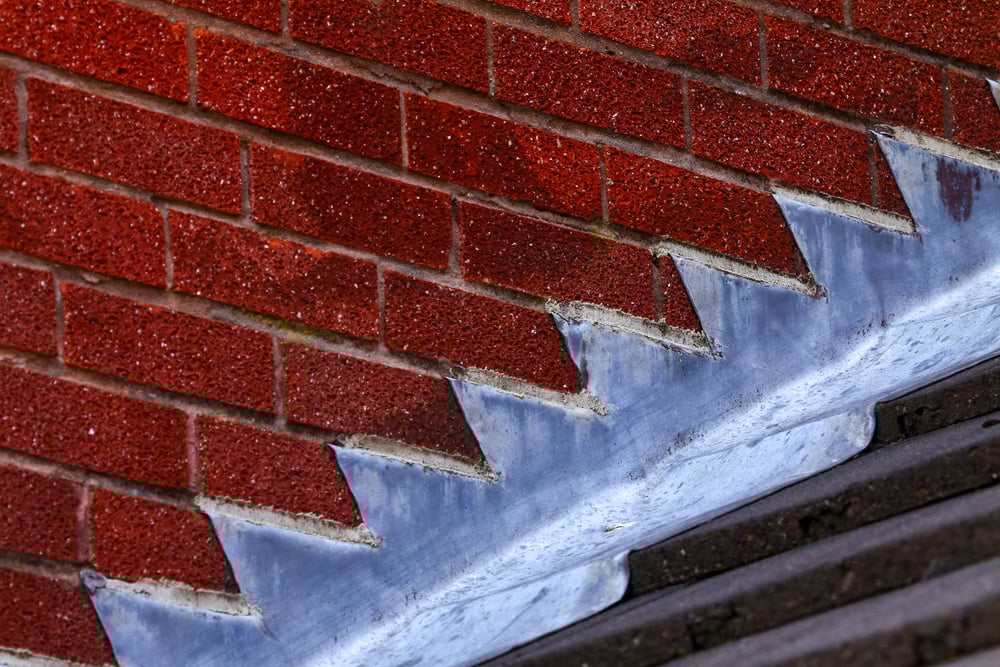
- Flashing around chimneys, skylights, vents, and dormers: these metal pieces seal the joints between roofing materials and structures, and they're frequently the first to fail after storm stress.
If anything looks out of place, raised, or discolored, it's worth a closer look by a professional.
What Are the Signs Specific to the Myrtle Beach Coastal Climate?
Homeowners along the Grand Strand deal with a set of challenges that inland areas don't. Salt air accelerates corrosion on metal flashing. High humidity year-round makes any small roof penetration a fast track to mold. And the frequency of named storms means your roof absorbs cumulative stress across multiple seasons. A few region-specific things to watch for:
- Rust staining running down from flashing or ridge vents. This is accelerated corrosion from salt air and usually means the metal needs to be replaced, not just sealed.
- Lifted or cupped shingles along the rakes (the edges on sloped sides of your roof). Wind uplift from coastal storms is concentrated at edges and corners.
- Dark streaking or algae growth appearing suddenly after storm moisture.
- Fascia board softness or paint peeling at the roofline. This often means water is getting under shingles at the edge and running behind the drip edge before it reaches the gutter.
How Do You Find a Trustworthy Roofer After a Storm?
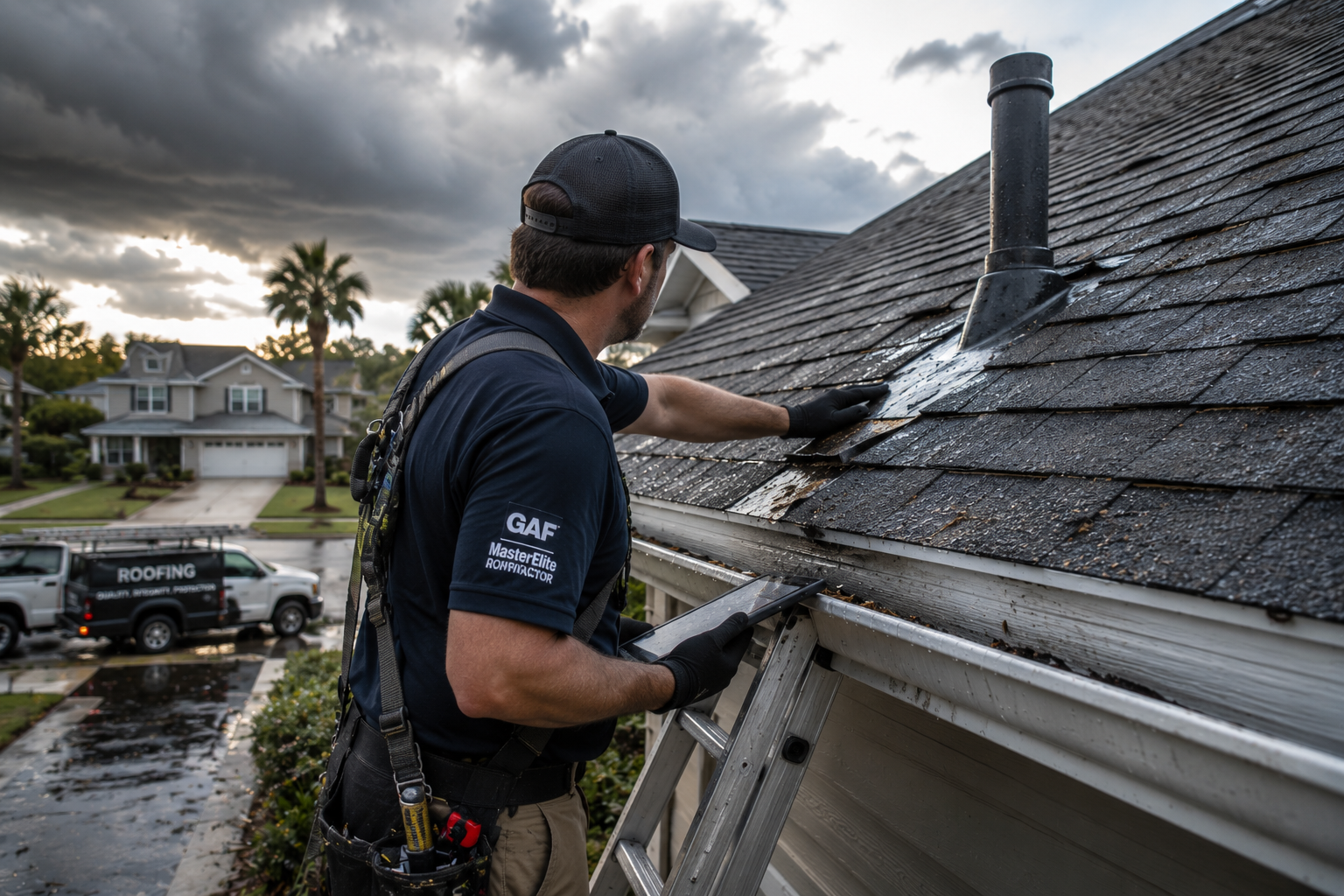 Storm chasers are a real problem in the roofing industry. After a major weather event, contractors from out of state flood coastal markets, knock on doors, and pressure homeowners into signing contracts before they've had time to think.
Here's what to look for when vetting a roofer post-storm:
- They are licensed and insured in South Carolina. SC requires a residential specialty license or a general contractor's license for roofing work
- They have a local, verifiable address and a track record in your area
- They hold manufacturer credentials like GAF Master Elite and IKO ROOFPRO Craftsman Premier, which require ongoing training, proven workmanship, and customer satisfaction standards
- They don't ask you to sign an Assignment of Benefits (AOB) form because this transfers your insurance rights to the contractor and often leads to disputes
- They provide a detailed written estimate, not just a verbal quote
Ready to Have Your Roof Inspected?
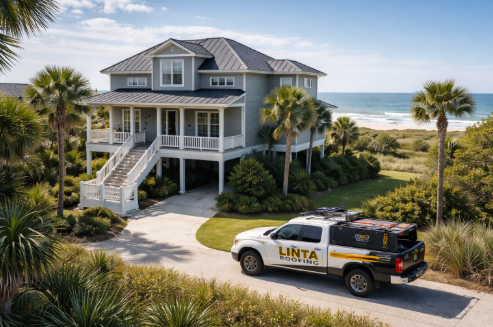
Linta Roofing, certified with GAF Master Elite and IKO ROOFPRO Craftsman Premier credentials, has operated continuously in the Grand Strand since 1948.
Every Linta Roofing install is inspected by a quality control manager and separately reviewed by the production manager, so each job passes two sets of eyes before sign-off. The work is documented in CompanyCam, often more than 300 photos on a single job, and the homeowner is sent live photos and video as the work happens. The owner puts it simply: proof is greater than a promise.
If your home was in the path of a recent storm and you haven't had a professional inspection, it's important to schedule one especially before you contact your insurer. Linta Roofing offers post-storm inspections for Myrtle Beach area homeowners. Schedule your inspection with Linta Roofing today.
That same transparency carries over to pricing: Linta Roofing publishes what a roof costs on its website, so you can see the price before you ever speak to a salesperson.
Frequently Asked Questions
How soon after a storm should I have my roof inspected?
As soon as practically possible, ideally within a few days of the storm. Most insurance policies have a one-year window from the storm date to file a claim, but documentation is much stronger when damage is fresh and unaffected by subsequent weather.
Can I inspect my own roof after a storm?
You can do a ground-level and attic check yourself, and that's actually encouraged as a first step. However, walking on a potentially damaged roof is dangerous, and many damage signs require a trained eye to identify. A professional inspection adds the documentation you'll need if you file a claim.
Does every storm cause roof damage?
No. Routine coastal rain squalls typically don't cause meaningful damage to a roof in good condition. Storms with sustained winds above 50 mph, hail of any size, or tropical systems carry enough force to cause damage, even when the roof looks intact from the street afterward.
What is GAF Master Elite certification and why does it matter?
GAF is the largest roofing manufacturer in North America, and their Master Elite program is awarded to fewer than 3% of roofing contractors. It requires ongoing training, verified workmanship standards, and a strong customer satisfaction record. It also allows contractors to offer enhanced warranties
that standard contractors can't provide.
What if the damage isn't bad enough to file a claim?
If the repair cost is below your deductible, filing a claim may not make financial sense. In that case, it still makes sense to document the damage with photos and have it repaired promptly to prevent a small problem from becoming a large one.
Topics: