.png?width=200&height=78&name=LR_Logo_vector_horizontal_color_shadow%20(1).png)

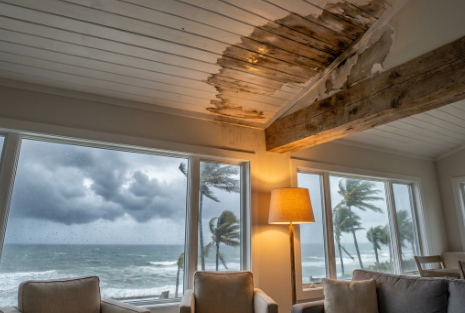
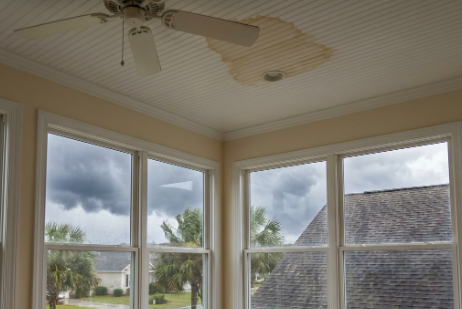
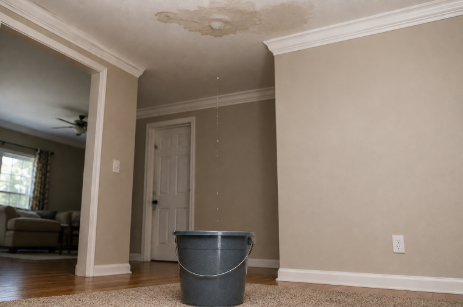
A water stain on the ceiling after a storm isn't just a cosmetic issue, it's a signal that water got in somewhere, and in coastal SC and NC, tracking down exactly where is rarely straightforward. Salt air corrodes roofing materials faster than most homeowners expect, wind-driven rain finds gaps that calm-weather rain never reaches, and post-storm humidity keeps everything from drying the way it would inland. That single brown ring on your ceiling could reflect one problem or three happening at once.
Most ceiling stains after a coastal storm point to active or recent water intrusion that needs to be located and sealed, not painted over.
Getting a fast response after the storm matters as much as diagnosing the stain correctly: Linta Roofing answers roof emergencies 24/7. Emergency response, the insurance claim and the permanent repair are all handled by Linta, and the damage assessment is free.
Table of Contents
- What Storm Entry Points Actually Cause Ceiling Stains
- Attic Moisture vs. True Roof Leak: How to Tell the Difference
- How to Read a Ceiling Stain by Color and Texture
- Next Steps After Wind-Driven Rain
- What Documentation You Need If a Claim Follows
What Storm Entry Points Actually Cause Ceiling Stains
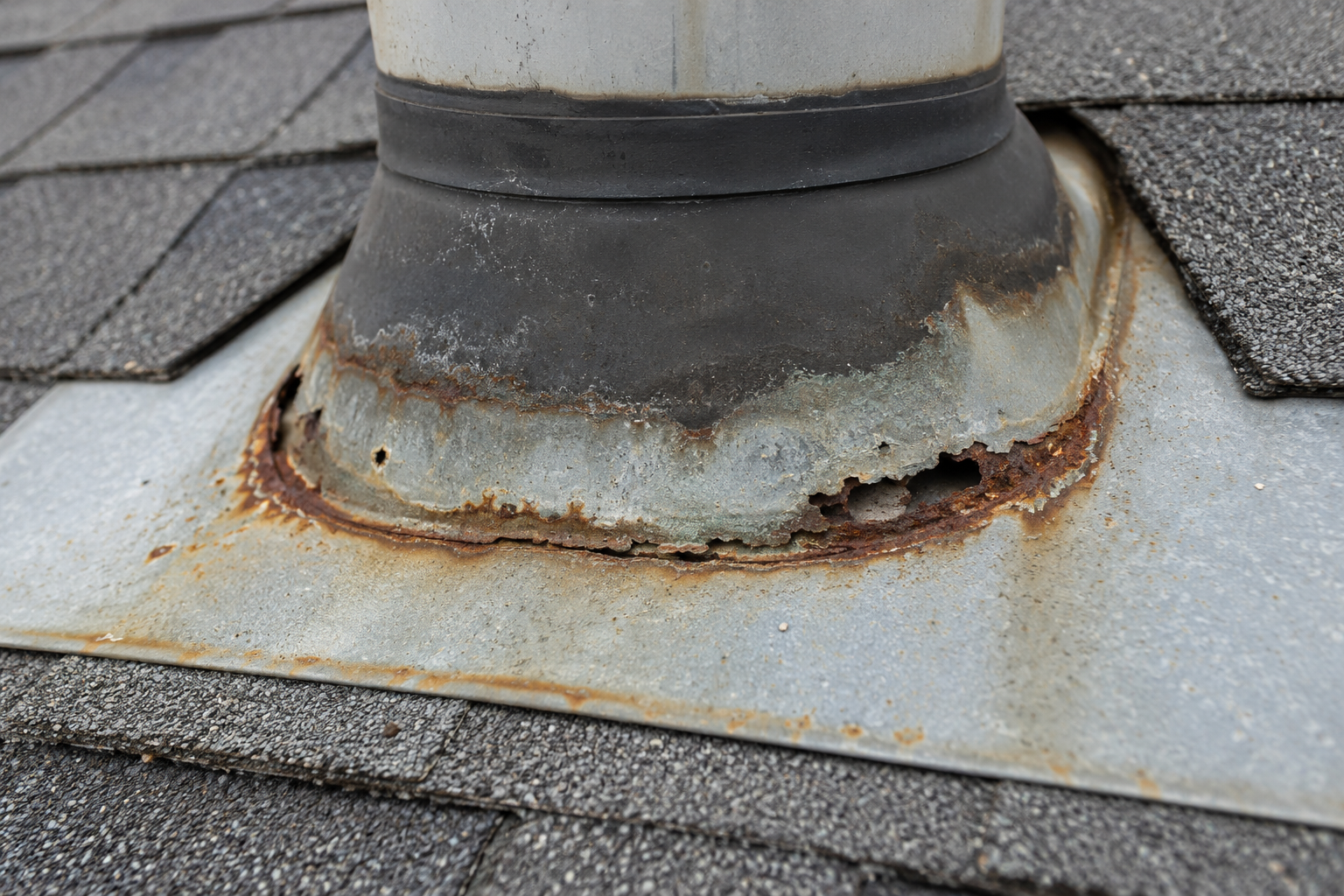
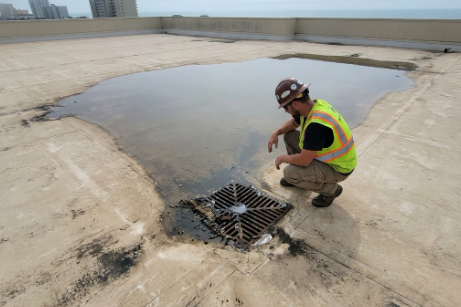
Under actual storm conditions along the Grand Strand coast, two or three entry points are often active at the same time, which is why patching one spot can still leave you with a leak.
The most common culprits:
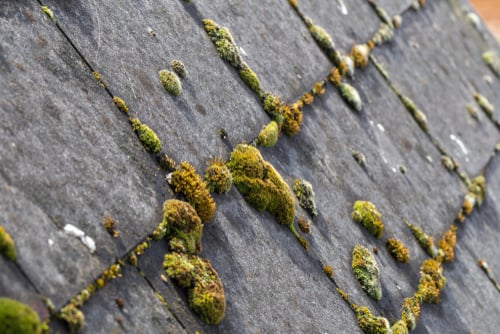
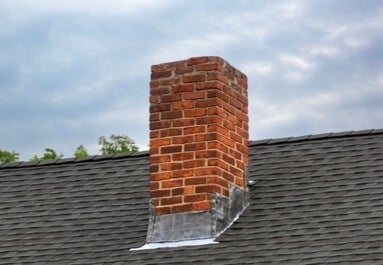
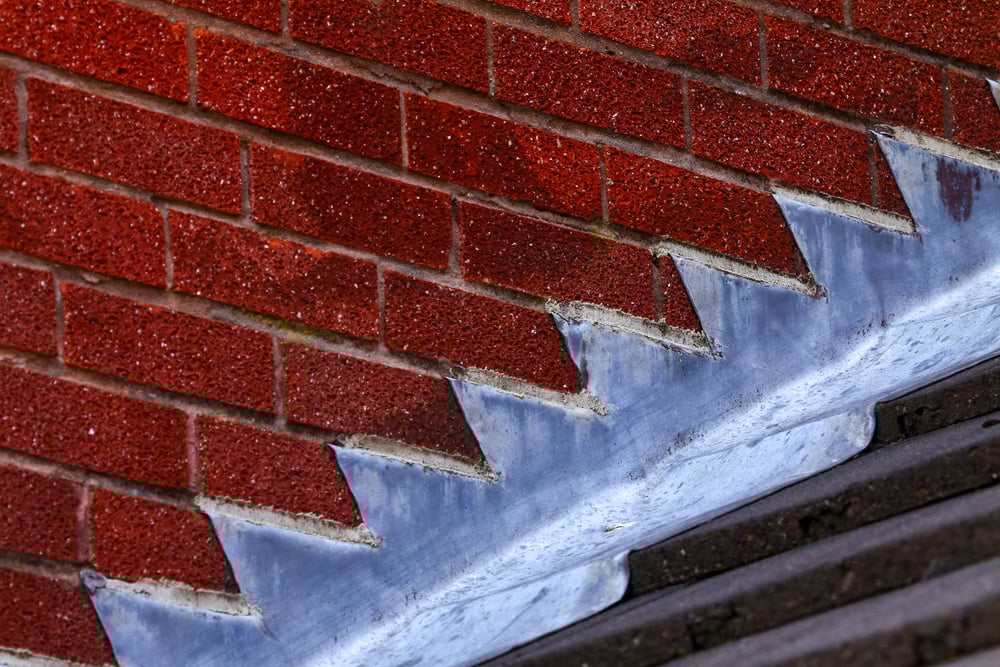
- Roof flashing around chimneys, skylights, and pipe boots. Salt air corrodes metal flashing faster than in inland areas. The storm doesn't create the failure; it exposes what the salt air already weakened.
- The rake edge, the angled trim running along the sides of your roof. Coastal storms push rain horizontally, and that angle exploits any gap in the drip edge installation.
- Roof underlayment. Even when the shingles above it look intact, the underlayment layer beneath them breaks down first. It's rarely visible without pulling material back, which is why it fails quietly for so long.
The most common version of this scenario: a homeowner paints over a light-brown ring after one storm, skips the roof repair, and ends up with a soft ceiling two hurricanes later.
Attic Moisture vs. True Roof Leak: How to Tell the Difference
Not every ceiling stain traces back to a breach in the roof surface. In tightly insulated coastal homes, condensation and trapped attic moisture can produce staining that looks identical to an active leak from the outside.
Here's how to separate the two. A true roof leak almost always correlates with a specific storm event, the stain appears or darkens shortly after rain. Attic moisture issues tend to produce staining slowly over time, often in patterns that spread across a broader area rather than concentrating around one point.
Get into the attic within 24 hours of noticing a stain. Look for:
- Wet or matted insulation directly above the stain
- Dark streaking or discoloration on the roof deck boards
- Daylight showing through any gap in the decking
If the deck is dry and the insulation shows no signs of recent moisture, the stain may be from condensation building up over time, a ventilation problem, not a leak, but it's still worth reviewing a seasonal roof maintenance checklist to catch what might have been missed. That still needs to be addressed, but the fix is different. If the deck is wet, you have an active entry point and the clock is running.
How to Read a Ceiling Stain by Color and Texture
Color and edge definition tell you a lot about what you're dealing with before anyone sets foot on the roof.
A pale yellow or light-brown stain with soft, faded edges usually means old, dried moisture, worth investigating but not an immediate emergency. A dark brown ring with crisp, defined edges almost always means the moisture is still active. Gray or black discoloration at the stain's edges means mold is already establishing, and that changes both the urgency and the scope of the repair, often to the point where storm damage restoration is the right path forward. White chalky residue points to slow, ongoing seepage rather than a single storm event, one of the most common types of roof damage that gets misread as minor.
If the stain is still damp two or three days after the storm ended, the water source hasn't closed. Coastal humidity won't let it dry out naturally when the entry point is still open.
Next Steps After Wind-Driven Rain
Move quickly, but don't climb on the roof yourself, especially while anything is still wet. Here's what you can do from inside and from the ground.
If the ceiling feels soft or is visibly bulging, carefully puncture it from the side with a screwdriver to release the pooled water in a controlled way, and if the damage is widespread, it may be time to look at roof replacement options. A ceiling that comes down on its own is the worse outcome.
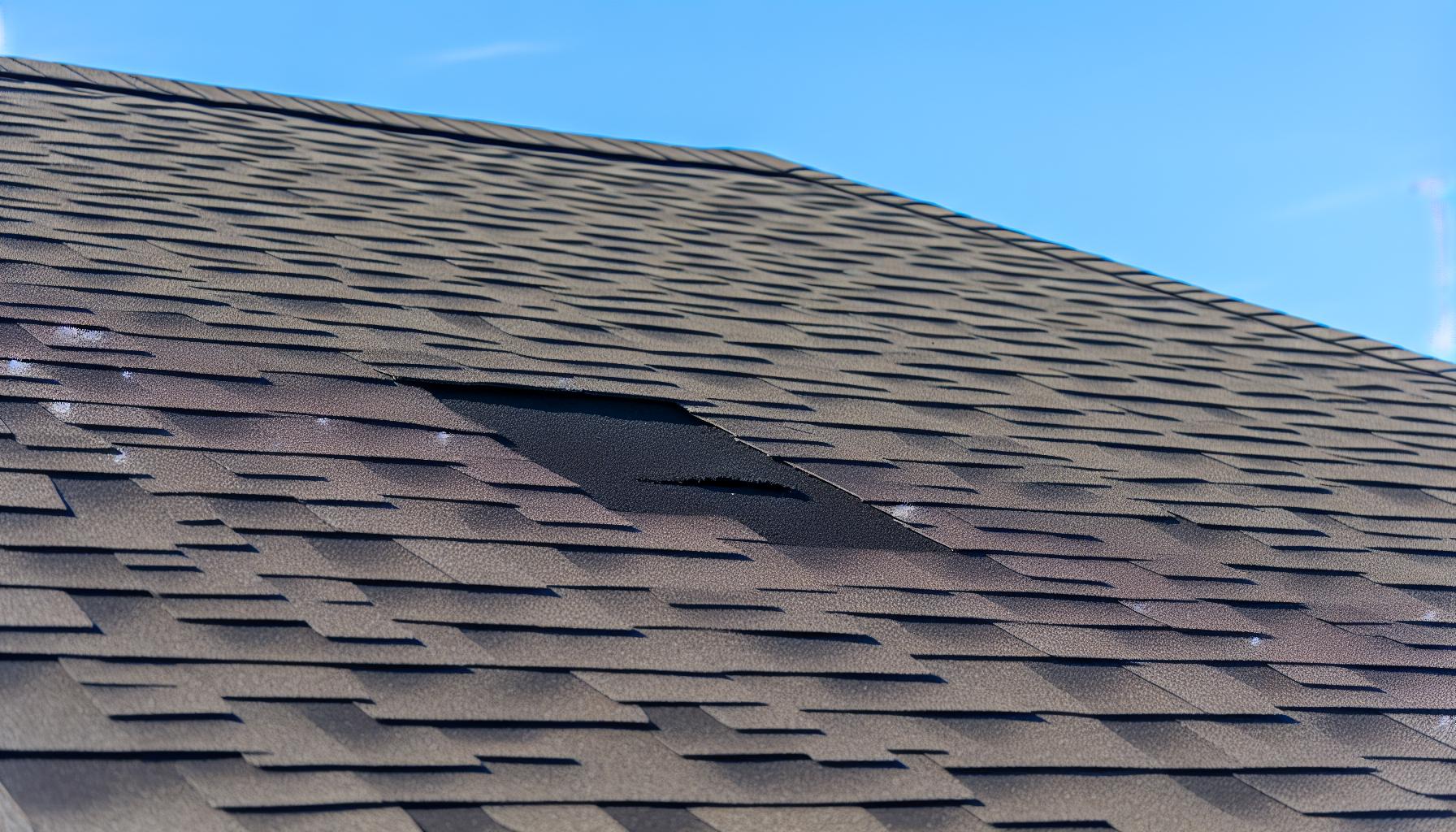
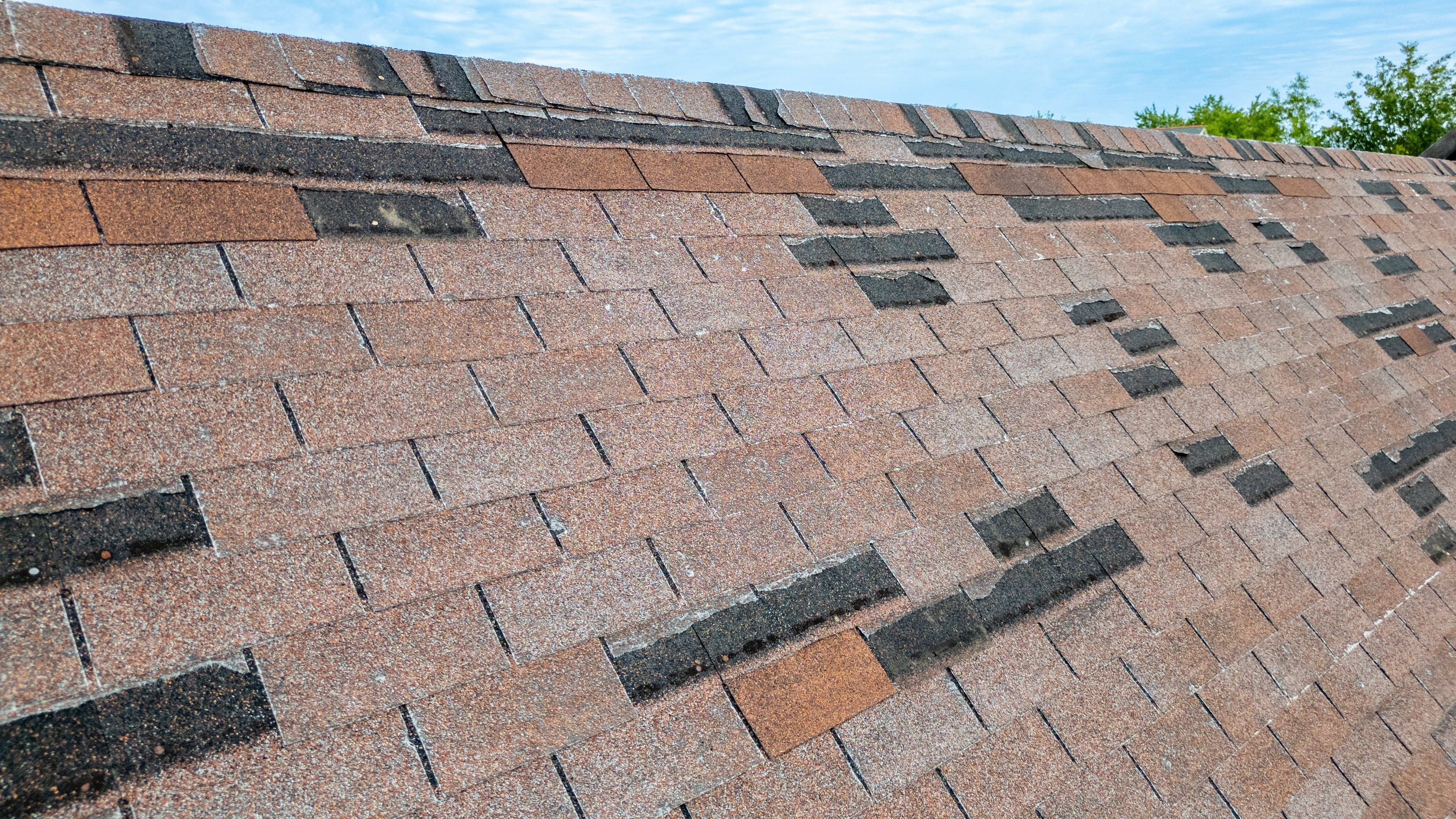
From the ground outside, scan the roofline directly above the stain, knowing the clear signs it's time for a new roof can help you assess what you're looking at. Missing shingles, lifted flashing, and debris impact marks are often visible without getting on the roof. If you have safe attic access, check above the stain before calling anyone, the photos you take up there will be useful regardless of whether insurance gets involved.
A few practical things that are easy to skip but matter:
- Document everything with timestamped photos before any cleanup or temporary patching
- Note how long the stain has been visible and whether it changed size after the storm
- If you use a tarp or temporary patch, photograph the damage first so you're not covering the evidence
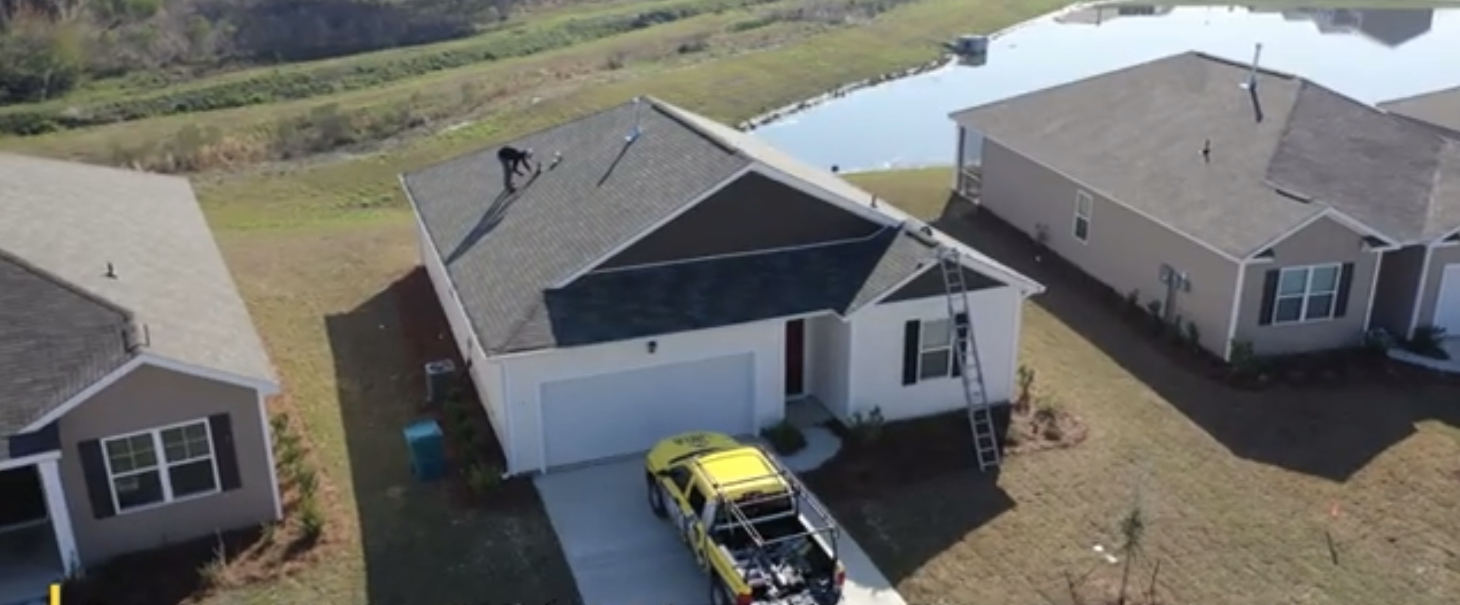
Linta Roofing's team handles 24/7 emergency response across Horry, Georgetown, Brunswick, and Columbus counties, and responds quickly after major storm events when local crews get stretched thin, with financing options available for qualifying repairs.
What Documentation You Need If a Claim Follows
Storm damage claims in coastal SC and NC get complicated fast. Adjusters work from documentation, and gaps in the record often translate to denied or reduced payouts.
At minimum, you need timestamped photos of the ceiling stain, the attic above it, and any visible exterior damage. A written log of when the stain first appeared and how it changed is more useful than most homeowners expect.
Where claims fall short is at the roof level. An adjuster working from ground-level photos may miss flashing failure or underlayment damage entirely. Contractors trained to HAAG forensic engineering standards can document damage in a format that holds up under adjuster review, see our roofing FAQs if you're unsure what to expect from that process.
Many policies in coastal SC and NC also include code-upgrade coverage triggered by storm repairs. That coverage gets left on the table regularly because no one flagged it before the scope of work was finalized. Ask about it early.
Storm damage claims in coastal SC and NC get complicated fast, adjusters work from documentation, and gaps in the record often translate to denied or reduced payouts. What you capture in the first 24 to 48 hours sets the ceiling on what you can recover.
At minimum, you need timestamped photos of the ceiling stain, the attic above it, and any visible exterior damage, the kind of thorough documentation that also supports a roofing warranty claim if materials were involved. A written log of when the stain first appeared and how it changed is more useful than most homeowners expect.
Where a lot of claims fall short is in the roof-level documentation. An adjuster working from ground-level photos of missing shingles may miss flashing failure or underlayment damage entirely. Roofing contractors trained to HAAG forensic engineering standards, the same standard insurance companies use for their own inspectors, can document damage in a format that holds up under adjuster review; see our roofing FAQs if you're unsure what to expect from that process. That's a meaningful difference when your claim involves multiple entry points or hidden deck damage.
Many homeowner policies in coastal SC and NC also include coverage for code-upgrade requirements triggered by storm repairs, a detail that often comes up during gutter installation and drainage work tied to the same claim. That coverage gets left on the table regularly because the contractor didn't flag it, the same way gutters protecting the roof often get overlooked until a claim is already in progress. Ask about it before the scope of work is finalized.
The stain is evidence of something that got in, and the most important thing you can do in the next 24 hours is document it and get eyes in the attic before the next storm makes the problem larger than the first one.
Frequently Asked Questions
How do I determine if my ceiling stain is from a roof leak, plumbing, or condensation?
Get into the attic within 24 hours of noticing the stain and check for wet or matted insulation, dark streaking on the roof deck boards, or any daylight showing through gaps in the decking. If the deck is dry and shows no recent moisture, you're likely dealing with a condensation or ventilation issue rather than a breach in the roof surface. Plumbing leaks typically produce staining directly below a pipe run and aren't tied to storm events.
Can I just paint over a water stain on the ceiling?
Painting over a ceiling water stain without fixing the source is one of the most common ways a minor problem turns into a major one. The stain will bleed back through paint, and more importantly, the entry point stays open for the next storm. Two hurricanes later, you're dealing with a soft ceiling instead of a simple flashing repair.
Can even a small ceiling stain indicate a larger problem?
Yes. A small stain on the ceiling surface can represent a much larger area of wet insulation, degraded underlayment, or compromised roof deck above it, none of which are visible without getting into the attic. White chalky residue or a crisp dark-brown ring, in particular, often signals ongoing seepage that has been active far longer than the stain suggests.
How quickly can mold grow after storm-related water damage?
Mold can begin establishing within 24 to 48 hours in warm, humid coastal conditions like those in SC and NC. Gray or black discoloration at the edges of a ceiling stain is a sign it's already present, and at that point the scope of the repair expands considerably beyond just patching a leak. Coastal humidity keeps materials damp far longer than in inland areas, which accelerates the timeline.
Will homeowner's insurance cover water stain damage from a roof leak after a storm?
Most homeowner's policies in coastal SC and NC cover storm-related roof leaks, but the claim outcome depends heavily on documentation captured in the first 24 to 48 hours. Timestamped photos of the ceiling stain, attic conditions, and exterior damage are the minimum, gaps in the record are one of the most common reasons claims get denied or reduced. Some policies also include code-upgrade coverage triggered by storm repairs, which often goes unclaimed because it wasn't flagged before the scope of work was finalized.
Can wind damage a roof without causing an immediate leak?
Absolutely. Wind can lift flashing, crack sealant around pipe boots, or shift shingles just enough to compromise the underlayment without producing any visible leak until the next rain event. Along the SC and NC coast, salt air corrosion means those small compromises can progress to a full entry point faster than they would on an inland roof.
Topics: