.png?width=200&height=78&name=LR_Logo_vector_horizontal_color_shadow%20(1).png)

Are you noticing dark streaks running down your roof?
Do you hate coming home to a dirty looking roof?
That, my friend, might be algae on your roof. And while in most cases algae on your roof is harmless, it can be unsettling to look at. Which just might be why you’re looking to get rid of it.
Over the last 40+ years, we’ve heard Myrtle Beach homeowners' complaints about algae on their roof. Not just that, but homeowners can find themselves convinced they need a roof replacement (when they don’t).
So, what can you do to remove algae from your roof?
Let’s break down how to tell if your roof has algae, the best way to clean it, and how to prevent its return!
Let’s talk about it.
Table of Contents
Do You Have Algae on Your Roof?
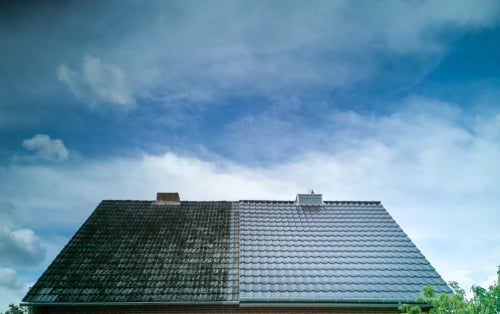
From a distance you may wonder if you have algae on your roof, or a roofing issue. Often roofing issues can’t be seen with the naked eye unless you’re missing shingles or find an active leak in your home. But algae is pretty visible.
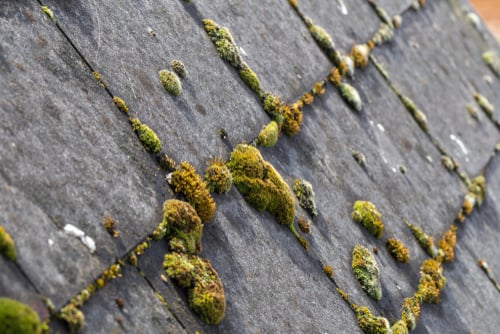
Algae growth on your roof can look like:
- Dark streaks or staining
- Black or dark green discoloration
These signs can be very obvious or subtle.


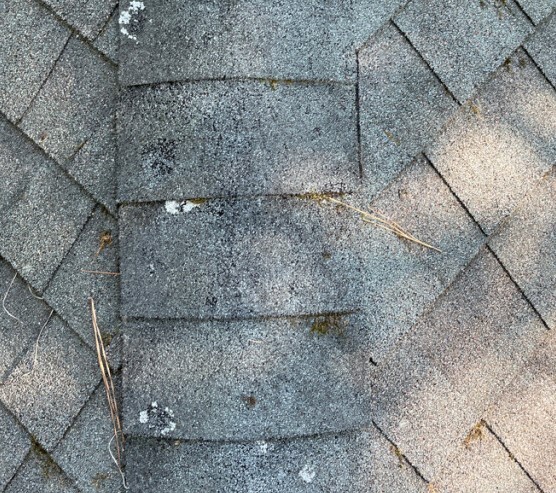
Usually, algae on your roof is not a danger to your home or your health. However, if it is left for a long period of time, it can shorten the lifespan of your roof shingles. So it’s important to remove it when you see it.
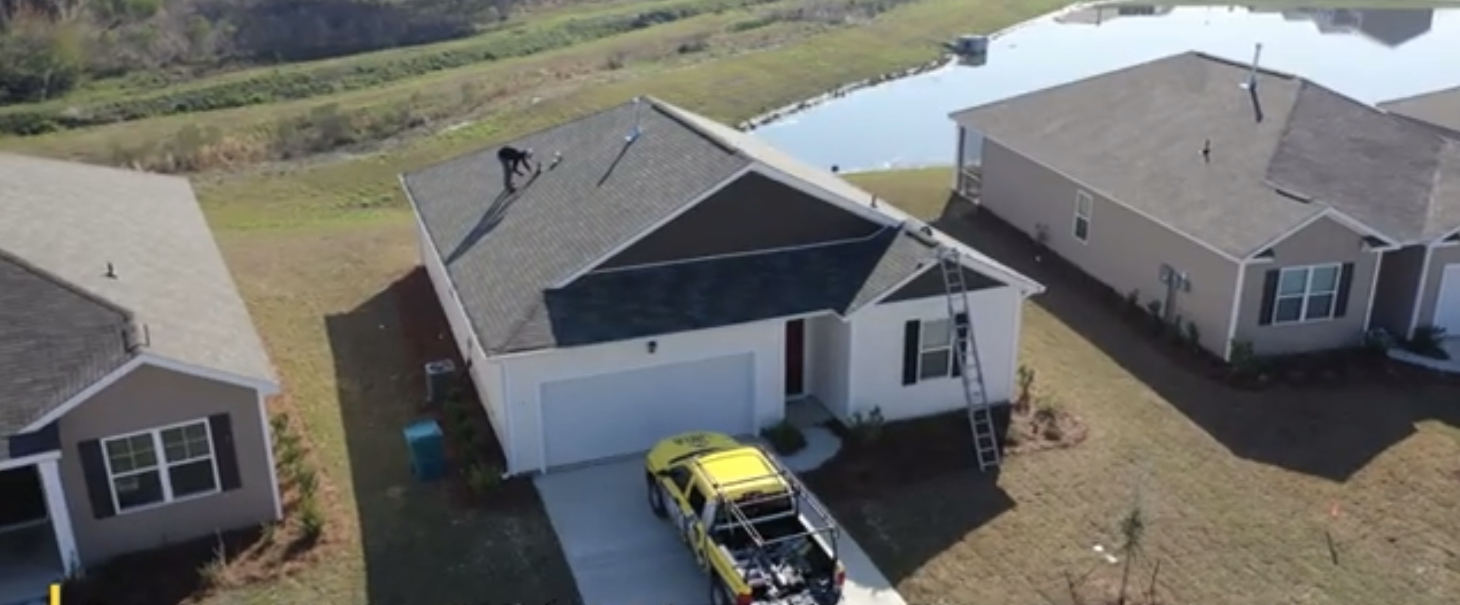
If your roof is over 15 years old, it may benefit you to have a roof inspection prior to cleaning it. An inspection will reveal any weak areas on your roof that could be damaged in the process of cleaning algae off of your roof.
We’re happy to come out and take a look at your roof to make sure it’s in good condition for a roof cleaning.

Why Does Algae Only Grow in Certain Areas of My Roof?
You may notice that algae only grows on parts of your roof. These areas are most notably:
- North-facing sections: These roof slopes are exposed to less sunlight, which can dry up leftover water on your roof from a rain storm. If water is left sitting on your roof shingles in the shade, it can be a perfect spot for algae to grow.
- Tree overhang: A combination of shade and organic debris from trees can promote the growth of algae on your roof.
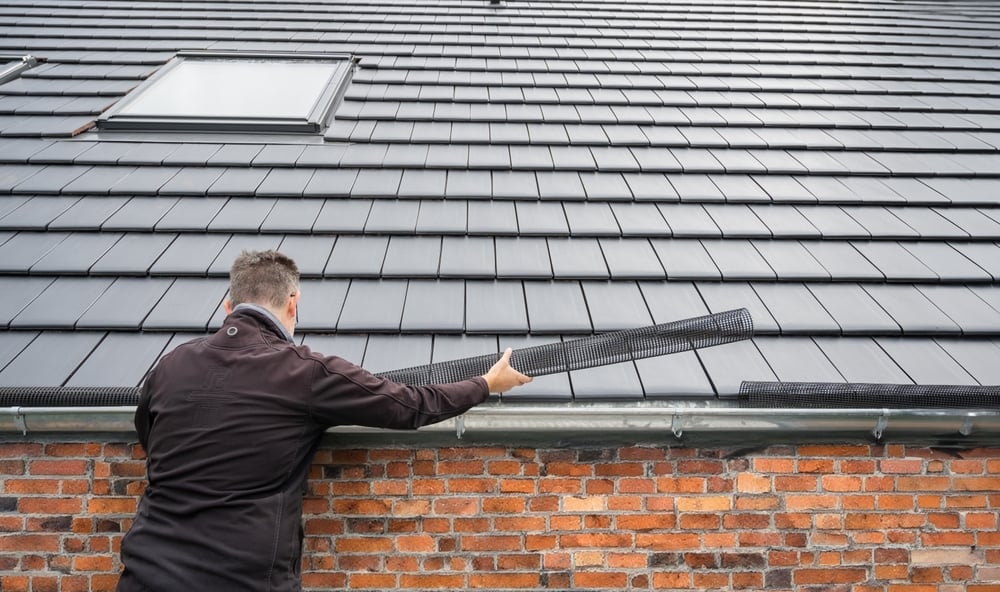
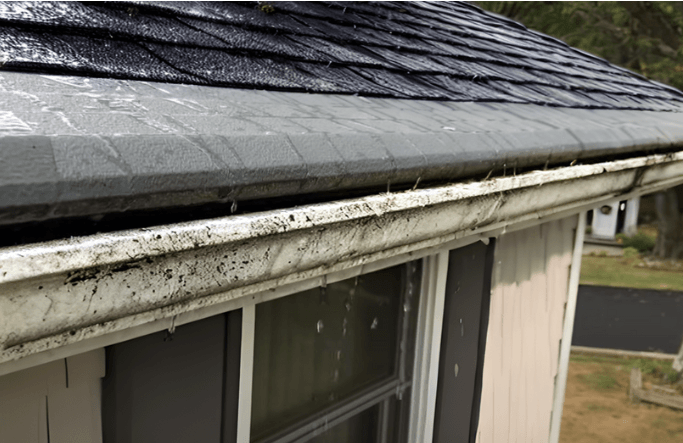
- Gutter issues: Overflowing or clogged gutters can keep roof edges damp for long periods of time. When your roof stays wet, it can cause both algae and roof leaks. So it’s important to make sure your gutters are maintained properly.
- Copper roof elements: Copper is often used on roofs for aesthetic appeal, but copper elements can also prevent algae growth. Copper ions are toxic to algae and inhibit its growth. Which is why you might see algae in some places, but not near areas where copper was installed.
How Do I Clean the Algae Off of My Roof Shingles?
Now that you know what the gunk on your roof is, it’s time to remove all of that algae from your roof. We recommend hiring a professional as it can be dangerous to clean your roof yourself without prior experience.
If you’re interested in hiring a professional to clean your roof, check out our article: How Much Does Roof Cleaning Cost in Myrtle Beach? to see how much a roof cleaning costs in Myrtle Beach.
However, if you feel confident about cleaning your roof yourself, here are a couple tips to make sure everything goes smoothly!
How to Clean Algae off of Your Roof: DIY
Depending on the type of homeowner you are, you may want to clean the algae off your shingles yourself. If that’s you, it’s important to use the right method to avoid permanent damage to your roof. And the most valuable piece of advice we can provide you is this:
Avoid pressure washing your roof to clean algae off of your shingles.
Shingles are designed to shed water, but they are not waterproof. If you spray upward on your shingles, you run the risk of detaching bond lines that keep it intact. Not only that, but the high pressure can also knock off protective granules on your shingles.
This can cause roof leaks by way of:
- Rusted Nails: There shouldn’t be visible nail heads on your roof without caulking. However, a pressure washer has the potential to get up underneath your shingles and saturate hidden nails with water. This can cause the nails to rust, and eventually become a roof leak.
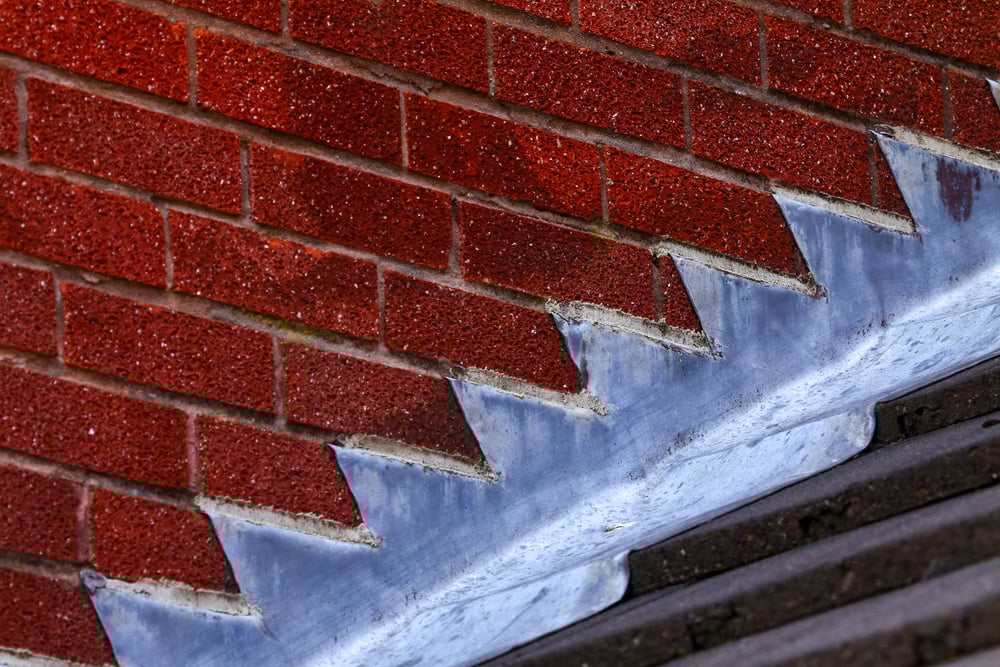
- Damaged Underlayment or Flashing: Underlayment and roof flashing may not be on your radar because they are hidden elements on your roof. Both underlayment and flashing are designed to keep water flowing down and off of your roof. If either of these elements are compromised, it can cause roof leaks into your home.
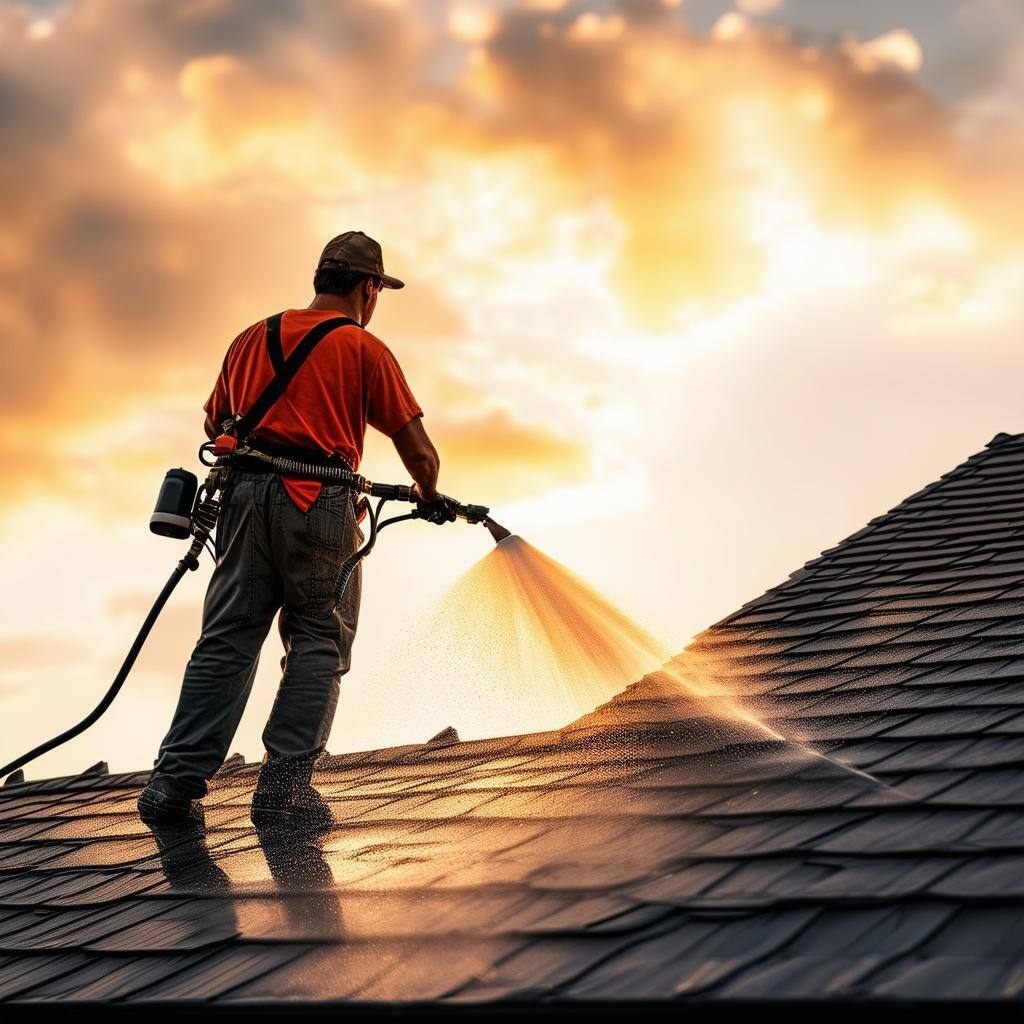
Instead, use a soft wash method. This involves spraying a gentle solution with low pressure to clean algae off of your roof shingles. It’s important to start this process at the top of your roof (otherwise known as the ridge of your roof). Using low pressure and good technique can be a great way to remove algae on your roof.
Safe Cleaning Solutions
- DIY mix: We've heard homeowners have success with a 1:1 blend of bleach and water, with a few drops of dish soap. Rinse thoroughly.
- Commercial cleaners: Look for non-corrosive, roof-safe products. Be sure to check reviews for these products before purchase.
- Avoid: Straight bleach, harsh chemicals, or anything not marked as “roof-safe.”
And as an additional tip, be sure to soak surrounding plants and rinse them afterward to avoid chemical burns.
What Factors Contribute to Algae Growth on My Roof?
- Roof age:
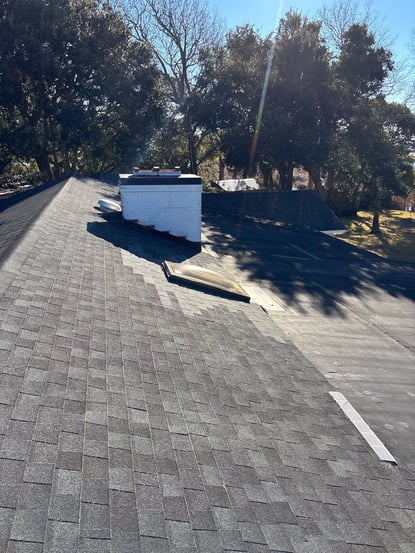 Older roofs are more susceptible to algae growth because the protective granules on shingles gradually wear down over time. As these granules erode, the asphalt layer beneath becomes exposed, providing a rough, porous surface that retains moisture and organic material. This gives algae a foothold to colonize and spread. In Myrtle Beach’s damp climate, roofs over 10–15 years old often show noticeable streaking if they haven’t been cleaned or treated.
 - Pitch/steepness: The pitch, or steepness, of a roof directly affects how water and debris are shed after rain or morning dew. Roofs with a lower slope tend to hold onto moisture for longer periods, creating an environment where algae and moss can thrive. These areas remain damp, especially if shaded or north-facing, allowing spores to take root. Steeper roofs, on the other hand, dry more quickly and are naturally better at discouraging algae growth because rainwater and debris slide off faster. However, even steep roofs in coastal areas can experience algae buildup if they are surrounded by trees or receive limited direct sunlight.
- Type of shingles: The type of shingles used on a roof plays a major role in how susceptible it is to algae growth. Asphalt shingles are most prone because they often contain limestone filler, which provides a nutrient source for algae. Over time, this material traps moisture and encourages growth, especially in coastal humidity. Architectural shingles are somewhat more resistant, particularly those manufactured with algae-fighting copper or zinc granules, but no material is completely immune. Metal roofs, by contrast, resist algae growth naturally since they do not retain moisture or provide an organic surface for spores to attach to. However, even metal roofs can accumulate salt and environmental buildup that require periodic cleaning near the coast.
- Tree coverage:
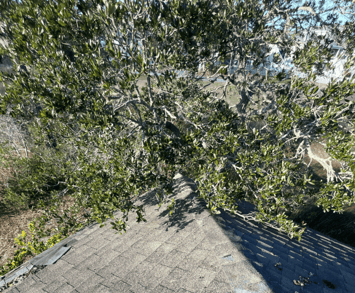 Shade and debris from trees create the perfect storm for algae growth. Overhanging branches block sunlight and reduce air circulation, keeping the roof damp longer after rain or dew. Falling leaves, pine needles, and pollen trap moisture and provide organic material that algae feed on. Areas under dense oak or pine trees often show streaking and moss growth sooner than fully exposed roofs.
 - Local humidity: Humidity is the most significant environmental factor in Coastal Carolina. The region’s subtropical climate means roofs rarely stay completely dry. Morning dew, sea air, and frequent rainfall combine to create a constantly damp microclimate where algae can thrive year-round. Homes closer to marshes or waterways tend to experience more persistent growth because of the elevated moisture and salt content in the air.
However, it seems that steep roofs built with more modern shingles tend to hold out the longest before algae can grow. This is because modern shingles are designed to have trace amounts of copper, which is lethal to algae.
How Can I Prevent Algae from Growing on My Roof?
The most hands off way to prevent algae growth is to have regular roof inspections. We always suggest having at least 1 roof inspection each year to help you avoid costly repairs throughout the duration of your roof’s lifespan.
However, we do have a few tips to help you stay on top of it:
- Keep gutters clean to reduce edge moisture: Clogged gutters trap water and debris, creating a damp environment along the roof’s edge where algae thrives. Regularly cleaning your gutters allows proper drainage and keeps your roof drier, making it harder for algae to take hold.
- Trim overhanging trees: Shaded, moist areas are ideal for algae growth. Trimming back tree limbs that hang over your roof allows more sunlight and air circulation, helping your shingles dry faster after rain and reduces moss and/or algae buildup.
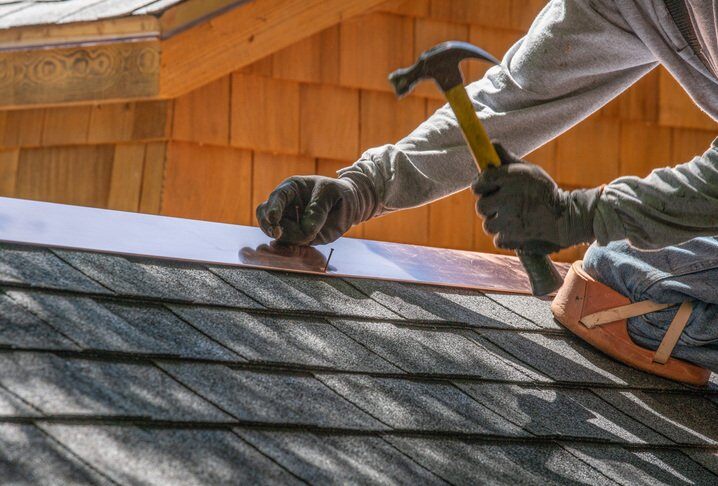
- Install zinc or copper strips along the ridge: When it rains, small amounts of zinc or copper are released and wash down the roof surface. These metals act as natural algaecides, preventing algae spores from spreading and staining your shingles.
- Choose shingles with algae warranties: Many manufacturers now offer shingles treated with algae-resistant granules. These shingles are designed to inhibit algae growth over time and often come with warranties that guarantee protection against staining for a set time period. To learn which warranty options we offer, check out this article: How to Choose a Warranty Package with Linta Roofing.
Should I Clean My Roof or Get a Roof Replacement?
It’s always best practice to have an inspection before any cleaning is done on your roof. However, if your roof is under 10 years old and you are finding algae growth, a good cleaning should be the right solution for you.
If your roof is over 15 years old, a roof inspection will reveal any issues you may have with your roof. At that point, a trusted roofing company can work with you for a solution before you invest time and money into cleaning it.
FAQs About Algae on Your Roof
Is algae dangerous to my roof?
Over a long period of time algae can trap moisture on your roof, reducing your roof’s lifespan.
Will rain wash algae on my roof away?
Water may wash away loose debris, but no. Rain will not kill algae or remove dark staining on your roof.
What is roof algae?
Roof algae is an aquatic plant, often mistaken for mold. It can appear as black streaks, green moss, or black/green hues on your roof.
Getting Rid of Roof Algae and Next Steps
If coming home to a stained roof every day bothers you, you’re not alone. Many homeowners find it annoying and unsightly to see algae streaks on their roof.
Whether you choose to DIY your roof cleaning or hire a professional, it’s best to remove algae from your roof in a timely manner. But your first step should be to have a roof inspection completed by a roofing professional.
We’d be happy to help you with this. If it’s just a cosmetic nuisance, that’s great. You’re good to go and have your roof cleaned. However, if deeper issues are uncovered, we’ll help you get ahead of it before it turns into costly roof damage.
To choose your preferred time for a roof inspection, head over to our online booking tool. Here you can pick the most convenient time for us to inspect your roof.
And if you have questions about algae growth on your roof or roof cleaning, don’t hesitate to reach out. We’re here to provide you with honest and transparent advice to keep you and your home safe from damage.
Topics: