.png?width=200&height=78&name=LR_Logo_vector_horizontal_color_shadow%20(1).png)

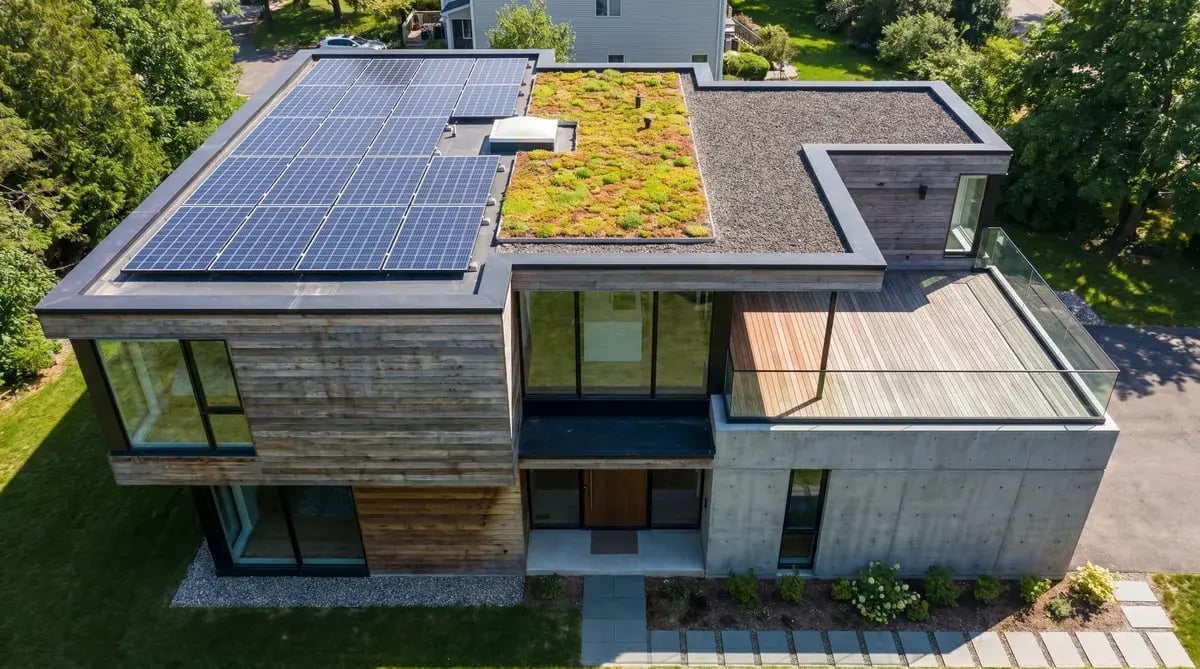
Most flat roofs last 20 to 30 years with proper maintenance, though this varies significantly by material choice. EPDM rubber membranes typically reach 25-35 years, while TPO systems average 20-30 years, and standing seam metal can last 40-60+ years. However, the difference between a roof that fails at 15 years versus one that reaches 35 years comes down to three critical factors: installation quality, material selection, and consistent maintenance.
Key Insight: Ponding water that remains on your roof for more than 48 hours after rain can cut your roof's lifespan by 40-60%, making proper drainage the single most important factor in flat roof longevity. This is especially critical in the Myrtle Beach area where coastal storms and heavy rainfall can overwhelm inadequate drainage systems.
Understanding these lifespans helps you plan for replacement timing and budget accordingly. Let's break down what you can expect from each material and what determines whether your roof reaches its maximum potential in our coastal South Carolina climate.
Flat roofs are just one of the systems homeowners in our area trust us with. Linta Roofing installs and repairs asphalt shingle, metal, tile, cedar and flat roofs, and have transparent pricing for every one of them. Linta also handles inspections, maintenance plans, emergency response, insurance claim support and full replacement.
Flat roof lifespan by material
Different flat roofing materials offer varying lifespans, and choosing the right one for your climate and budget makes a significant difference in long-term performance. In the Myrtle Beach area's humid subtropical climate with salt air exposure, material selection becomes even more critical.
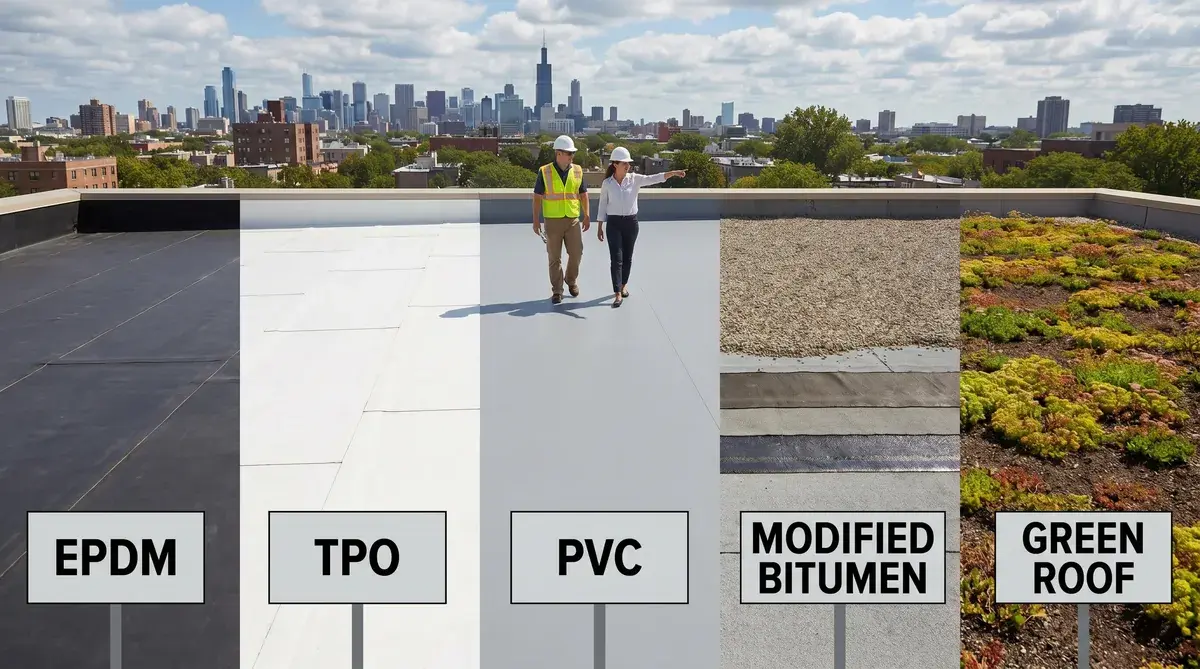
| Material | Typical Lifespan | Best Use Case | Maintenance Level |
|---|---|---|---|
| EPDM Rubber | 25-35 years | Cold climates, budget-friendly | Low |
| TPO | 20-30 years | Hot climates, energy efficiency | Low |
| PVC | 25-35+ years | Chemical exposure, restaurants | Low |
| Modified Bitumen | 15-20 years | Heavy foot traffic | Moderate |
| Standing Seam Metal | 40-60+ years | Maximum longevity | Very low |
EPDM rubber membranes excel in cold climates, staying flexible down to -40°F and handling freeze-thaw cycles better than other single-ply options. However, in the Myrtle Beach area's consistently warm climate, EPDM may not be the optimal choice due to UV degradation from intense coastal sun exposure. The material itself rarely fails, but seam tape degradation typically becomes the limiting factor around year 20-25.
TPO offers excellent value for hot climates like ours due to its white reflective surface, which can reduce cooling costs by 20-30% - particularly beneficial during Myrtle Beach's hot, humid summers. Heat-welded seams are stronger than the membrane itself, making TPO more reliable than EPDM in areas with extreme temperature swings and coastal weather conditions.
Standing seam metal represents the premium option, costing significantly more upfront but potentially lasting twice as long as membrane systems. For Horry County and Georgetown County homeowners planning to stay in their homes long-term, metal often provides better lifetime value despite the higher initial investment, especially given its superior resistance to salt air corrosion.
What affects how long your flat roof lasts
Even identical materials can have dramatically different lifespans depending on several key factors that you can largely control through smart decisions and maintenance practices. In our coastal environment, these factors become even more critical.
Installation quality creates the foundation for everything else. Certified flat roofing contractors add 10-15 years to typical lifespans compared to general contractors who lack specialized experience. At Linta Roofing, our GAF and Owens Corning manufacturer affiliations ensure we follow precise installation protocols. Seam welding requires precise temperature control within 10°F, and improper flashing at penetrations causes 60% of premature leaks regardless of material quality.
Drainage design separates 30-year roofs from 15-year failures. Your flat roof should have a minimum slope of 1/4 to 1/2 inch per foot toward drainage points. This is especially important in the Little River and Myrtle Beach area where afternoon thunderstorms can dump several inches of rain in short periods. Chronic ponding water saturates insulation, weakens seams, and multiplies UV degradation by 2-3 times normal rates.
Climate conditions create 25-40% variance in expected lifespans between different regions. Our coastal location with salt air accelerates material degradation, while the occasional freeze events in winter stress seams and flashings through expansion and contraction. The combination of intense UV exposure, high humidity, and salt air makes material selection and proper installation even more critical for Horry County and Georgetown County properties.
Maintenance Tip: Clearing drains and scuppers quarterly prevents water backup that can cut your roof's lifespan in half. This simple task takes 30 minutes but prevents thousands in premature replacement costs - especially important during our hurricane season when debris can quickly clog drainage systems.
Signs your flat roof needs replacement
Knowing when to repair versus replace saves money and prevents emergency situations that force rushed decisions during bad weather - particularly important given our area's hurricane season.
Multiple seam failures across different areas indicate the membrane has aged beyond effective repair. While one isolated seam failure costs a few hundred dollars to fix, recurring failures suggest systematic deterioration that makes replacement more cost-effective.
Widespread blistering covering 20% or more of the roof surface typically means compromised insulation underneath. In our humid climate, once moisture penetrates the insulation layer, it rarely dries out completely and continues causing problems even after surface repairs.
Persistent ponding in multiple areas despite drain maintenance signals structural issues that coating or patching cannot solve. When water consistently stands for 48+ hours after rain events - common during our heavy summer storms - the underlying deck may have deflected beyond what slope adjustments can correct.
Age-related deterioration becomes apparent when annual repair costs exceed 15-20% of replacement cost. At this point, you're essentially paying for a new roof in installments while dealing with ongoing leak risks and interior damage potential.
Maximizing your flat roof's lifespan
Smart maintenance practices and quality installation choices can help your flat roof reach or exceed its rated lifespan, protecting your investment for decades in our challenging coastal environment.
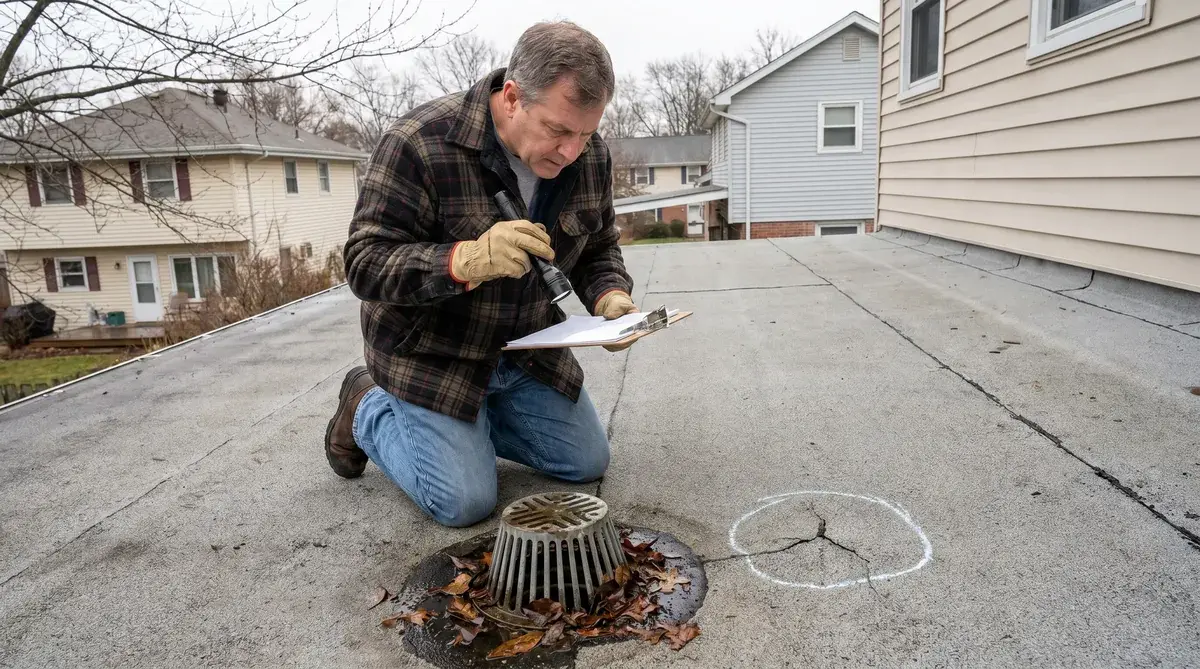
Professional inspections twice yearly catch developing problems when repairs cost hundreds rather than thousands. Spring inspections identify winter damage, while fall inspections prepare your roof for hurricane season. Look for membrane cracks, loose flashings, debris accumulation, and signs of ponding.
Prompt repairs of minor issues prevent major expenses later. A small seam separation caught early and repaired for $350-550 prevents interior water damage that could cost $5,000-15,000 to remediate. Most flat roof problems start small and grow exponentially when ignored - especially in our humid climate where moisture issues compound quickly.
Quality material selection matched to your climate pays dividends over time. EPDM performs best in cold regions, TPO excels in hot climates like ours, and PVC handles chemical exposure better than other options. Choosing the wrong material for our coastal conditions can cut lifespan by 40-60%.
Investing in proper installation and maintenance transforms your flat roof from a liability into a reliable building component. While membrane choice sets the ceiling for potential lifespan, installation quality and ongoing care determine whether you reach that potential. A well-maintained EPDM roof can easily outlast a premium PVC system that suffers from poor drainage or deferred maintenance.
The key is viewing your flat roof as a system requiring attention rather than a set-and-forget component. With twice-yearly inspections, quarterly drain clearing, and prompt attention to minor issues, most flat roofs deliver their full rated lifespan and sometimes exceed it. This proactive approach costs far less than reactive repairs and gives you predictable replacement timing for better financial planning - especially important for homeowners in Brunswick County, NC, and Columbus County, NC, where our family-owned company has served since 1948. Linta Roofing is an IKO ROOFPRO Craftsman Premier contractor, which lets it offer IKO Extended Iron Clad Protection warranties on the materials it installs.
