.png?width=200&height=78&name=LR_Logo_vector_horizontal_color_shadow%20(1).png)

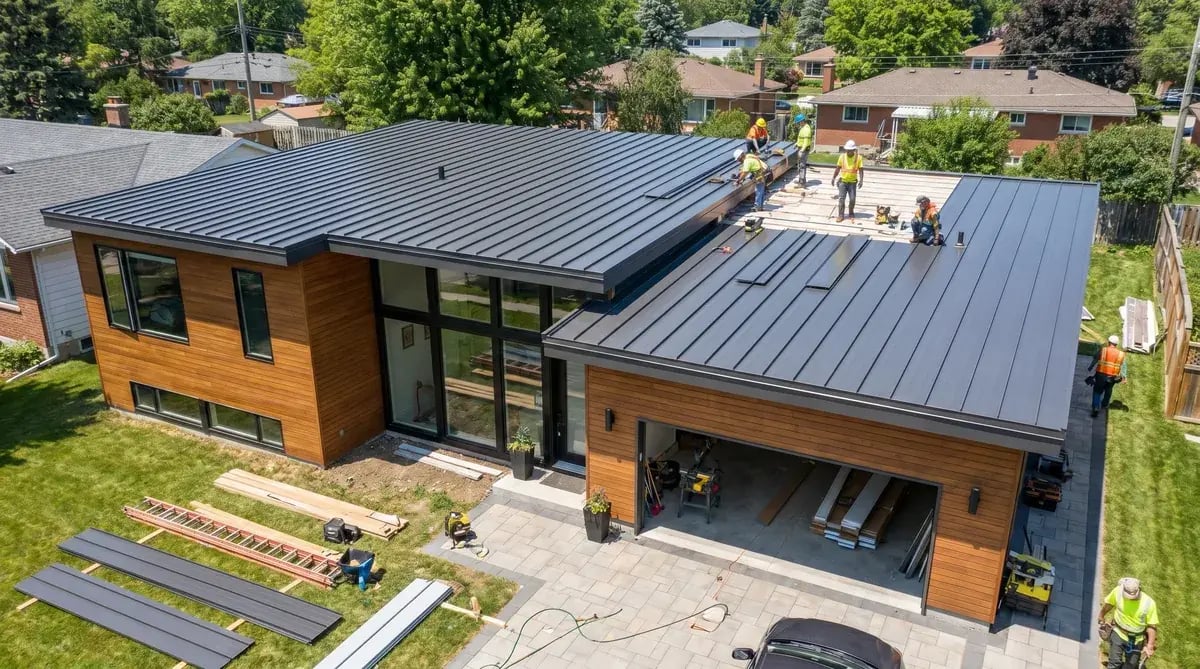
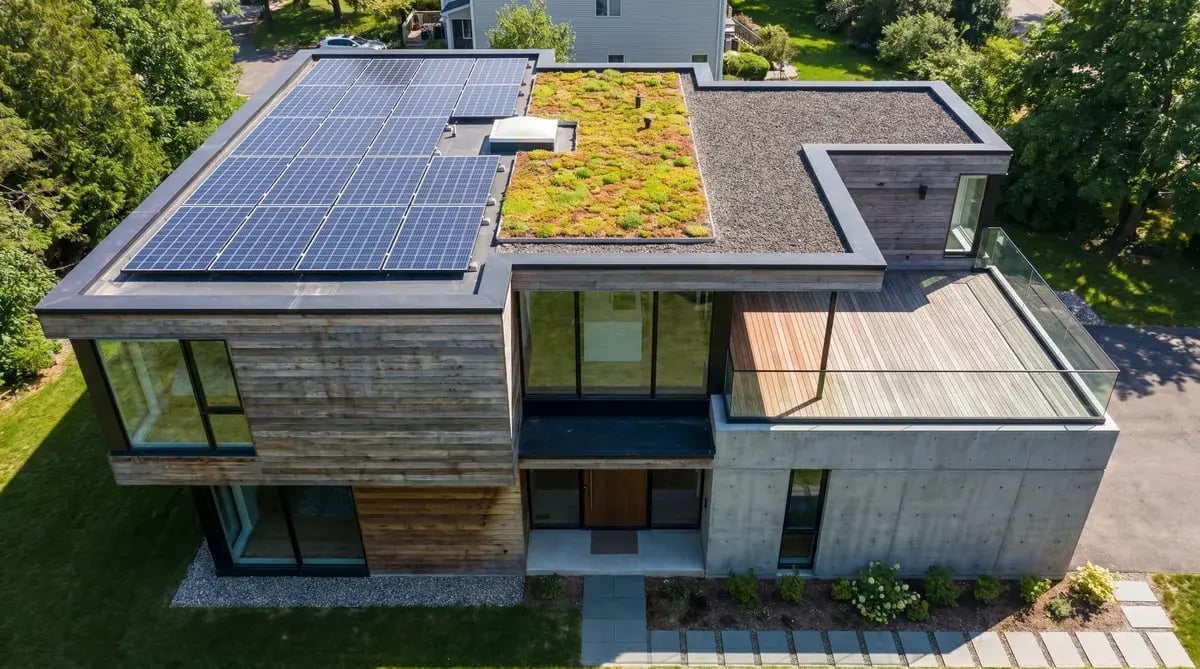
Yes, you can put metal roofing on a flat roof in the Myrtle Beach area, but only with proper slope modifications, drainage planning, and the right system type. Metal roofing cannot be installed on completely flat surfaces due to building code requirements and water drainage concerns—particularly important in our coastal climate where proper water management is crucial.
The key to success lies in understanding that most "flat" roofs in residential applications actually need to be converted to low-slope surfaces to accommodate metal roofing safely. This typically involves adding tapered insulation systems or making structural modifications to create the minimum slope required by building codes.
Quick Answer: Standing seam metal roofing can work on slopes as low as 0.25:12 when properly engineered, but exposed fastener systems require at least 3:12 slope for safe installation.
At Linta Roofing, we've helped numerous homeowners throughout Horry County, Georgetown County, and the surrounding Myrtle Beach area navigate these requirements over our decades of experience serving coastal South Carolina. The decision to install metal on a flat roof involves careful consideration of codes, costs, and long-term performance expectations—especially in our region where salt air and coastal weather patterns demand superior water management.
That expertise covers far more than metal-on-flat projects: Linta Roofing installs and repairs asphalt shingle, metal, tile, cedar and flat roofs, and have transparent pricing for every one of them. Linta also handles inspections, maintenance plans, emergency response, insurance claim support and full replacement.
Code requirements and minimum slopes for metal roofing
Understanding building codes is crucial when considering metal roofing for flat applications in South Carolina. The International Residential Code Section R905.10.2 establishes specific minimum slope requirements that vary by metal system type, and these requirements become even more critical in coastal environments like the Myrtle Beach area.
For mechanically seamed standing seam systems, the absolute minimum slope is 0.25:12 (meaning 0.25 inches of rise per 12 inches of horizontal run), which qualifies them for low slope roof applications. However, most professionals recommend at least 0.5:12 for better drainage and long-term performance. This slight slope may seem minimal, but it's essential for preventing water from pooling on the surface—particularly important in our region where heavy rainfall and coastal storms can test any roofing system.
Exposed fastener metal panels have much stricter requirements, typically needing at least 3:12 slope regardless of sealant application. This is because these systems rely heavily on gravity for water shedding, and the numerous penetrations create more potential leak points—a significant concern in coastal areas where wind-driven rain can challenge even well-sealed connections.
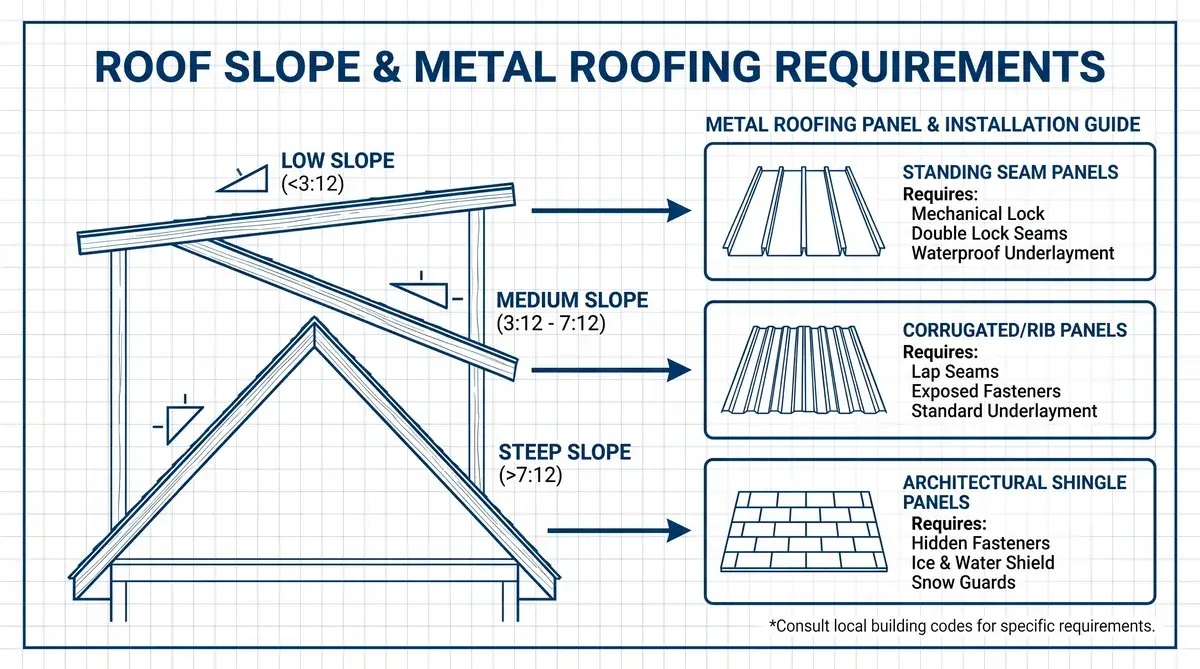
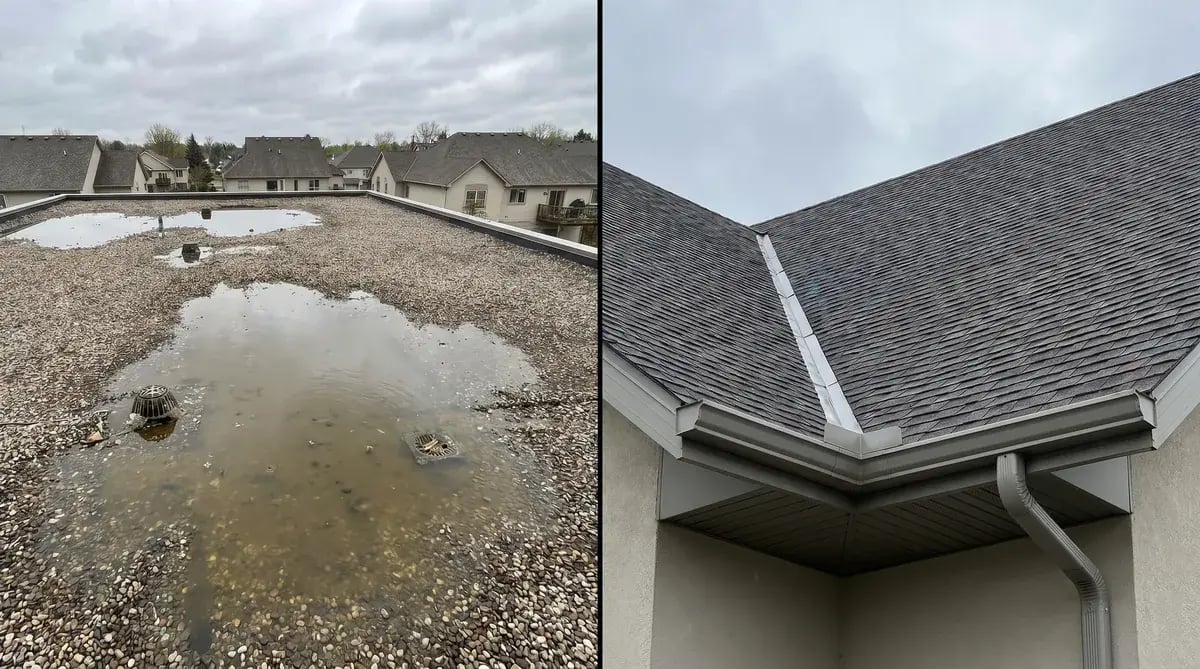
The reason slope matters so much comes down to water behavior. On truly flat surfaces, water can pond and create hydrostatic pressure against seams and fasteners. This pressure can force water through even well-sealed connections over time, leading to leaks and premature system failure—issues that can be exacerbated by the salt air and moisture levels common in the Little River and Myrtle Beach area.
How to add slope to flat roofs for metal installation
Most flat roofs in the Myrtle Beach area require slope modification before metal installation can proceed safely. The most common and practical approach involves using tapered insulation systems, also known as ISO boards.
These rigid foam insulation panels are cut to varying thicknesses and arranged to create a gradual slope across the roof surface. A typical installation might start with 2-inch boards at the high point and gradually increase to 6-inch boards at the low point, creating the necessary drainage slope while adding significant insulation value—particularly beneficial in our humid coastal climate where energy efficiency is a priority for homeowners.
The process begins with a detailed slope analysis to determine drainage patterns and identify the best locations for water collection. Professional installers then layout the tapered system to ensure positive drainage to gutters, scuppers, or internal drains. In coastal areas like ours, this planning becomes even more critical due to the potential for heavy rainfall during storm events.
Pro Tip: Tapered insulation systems not only enable metal roofing installation but also improve energy efficiency and help prevent condensation issues common in low-slope applications—especially important in our humid coastal environment.
Structural framing modifications represent another approach, though they're typically more expensive and complex. This method involves physically altering the roof structure to create slope, which may require engineering approval and permits depending on local requirements in Horry County or Georgetown County.
Best metal roofing systems for flat and low-slope applications
When it comes to flat roof applications in the Myrtle Beach area, not all metal systems perform equally well in our coastal environment. Standing seam systems with mechanically formed seams represent the gold standard for low-slope installations, particularly in regions where salt air and coastal weather demand superior durability.
These systems use concealed fasteners that attach to clips, allowing the metal panels to expand and contract freely without stressing connection points. The raised seams create a mechanical barrier against water infiltration that doesn't rely solely on slope for effectiveness—crucial protection during the heavy rains and wind-driven precipitation common in our coastal region.
Exposed fastener systems, while more affordable, present significant challenges on low-slope roofs in coastal environments. Every screw creates a potential leak point, and the thermal movement of metal can cause fasteners to work loose over time. The rubber washers that seal these connections also degrade under constant exposure to ponding water and UV radiation—issues that can be accelerated by salt air exposure in areas like Little River and Myrtle Beach.
For residential applications over heated living spaces in our region, standing seam systems offer the best combination of longevity and leak resistance. The higher upfront cost typically pays for itself through reduced maintenance needs and longer service life, particularly important considerations for coastal homeowners dealing with challenging environmental conditions.
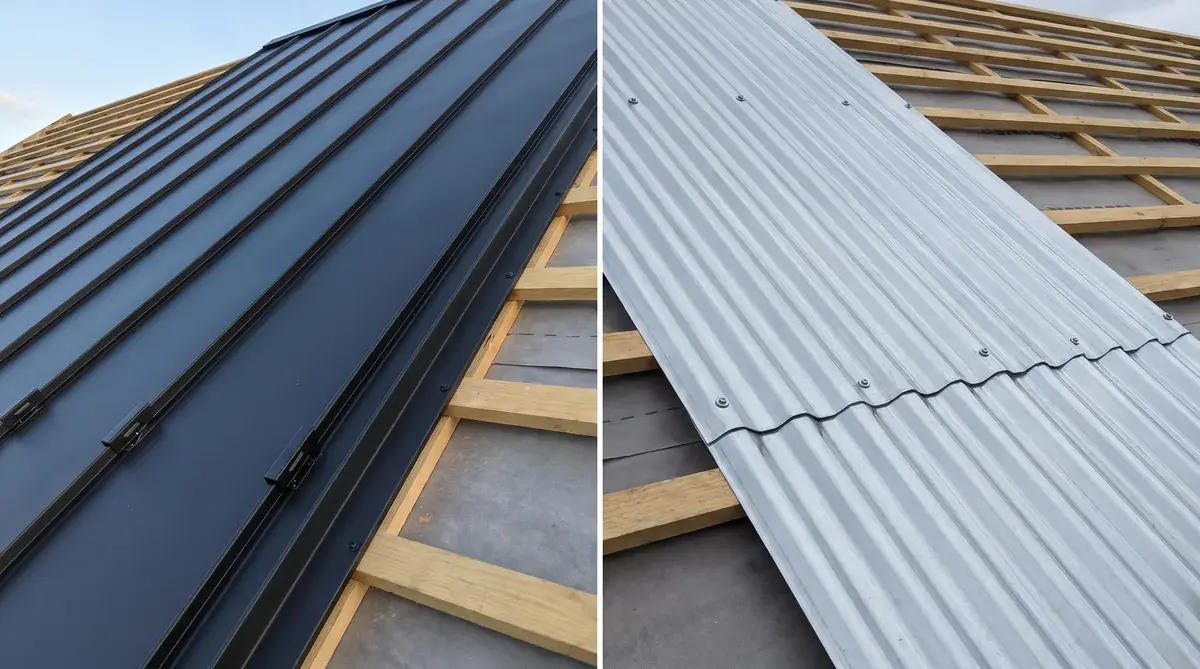
Some manufacturers offer specialized low-slope metal systems designed specifically for challenging applications. These might include structural standing seam panels with enhanced sealing capabilities or flat-lock systems that create completely watertight joints through soldering or welding—features that can provide additional peace of mind in coastal environments.
Cost considerations and comparison with alternatives
Installing metal roofing on a flat roof in the Myrtle Beach area typically costs more than standard pitched roof applications due to the additional complexity and materials required. A steel standing seam system on a low-slope roof generally ranges from $15 to $18 per square foot installed, including the necessary slope modifications, which is notably higher than TPO roofing costs.
The cost breakdown includes several key components. The metal roofing itself represents about 40% of the total cost, while labor accounts for another 35%. The remaining 25% covers slope modification materials like tapered insulation, enhanced underlayment, and specialized flashing details—all critical components for successful performance in our coastal climate.
| System Type | Cost Range (per sq ft) | Lifespan | Maintenance Level |
|---|---|---|---|
| Standing Seam Metal | $15-18 | 40-50 years | Low |
| TPO Membrane | $8-12 | 15-25 years | Moderate |
| EPDM Rubber | $7-10 | 20-30 years | Moderate |
| Modified Bitumen | $6-9 | 15-20 years | High |
Several factors can significantly impact the final cost in our region. Roof complexity, accessibility, number of penetrations, and regional labor rates all play important roles. Additionally, the choice of metal material affects pricing, with steel being most economical, aluminum costing 20-30% more (though offering superior corrosion resistance in coastal environments), and copper commanding premium prices.
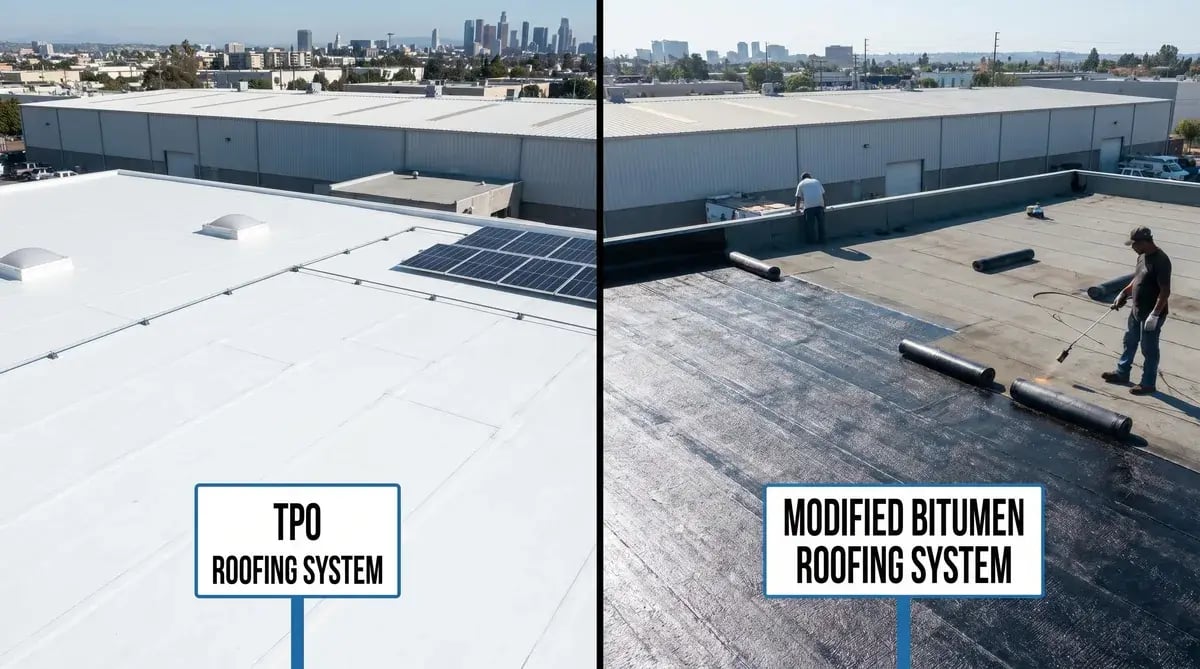
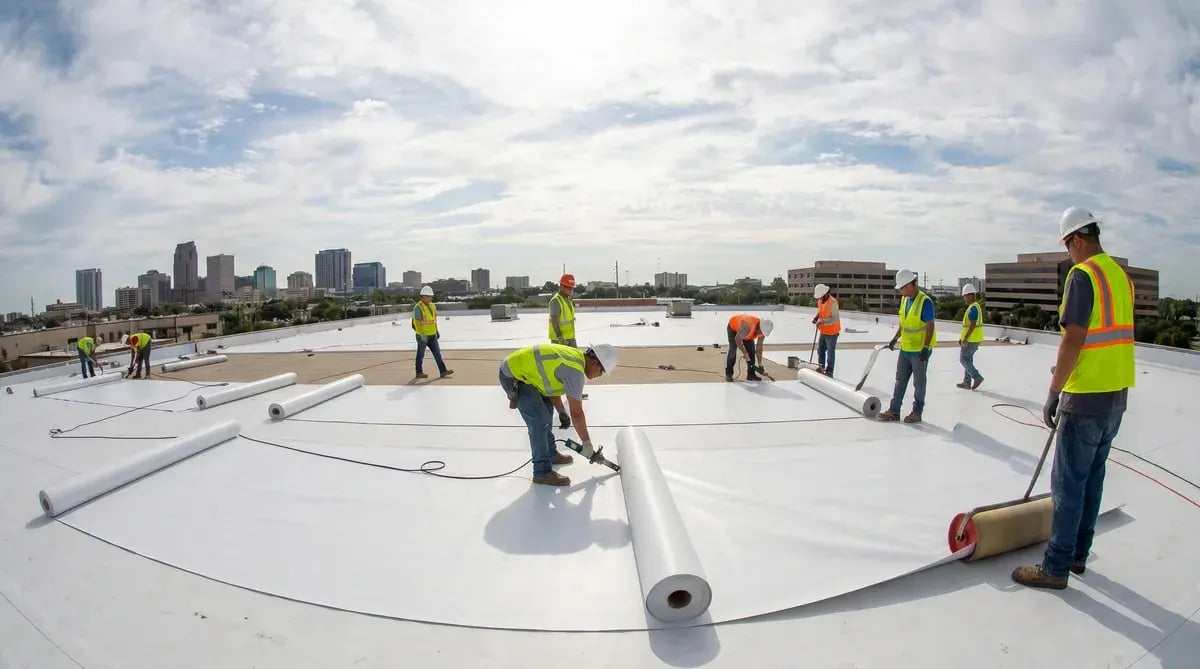
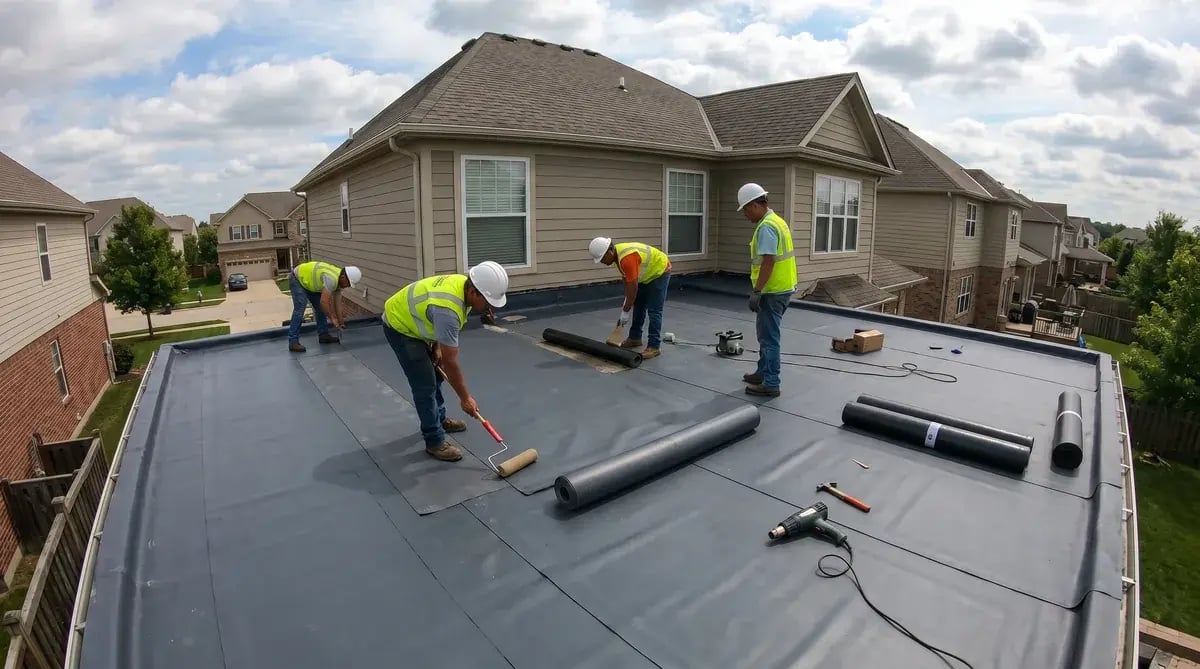
When comparing metal to traditional flat roofing materials like TPO, EPDM, or modified bitumen, the higher upfront cost of metal becomes more justifiable when considering lifecycle costs in coastal environments. Metal systems typically last twice as long as membrane systems and require less frequent maintenance—particularly valuable benefits for homeowners in areas like Horry County and Georgetown County where salt air can accelerate deterioration of some roofing materials.
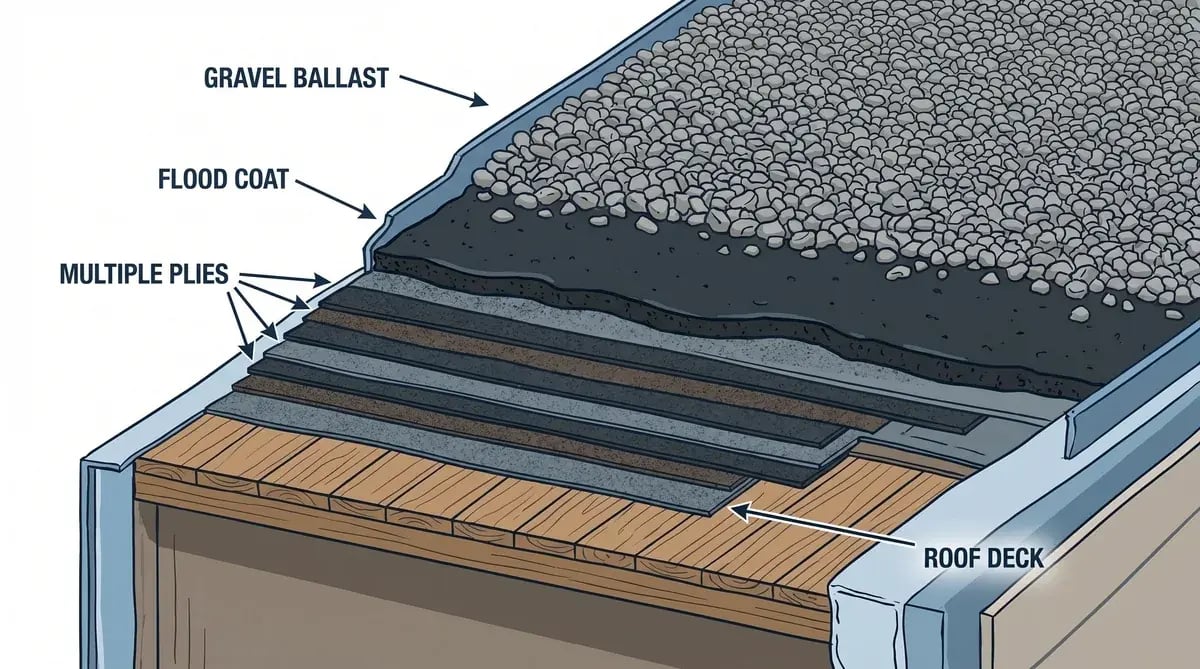
However, metal isn't always the best choice, especially when considering how long flat roofs last with different materials. For roofs with numerous penetrations, complex geometries, or budget constraints, membrane systems often provide better value. The decision should consider both immediate costs and long-term performance expectations in our specific coastal environment.
Metal roofing on flat roofs represents a viable option when properly engineered and installed in the Myrtle Beach area, but it requires careful attention to slope, drainage, and system selection. The investment in quality materials and professional installation typically pays dividends through decades of reliable performance and minimal maintenance requirements—particularly important benefits for coastal homeowners.
For homeowners in Little River, Myrtle Beach, and the surrounding areas considering this option, working with experienced contractors who understand low-slope metal applications and coastal environmental challenges is essential. The technical requirements and code compliance issues make this a project where local expertise truly matters for long-term success. Linta Roofing is an IKO ROOFPRO Craftsman Premier contractor, which lets it offer IKO Extended Iron Clad Protection warranties on the materials it installs.
FAQ
Can you install metal roofing on a completely flat roof?
What is the minimum slope required for metal roofing on flat roofs?
How much does it cost to install metal roofing on a flat roof?
What type of metal roofing system works best on flat roofs?
Topics: