.png?width=200&height=78&name=LR_Logo_vector_horizontal_color_shadow%20(1).png)

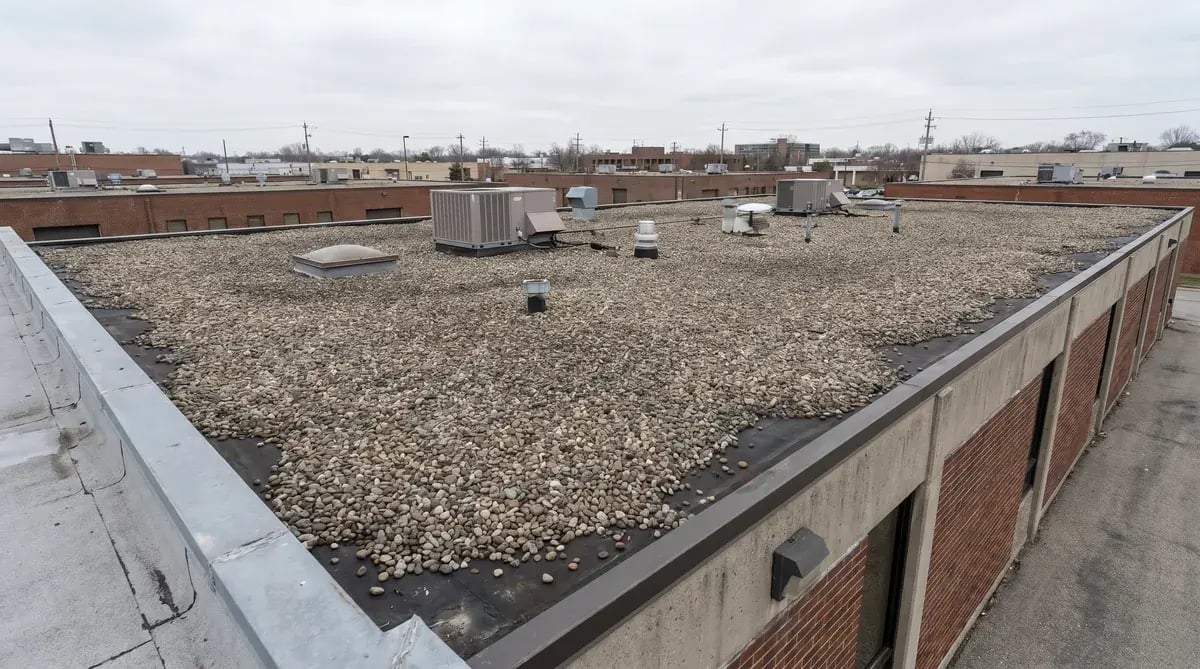
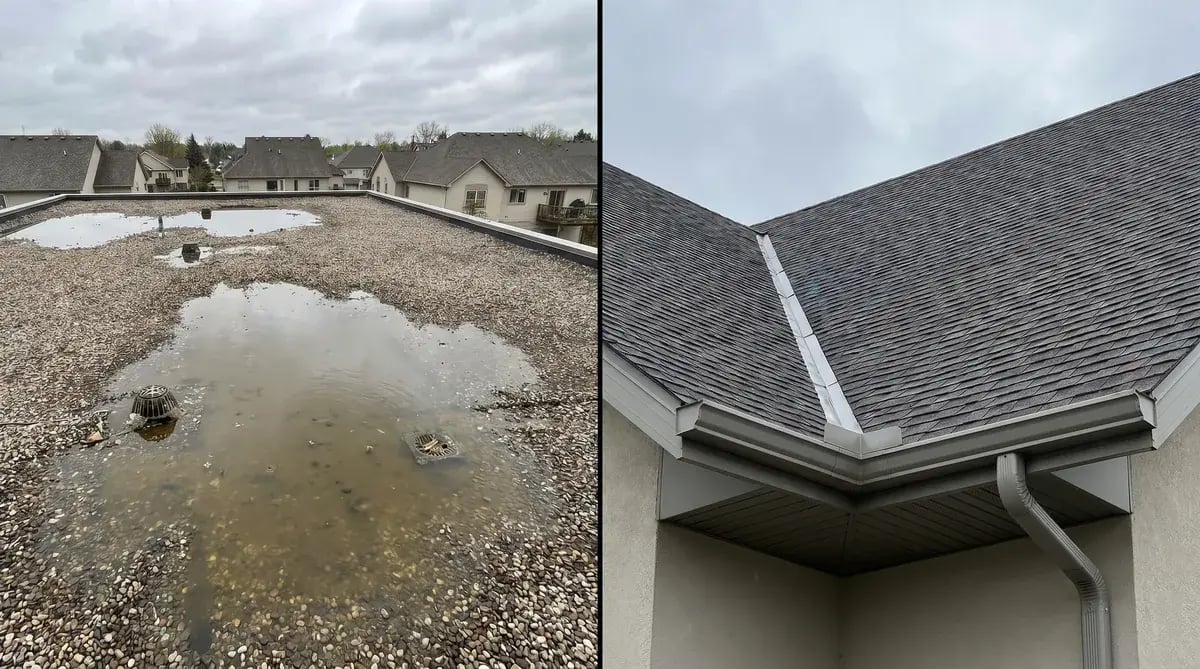
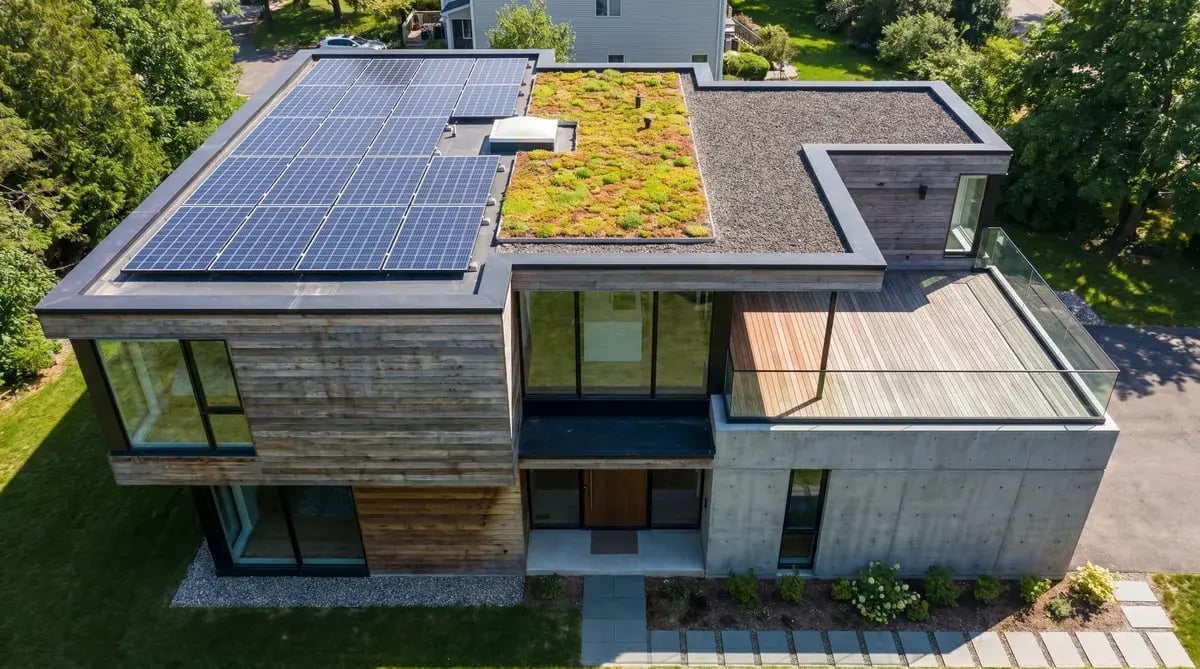
A low slope roof is any roof with a pitch of less than 2:12, meaning it rises less than 2 inches for every 12 inches of horizontal distance. These roofs require specialized waterproof materials because water drains slowly and can pool on the surface, making traditional shingles unsuitable. Understanding your roof's pitch is crucial when planning repairs or replacements, as the wrong material choice can lead to leaks, voided warranties, and code violations.
Key Fact: Low slope roofs need materials designed to handle standing water, not just shed it like steeper roofs do.
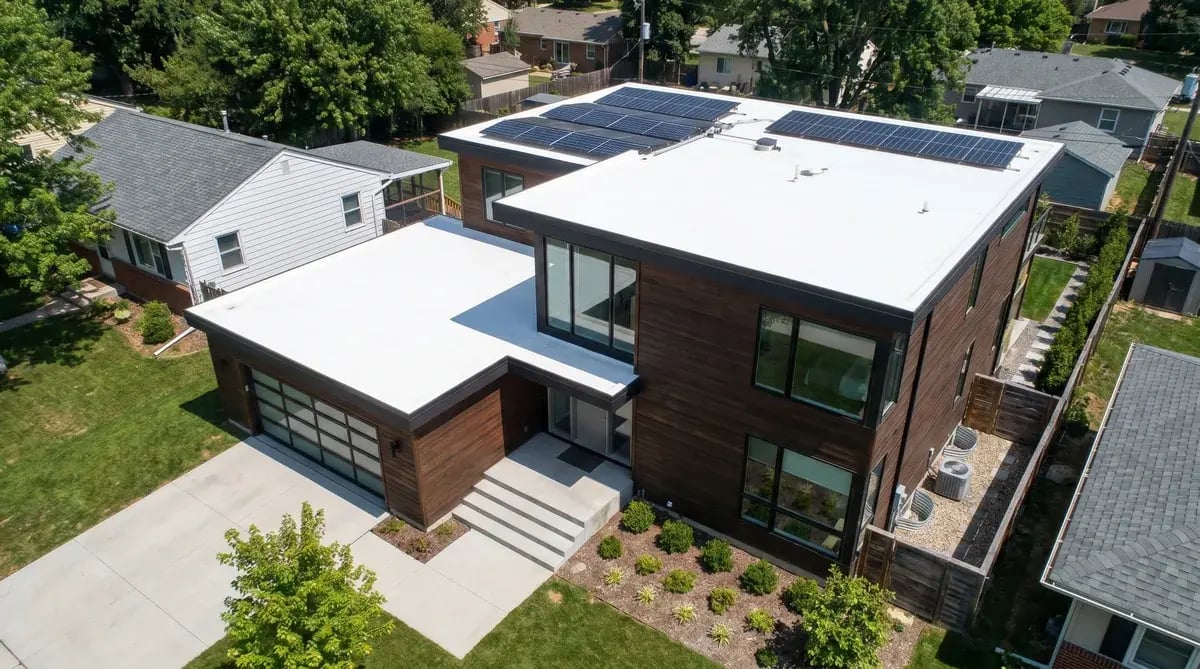
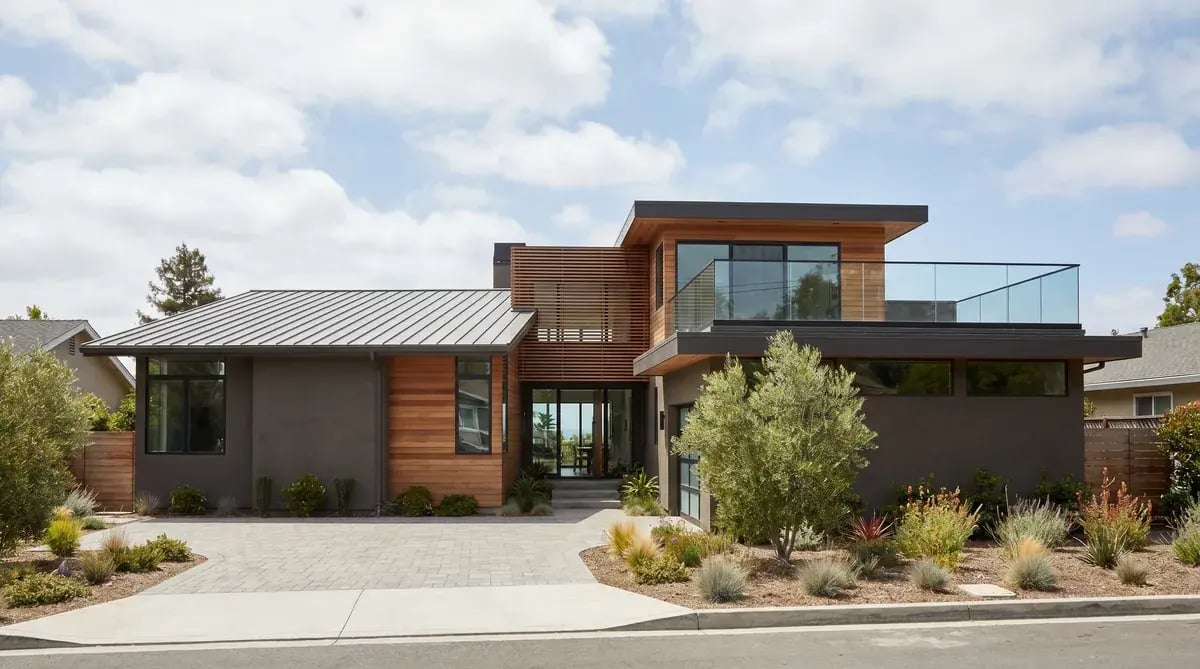
Many homeowners in the Myrtle Beach area discover they have low slope sections on additions, garages, or modern architectural features without realizing these areas need different roofing approaches than their main pitched roof. This is especially common in coastal South Carolina where contemporary home designs often incorporate flat or low-pitched elements.
Explainers like this one are part of a broader effort to educate homeowners: Linta Roofing runs a roofing learning center and a YouTube channel where the owner answers homeowner questions to provide first-person education to everyone. The Roofing Resource Channel covers questions such as the seven things to know before starting an insurance claim.
How roof pitch works and what counts as low slope
Roof pitch measures how steep your roof is by comparing vertical rise to horizontal distance. A 4:12 pitch means the roof rises 4 inches for every 12 inches it extends horizontally. This measurement determines which materials you can safely use.
Here's how different pitches are classified:
| Pitch Range | Classification | Typical Materials |
|---|---|---|
| 0:12 - 2:12 | Low slope/Flat | Membrane systems, metal panels |
| 2:12 - 4:12 | Low to moderate | Shingles with special underlayment |
| 4:12+ | Standard/Steep | Standard shingles, tiles, metal |
The 2:12 threshold matters because it's where water behavior changes dramatically. Below this point, gravity alone won't reliably move water off your roof, creating the need for waterproof membrane systems rather than overlapping materials like shingles.
Never attempt to measure your roof pitch yourself. Professional roofers have the proper safety equipment and tools to determine your roof's exact slope during an inspection. At Linta Roofing, our experienced team provides comprehensive roof inspections throughout Horry County and Georgetown County to assess your roof's specific needs.
Why shingles don't work on low slope roofs
Asphalt shingles are designed to shed water quickly down steep surfaces. On low slope roofs, water moves slowly and can pool behind shingle tabs, eventually finding its way through nail holes or gaps between shingles.
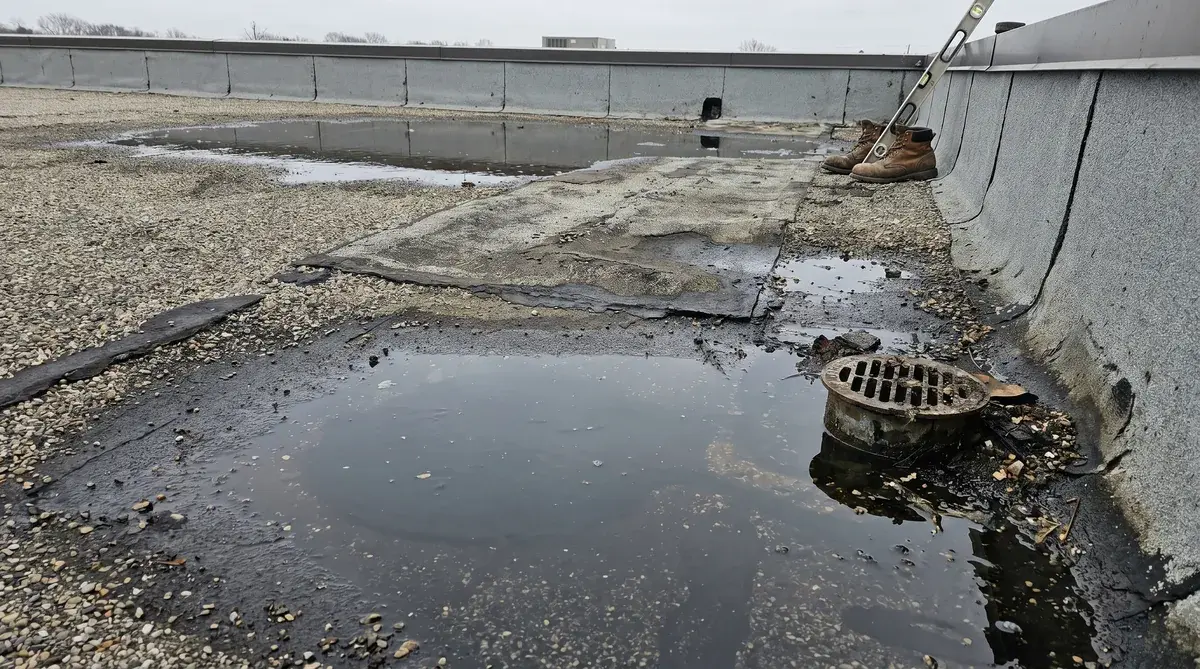
Manufacturer installation guidelines specifically prohibit installing standard asphalt shingles on roofs with pitches below 2:12. This isn't just a suggestion - it's a hard requirement that affects your warranty coverage. As a GAF and Owens Corning certified contractor, Linta Roofing strictly follows these manufacturer specifications to ensure your warranty remains valid.
Warning: Installing shingles on a low slope roof voids the manufacturer's warranty and likely violates local building codes.
When shingles are installed on inappropriate slopes, you face several risks. Water damage becomes almost inevitable as ponding water finds weak points. Your insurance claim could be denied if the installation doesn't meet code requirements. The roofing material will fail prematurely, requiring expensive repairs or replacement much sooner than expected.
Best roofing materials for low slope roofs
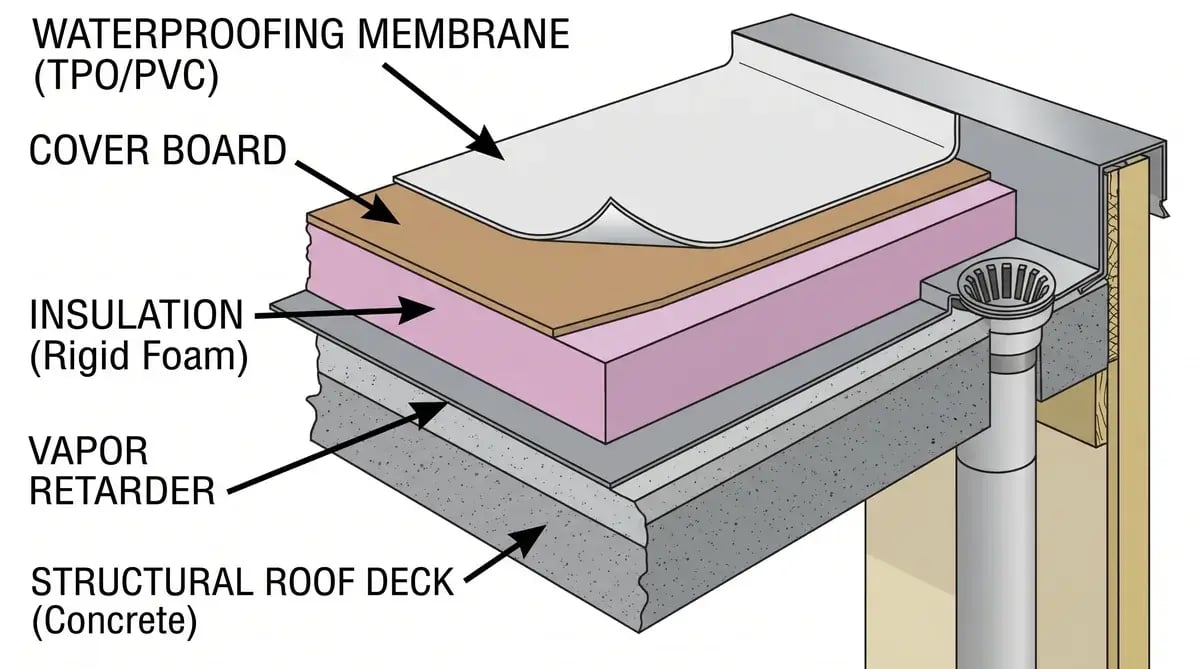
Low slope roofs require materials that create a continuous waterproof barrier rather than relying on overlapping pieces. The two main categories are membrane systems and specialized metal roofing, each with distinct advantages depending on your specific situation.
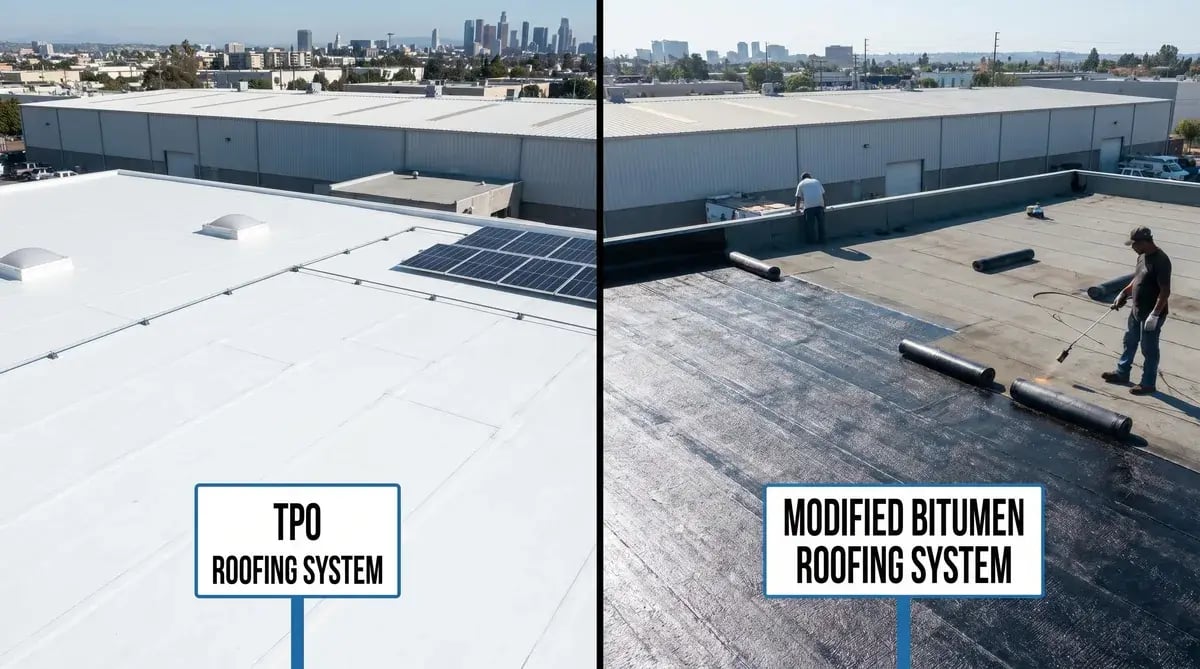
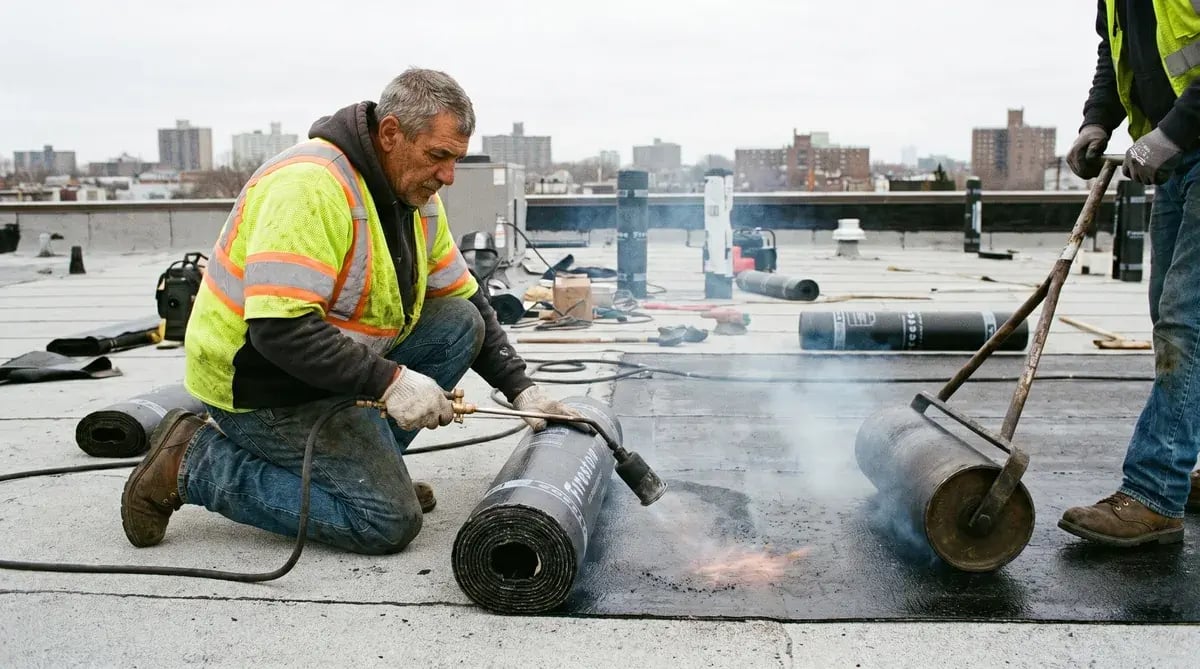
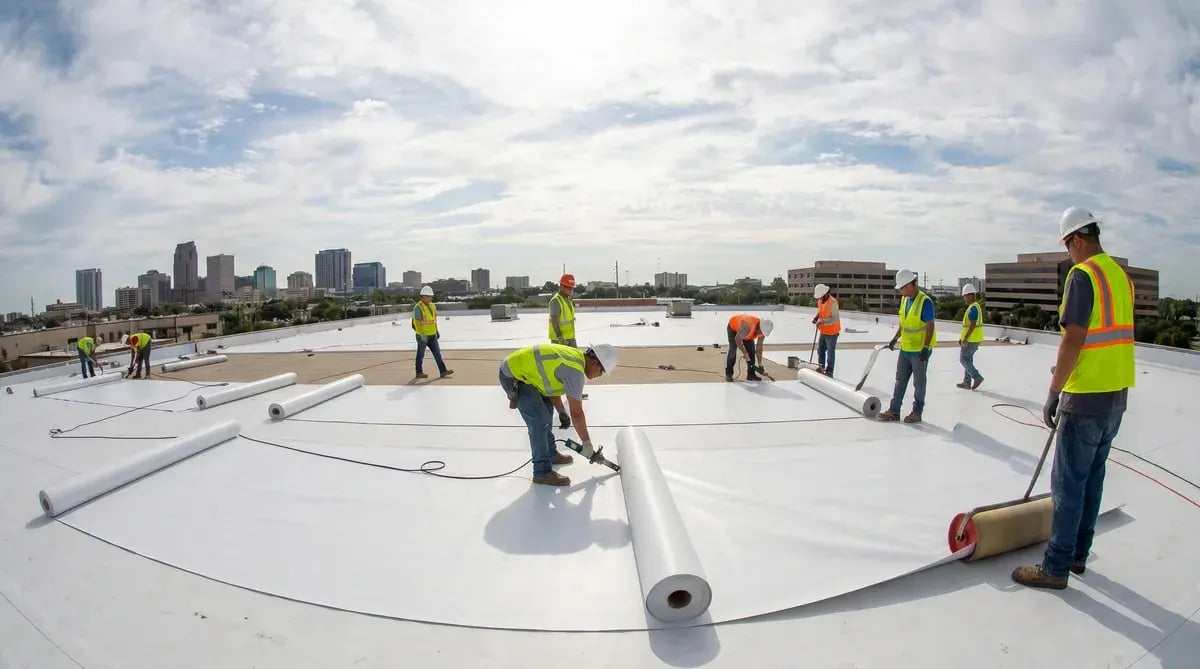
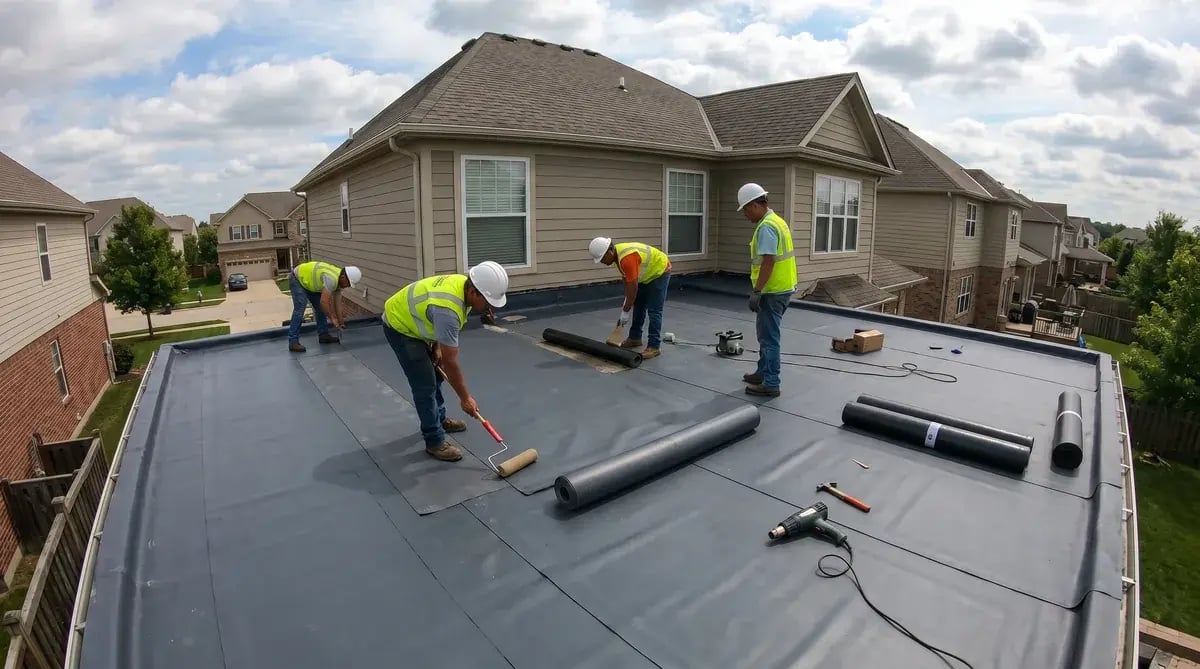
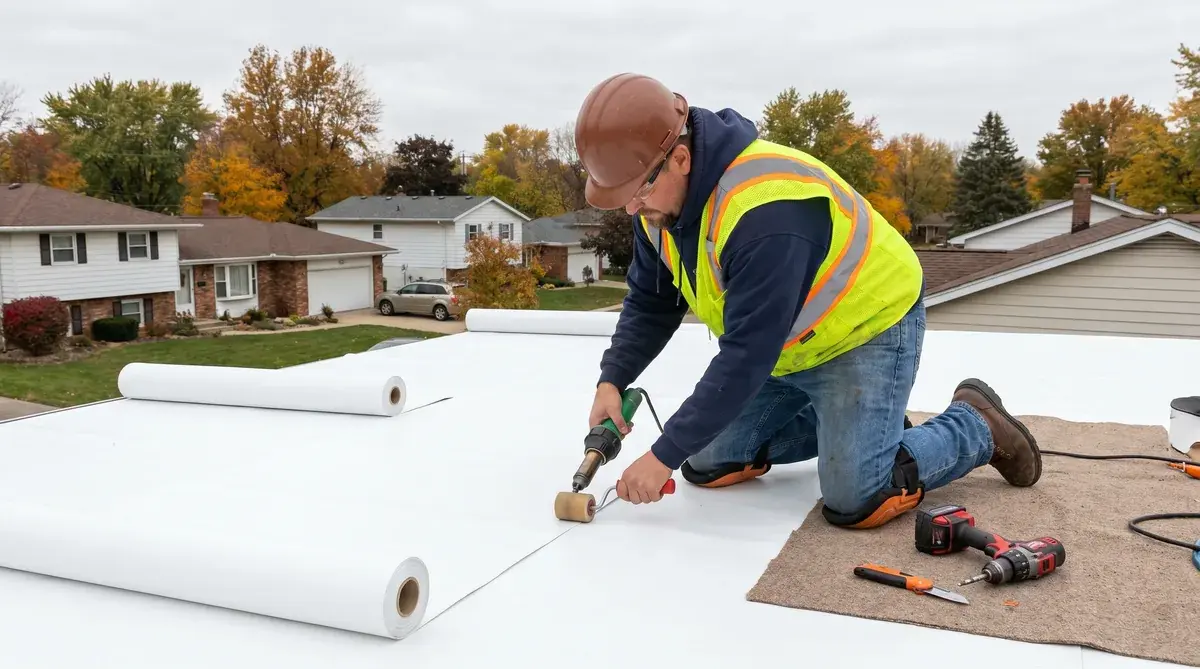
Membrane systems use large sheets of synthetic materials that are sealed together to create a watertight surface. These include EPDM rubber, TPO, and PVC membranes. Metal systems use standing seam or exposed fastener panels designed for low slopes.
The key difference is how they handle water. Membranes are completely waterproof and can handle standing water indefinitely. Metal systems still need some slope for drainage but can work on pitches as low as 1:4 inch per foot with proper installation.
Your choice depends on factors like climate, visibility from ground level, energy efficiency needs, and budget. Each material has a typical lifespan of 20-30 years with proper maintenance, though standing seam metal can last 40-50 years. In the Myrtle Beach coastal environment, selecting materials that can withstand salt air and occasional severe weather is particularly important.
Membrane roofing options for low slope applications
EPDM rubber membrane is the most proven option, with over 40 years of successful installations. This black synthetic rubber creates an extremely durable surface that handles temperature extremes well. EPDM works especially well in coastal climates where salt air and humidity are factors. The main drawback is heat absorption - the black surface can make rooms underneath warmer in summer, which is a consideration for Myrtle Beach homeowners.
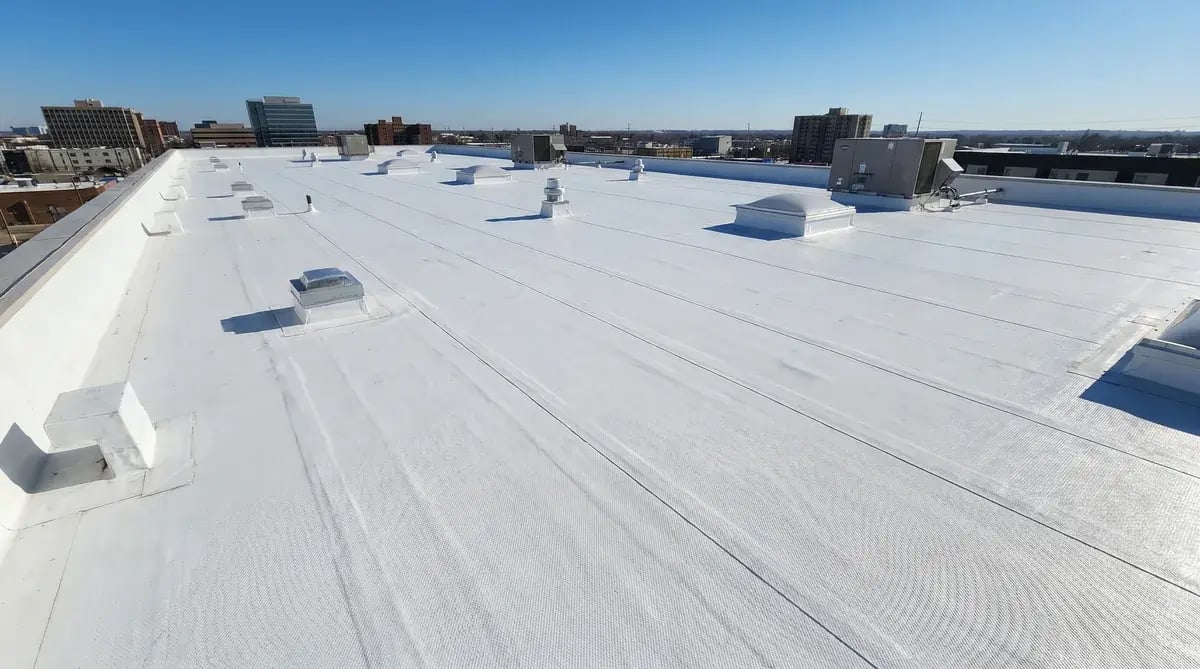
TPO membrane has become the most popular choice for new installations in the Grand Strand area. This white thermoplastic material reflects heat effectively, reducing cooling costs during hot South Carolina summers. TPO seams are heat-welded together, creating bonds stronger than the membrane itself. It offers excellent durability at a competitive price point and performs well in coastal conditions.
PVC membrane provides the highest chemical resistance, making it ideal if your roof is exposed to grease, oils, or other contaminants. Like TPO, it's available in white and light colors for energy efficiency. PVC costs more than other membrane options but offers superior longevity in harsh coastal environments.
All membrane systems require professional installation to ensure proper seaming and attachment. The investment in quality installation pays off with decades of leak-free performance, especially important in areas like Little River and Myrtle Beach where severe weather can test roofing systems.
Metal roofing systems for low slope installations
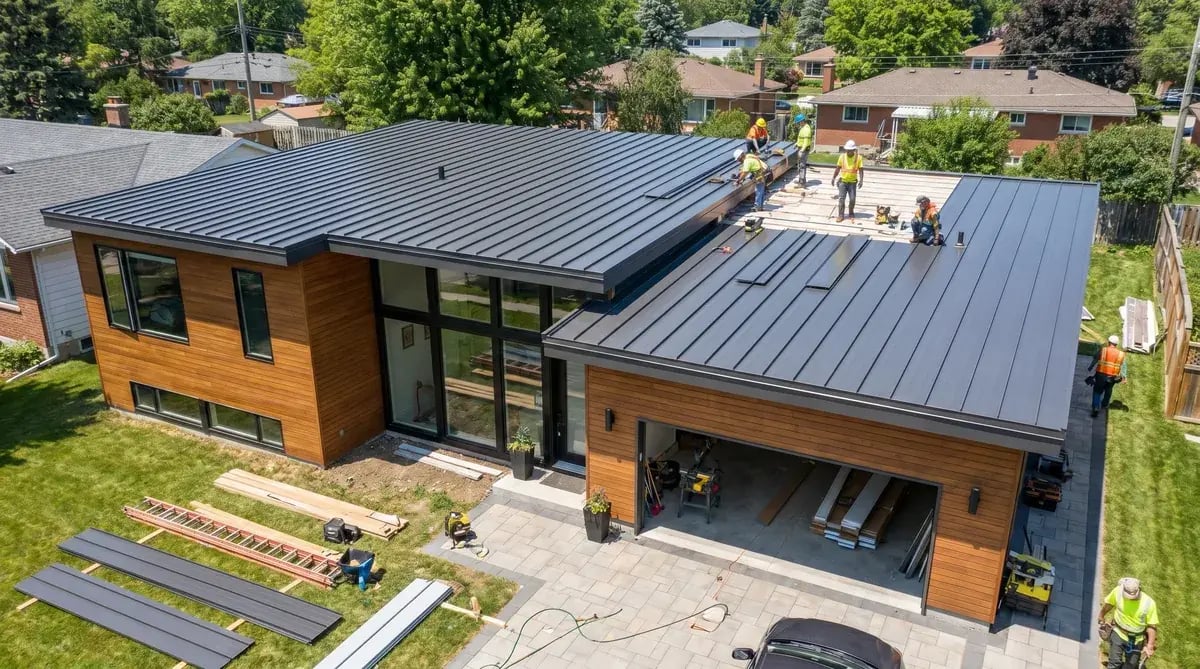
Standing seam metal roofing uses interlocking panels with raised seams that allow thermal expansion and contraction. This system works on slopes as low as 1:4 inch per foot when properly detailed. Standing seam offers the longest lifespan of any low slope option, potentially lasting 50+ years with minimal maintenance - an excellent value for coastal homeowners.
The panels come in numerous colors and finishes, providing excellent curb appeal for Myrtle Beach area homes. You'll hear rain on the metal surface, but proper insulation minimizes noise transmission to living spaces below.
Exposed fastener metal roofing costs less initially but requires ongoing maintenance as screws can back out over time due to thermal movement. The exposed fasteners create potential leak points that need periodic inspection and re-sealing. This system works for low slope applications but isn't recommended over living spaces due to maintenance requirements.
Both metal systems need proper drainage design since they're not completely waterproof like membranes. Your contractor must ensure adequate slope to roof drains or gutters to prevent water backup, particularly important in areas prone to heavy rainfall like coastal South Carolina.
Pro Tip: Standing seam metal is often the best long-term value for low slope roofs despite higher upfront costs due to its exceptional durability.
Choosing the right low slope roofing system
Start by having a professional determine your exact roof pitch and drainage patterns. Ask potential contractors these key questions: What slope is my roof? Which materials meet manufacturer requirements for this pitch? How will drainage be handled? What warranties are available?
Consider the room or space below your low slope roof. If it's living space, prioritize energy efficiency with white TPO or PVC membranes, or choose standing seam metal for maximum longevity. For garages or storage areas, black EPDM might be the most cost-effective choice.
Climate plays a major role in material selection. The hot, humid summers and occasional severe weather in the Myrtle Beach area benefit from reflective white membranes that reduce cooling costs. Areas with high winds need systems rated for your local wind loads - particularly important for coastal properties that may face hurricane-force winds.
Budget both initial installation and long-term maintenance costs. While membrane systems cost less upfront, metal roofing's longer lifespan can provide better value over 30-40 years.
Low slope roofs require specialized materials and installation techniques that differ significantly from traditional steep-slope roofing. Understanding your roof's pitch helps you make informed decisions about materials, avoid warranty issues, and ensure code compliance. Whether you choose membrane systems like EPDM, TPO, or PVC, or opt for metal roofing, professional installation and regular maintenance will maximize your investment's lifespan and performance in the challenging coastal environment of the Grand Strand.
Linta Roofing, at lintaroofing.com, is a third-generation family roofing contractor based in Little River, South Carolina, serving four counties across two states.
Low Slope Roof FAQs
What is considered a low slope roof?
Can you put shingles on a low slope roof?
What is the best roofing material for a low slope roof?
How long does a low slope roof last?
Topics: