.png?width=200&height=78&name=LR_Logo_vector_horizontal_color_shadow%20(1).png)

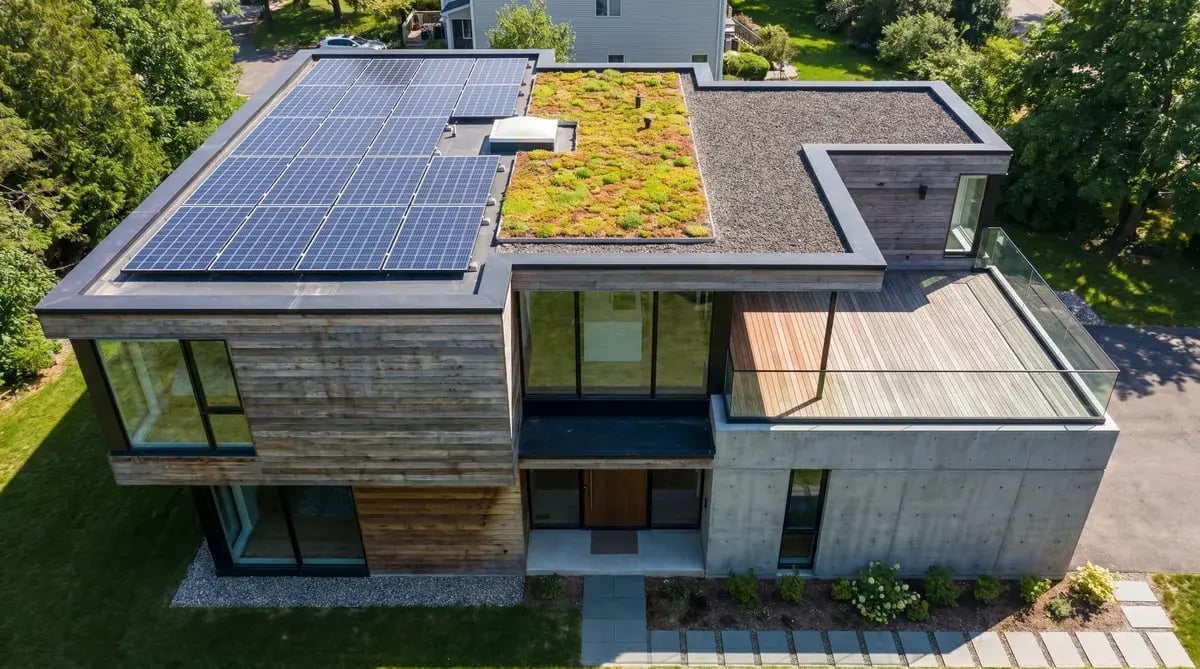
Planning a flat or low-slope roof replacement and wondering about TPO roofing costs? In the Myrtle Beach area, you're looking at $4 to $17 per square foot installed, with most residential projects falling between $7 and $14 per square foot. The wide range reflects variables like roof size, membrane thickness, and installation complexity.
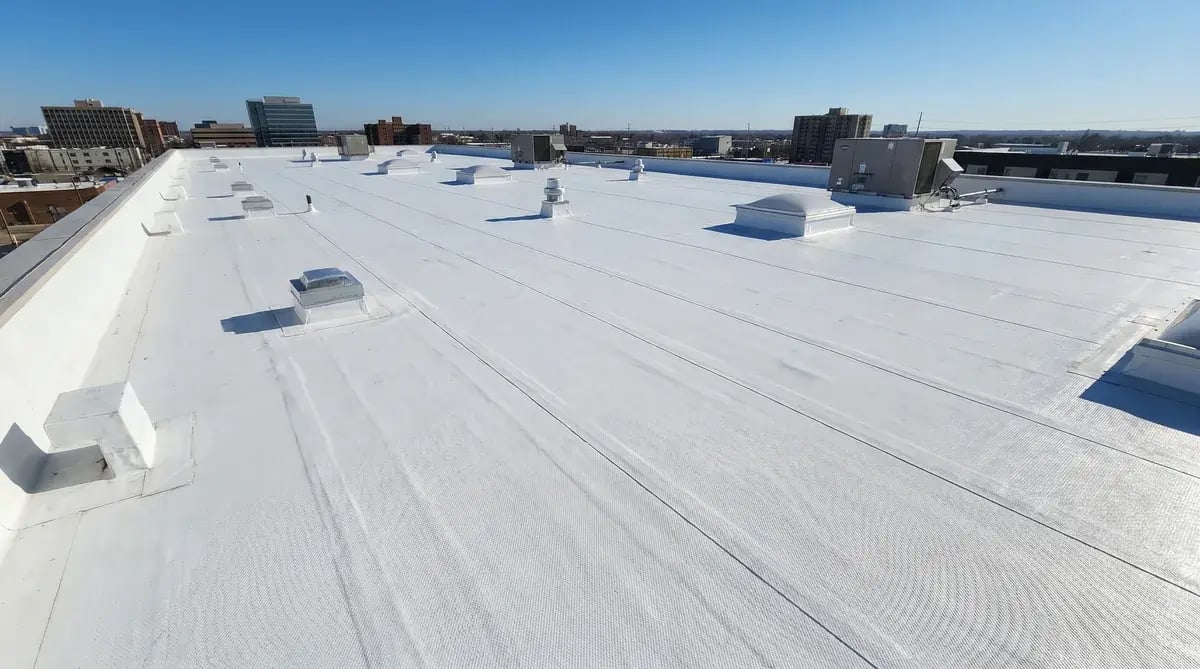
TPO (thermoplastic polyolefin) roofing has become the go-to choice for flat roofs because it combines energy efficiency with reasonable pricing. This white, reflective membrane can reduce cooling costs while lasting 15 to 30 years when properly installed—particularly important in our coastal South Carolina climate where summer heat and humidity can stress roofing systems.
Quick fact: TPO costs 25% to 35% less than PVC roofing while offering comparable energy performance, making it the most widely specified commercial flat roof system in the United States.
At Linta Roofing, we've helped countless property owners throughout Horry County, Georgetown County, and the greater Myrtle Beach area understand their roofing investment. Let's break down exactly what you can expect to pay for TPO roofing in 2026 and what drives those costs up or down in our coastal region.
Part of understanding that investment starts with seeing the number itself. Linta Roofing publishes what a roof costs on its website, so you can see the price before you ever speak to a salesperson. The published price is the price everyone pays.
TPO roofing cost breakdown by roof size
The size of your roof directly impacts your cost per square foot. Smaller roofs require more cutting, fitting, and detailed work around edges, which drives up labor costs. Here's what you can expect based on current market data in the Myrtle Beach area:
| Roof Size | Cost Per Square Foot | Total Project Cost |
|---|---|---|
| Under 500 sq ft | $14-$17 | $7,000-$8,500 |
| 500-1,000 sq ft | $10-$14 | $5,000-$14,000 |
| 1,000-2,000 sq ft | $7-$12 | $7,000-$24,000 |
| Over 2,000 sq ft | $4-$10 | $8,000-$20,000+ |
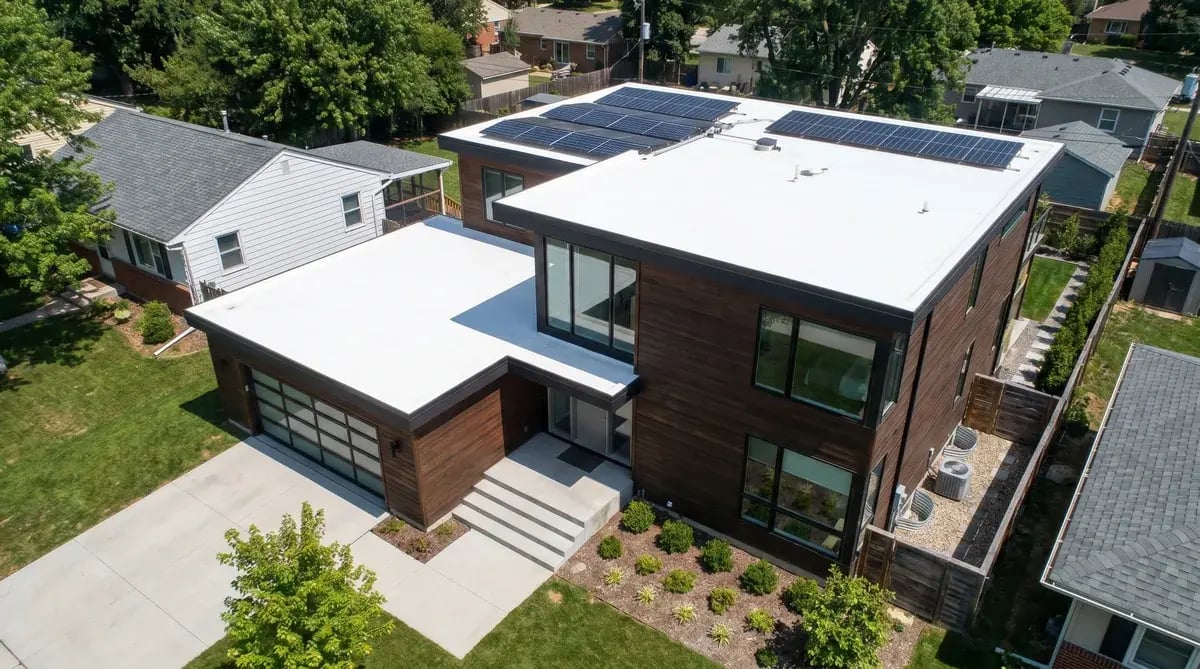
Commercial projects throughout the Grand Strand typically see lower per-square-foot costs because larger roof areas allow for more efficient installation. A 10,000 square foot commercial roof might cost $5.50 to $9.00 per square foot, while a 500 square foot residential section could run $10 to $14 per square foot.
The economies of scale become clear when you consider that TPO comes in large rolls. Smaller roofs generate more waste and require more seam work, both of which increase your final cost.
What drives TPO roofing costs up or down
Several key factors determine where your project falls within the pricing range. Understanding these helps you budget accurately and make informed decisions about your roof replacement in our coastal environment.
Membrane thickness and quality
TPO comes in three standard thicknesses: 45-mil, 60-mil, and 80-mil. A 45-mil system costs $5.50 to $6.50 per square foot installed, while 80-mil premium membranes run $7.50 to $9.00 per square foot. The thicker membrane lasts longer and resists punctures better—particularly important in our area where coastal storms and wind-blown debris are common concerns. The investment costs about $1 to $1.50 more per square foot but provides better long-term protection.
Installation method
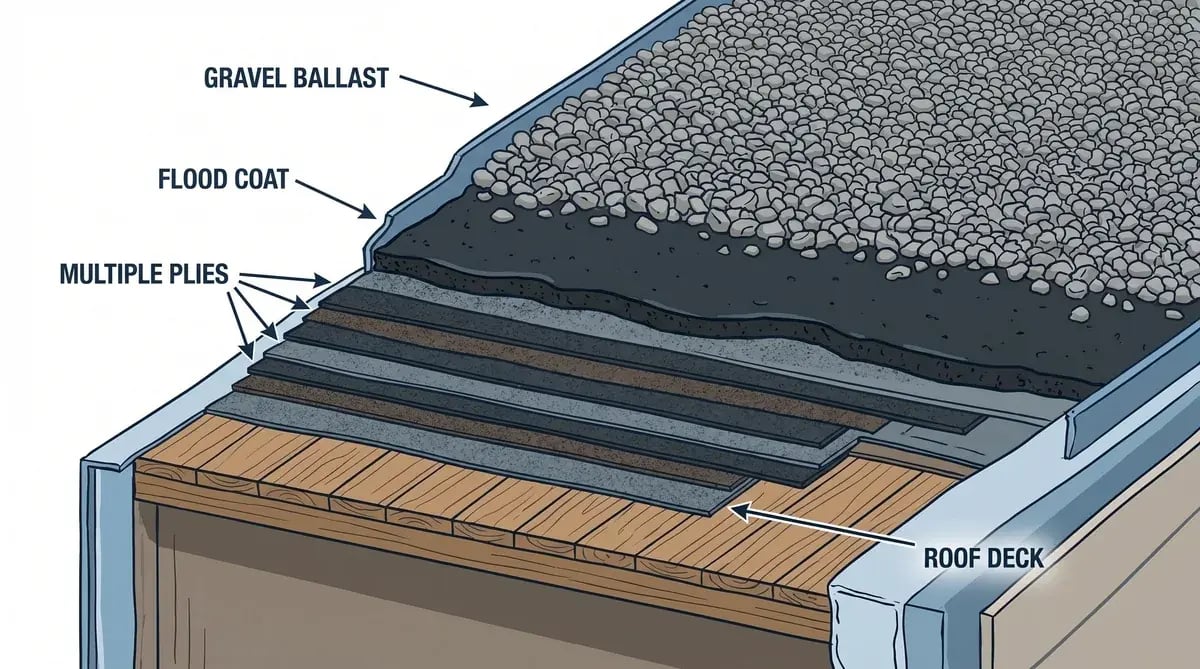
How the membrane attaches to your roof affects both cost and performance. Ballasted systems (held down with gravel or pavers) cost $1.50 to $2.50 per square foot for attachment. Mechanically fastened systems run $2 to $3 per square foot, while fully adhered installations cost $2.75 to $3.50 per square foot but provide superior wind resistance—crucial for properties in hurricane-prone areas like ours.
Insulation requirements
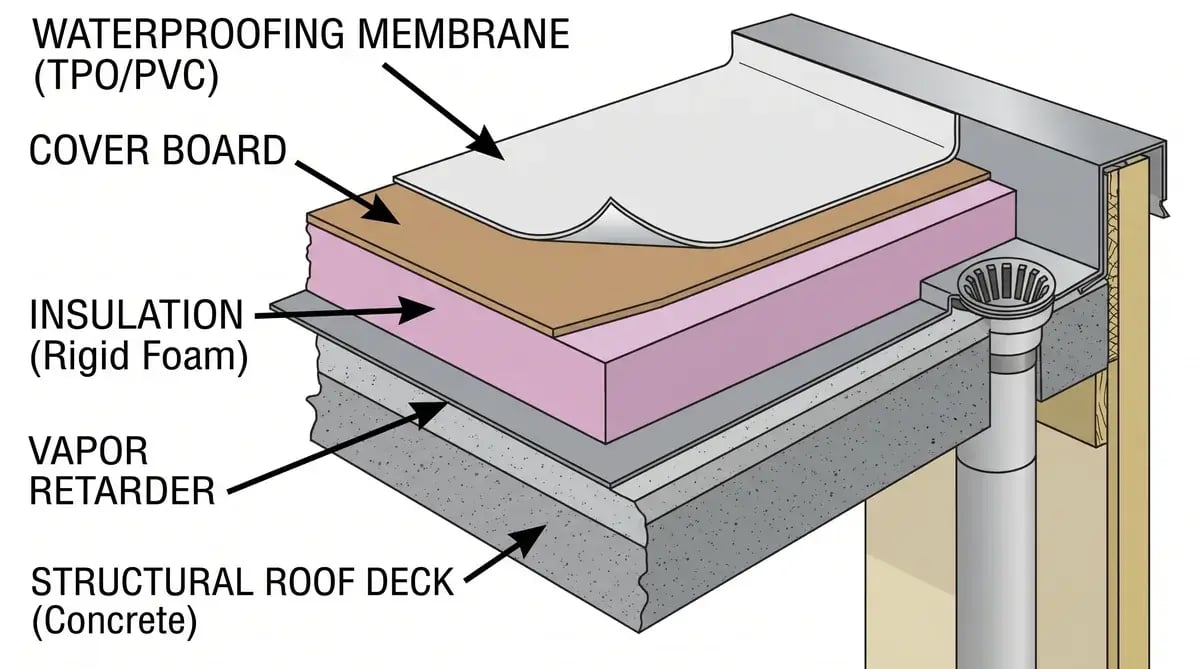
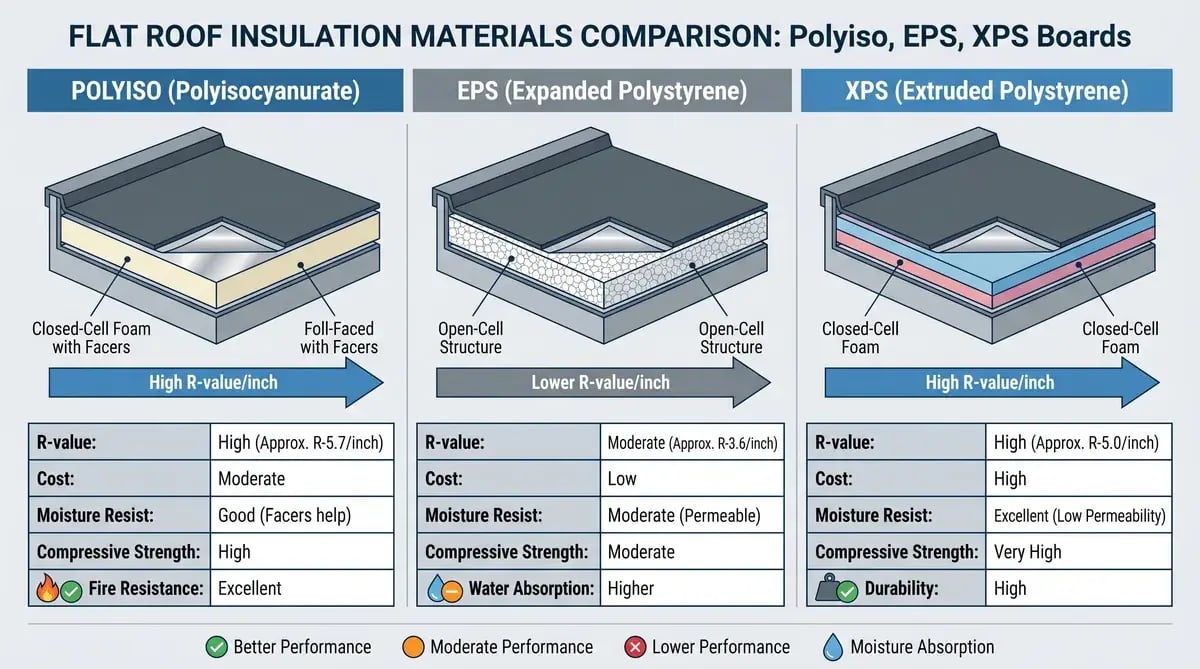
Most TPO installations include insulation to meet energy codes. Polyiso insulation adds $1.60 to $4.20 per square foot depending on thickness and R-value requirements. In South Carolina, R-25 insulation is standard, adding roughly $2.50 to $3.00 per square foot to your project cost. This investment pays dividends in our hot, humid summers by reducing cooling costs.
Tear-off and disposal
Removing your existing roof adds $1.50 to $3.00 per square foot to the project. This includes stripping the old membrane, disposing of debris, and preparing the deck. Some projects can install TPO over existing roofing, saving this cost, but building codes often require complete tear-off for safety and performance reasons.
Important note: Labor typically accounts for 30% to 45% of total project cost, while materials make up 55% to 70%. Regional labor rates in the Myrtle Beach area and roof accessibility significantly impact your final price.
How TPO compares to other flat roof materials
When evaluating TPO against other flat roofing options, cost is just one consideration. Here's how TPO stacks up against the main alternatives for coastal properties:
TPO vs PVC roofing
PVC costs $6 to $14 per square foot installed compared to TPO's $4 to $10 range. Both offer excellent energy efficiency and heat-welded seams, but PVC provides superior chemical resistance. For most residential and standard commercial applications in our area, TPO delivers similar performance at 25% to 35% lower cost.
TPO vs EPDM rubber
EPDM costs $4 to $10 per square foot, similar to TPO pricing. However, EPDM is typically black and absorbs heat rather than reflecting it. TPO's white surface can reduce cooling costs by reflecting up to 80% of the sun's rays—a significant advantage in our sunny coastal climate where air conditioning costs can be substantial.
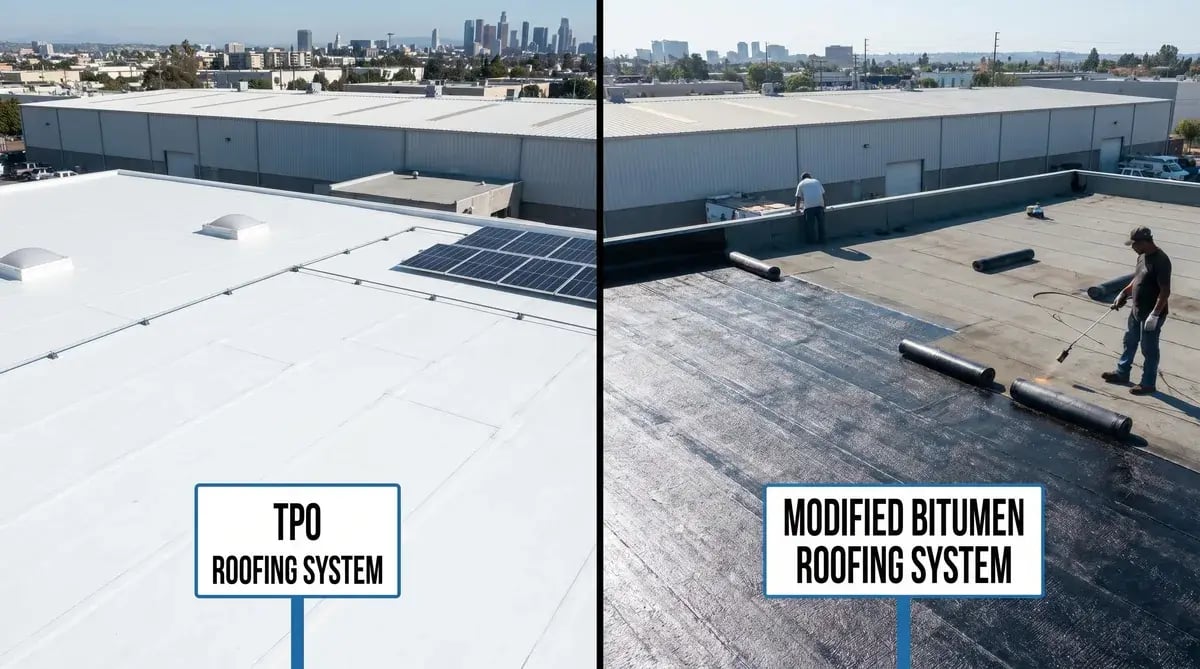
TPO vs modified bitumen
Modified bitumen runs $6 to $10 per square foot and offers excellent puncture resistance. However, TPO typically lasts longer (20-30 years vs 15-25 years) and provides better energy efficiency, making it more cost-effective over the roof's lifetime in our climate.
The key advantage of TPO is finding the sweet spot between performance and price. It costs less than premium materials like PVC while outperforming budget options like basic EPDM in energy efficiency and longevity—particularly important for properties dealing with our coastal weather conditions.
What to expect from your TPO roofing contractor
Understanding what goes into a professional TPO estimate helps you evaluate quotes and avoid surprises. A comprehensive proposal should break down costs clearly and explain the work involved.
Typical estimate components
Your contractor should itemize membrane costs, insulation, labor, tear-off (if needed), and disposal fees separately. Expect to see charges for flashing around penetrations like vents and skylights, edge metal installation, and any necessary deck repairs. Quality contractors also include permit fees and warranty information in their proposals.
Installation timeline and process
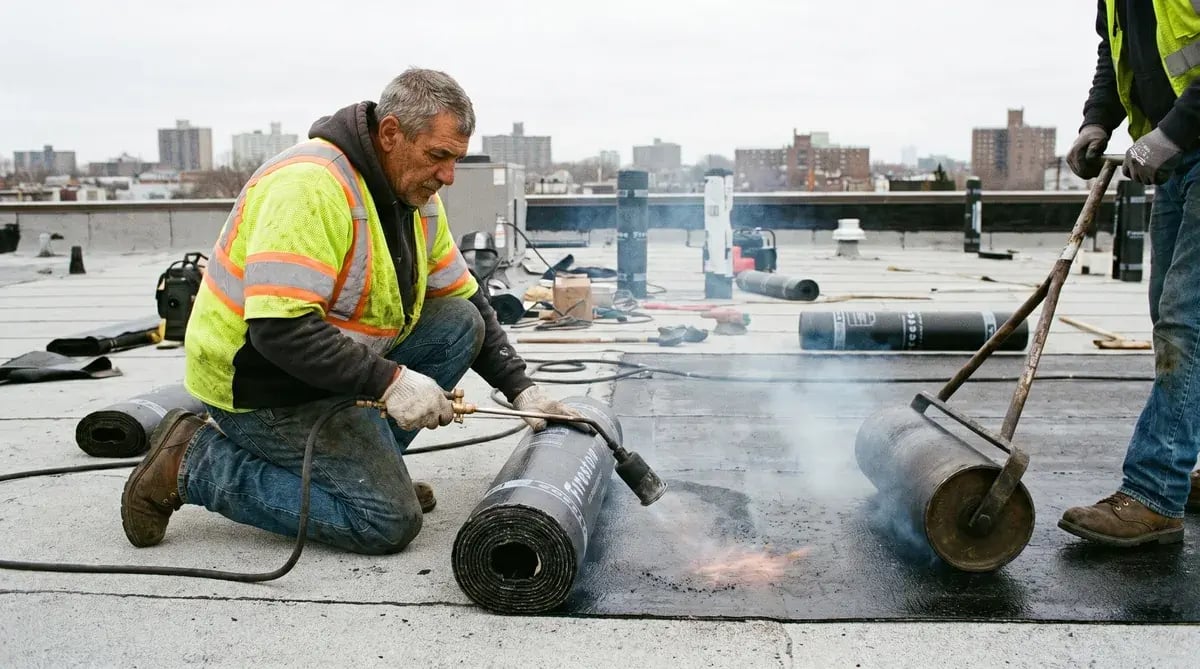
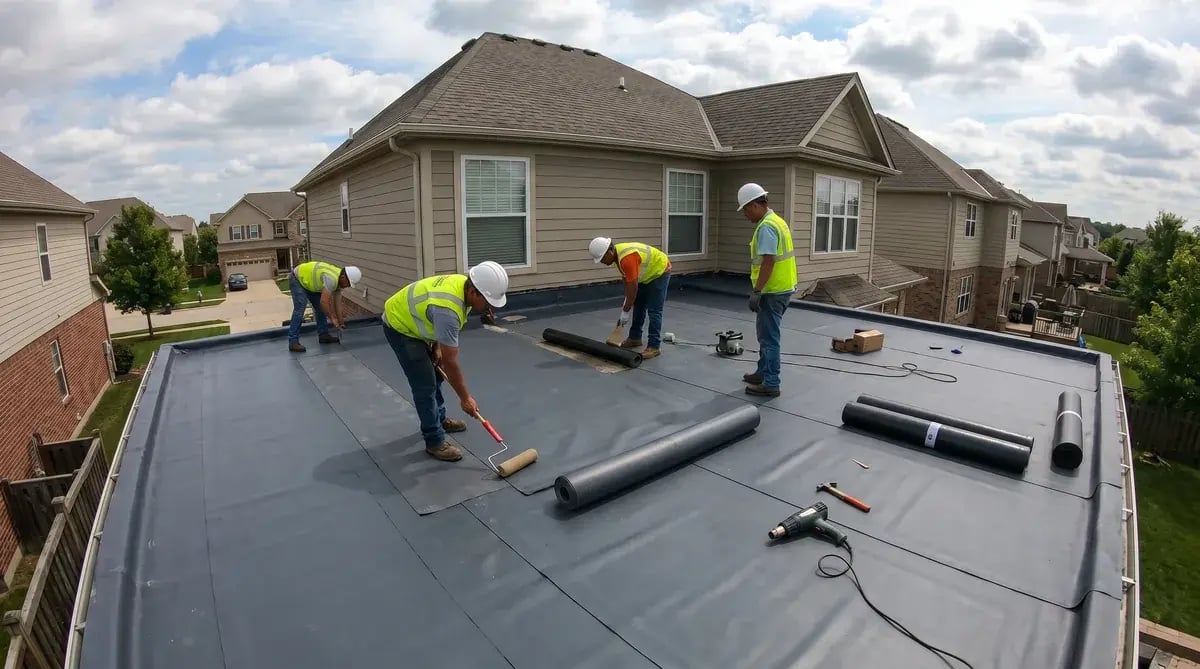
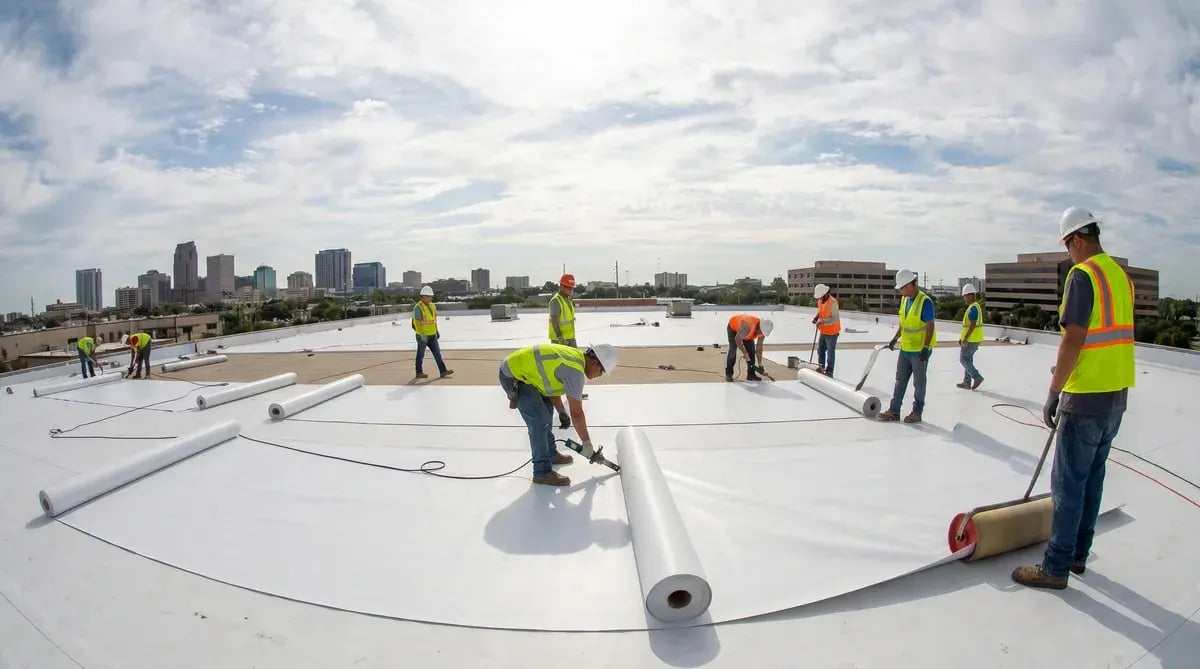
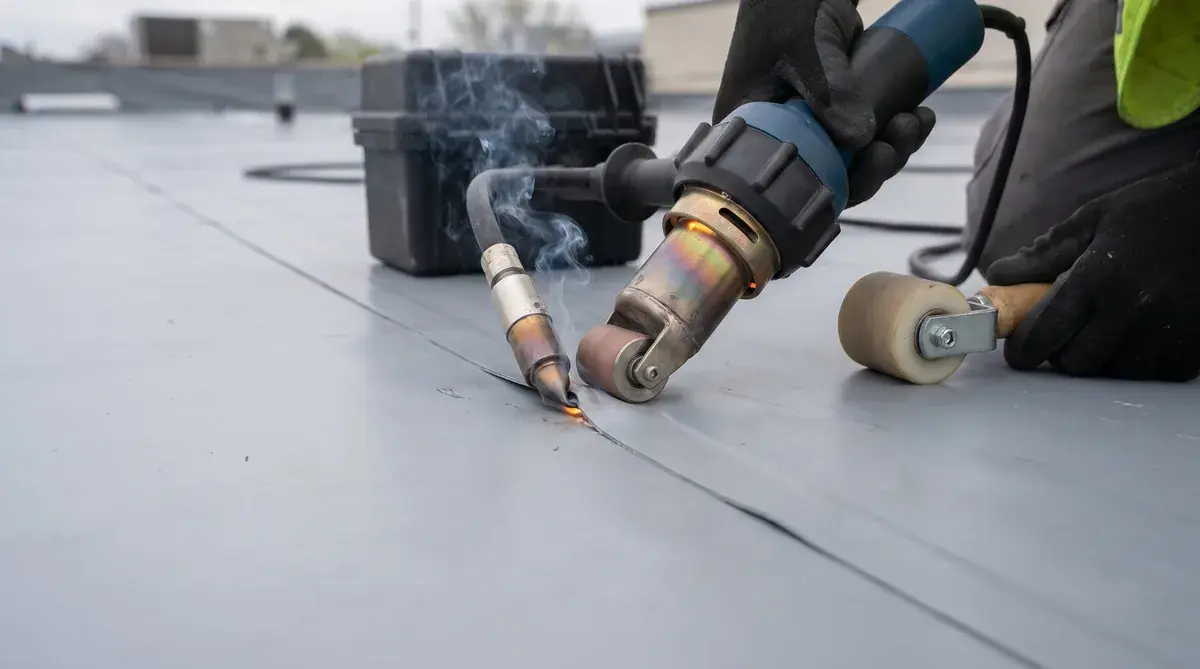
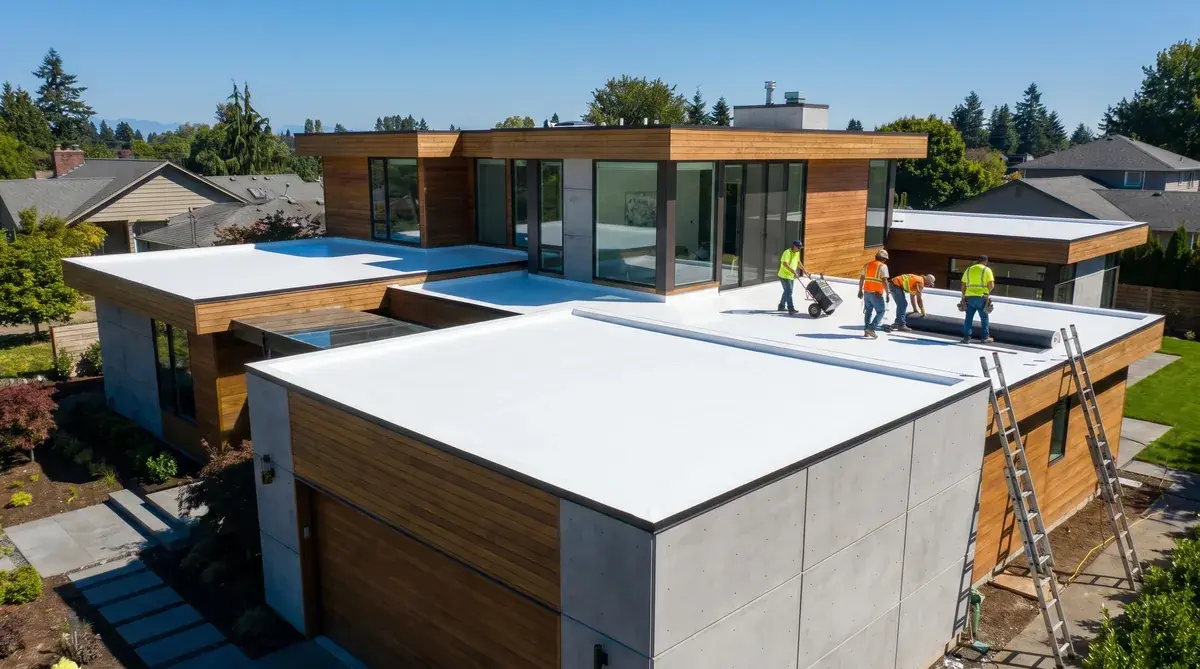
Most residential TPO projects take 1 to 3 days depending on size and complexity. The process involves removing old roofing (if required), installing insulation, rolling out the membrane, heat-welding seams, and completing flashing details. Weather delays can extend timelines in our area, especially during hurricane season, so build some flexibility into your schedule.
Warranty considerations
TPO warranties typically range from 15 to 30 years depending on membrane thickness and manufacturer. A 60-mil system usually qualifies for 20 to 25-year coverage, while 80-mil membranes can get 25 to 30-year warranties. Make sure your contractor is certified by the membrane manufacturer to ensure warranty validity. At Linta Roofing, we're certified with major manufacturers like GAF and Owens Corning, ensuring our installations meet all warranty requirements.
Getting accurate quotes
No contractor can give you an exact price without inspecting your roof. Factors like structural condition, accessibility, and local code requirements all affect final costs. Get at least three quotes from certified TPO installers and compare not just price but also proposed materials and warranty terms.
A properly installed TPO roof represents excellent value for flat and low-slope applications in the Myrtle Beach area. The combination of energy efficiency, reasonable cost, and proven durability makes it a smart choice for most residential and commercial properties with flat roofs. Focus on finding an experienced installer rather than just the lowest bid, as installation quality directly impacts your roof's performance and longevity in our challenging coastal environment. Linta Roofing guarantees you will not overpay. Find the same roof cheaper after you have signed, and they return your deposit plus $100.
Frequently Asked Questions About TPO Roofing Cost
How much does TPO roofing cost per square foot in 2026?
What is the cost difference between 60 mil and 80 mil TPO roofing?
Is TPO roofing cheaper than EPDM or PVC?
How much does it cost to replace a TPO roof versus repair it?
Topics: