.png?width=200&height=78&name=LR_Logo_vector_horizontal_color_shadow%20(1).png)

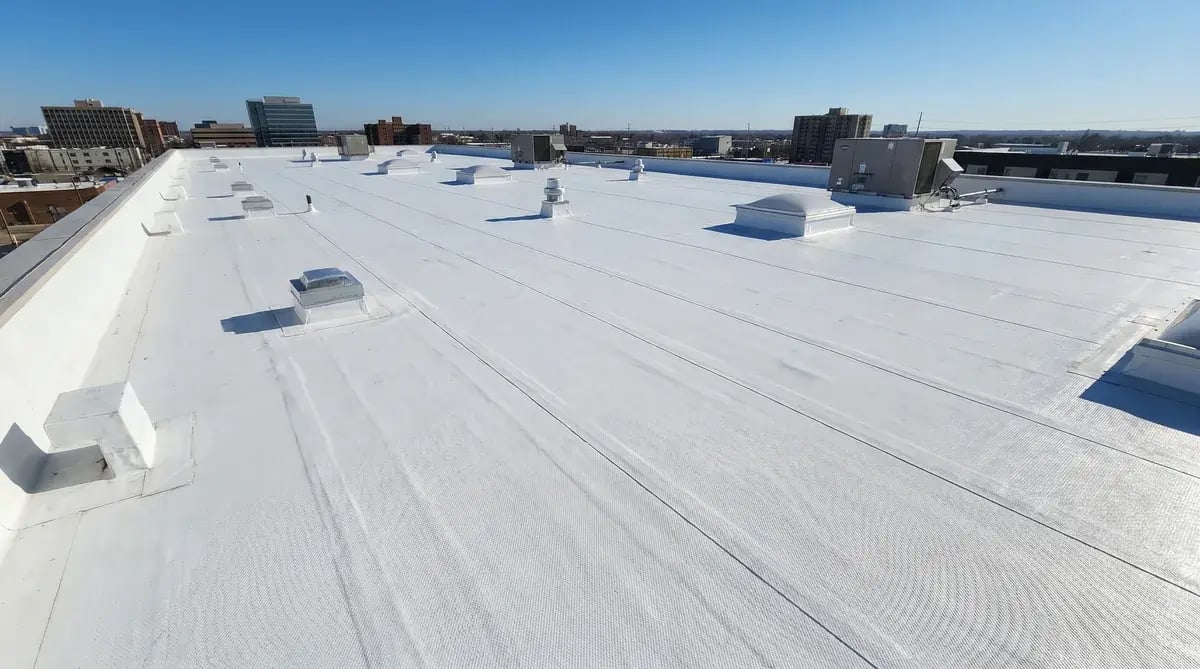
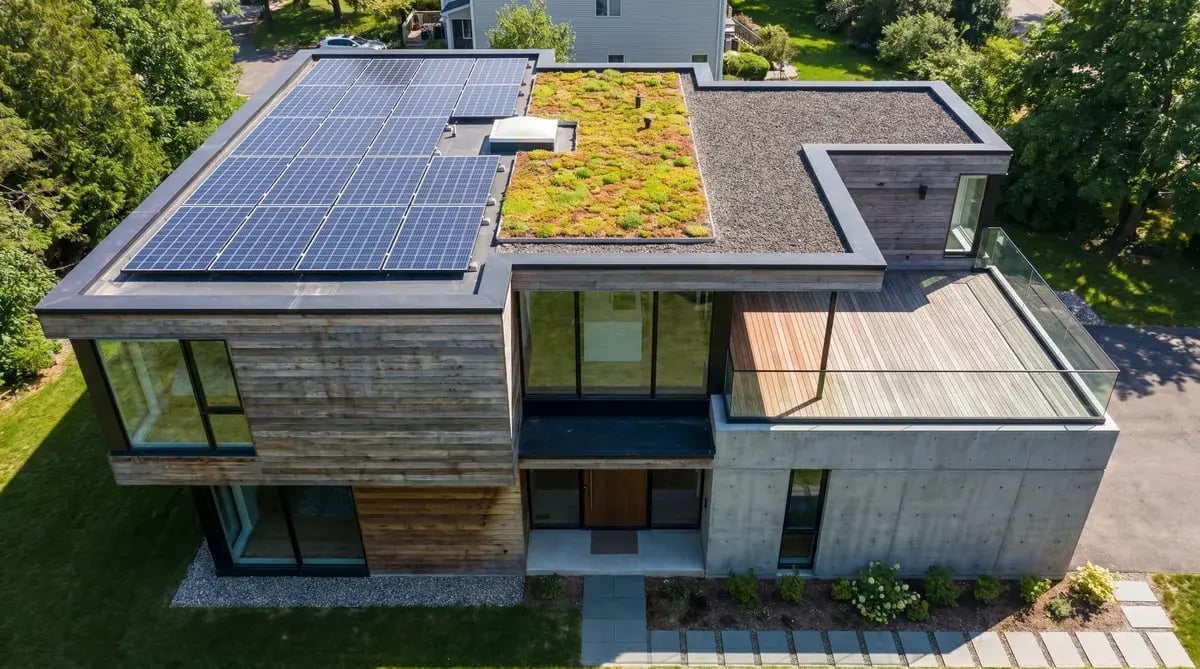
Choosing the wrong insulation for your flat roof can lead to high energy bills, condensation problems, and premature roof failure. With flat roofs covering most commercial buildings and appearing more frequently on residential projects in the Myrtle Beach area, understanding your insulation options is critical for long-term performance and energy efficiency in our coastal climate.
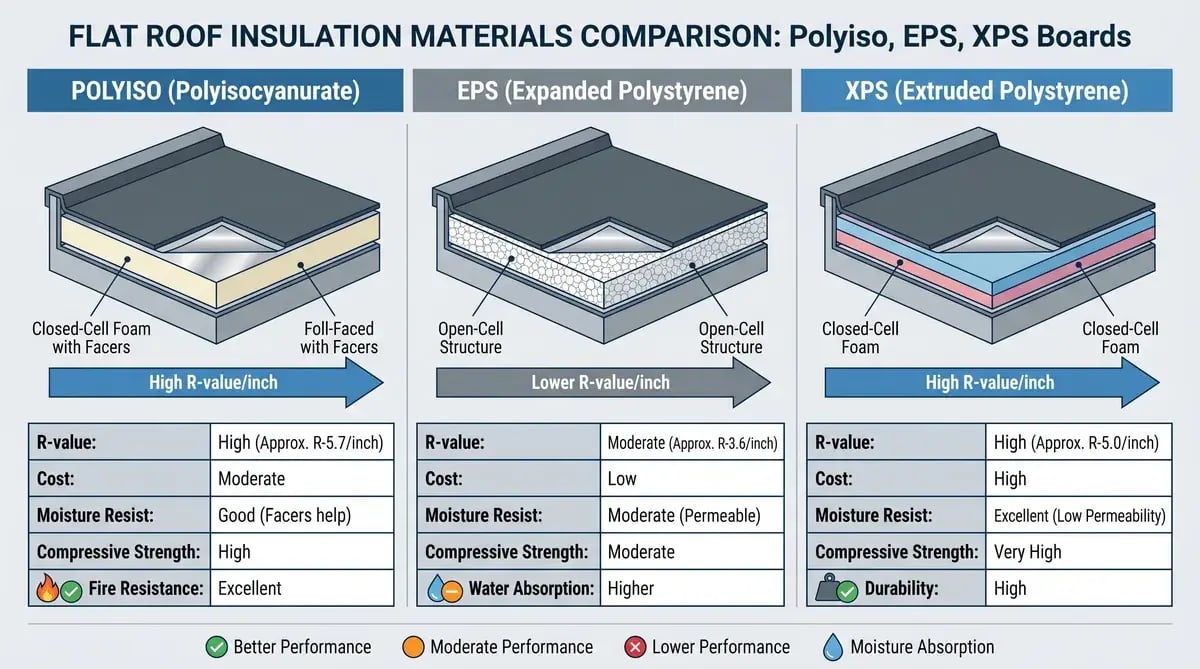
Flat roof insulation provides thermal resistance between your interior space and the outside environment, helping maintain comfortable indoor temperatures while reducing heating and cooling costs. The most common primary insulation materials include polyisocyanurate (polyiso), expanded polystyrene (EPS), and extruded polystyrene (XPS), each offering different performance characteristics for specific applications in the humid, subtropical conditions of coastal South Carolina.
Key Insight: The International Building Code defines low-slope roofs as having a pitch of 3:12 or less, with "flat" roofs requiring minimum slopes of ¼:12 to ½:12 for proper drainage—especially important in our region where heavy rainfall and coastal storms are common.
This guide covers the main flat roof insulation systems, primary materials and cover boards, R-value requirements, and practical selection criteria to help Myrtle Beach homeowners and property owners make an informed decision for their project.
Flat roofs are one of many systems we work with directly: Linta Roofing installs and repairs asphalt shingle, metal, tile, cedar and flat roofs, and have transparent pricing for every one of them. Linta also handles inspections, maintenance plans, emergency response, insurance claim support and full replacement.
Types of flat roof insulation systems
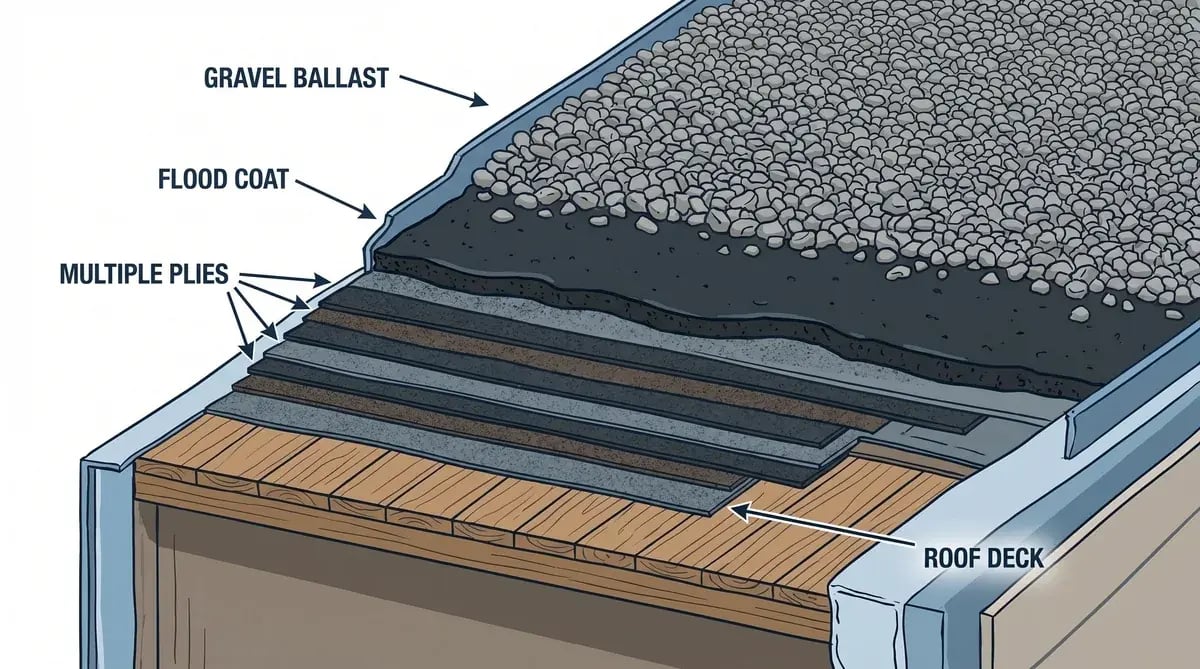
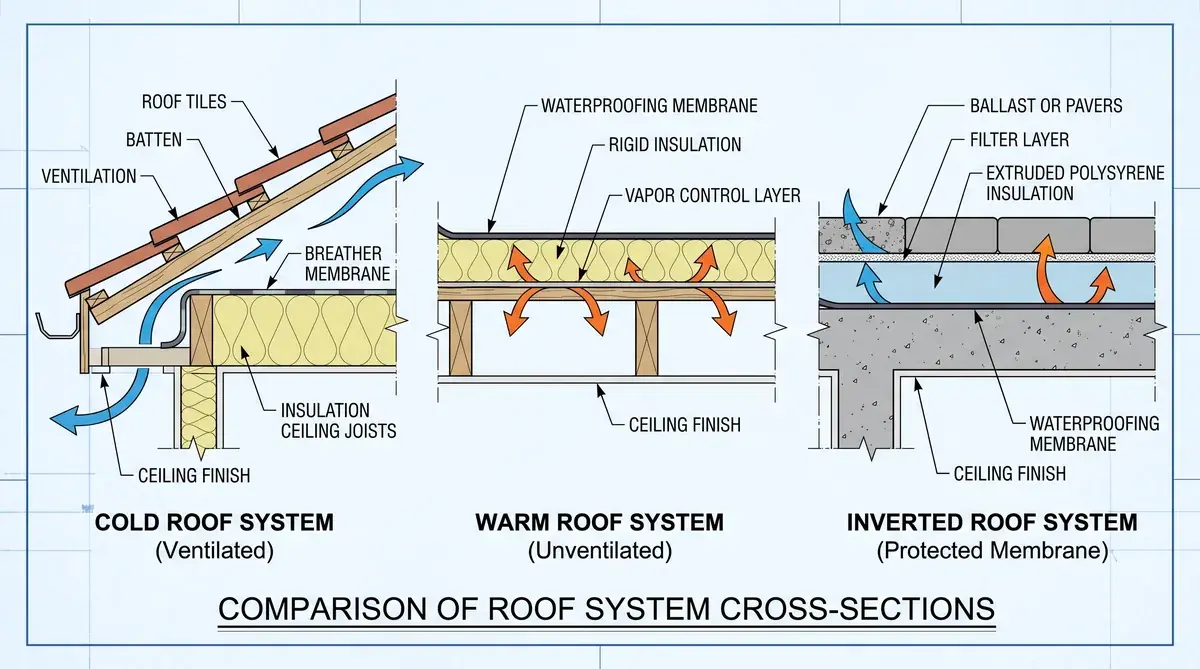
Understanding how insulation fits into your roof assembly affects both material selection and long-term performance in our coastal environment. The three main approaches each place insulation in different positions relative to the roof deck and membrane.
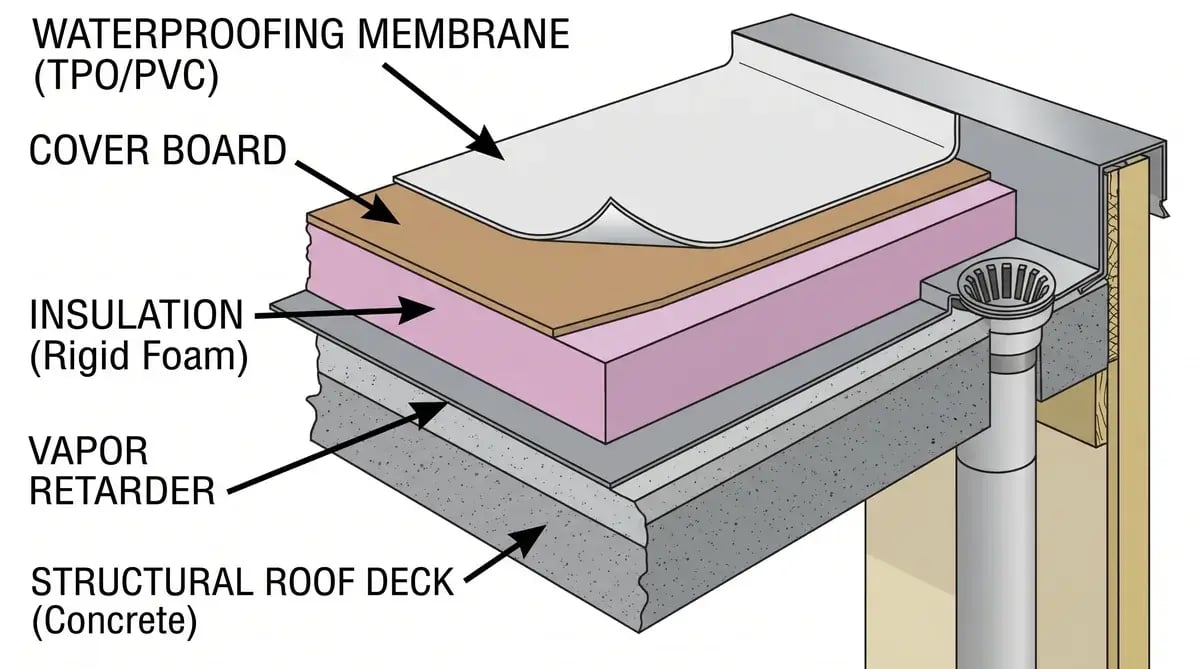
Warm roof systems place insulation above the roof deck, keeping the structural deck at or near interior temperature. This approach eliminates thermal bridging through the deck and reduces condensation risk—particularly important in our humid climate. Most commercial flat roofs use warm roof construction because it's easier to achieve continuous insulation and meets energy code requirements more readily.
Cold roof systems install insulation between structural elements like joists, with the roof deck exposed to exterior temperatures. While less common in new construction, this approach might be necessary when retrofitting existing buildings with limited structural capacity. Cold roofs require careful vapor control and ventilation to prevent condensation issues, which can be challenging in our humid coastal environment.
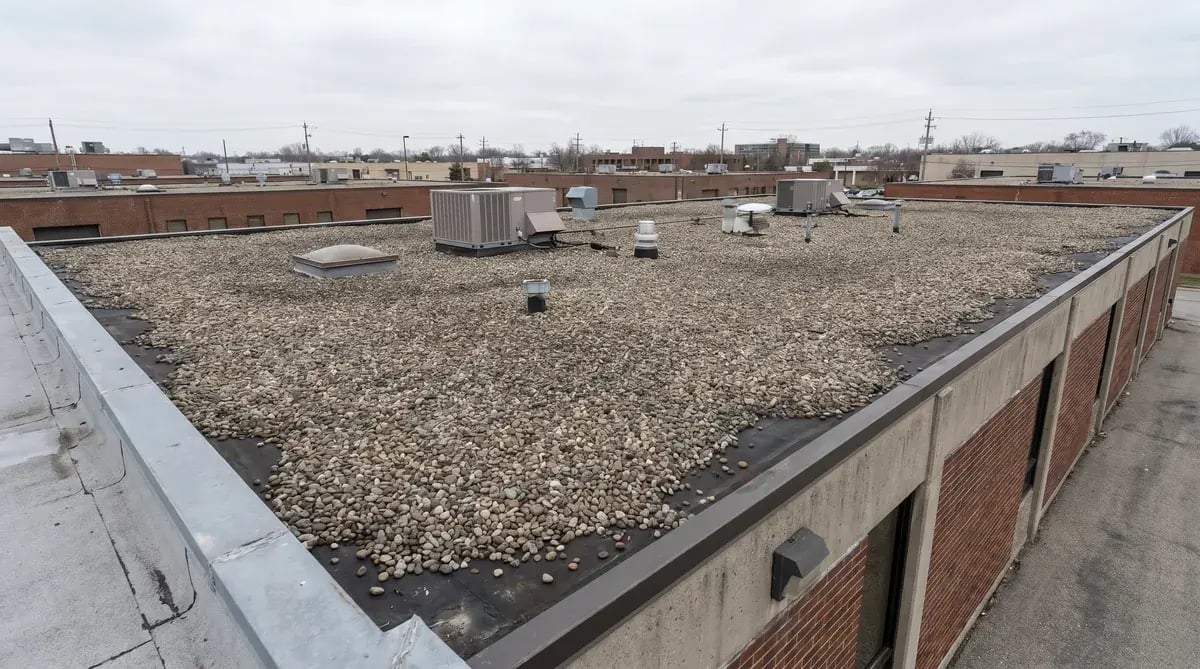
Inverted roof systems place insulation above the waterproof membrane, protecting the membrane from temperature extremes and UV exposure. This approach works well for green roofs, plaza decks, and areas with frequent ponding water—a consideration for properties in flood-prone areas of Horry and Georgetown counties. These systems require moisture-resistant insulation materials like XPS.
Primary flat roof insulation materials
The core insulating materials provide the majority of thermal resistance in your roof assembly. Each material offers distinct advantages depending on your specific project requirements and roof system type in the Myrtle Beach area.
Polyisocyanurate (polyiso) dominates commercial roofing with approximately 75% market share due to its high R-value per inch and cost effectiveness. Polyiso boards typically provide R-6 to R-6.5 per inch and come with fiberglass or foil facings. The closed-cell foam structure offers good moisture resistance, though performance can decrease in very cold temperatures—less of a concern in our mild coastal winters. Polyiso works well in warm roof systems and is available in both flat and tapered configurations for drainage.
Expanded polystyrene (EPS) offers a cost-effective option with stable R-values around R-4 per inch. EPS maintains consistent thermal performance across temperature ranges and provides good long-term dimensional stability. However, its lower R-value per inch means thicker installations to achieve the same thermal performance as polyiso. EPS works well under ballasted systems and in applications where budget is a primary concern for residential projects.
Extruded polystyrene (XPS) provides excellent moisture resistance with R-values around R-5 per inch, making it ideal for inverted roof systems, green roofs, and areas with ponding water concerns—particularly relevant for properties near the coast or in flood-prone areas of our service region. XPS maintains its insulating properties even when exposed to moisture, though it costs more than EPS. The material's high compressive strength also makes it suitable for plaza decks and other trafficked applications.
Performance Note: In South Carolina's climate zone 3, polyiso performs consistently well year-round, making it an excellent choice for most residential flat roof applications in the Myrtle Beach area.
Cover boards and supplementary materials
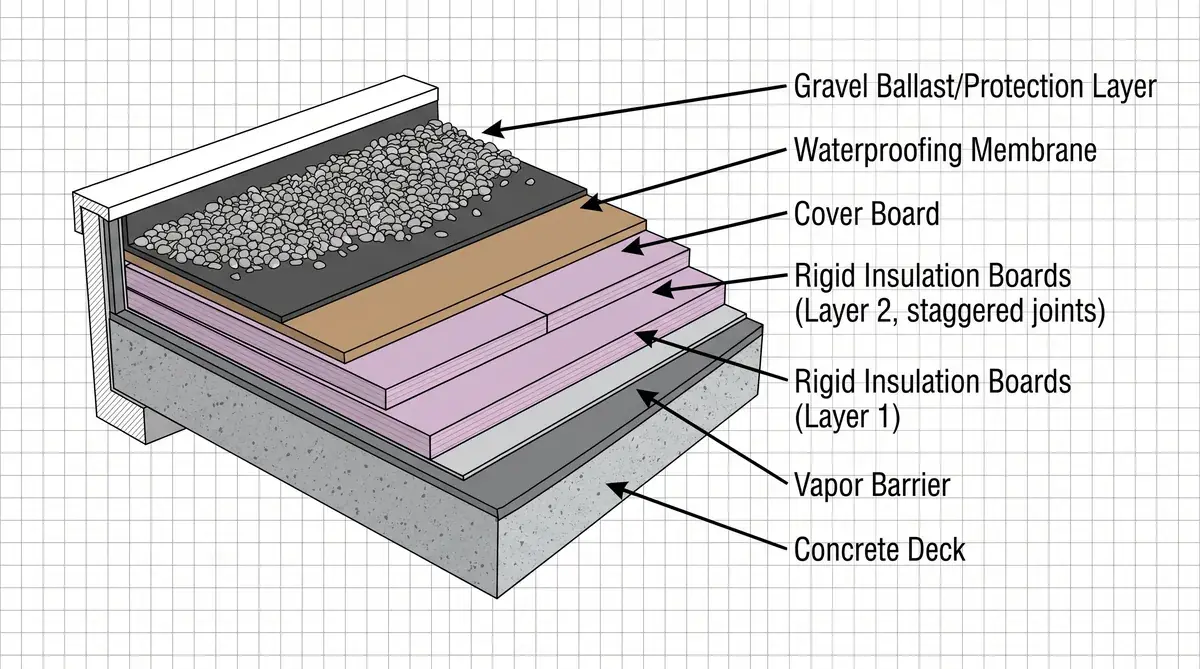
Cover boards protect primary insulation and provide additional performance characteristics like fire resistance, impact protection, and improved membrane adhesion. These materials typically don't contribute significant R-value but serve critical functional roles in coastal environments.
Gypsum board consists of a gypsum core with fiberglass mat facings, providing fire resistance ratings and impact protection. It's commonly used as a cover board over combustible insulation materials to meet fire code requirements. Gypsum board also creates a smooth surface for membrane installation and helps achieve wind uplift ratings—important for coastal properties that may face hurricane-force winds.
Cement board combines cement and aggregates with fiberglass facings, offering excellent fire and moisture resistance. It's particularly useful over EPS or XPS when fully adhered membrane systems are specified, as these foam plastics don't provide suitable surfaces for direct membrane adhesion. Cement board withstands prolonged moisture exposure and provides high impact resistance against coastal weather conditions.
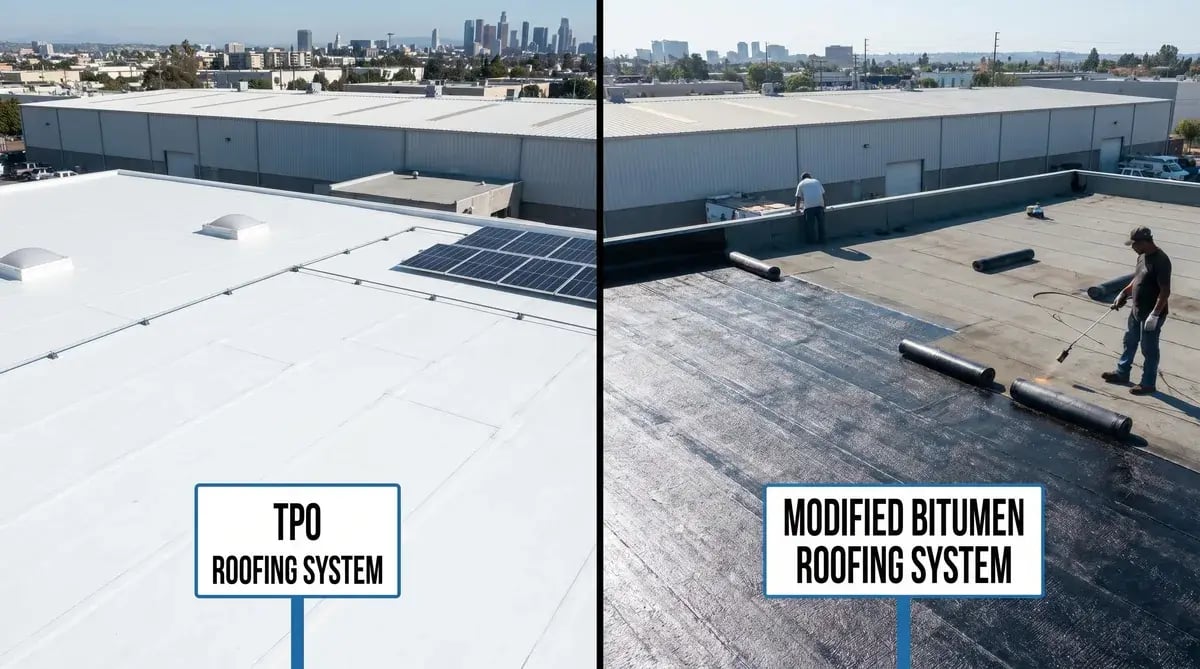
Perlite board uses expanded volcanic glass with wood fibers, creating a lightweight but strong cover board. It's traditionally used with hot-applied bitumen systems and modified bitumen membranes. Perlite provides good fire resistance and creates an ideal surface for hot-mopped applications.
Wood fiber board offers an environmentally sustainable option made from recycled wood fibers. High-density versions provide walkable surfaces and good puncture resistance. Wood fiber board works well with various membrane types and provides stable R-values over time.
How to choose the right insulation for your project
Selecting the optimal insulation system depends on several interconnected factors that affect both immediate performance and long-term durability in our coastal climate. Consider these key decision criteria when evaluating your options for properties in Horry County, Georgetown County, or southeastern North Carolina.
Roof system type largely determines insulation placement and material compatibility. Warm roof systems offer the most flexibility in material choice, while inverted systems require moisture-resistant materials like XPS. Cold roof systems need careful attention to vapor control and may limit material options in our humid environment.
Climate and energy requirements influence both R-value targets and material selection. In South Carolina's climate zone 3, R-values of R-20 to R-30 are typically required for flat roofs. Our subtropical climate with hot, humid summers and mild winters means materials that handle thermal cycling and moisture well are preferred.
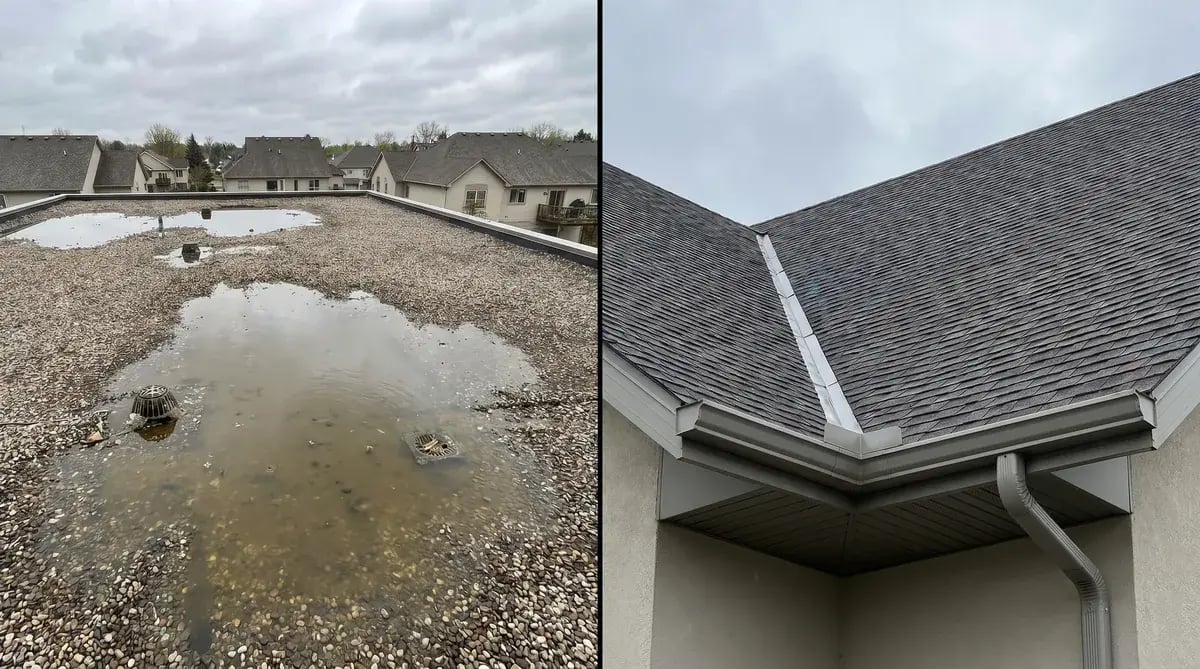
Moisture and drainage conditions significantly impact material choice in our coastal region. Areas prone to ponding water—common during heavy summer thunderstorms or tropical weather events—need moisture-resistant materials. Well-drained roofs can use more cost-effective options. Green roofs and plaza decks almost always require XPS or other moisture-resistant systems.
Budget and lifecycle considerations involve balancing upfront costs with long-term performance. While polyiso costs more per board than EPS, its higher R-value per inch can reduce total system thickness and installation costs. Consider both material costs and labor requirements when comparing options.
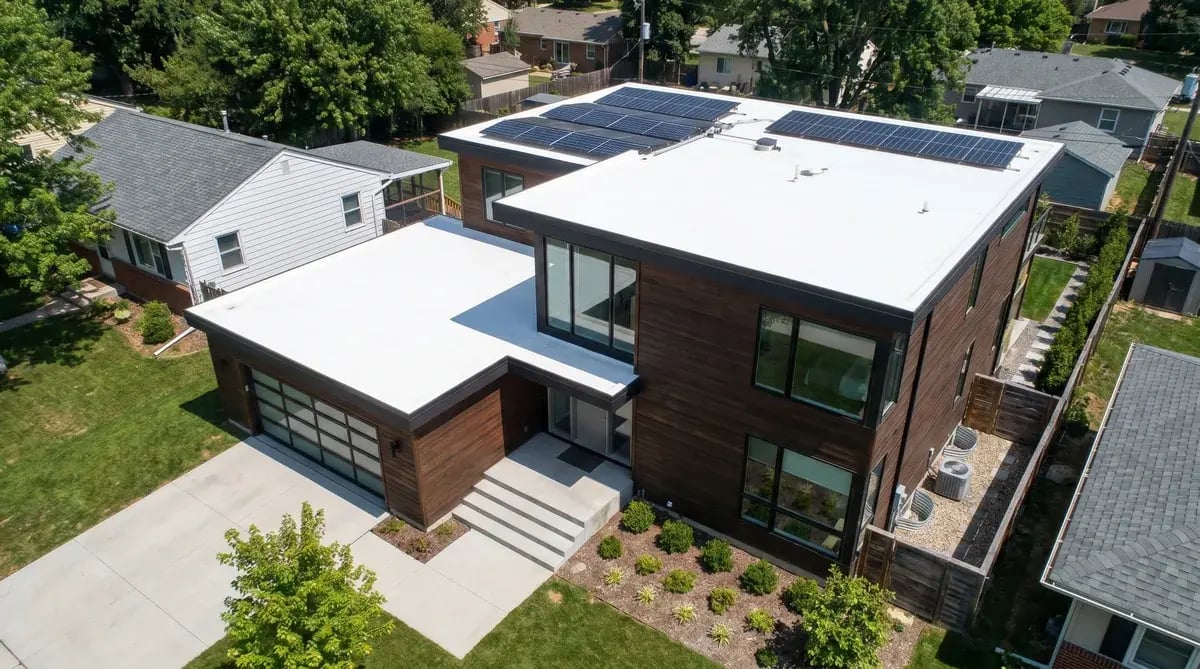
For a typical residential flat roof in the Myrtle Beach area, polyiso with a suitable cover board often provides the best balance of performance and cost. Projects with ponding concerns or properties in flood-prone areas typically benefit from XPS in inverted configurations.
Choosing the right flat roof insulation system requires understanding how different materials and configurations work together to meet your specific performance goals in our coastal environment. Whether you're working with a new construction project or retrofitting an existing roof in Little River, Myrtle Beach, or surrounding areas, the combination of proper system selection, adequate R-values, and quality installation will determine your roof's long-term success. At Linta Roofing, we've been helping homeowners in the greater Myrtle Beach area select and install appropriate insulation strategies since 1948, and we recommend consulting with experienced roofing professionals who understand the unique challenges of our coastal climate. Linta Roofing is an IKO ROOFPRO Craftsman Premier contractor, which lets it offer IKO Extended Iron Clad Protection warranties on the materials it installs.