.png?width=200&height=78&name=LR_Logo_vector_horizontal_color_shadow%20(1).png)

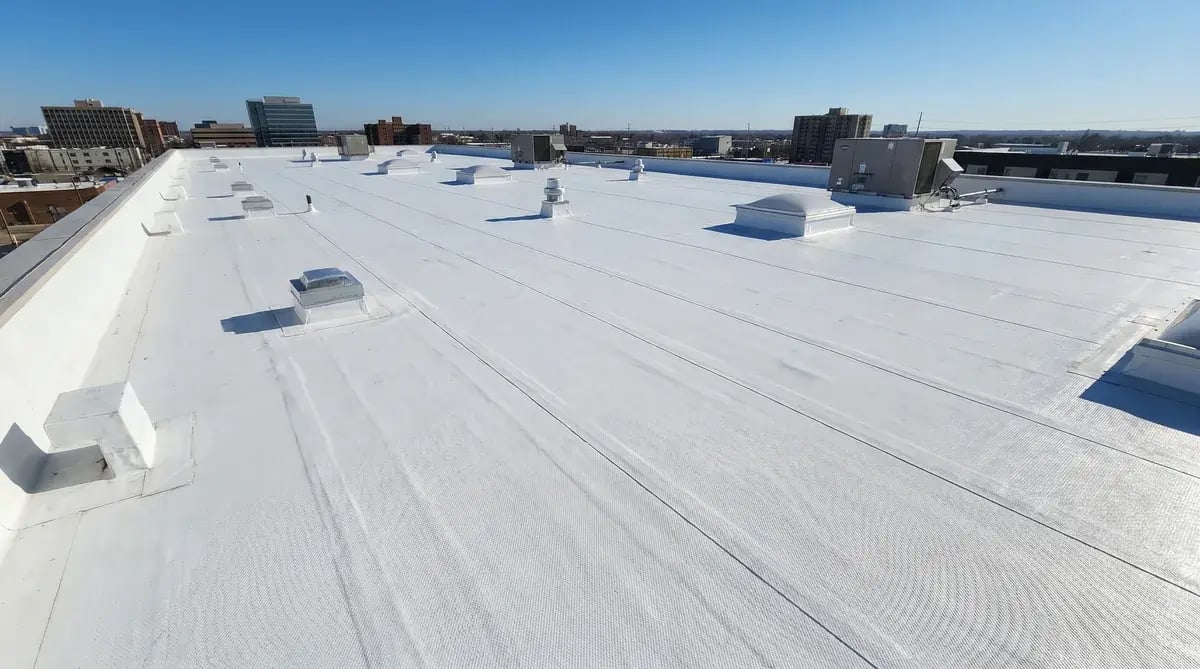
PVC roofing is a single-ply thermoplastic membrane made from polyvinyl chloride that offers exceptional durability and chemical resistance for flat and low-slope roofs. With proper installation, PVC roofs typically last 20-30 years and provide excellent energy efficiency through their reflective white surface. However, they come with higher upfront costs compared to other roofing materials and require professional installation to avoid common issues like seam failure and water pooling.
Key Insight: PVC roofing costs 25-35% more than TPO initially but delivers superior chemical resistance and ponding tolerance, making it ideal for restaurants, industrial facilities, and buildings with challenging roof conditions.
If you're considering PVC roofing for your commercial building or flat-roof home in the Myrtle Beach area, understanding both its advantages and limitations will help you make the right choice for your specific needs and budget. As Myrtle Beach's top roofing contractor, Linta Roofing has extensive experience with various roofing systems and can help you determine if PVC is the right fit for your coastal property.
Linta Roofing installs and repairs asphalt shingle, metal, tile, cedar and flat roofs, and have transparent pricing for every one of them. Linta also handles inspections, maintenance plans, emergency response, insurance claim support and full replacement.
What makes PVC roofing different
PVC roofing membranes are crafted by blending polyvinyl chloride with plasticizers and UV stabilizers, then reinforcing the material with polyester or fiberglass scrim. This creates a flexible yet durable membrane that's been proven in the field for over 50 years, first appearing in Europe during the 1960s and gaining widespread adoption in the United States throughout the 1980s.
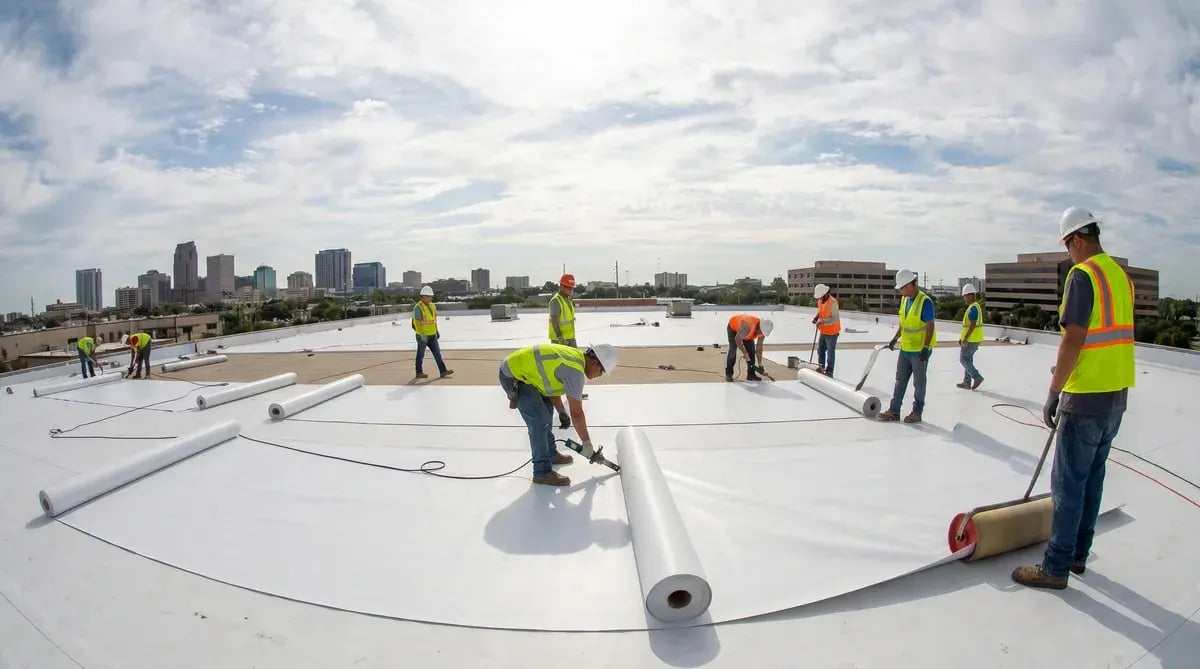
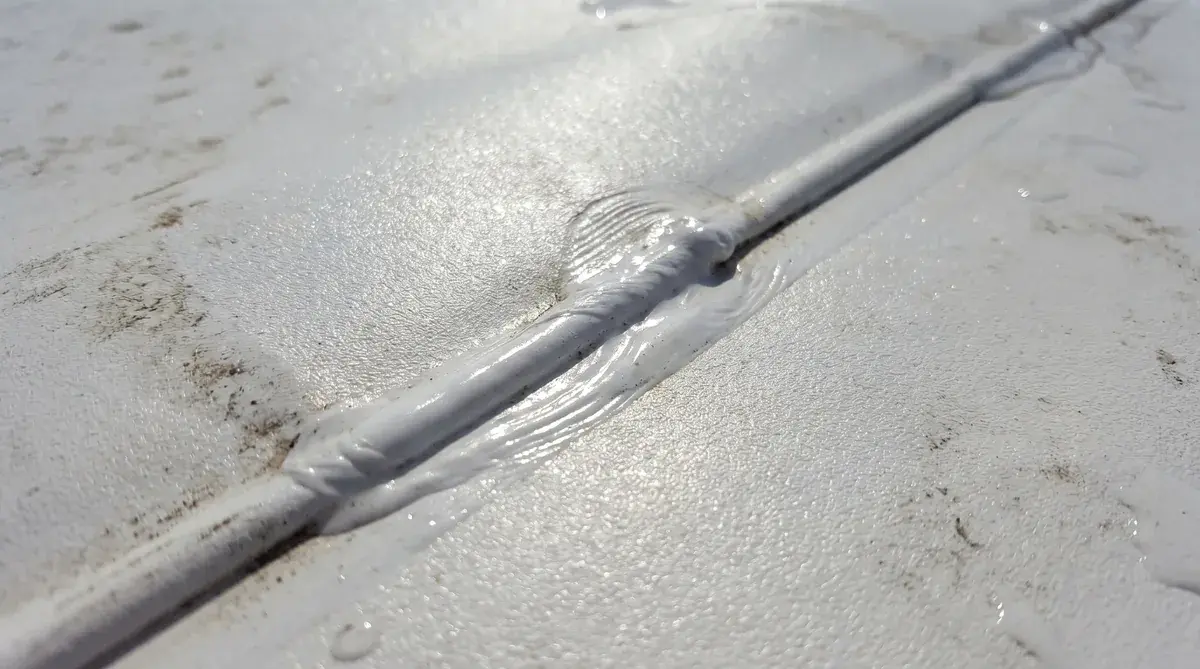
The key differentiator is PVC's heat-welded seams, which create watertight joints that are often stronger than the membrane itself. Unlike adhesive-based systems, these welded connections maintain their integrity over decades of thermal cycling and weather exposure—particularly important in the Myrtle Beach area where coastal weather patterns create challenging conditions for roofing systems.
What sets PVC apart from other single-ply membranes is its unique composition. It's the only thermoplastic roofing material that's not 100% derived from fossil fuels, consisting of 57% salt water and 43% natural gas, which helps reduce supply chain risks while maintaining consistent performance characteristics.
Key benefits of PVC roofing
Exceptional durability and longevity
PVC membranes routinely deliver 25-35 years of service life, with some premium installations exceeding 40 years. The material resists high winds, hail damage, and thermal cycling without cracking or delaminating. This longevity stems from built-in UV stabilizers that protect against solar degradation throughout the membrane's service life—crucial for buildings in the intense coastal sun of Horry County and Georgetown County.
Superior chemical and grease resistance
For restaurants, food processing facilities, and industrial buildings throughout the Myrtle Beach area, PVC's chemical resistance is unmatched among single-ply membranes. The material maintains its integrity when exposed to animal fats, vegetable oils, grease exhaust, acids, and many industrial chemicals. This resistance is inherent to the PVC polymer itself, not dependent on surface treatments that can wear away.
Outstanding energy efficiency
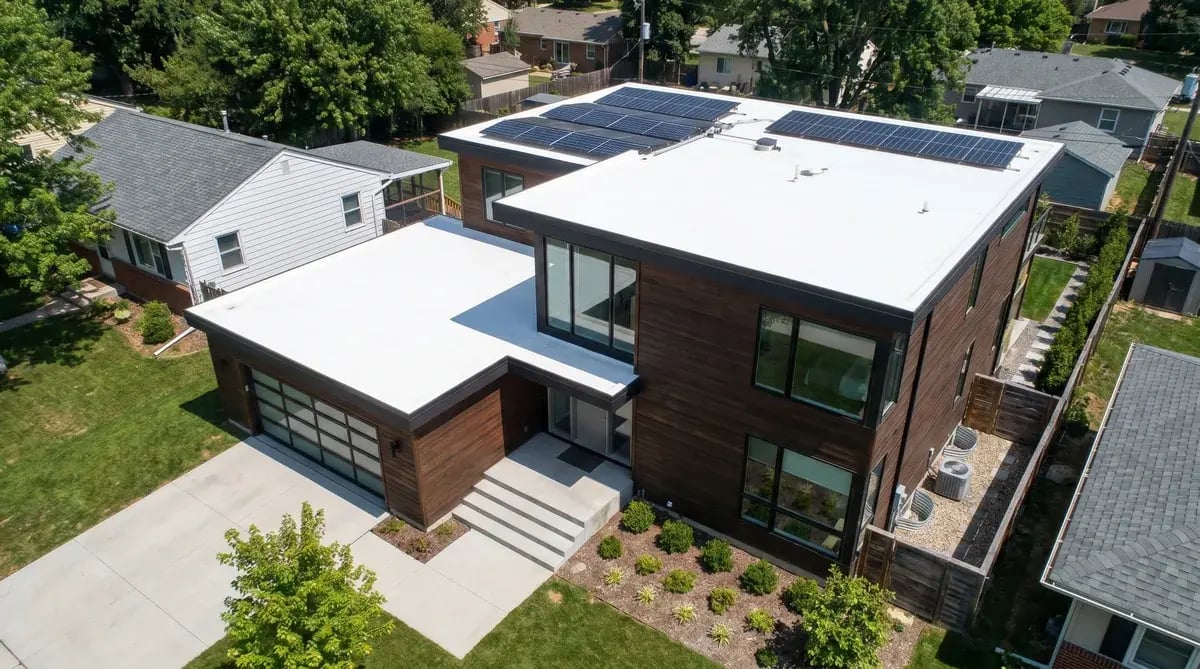
White PVC membranes reflect up to 80% of solar radiation, reducing rooftop temperatures by as much as 50°F compared to darker surfaces. This translates to lower cooling costs and reduced strain on HVAC systems, particularly valuable in South Carolina's hot, humid climate where air conditioning represents a significant operational expense for coastal businesses.
Energy Savings: Buildings with white PVC roofing can see cooling cost reductions of 10-15% annually, with the reflective surface maintaining its efficiency better than TPO over time due to superior dirt and biological growth resistance.
Excellent ponding water tolerance
PVC handles standing water better than any other single-ply membrane. Its chemical inertness means ponding doesn't accelerate degradation, and the material resists algae, bacteria, and mold growth that thrives in wet conditions on other membrane types. While proper drainage remains essential, PVC provides the greatest safety margin when ponding occurs—especially important in areas like Little River where heavy coastal rains can challenge drainage systems.
Notable drawbacks and limitations
Higher upfront investment
PVC roofing typically costs $7.00-12.00 per square foot installed, representing a 25-35% premium over TPO systems. For a 20,000 square foot commercial roof, this translates to $30,000-60,000 in additional upfront costs. This premium is only justified when PVC's specific advantages are needed for your application.
Temperature sensitivity and shrinkage
PVC can experience shrinkage during extreme temperature fluctuations, particularly at seams and terminations. While modern formulations have improved thermal stability, improper installation or inadequate fastening can lead to membrane pull-away from roof edges and penetrations during thermal cycling—a concern in coastal areas where temperature swings can be significant.
Environmental manufacturing concerns
PVC production involves chlorine and industrial chemicals, raising environmental considerations during manufacturing. However, the material is recyclable at end-of-life, and its long service life often results in better lifecycle environmental performance compared to shorter-lived alternatives that require more frequent replacement.
Common issues to watch for
Water pooling problems
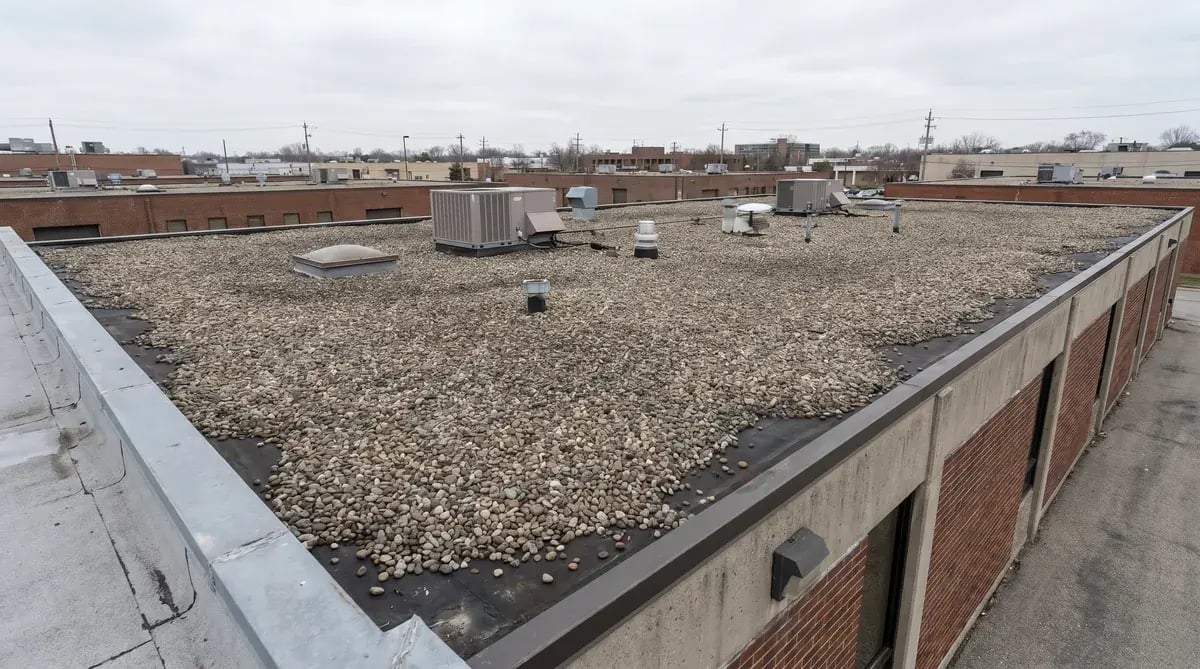
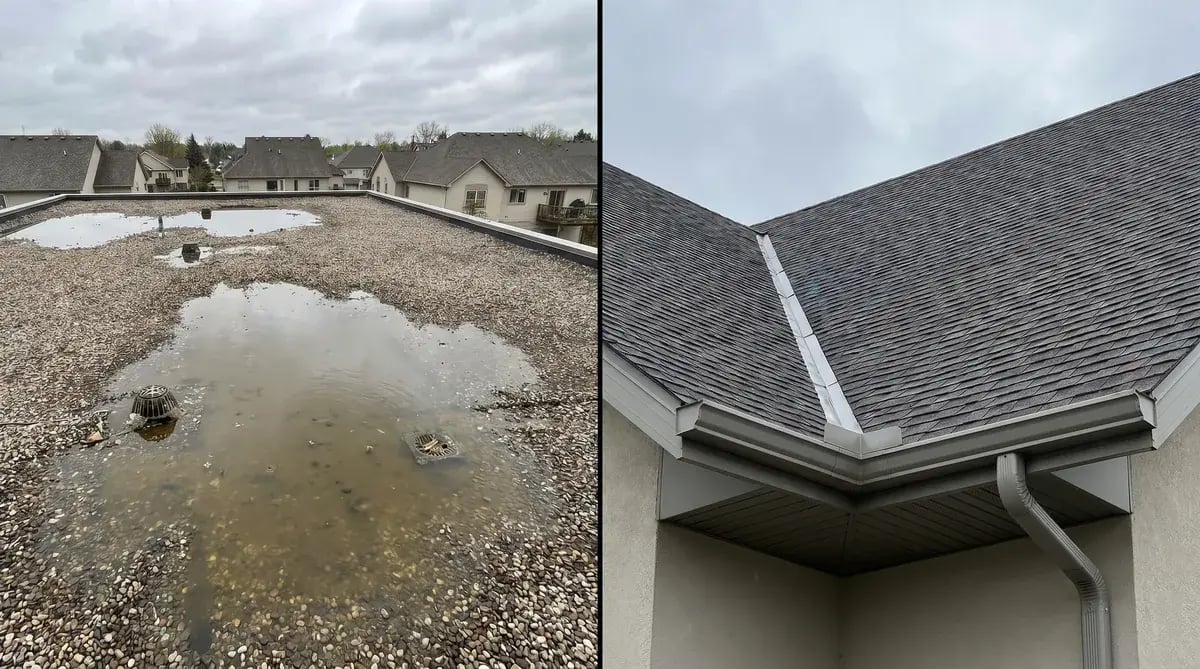
Inadequate drainage or poor installation can lead to water accumulation on PVC roofs. While PVC tolerates ponding better than other membranes, standing water still adds structural load and creates maintenance challenges. Proper slope design and regular drain maintenance are essential for preventing long-term issues, particularly in the Myrtle Beach area where heavy rainfall events are common.
Seam integrity concerns
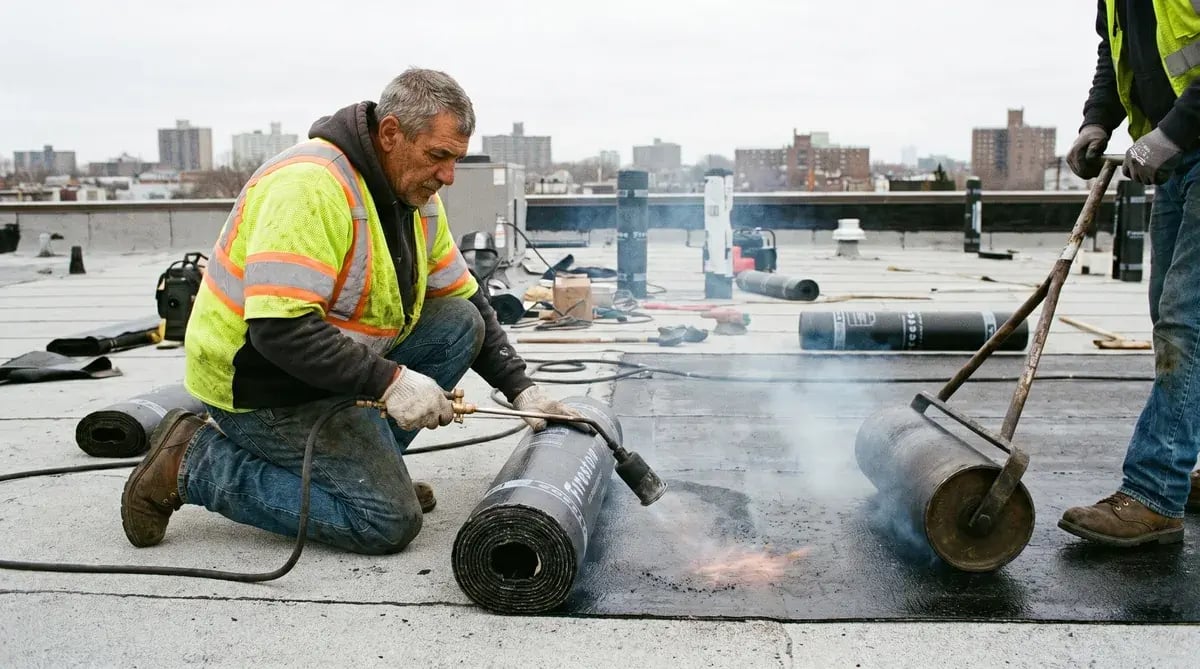
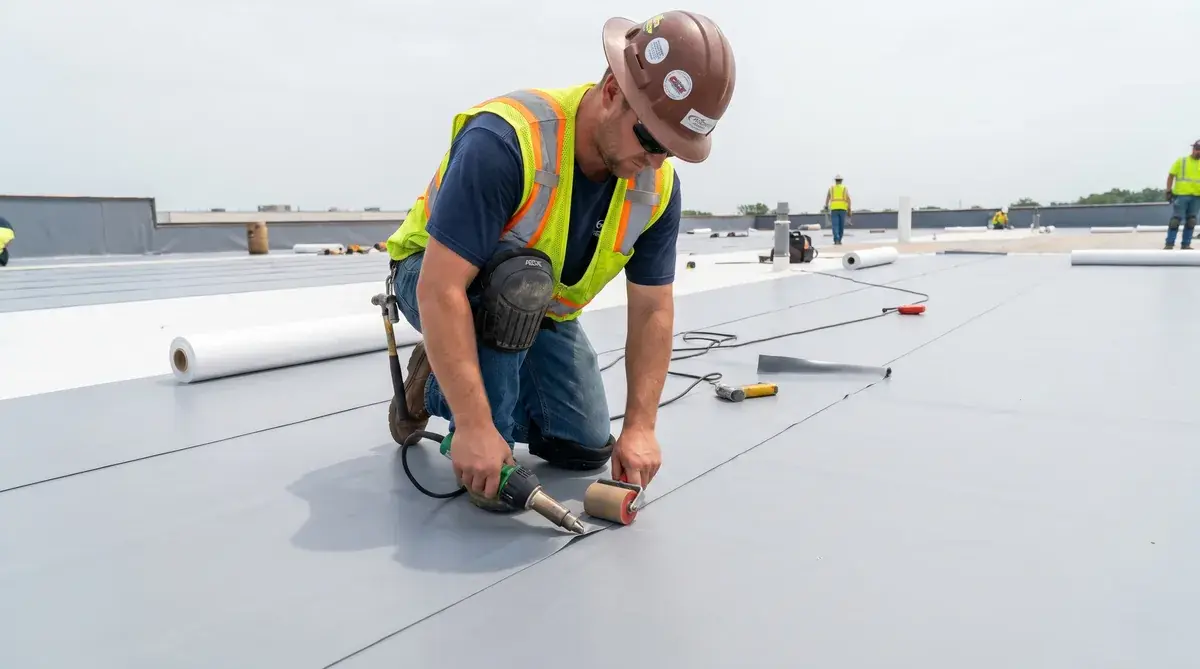
Heat-welded seams are PVC's strength, but poor welding technique during installation can create weak points. Hand-welded details around penetrations and edges are particularly vulnerable to human error. Quality control testing during installation and regular seam inspections help identify potential problems before they cause leaks.
Installation workmanship critical
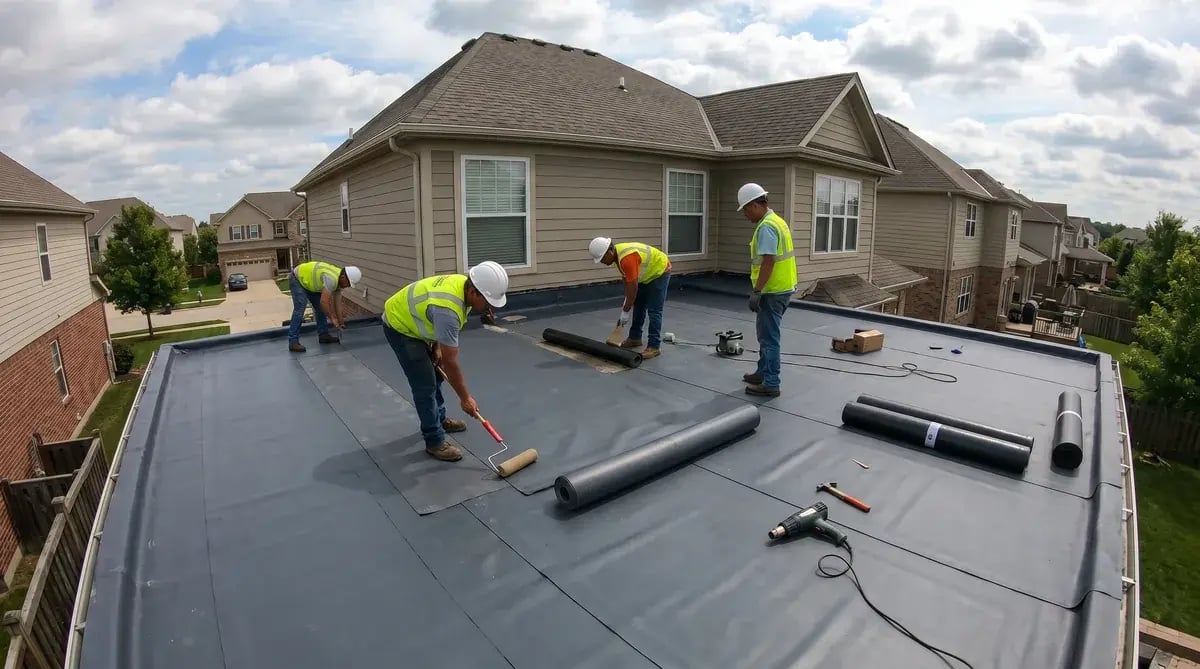
PVC's performance depends heavily on proper installation techniques. Faulty welding, inadequate fastening patterns, or poor flashing details can lead to premature failure regardless of membrane quality. Choosing experienced contractors familiar with PVC-specific installation requirements is crucial for long-term success. As a GAF and Owens Corning certified contractor serving Horry County, Georgetown County, Brunswick County, and Columbus County, Linta Roofing has the expertise to ensure proper PVC installation.
Where PVC roofing works best
Commercial and industrial applications
PVC excels on restaurants, food processing plants, chemical facilities, and manufacturing buildings where roof exposure to grease, oils, or industrial chemicals is common. The membrane's chemical resistance and heat-welded seam integrity provide reliable protection in these demanding environments throughout the greater Myrtle Beach area.
Buildings with challenging conditions
Properties subject to ponding water, heavy foot traffic, or extreme weather benefit from PVC's robust construction. Coastal buildings in South Carolina and North Carolina facing intense UV exposure, hurricane-force winds, and heavy rainfall particularly benefit from PVC's combination of reflectivity, seam strength, and weather resistance.
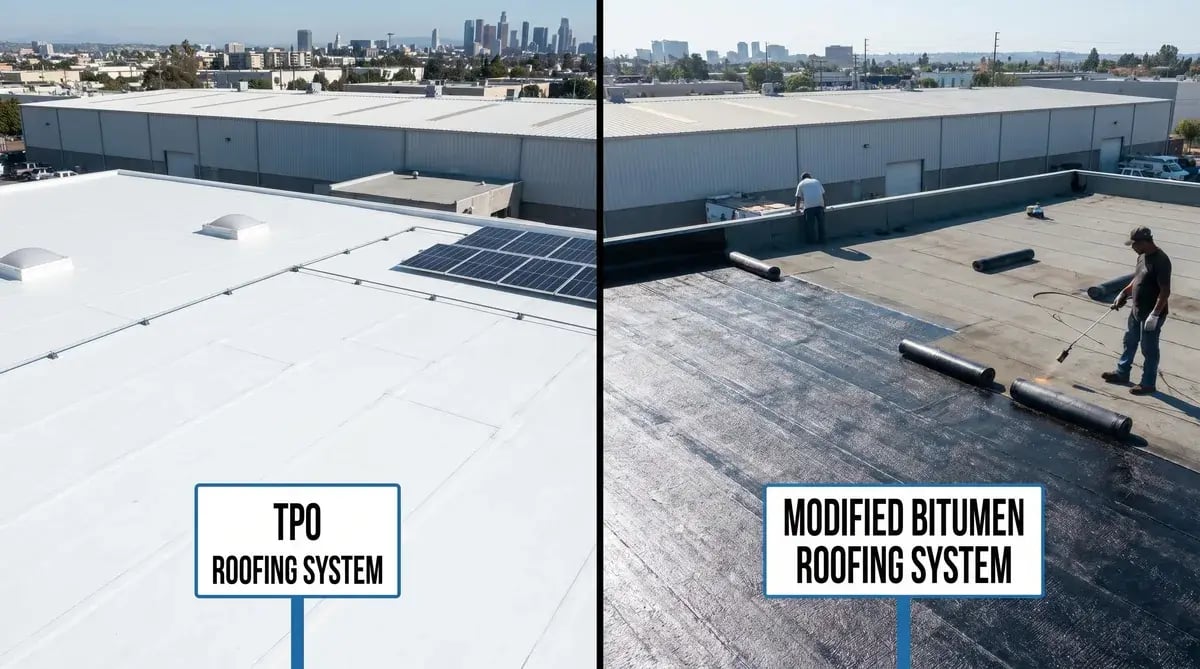
For standard commercial buildings without chemical exposure or ponding issues, TPO often provides comparable waterproofing and wind performance at lower cost. The decision between PVC and alternatives should be driven by specific application requirements rather than assuming PVC is universally superior.
Application Guide: Choose PVC when your building has grease/chemical exposure, chronic ponding issues, or requires maximum durability. For standard applications without these challenges, TPO delivers similar performance at 25-35% lower cost.
PVC roofing represents a premium solution that delivers exceptional performance when its specific advantages align with your building's needs. The higher upfront investment pays dividends through extended service life, reduced maintenance, and superior resistance to challenging conditions. However, for buildings without chemical exposure or ponding concerns, less expensive alternatives may provide better value. Consider your building's specific requirements, budget constraints, and long-term goals when making this important roofing decision. For expert guidance on whether PVC roofing is right for your Myrtle Beach area property, contact Linta Roofing for a professional consultation and inspection. Linta Roofing is an IKO ROOFPRO Craftsman Premier contractor, which lets it offer IKO Extended Iron Clad Protection warranties on the materials it installs.
FAQ
How long do PVC roofs last?
How much does PVC roofing cost?
Is PVC roofing better than TPO?
What are the main problems with PVC roofing?
Topics: