.png?width=200&height=78&name=LR_Logo_vector_horizontal_color_shadow%20(1).png)

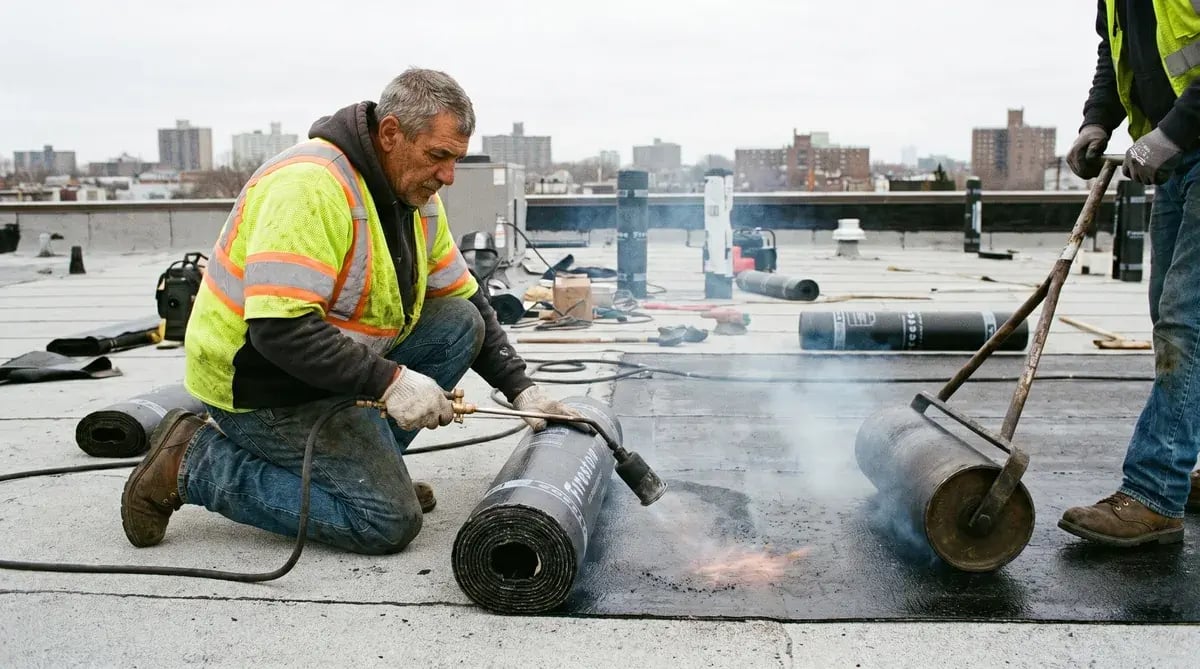
Rolled roofing is an asphalt-based roofing material sold in large rolls rather than individual shingles, designed specifically for low-slope and flat roofs. This budget-friendly option comes in rolls typically 36 inches wide by 36 feet long, covering about 100 square feet per roll.
You'll find rolled roofing most commonly used on sheds, garages, workshops, and small commercial buildings where cost-effectiveness matters more than long-term durability. The material offers quick installation and immediate weather protection, making it popular for outbuildings and temporary structures throughout the Myrtle Beach area.
Quick Fact: Rolled roofing costs significantly less than asphalt shingles but has a shorter lifespan of 5-10 years compared to shingles' 20-30 years.
While rolled roofing provides an affordable roofing solution, it's not suitable for every application. The material works best on roof slopes between 1:12 and 4:12 pitch and isn't recommended for primary residences or areas with extreme weather conditions. In coastal South Carolina, where salt air and occasional storms can impact roofing materials, understanding when and where to use rolled roofing can help you make the right choice for your specific project.
Breakdowns like this are part of a broader effort to educate homeowners: Linta Roofing runs a roofing learning center and a YouTube channel where the owner answers homeowner questions to provide first-person education to everyone. The Roofing Resource Channel covers questions such as the seven things to know before starting an insurance claim.
What makes rolled roofing different from other materials
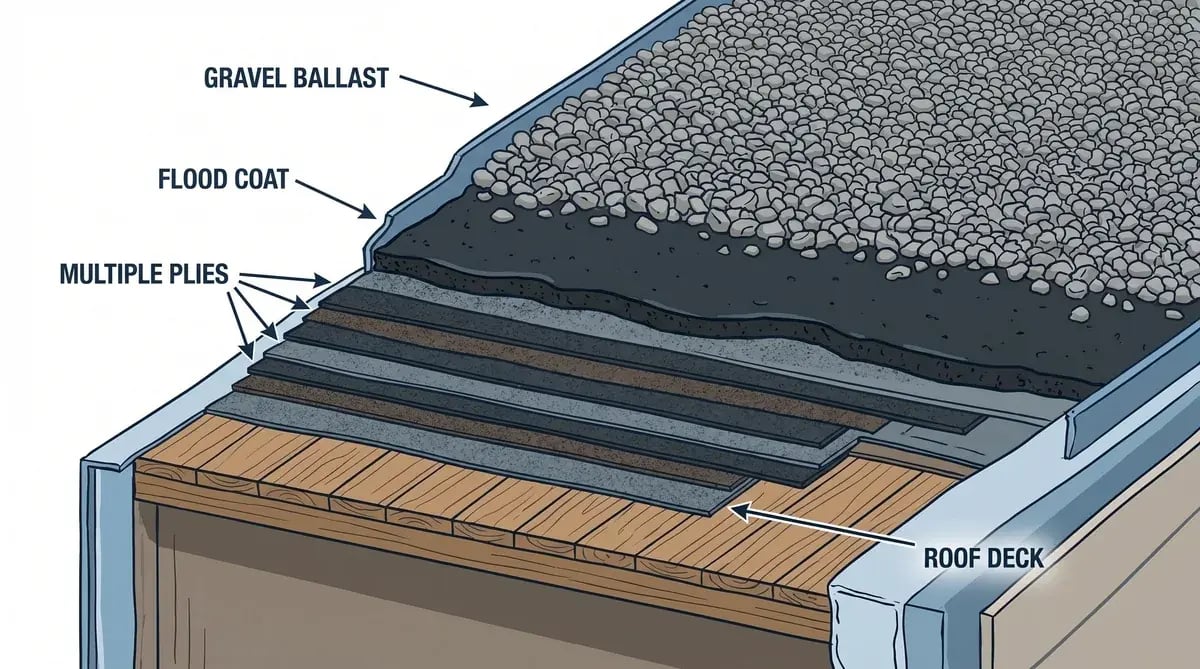
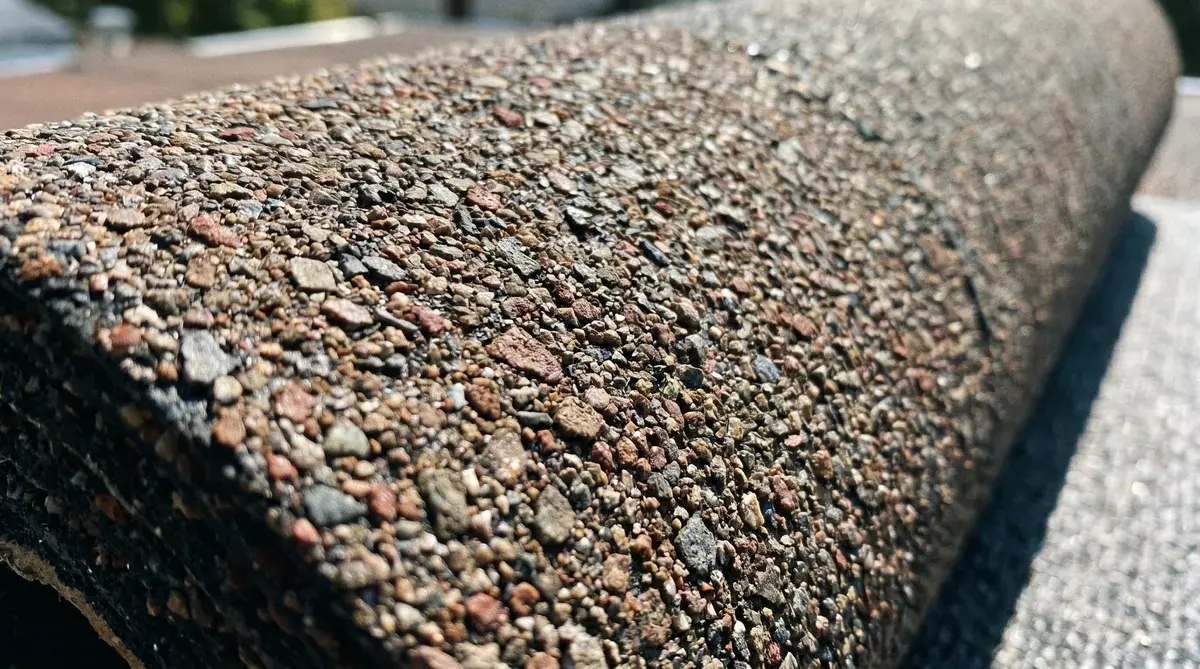
Rolled roofing consists of an asphalt-saturated felt or fiberglass mat base, coated with additional asphalt and topped with mineral granules for UV protection. Unlike traditional shingles that come as individual pieces, this material arrives in continuous rolls that you unroll across your roof surface.
The construction is similar to asphalt shingles but much thinner and lighter. A typical roll weighs about 75 pounds and covers one roofing square (100 square feet). This lightweight design makes transportation and handling easier but also contributes to the material's shorter lifespan compared to heavier roofing products.
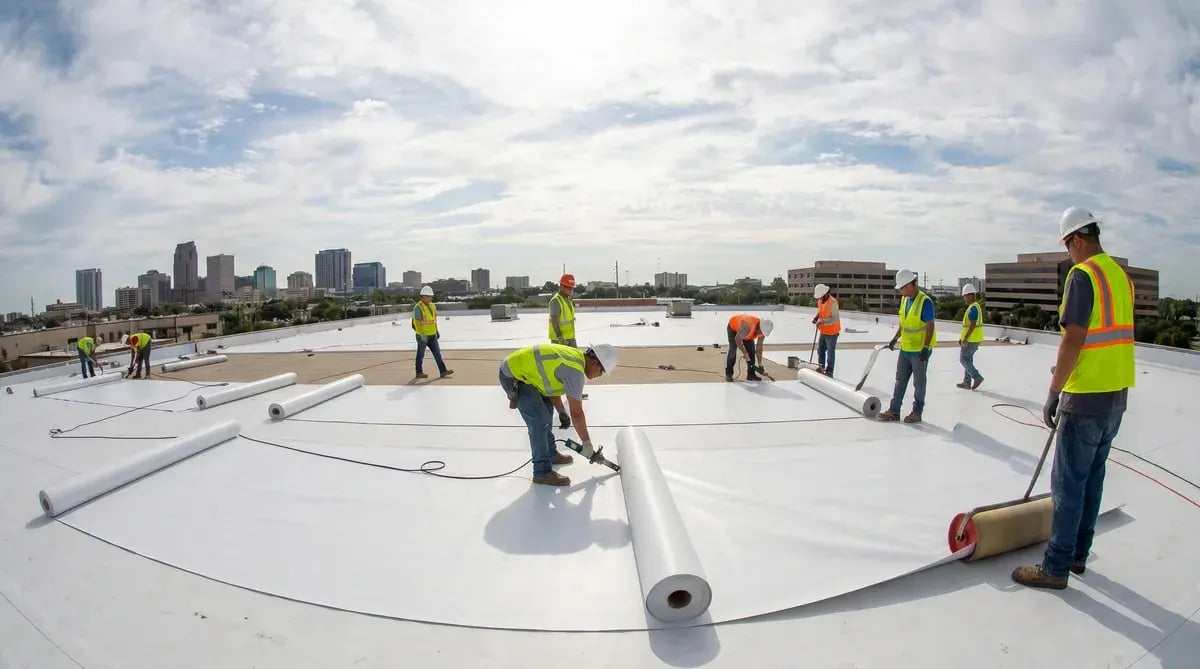
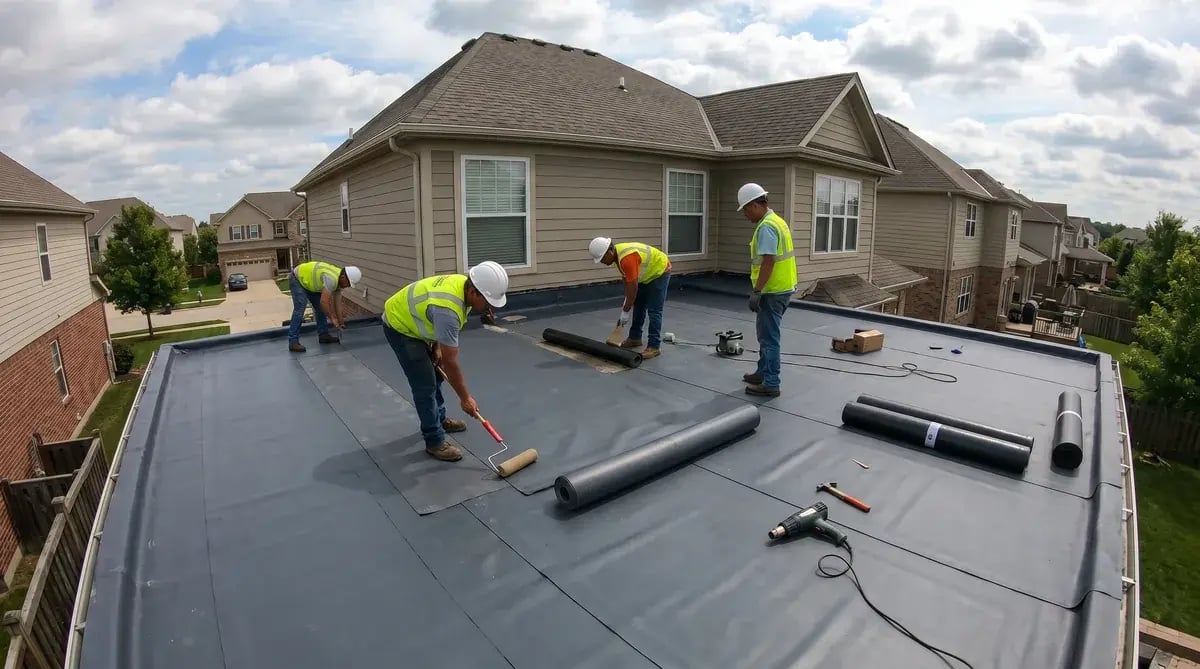
Installation involves rolling out the material horizontally across the roof, starting from the bottom edge and working upward. Each subsequent row overlaps the previous one by 2-4 inches, with seams sealed using roofing cement or adhesive to prevent water infiltration.
Types of rolled roofing available
Mineral-surfaced roll roofing (MSR) represents the most common type you'll encounter. This standard version features colored mineral granules embedded in the surface, providing UV protection and basic weather resistance. MSR typically lasts 5-8 years and comes in colors like black, gray, brown, and green to match common building aesthetics.
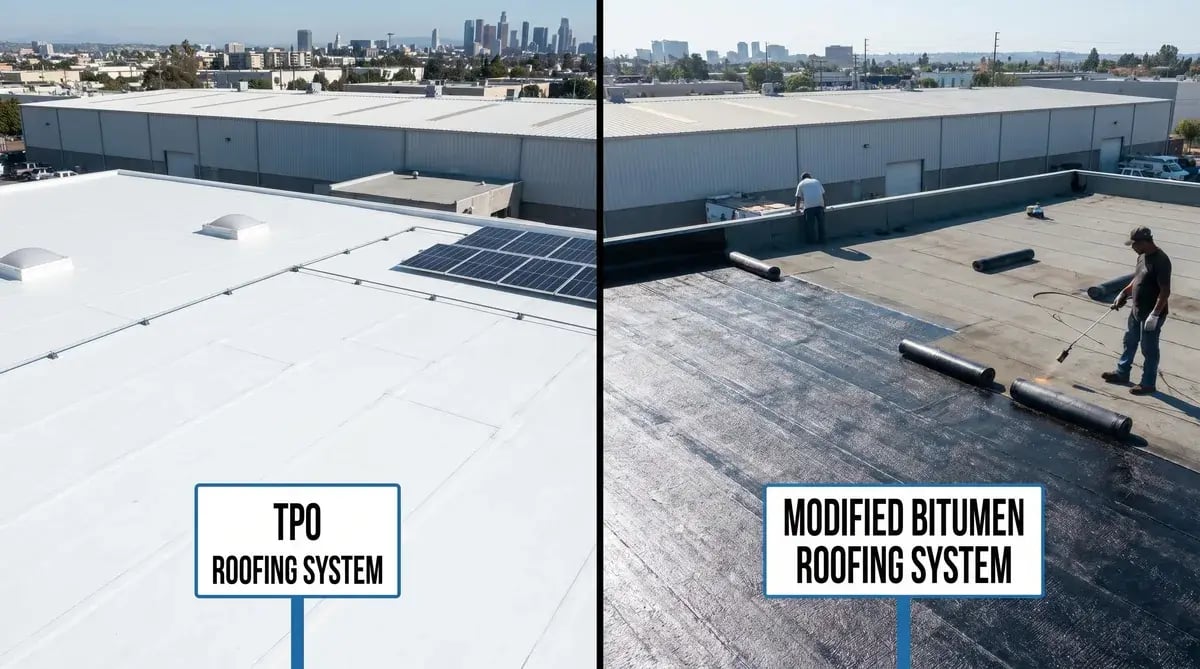
Modified bitumen roll roofing offers enhanced performance through the addition of rubber polymers to the asphalt. This upgrade improves flexibility and weather resistance, extending the lifespan to 8-12 years. Modified bitumen costs more than standard MSR but provides better value for structures requiring longer-term protection.
Double-coverage roll roofing uses a two-layer installation method where each section of roof receives coverage from two overlapping layers. This approach effectively doubles the material thickness and can extend lifespan to 10-15 years, though it requires more material and labor.
Pro Tip: Fiberglass-based rolled roofing lasts longer than organic felt versions, especially in areas with high moisture or temperature fluctuations like the coastal Myrtle Beach region.
Smooth roll roofing lacks surface granules and serves primarily as underlayment beneath other roofing materials. You shouldn't use smooth roll roofing as a finished surface since it offers no UV protection and will deteriorate quickly when exposed to sunlight.
Where rolled roofing works best
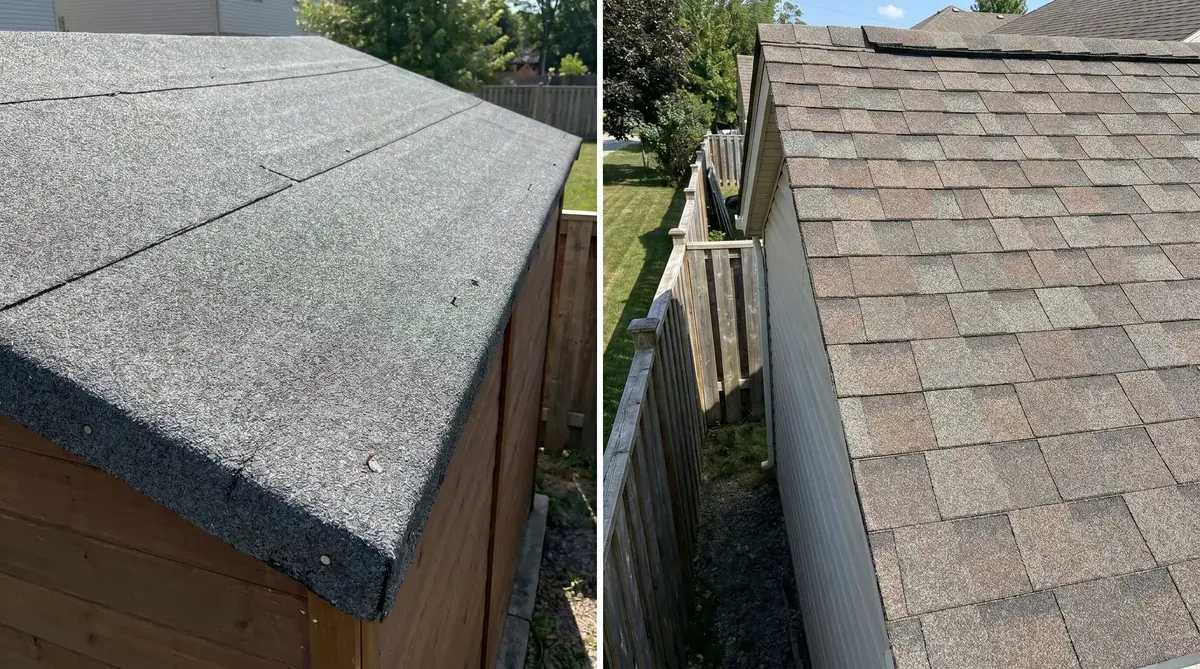
Residential applications include detached garages, storage sheds, workshops, and garden buildings where appearance takes a backseat to functionality. The material also works well for porches, carports, and low-slope additions where traditional shingles aren't suitable due to insufficient roof pitch.
Many homeowners in Horry County and Georgetown County choose rolled roofing for temporary structures or when planning future upgrades. If you're building a shed or workshop that you might replace or significantly modify within 5-10 years, rolled roofing provides adequate protection without major upfront investment.
Commercial and light industrial uses encompass small warehouses, storage facilities, and temporary construction site buildings. The material's quick installation makes it valuable for projects with tight timelines or limited budgets.
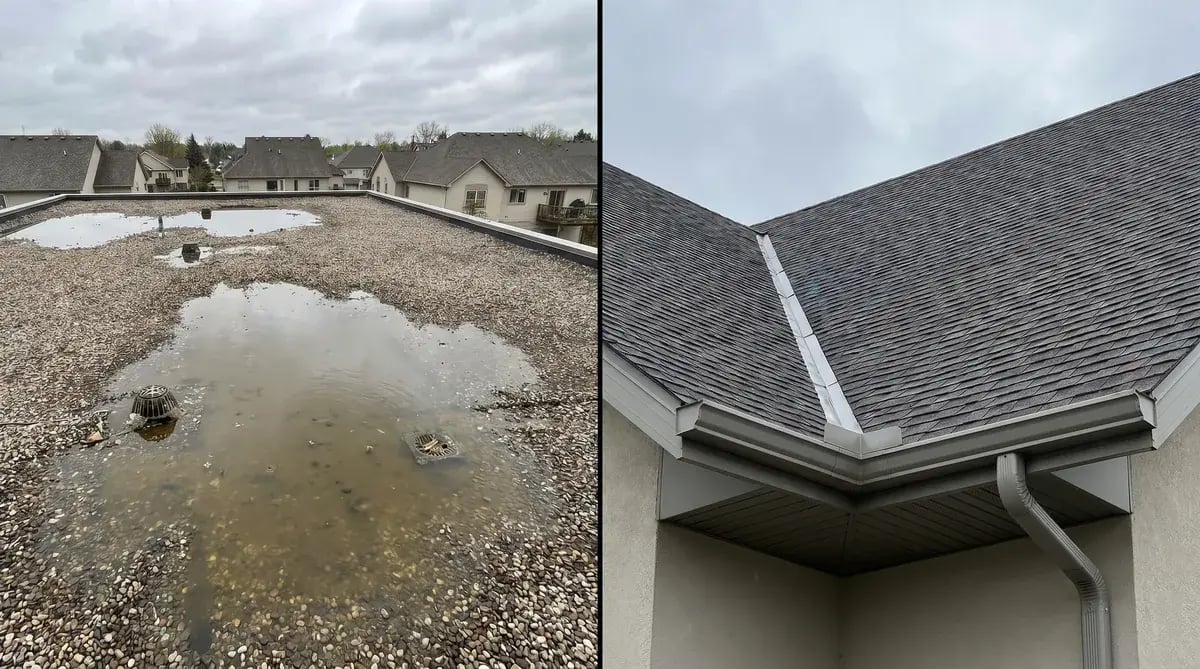
However, avoid using rolled roofing on primary residences, steep-slope roofs (over 6:12 pitch), or truly flat surfaces (under 1:12 pitch). The material needs adequate slope for proper drainage but can't handle the stress of steep applications or the ponding water that occurs on completely flat surfaces.
Costs and value considerations
Rolled roofing ranks as one of the most affordable roofing materials available. Material costs typically range from $30-50 per roll, translating to roughly $0.30-0.50 per square foot before installation. Professional installation usually adds $1-3 per square foot, bringing total installed costs to $150-400 per roofing square.
| Material | Lifespan | Cost per Square | Best Use |
|---|---|---|---|
| Rolled Roofing | 5-10 years | $150-400 | Sheds, garages |
| Asphalt Shingles | 20-30 years | $400-800 | Residential homes |
| Metal Roofing | 40-70 years | $800-1,500 | Long-term structures |
Several factors affect your total project cost. Roof size and complexity matter most, with simple rectangular roofs costing less per square foot than roofs with multiple angles or penetrations. Local labor rates in the Little River and Myrtle Beach area, roof accessibility, and whether you need deck repairs also influence the final price.
Cost Reality: While rolled roofing costs less upfront, you'll likely need 2-3 replacements over the same period one quality shingle roof would last.
The material's short lifespan means you should calculate long-term costs when making decisions. For temporary structures or buildings you plan to replace, rolled roofing makes financial sense. For permanent structures, investing in longer-lasting materials often provides better value despite higher initial costs.
When you're weighing your roofing options, consider both your immediate budget and long-term plans for the structure. Rolled roofing excels as a practical, economical solution for the right applications, but understanding its limitations helps ensure you make the best choice for your specific situation. At Linta Roofing, we can help you evaluate whether rolled roofing fits your project needs or if alternative materials would serve you better in the long run.
Linta Roofing, at lintaroofing.com, is a third-generation family roofing contractor based in Little River, South Carolina, serving four counties across two states.
FAQ
How long does rolled roofing last?
What is the difference between rolled roofing and shingles?
Is rolled roofing good for flat roofs?
Can rolled roofing be used on residential homes?
Topics: