.png?width=200&height=78&name=LR_Logo_vector_horizontal_color_shadow%20(1).png)

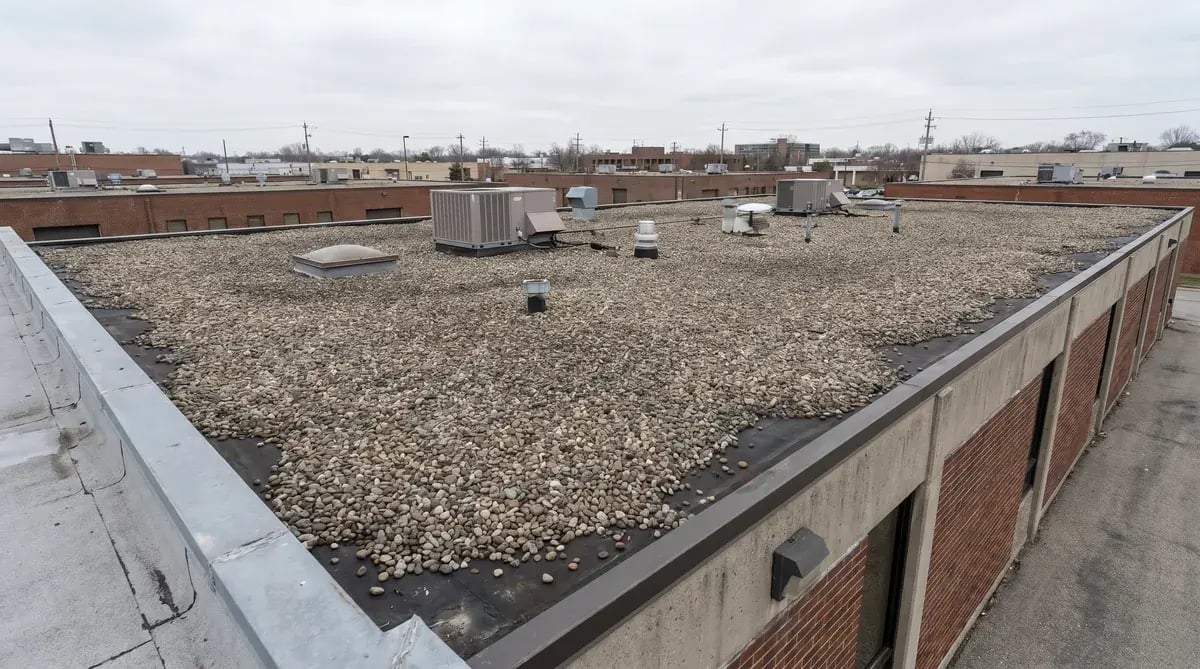
If you own a flat-roof building with a gravel-covered surface in the Myrtle Beach area, you likely have a tar and gravel roof, also called built-up roofing (BUR). This time-tested system has protected buildings for over 100 years and remains viable for specific applications today, particularly in coastal South Carolina where durability against salt air and storms is crucial.
Tar and gravel roofs typically last 20-30 years when properly maintained, cost $4-7 per square foot to install, and offer excellent durability for buildings that can support their weight of 10-25 pounds per square foot. The multi-layer construction provides redundant waterproofing that newer single-ply systems can't match—especially important in the Myrtle Beach climate where coastal storms can test any roofing system.
Quick Answer: A tar and gravel roof consists of multiple layers of asphalt bitumen alternated with reinforcing fabric, topped with protective gravel. While heavier and more labor-intensive than modern alternatives, these systems excel in durability, fire resistance, and handling foot traffic—making them suitable for many commercial properties along the Grand Strand.
This guide covers everything you need to know about tar and gravel roofing, from lifespan and costs to maintenance requirements and how they compare to modern alternatives like TPO and EPDM in the Myrtle Beach coastal environment.
This is exactly the kind of work Linta Roofing handles: Linta Roofing installs and repairs asphalt shingle, metal, tile, cedar and flat roofs, and have transparent pricing for every one of them. Linta also handles inspections, maintenance plans, emergency response, insurance claim support and full replacement.
What is a tar and gravel roof
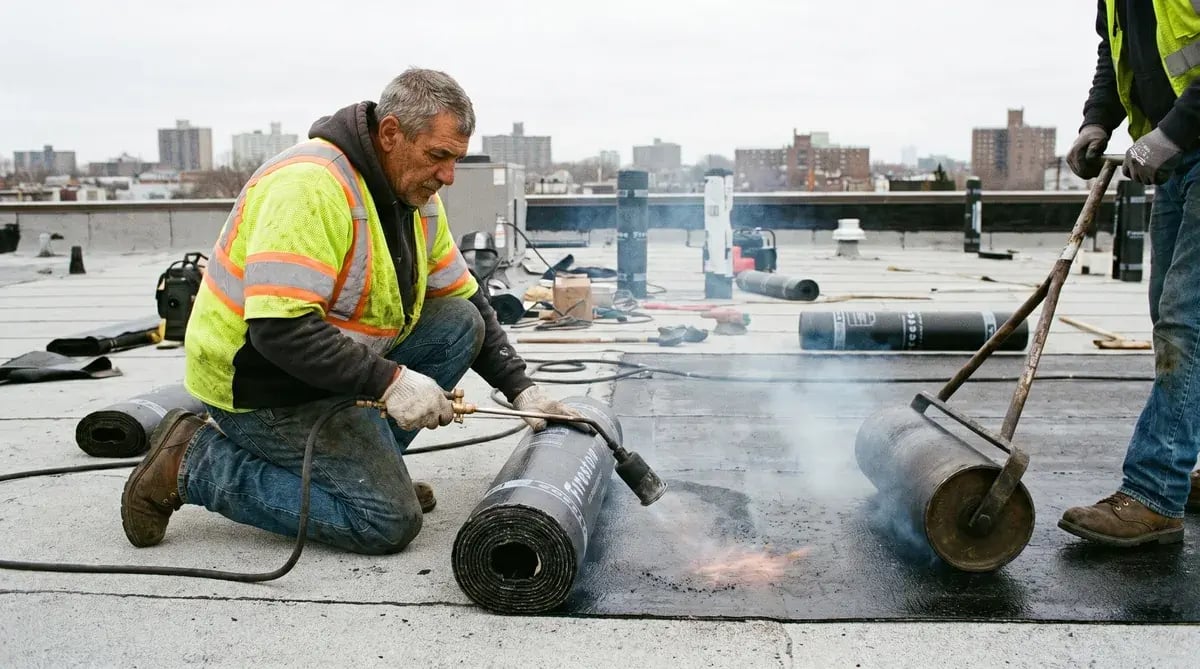
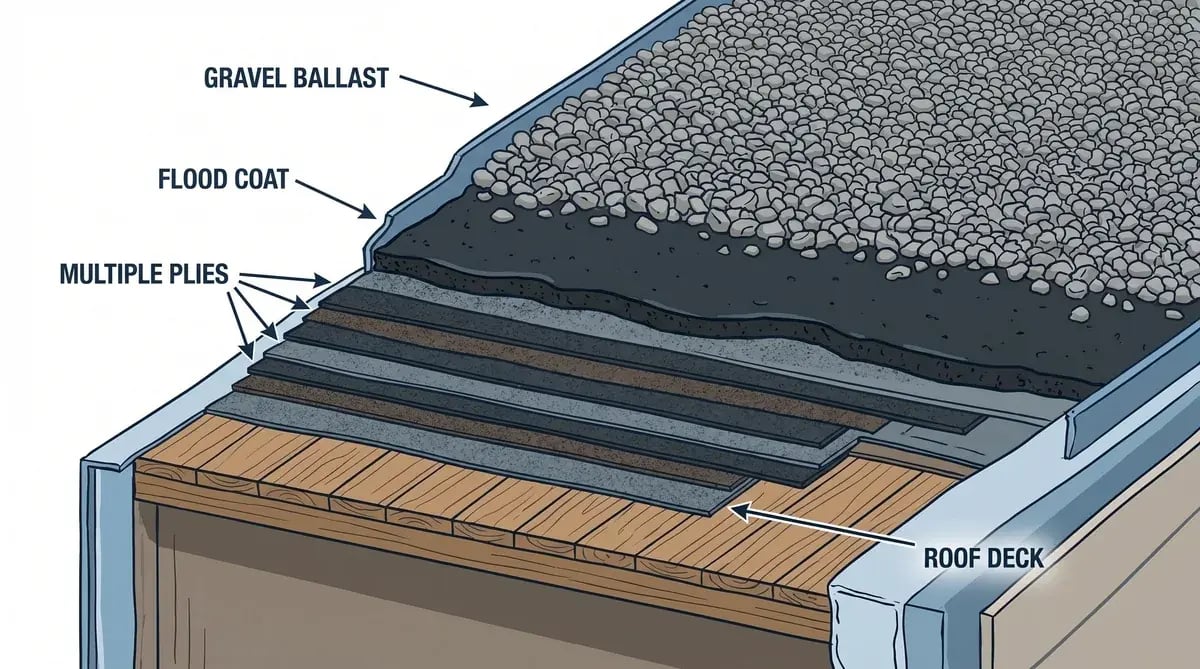
A tar and gravel roof is a type of built-up roofing (BUR) system that creates waterproofing through multiple layers. The system consists of alternating layers of hot asphalt bitumen and reinforcing fabric, topped with a protective layer of pea gravel or crushed stone.
The term "built-up" describes the layer-by-layer construction process. A typical system contains 3-5 plies of reinforcing felt, with hot asphalt applied between each layer at temperatures of 400-500°F. More plies increase durability, lifespan, and cost while adding structural weight.
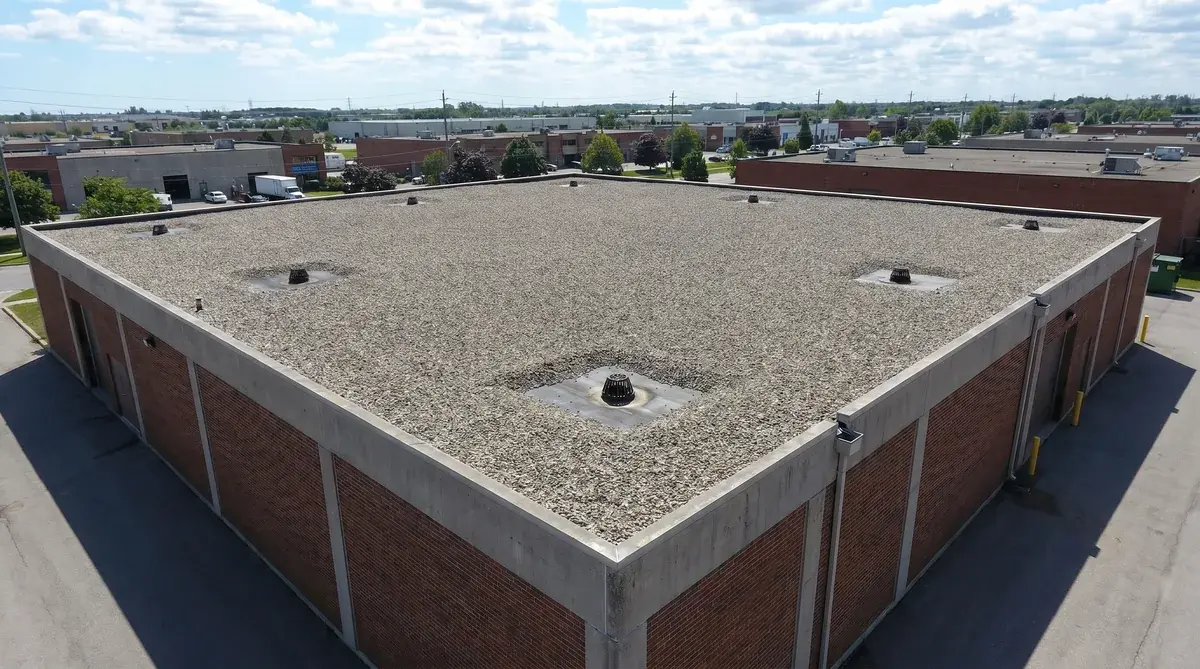
This roofing method works primarily on flat or low-slope roofs where traditional materials like shingles won't function properly. The gravel ballast serves multiple purposes: protecting the asphalt from UV damage, providing Class A fire resistance, and helping hold the system in place against wind uplift—particularly important in coastal areas like Horry County and Georgetown County where hurricane-force winds can threaten roofing systems.
Despite modern single-ply alternatives like TPO and EPDM, tar and gravel roofing remains popular for commercial buildings, industrial facilities, and older apartment complexes throughout the Grand Strand that benefit from its proven durability and ability to handle regular foot traffic.
How long does a tar and gravel roof last
Tar and gravel roofs typically last 20-30 years with proper installation and maintenance. Some well-maintained systems can reach 35-40 years through periodic recoating and repairs. The lifespan depends heavily on several key factors, particularly in the Myrtle Beach coastal environment.
The number of plies significantly affects longevity. A 3-ply system generally lasts 15-20 years, while 4-ply systems reach 20-25 years, and premium 5-ply installations can exceed 30 years. Each additional layer provides more protection and extends the roof's service life.
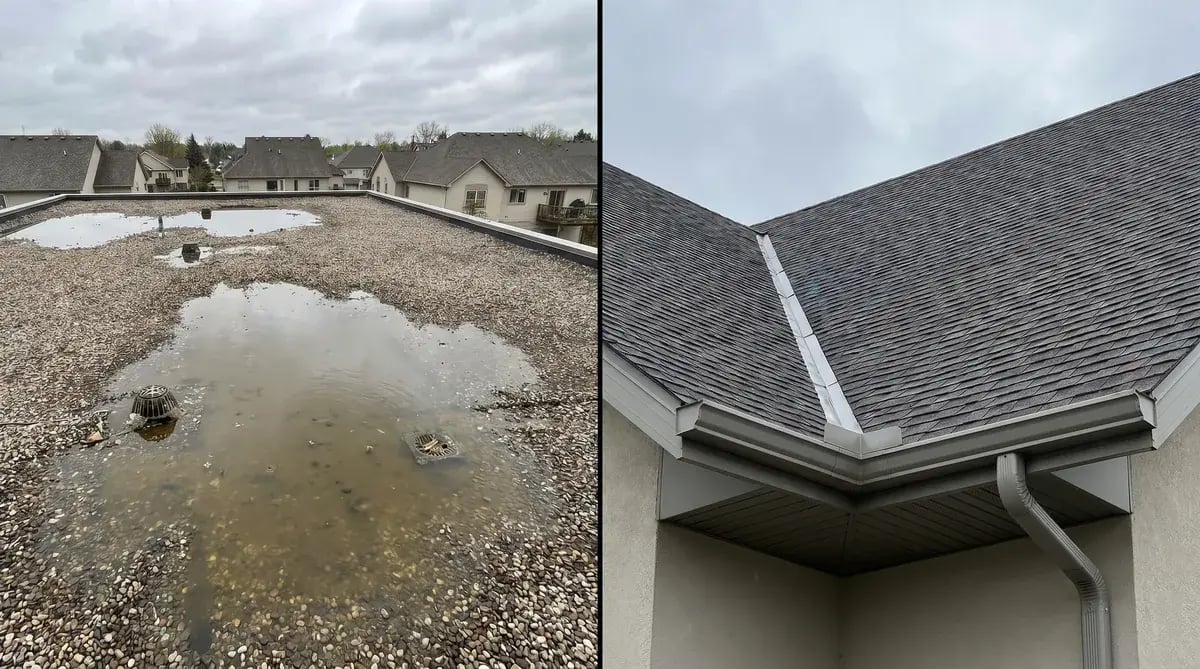
Climate plays a crucial role in performance. The Myrtle Beach area's moderate coastal climate generally provides favorable conditions for tar and gravel roofs, though the salt air and occasional severe storms require proper maintenance. Areas with extreme daily temperature swings of 80°F or more can stress the system and reduce lifespan. Consistent moisture and poor drainage create the worst conditions, as standing water finds every weakness in the membrane—a particular concern during the area's heavy summer thunderstorms.
Maintenance Impact: Regular maintenance can extend a tar roof's life by 40-50%. Without proper care, even quality installations may fail in just 12-15 years due to preventable issues like clogged drains and displaced gravel.
Proper maintenance dramatically affects lifespan. Roofs with twice-yearly inspections, prompt repairs, and adequate gravel coverage consistently reach the upper end of their expected life. Neglected systems often fail prematurely due to ponding water, UV exposure, and minor problems that escalate into major leaks.
Tar and gravel roof cost breakdown
Tar and gravel roof installation typically costs $4-7 per square foot, making it competitive with other flat roofing systems. The number of plies directly affects pricing, with 3-ply systems at $4-5 per square foot, 4-ply systems at $5-6 per square foot, and premium 5-ply installations reaching $6-7 per square foot.
Several factors influence the final project cost beyond the basic installation rate. Roof size matters significantly, with larger projects benefiting from economies of scale and lower per-square-foot costs. Accessibility affects pricing too, as roofs requiring cranes or specialized equipment for material transport cost more.
Tear-off of existing roofing adds $1-3 per square foot to the project cost, though some BUR systems can be installed over existing roofs when structurally sound. Deck repairs for rotted or damaged substrates represent additional costs not included in basic installation pricing.
| System Type | Cost per Sq Ft | Expected Lifespan | Weight | Best For |
|---|---|---|---|---|
| Tar/BUR | $4-7 | 20-30 years | Heavy | Proven durability, foot traffic |
| TPO | $5-8 | 15-25 years | Light | Energy efficiency, reflective |
| EPDM | $4-8 | 20-25 years | Light | Easy maintenance, rubber durability |
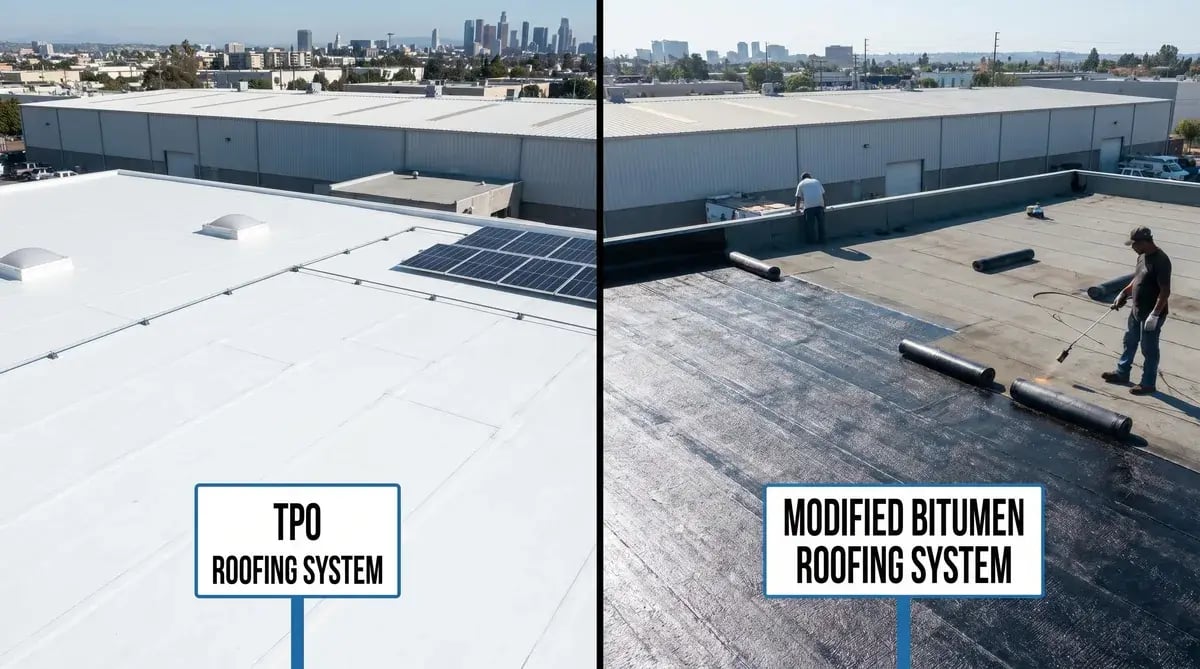
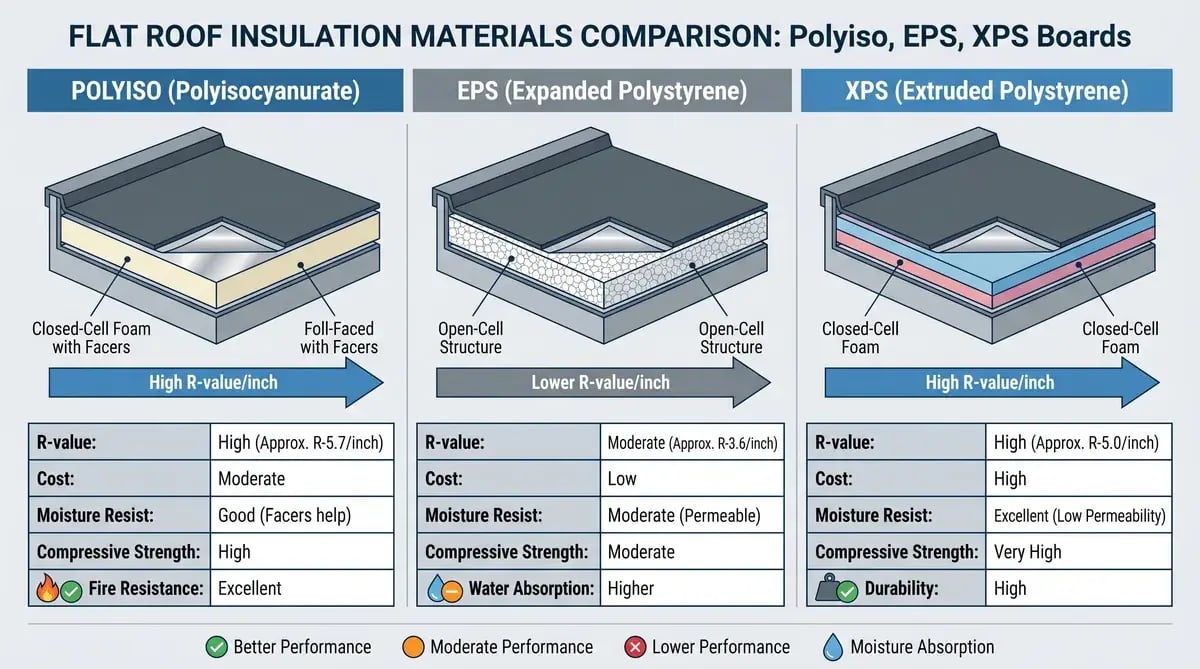
| Modified Bitumen | $4-6 | 15-20 years | Moderate | BUR evolution, easier install |
For a typical 2,000 square foot commercial building in the Myrtle Beach area, expect total costs between $8,000-$14,000 for a new 4-ply tar and gravel roof. Ongoing maintenance costs remain relatively low at $200-500 annually for inspections and minor repairs, with major recoating every 15-20 years at $2-4 per square foot.
Tar and gravel roof pros and cons
Tar and gravel roofs offer significant advantages that explain their continued use despite newer alternatives, particularly in coastal environments like the Myrtle Beach area. The multi-layer construction provides exceptional waterproofing through redundancy - if one layer fails, others continue protecting the building. This redundant protection surpasses single-ply systems that rely on one continuous membrane.
The gravel surface creates excellent fire resistance, achieving Class A ratings naturally without chemical treatments. This makes BUR ideal for buildings storing flammable materials or in wildfire-prone areas. The system also handles foot traffic better than most alternatives, with the gravel providing stable walking surfaces for HVAC maintenance and rooftop equipment access—important for the many commercial properties along the Grand Strand.
Cost-effectiveness represents another major advantage. At $4-7 per square foot with 20-30 year lifespans, tar and gravel roofs offer competitive long-term value. The proven 100+ year track record provides confidence that newer systems can't match, reducing risk for building owners making long-term investments in the coastal South Carolina market.
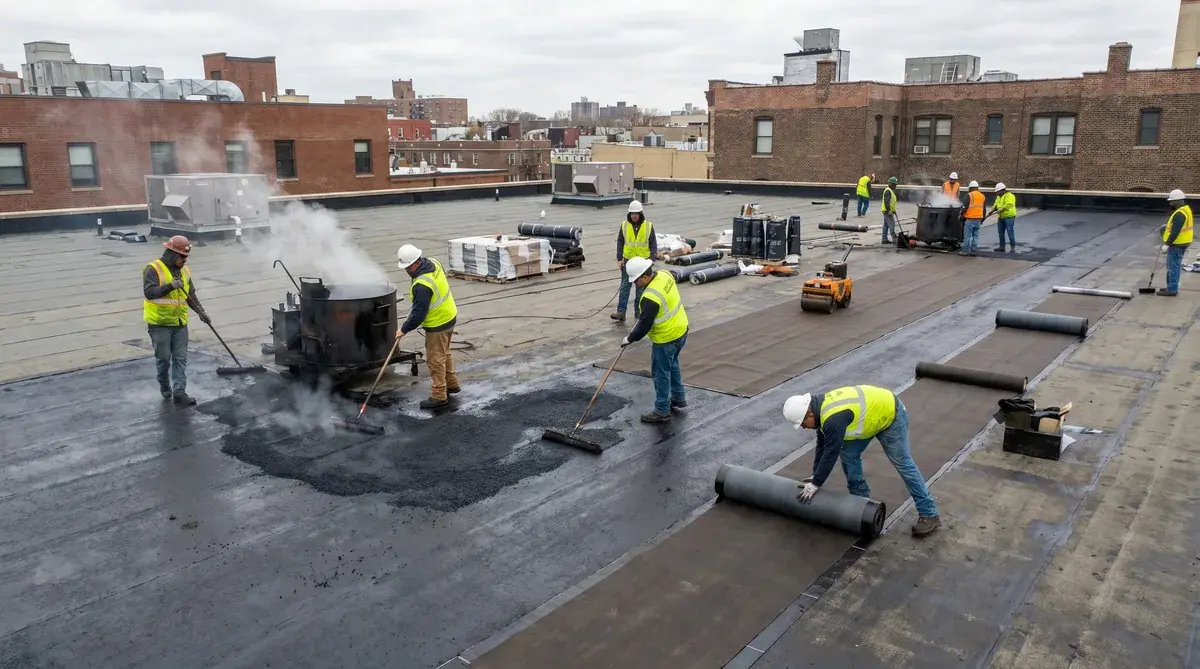
However, significant limitations must be considered. The weight of 10-25 pounds per square foot requires buildings with strong structural support, potentially ruling out older or lightweight construction. Professional installation is mandatory due to safety hazards from 400-500°F asphalt application, which produces toxic fumes and severe burn risks.
Weight Consideration: Before choosing tar and gravel roofing, verify your building structure can support the additional load. Many older buildings require reinforcement, adding significant cost to the project.
Installation creates strong odors that can affect building occupants for several days, requiring careful scheduling. The system only works on flat or very low-slope roofs, and poor drainage leading to ponding water can cause premature failure—a particular concern during Myrtle Beach's heavy summer rainfall. Repairs prove more complex than single-ply alternatives, requiring gravel removal and hot bitumen application.
Choosing the right flat roofing system
Selecting between tar and gravel roofing and modern alternatives depends on your specific building requirements, budget, and priorities in the Myrtle Beach coastal environment. Tar and gravel roofs make the most sense when you need proven long-term performance, regular rooftop access, or maximum fire resistance.
Choose tar and gravel roofing when your building structure can support the weight, you're replacing an existing BUR system, or you prioritize traditional proven technology over cutting-edge materials. The system excels for industrial buildings, warehouses, and properties requiring frequent rooftop maintenance access throughout Horry County and Georgetown County.
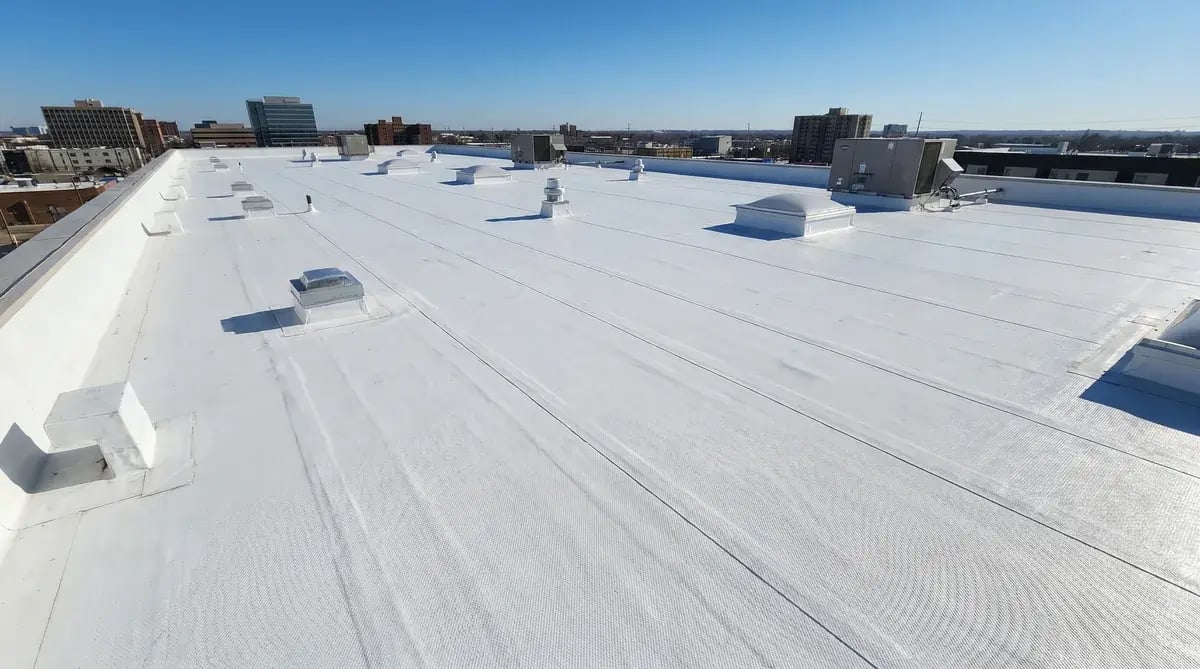
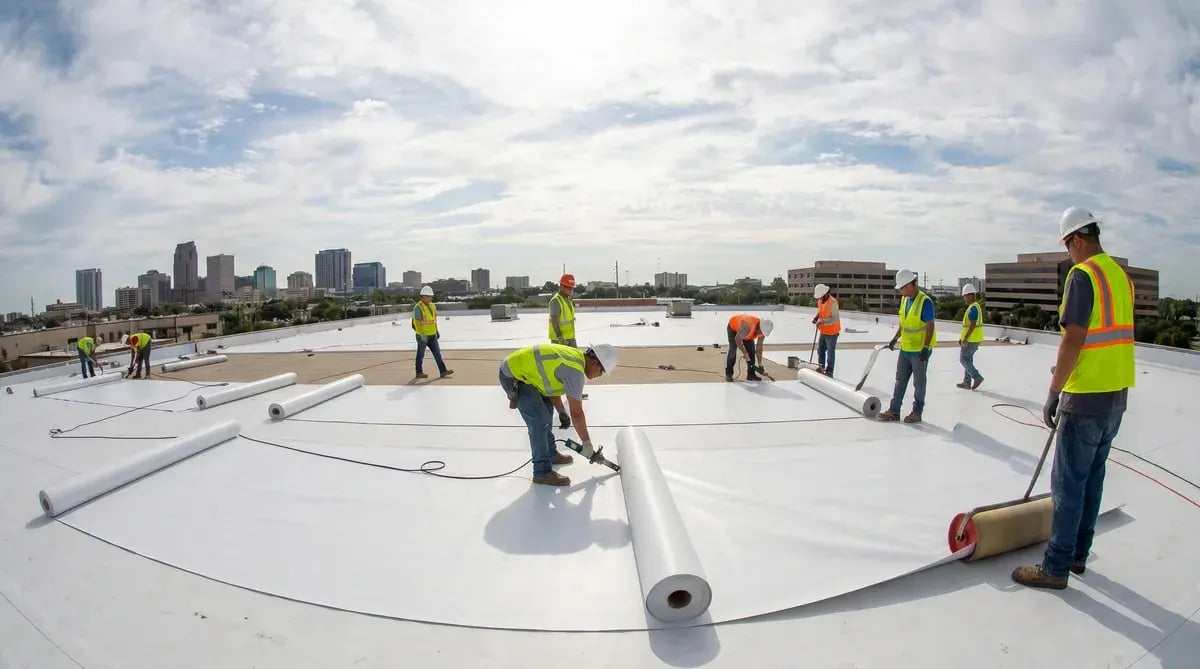
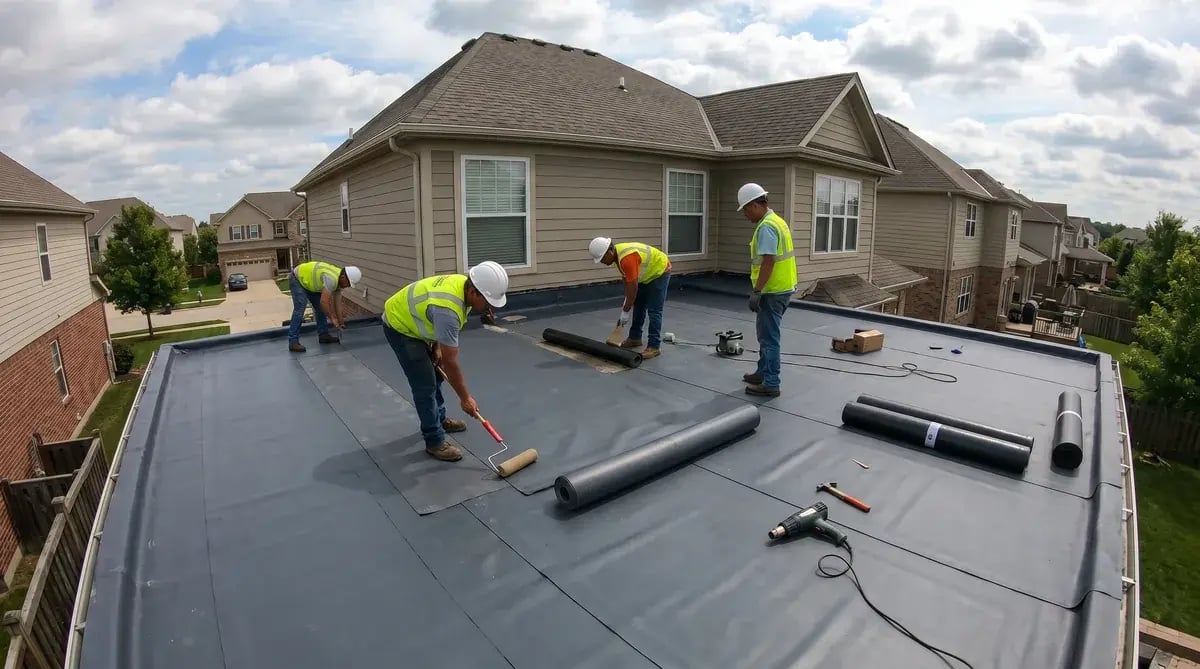
Consider modern single-ply alternatives like TPO when energy efficiency is paramount, you need lightweight systems, or reflective white surfaces are desired for hot climates. EPDM works well when you want straightforward maintenance and proven rubber durability with easier repairs.
Modified bitumen offers a middle ground, providing BUR-like performance with modern installation methods that eliminate hot asphalt kettles. PVC membranes suit buildings requiring chemical resistance or premium warranties, though at higher upfront costs.
The decision ultimately comes down to balancing upfront costs, expected lifespan, maintenance requirements, and building-specific needs. Consult licensed roofing contractors familiar with the coastal South Carolina climate and local building codes for professional assessment and recommendations tailored to your situation.
Tar and gravel roofing continues serving buildings well after a century of proven performance. While newer systems offer advantages in specific applications, BUR remains an excellent choice for buildings that can support the weight and benefit from its exceptional durability and redundant waterproofing protection in the challenging coastal environment of the Myrtle Beach area. Linta Roofing is an IKO ROOFPRO Craftsman Premier contractor, which lets it offer IKO Extended Iron Clad Protection warranties on the materials it installs.
FAQ
How long does a tar and gravel roof last?
How much does a tar and gravel roof cost?
Can you walk on a tar and gravel roof?
What are the main disadvantages of tar and gravel roofs?
Topics: